Vranjevo Selo: An Archaeological Site in Bosnia and Herzegovina
Site at a Glance
- Popularity
- Very Low
- Country
- Bosnia and Herzegovina
- Primary era
- Medieval
- Eras represented
- Iron Age, Classical, Medieval
- Civilizations
- Byzantine, Illyrian, Kingdom of Bosnia, Roman
- Site type
- Burial
- Remains
- Necropolis
On this page16 sections
History
Vranjevo Selo is an archaeological site near Neum in Bosnia and Herzegovina, with evidence spanning the Iron Age, Roman period, and medieval Bosnian state.
Iron Age communities
Iron Age finds from Vranjevo Selo, Radimlja, and Ošanići have helped shape interpretations of a well-organized warrior aristocracy and early contacts between the Daorsi, an ancient Illyrian people, the Greeks, and other communities before the Hellenistic period. Together, these finds provide evidence for the region’s connections and social structure in antiquity.
Roman settlement
A settlement stood near the sea and Neum Bay from the first century AD, and probably remained in use at least into the sixth century. It lay beside a road leading to ancient Diluntum, at present-day Stolac, and was connected with either the Narona–Epidaurum or the Narona–Leusinium route.
Medieval political center
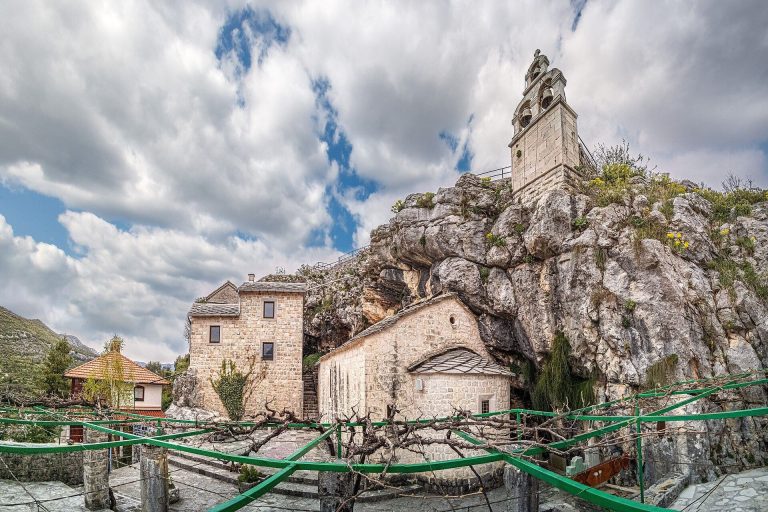
In the Middle Ages, Vranjevo Selo belonged to the Žaba district, a territorial unit in medieval South Slavic political organization. It served as an important political center and as the seat of the prominent Nikolić noble family. During the fourteenth century, the family held feudal lands and was the district’s sole political and cultural actor. Its members also belonged to the Bosnian assembly of magnates, the kingdom’s high nobility.
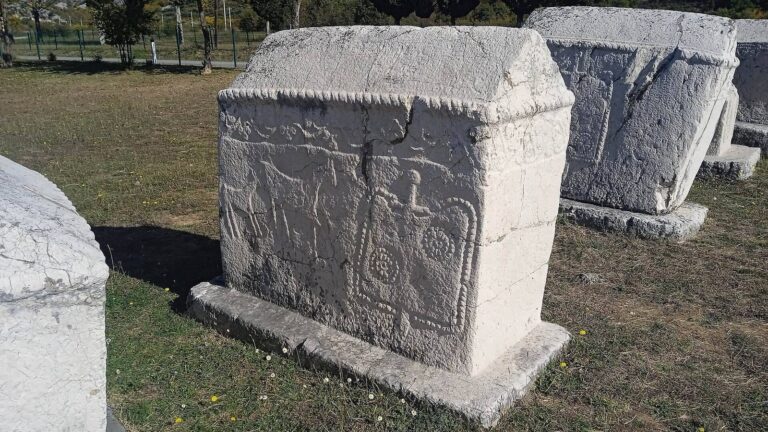
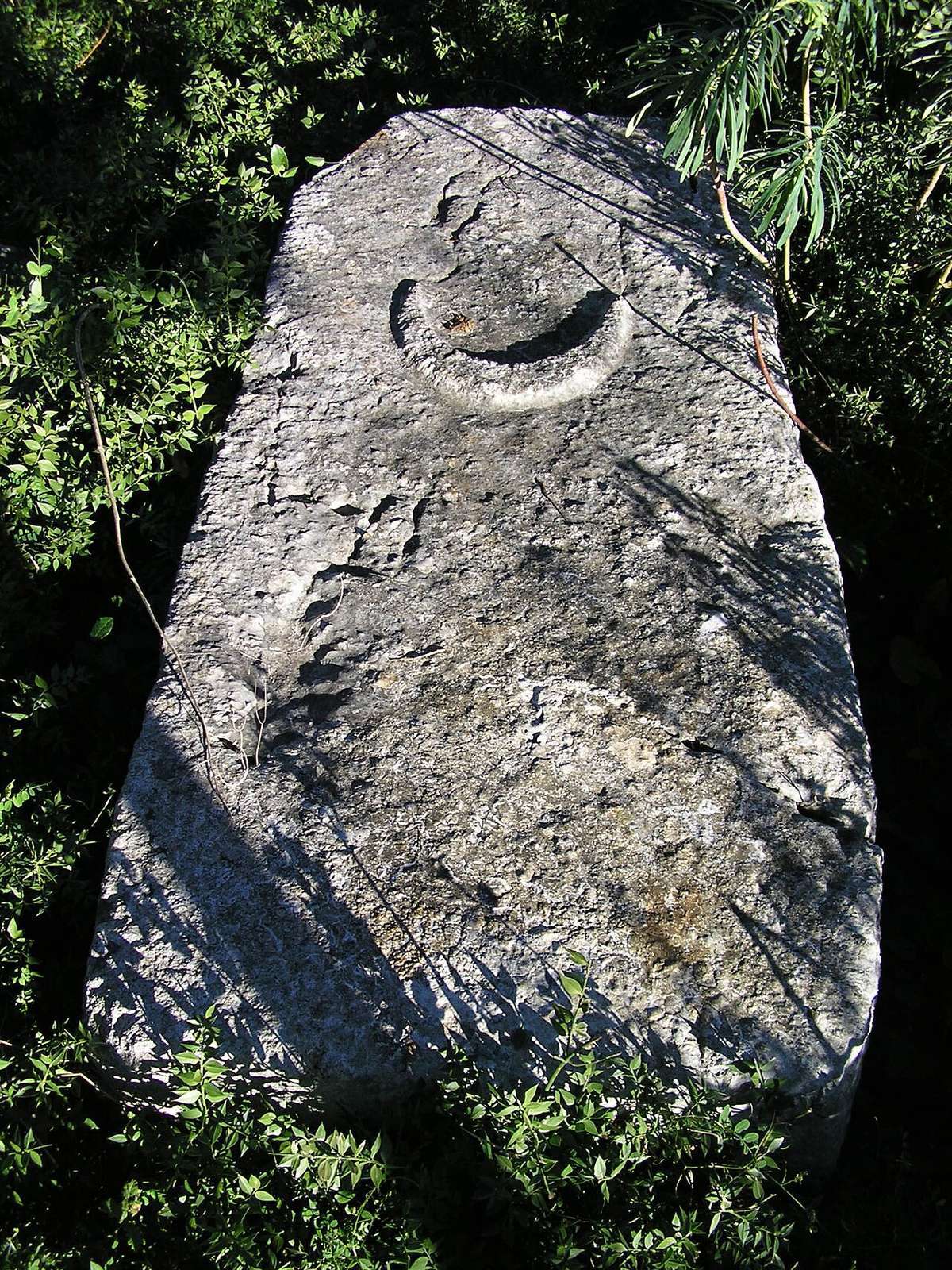
The medieval cemetery dates from the second half of the fourteenth century and the fifteenth century. Its monumental tombstones, known as stećci, are characteristic of Bosnia and parts of the surrounding western Balkans.
Investigations in 1984 and 1985 confirmed the Roman settlement. In 2004, Vranjevo Selo was declared a National Monument of Bosnia and Herzegovina. Rescue work in 2006 followed damage caused by expansion of the Neum–Stolac road and construction of a threshing floor at Vidića guvno, where investigators recovered archaeological material.
Remains
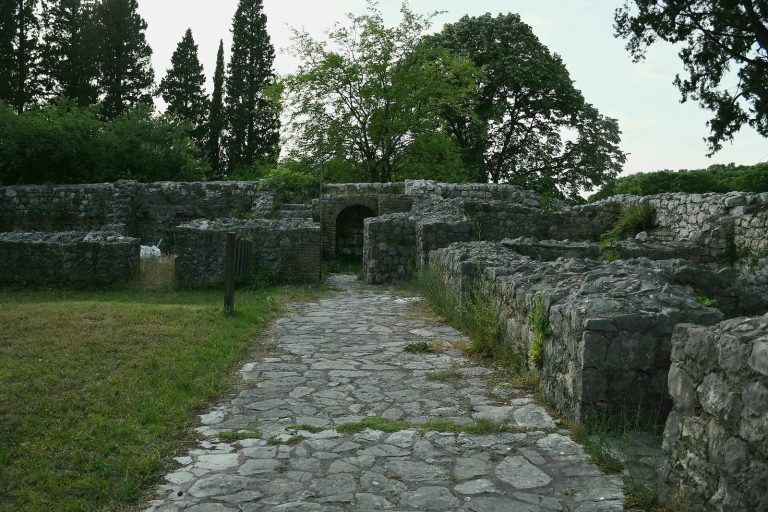
The archaeological area brings together remains from several periods. A Roman-period building lies in its northeastern part, while the medieval cemetery forms two groups. Stone-built structures, tile-built tombs, and evidence of prehistoric burial reflect the site’s varied use.
Roman and late antique remains
Building remains
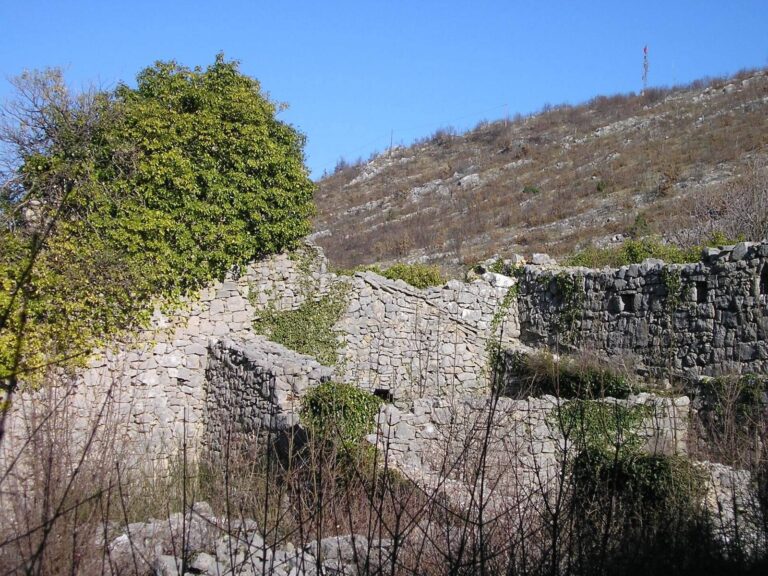
A large heap of stones covers the remains of a Roman-period building in the northeastern part of the site. The structure had older and later phases, and part of it lies beneath the medieval cemetery.
Tombs and associated structures
A late antique tomb has a gabled roof and was built from roofing and floor tiles. A dry-stone wall runs beside it. Two more gabled-roof tombs date to the fifth or sixth century, and two parallel walls may have belonged to the same building. A stone pillar bearing a cross was found among the remains.
Medieval cemetery
The group beneath Žrnova Hill
The group beneath Žrnova Hill is known as the necropolis of the Nikolić princes. It contains 29 stećci, 15 of them decorated; three stones bore inscriptions.
The second group
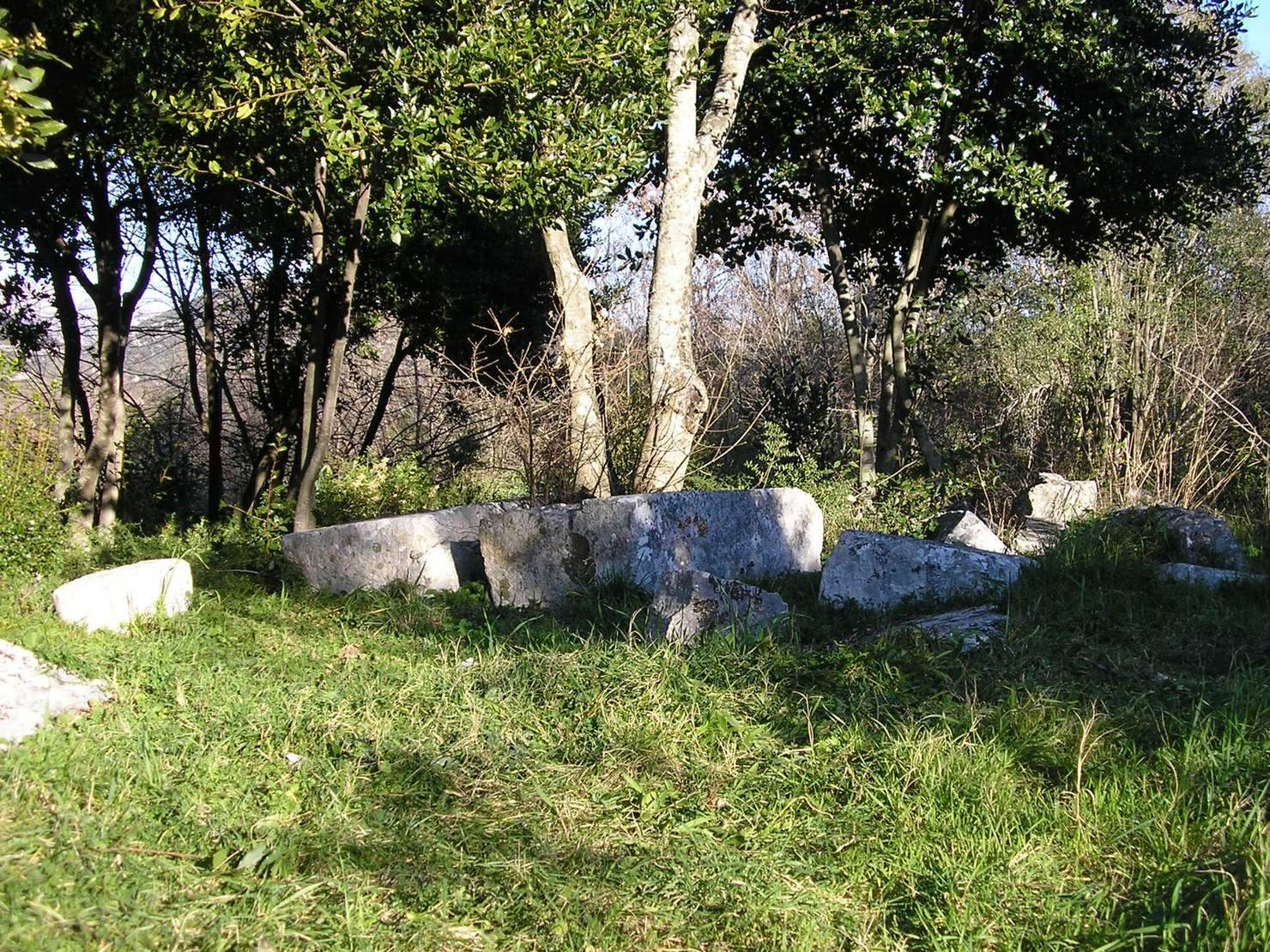
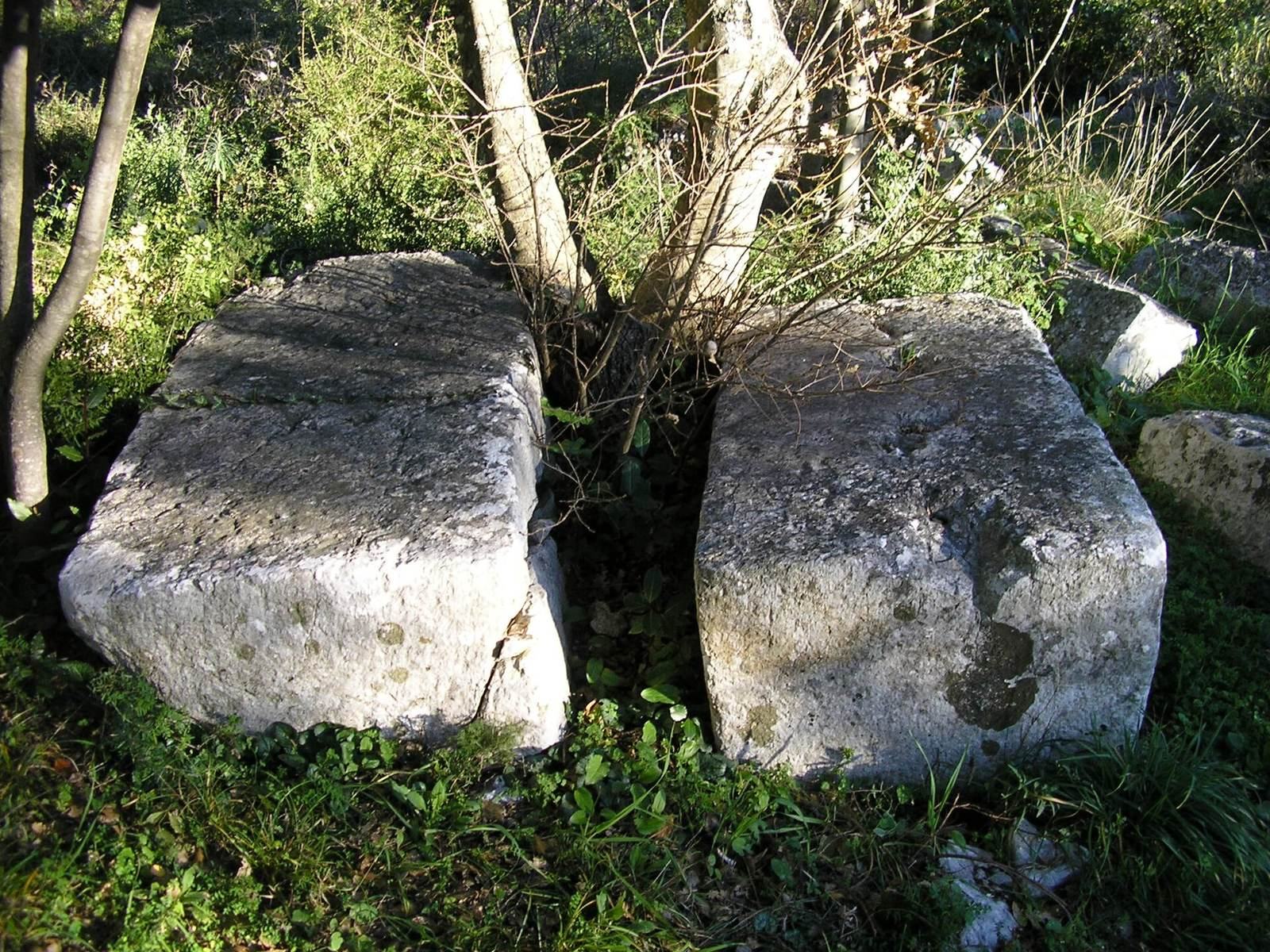
The cemetery’s second group contains 37 stones, mostly flat slabs and chest-shaped forms. One slab has a rosette on its upper surface. Damage in the past broke or overturned stones, and some were reused in a nearby fence and road, indicating that more stones once belonged to the cemetery.
Iron Age burial and grave goods
The warrior grave
An Illyrian warrior grave contained multiple burials and a rich, well-preserved group of military equipment, dress ornaments, and ceramic drinking vessels. It is described as the richest and best-preserved assemblage of its kind in southern Herzegovina. The objects include locally made items and imports associated with the classical Greek and Macedonian worlds.
Pins, brooches, and jewelry
Bronze double pins have M-shaped heads and smooth, plain wire. Some have round-section wire and heads; on others, the wire at the head has a square profile. Comparable pins occur in princely graves of the central Balkans and in the Glasinac culture, an Iron Age culture of the central Balkans known in part for richly furnished elite burials. Examples there date to the late sixth and early fifth centuries BCE. Similar forms are also known from Scythian sites in Ukraine’s Poltava region, near the Dnieper. Seven pins belong to a younger variant with flattened, twisted heads.
One arched fibula, an ancient brooch used to fasten clothing, has a square foot bent into a saddle shape. This Novi Pazar type is otherwise known only from women’s graves. A second fibula has a ribbed bow, a trapezoidal foot, and a ball at its end. Known as the Arareva Gromila type, it marks the Glasinac area from phase IVc-2. Larger, heavier forms became prominent in phase Va. The type occurs mainly in women’s graves, though men’s graves also contain examples; at Glasinac, it was found alongside double pins.
A protocertosa-type fibula has a ball at the end of its foot. This form belongs to an Adriatic cultural network and is found from the northern Adriatic and its hinterland along the eastern Adriatic coast, and into central and southern Italy. Maritime routes were its main means of transmission.
A poorly preserved belt buckle has a round, domed, or rosette-shaped form, with petals around its rim and a large central rivet. Comparable buckles occur at sites including Donja Dolina and Gotovuša, in the Skadar area, in the Mati culture of northern Albania, and as far as Olympia. The type dates broadly to phases IVb–IVc2 in the Glasinac chronology and was used from the seventh through the sixth century BCE. Four small, flattened oval amber beads belong to type 8a–b, a form commonly included in luxury jewelry sets.
Helmets and weapons
Two helmets are of Illyrian type and belong to the latest variant, III A2. Their surviving parts include elongated, rounded cheek guards, a square face opening, and two raised ribs running along the rounded helmet bowl. Three engraved lines lie between the ribs, in a space used to hold and secure plumes.
Iron spearheads form the largest and most damaged group of finds. From the mid-sixth century BCE, such weapons were used by warriors and warrior elites across the wider Balkans. They were especially common in the fifth and fourth centuries BCE, when a warrior could carry several as a set. One iron fragment may have come from a leather or wooden shield fitted with an iron boss, a raised central fitting.
Vidića guvno
At Vidića guvno, investigations examined a medieval grave beneath a stećak and part of a prehistoric tumulus, or burial mound, affected by road works. Archaeological material was recovered from the damaged area.