Haruniyeh Mausoleum: A Medieval Monument in Tous, Iran
Site at a Glance
- Popularity
- High
- Country
- Iran
- Primary era
- Medieval
- Eras represented
- Medieval
- Civilizations
- Ilkhanate, Timurid
- Site type
- Burial
- Remains
- Tomb
On this page6 sections
History
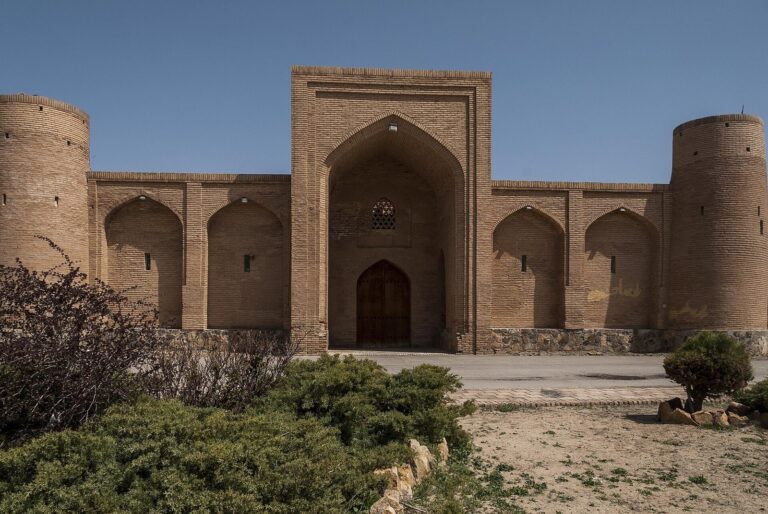
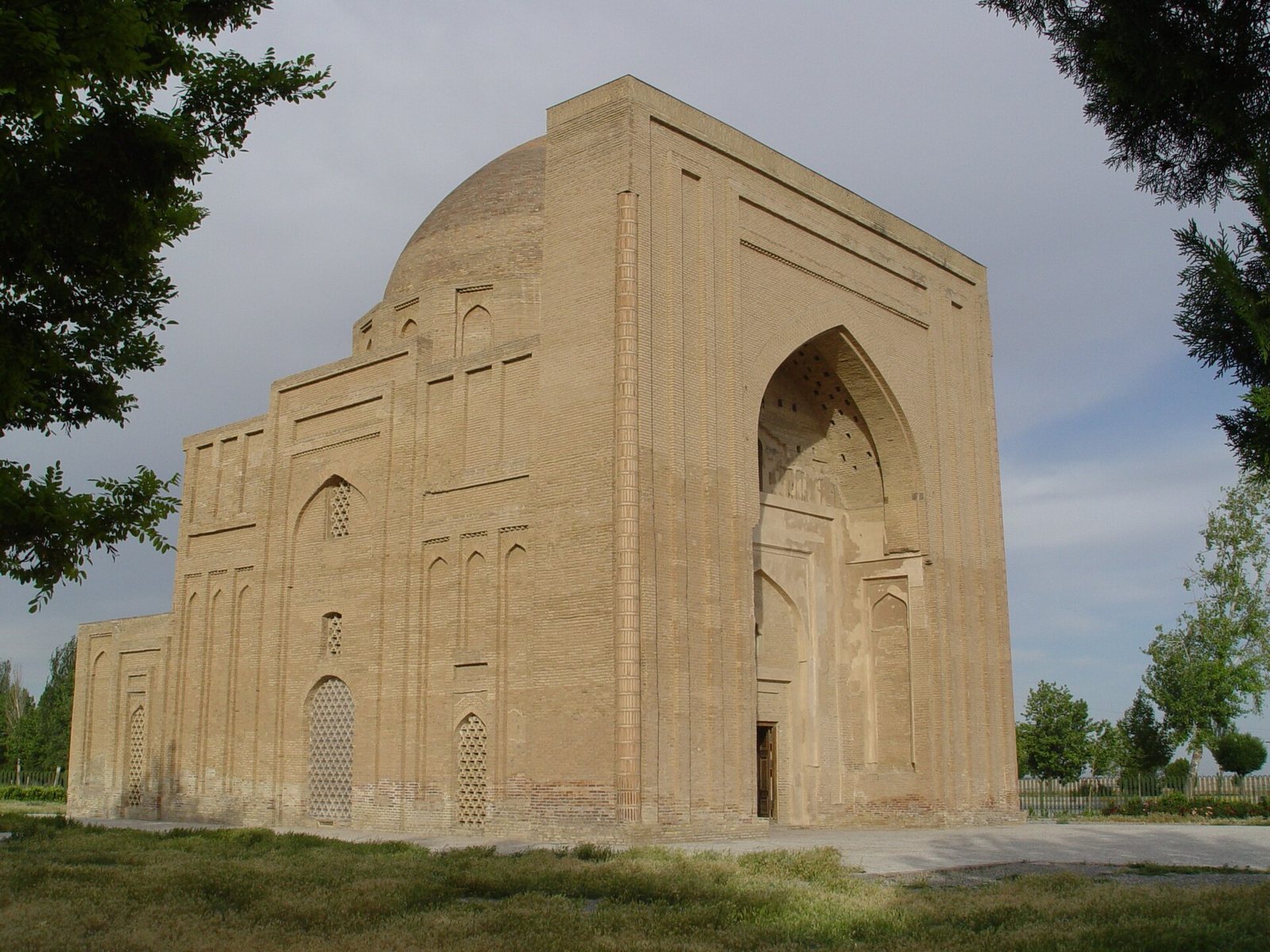
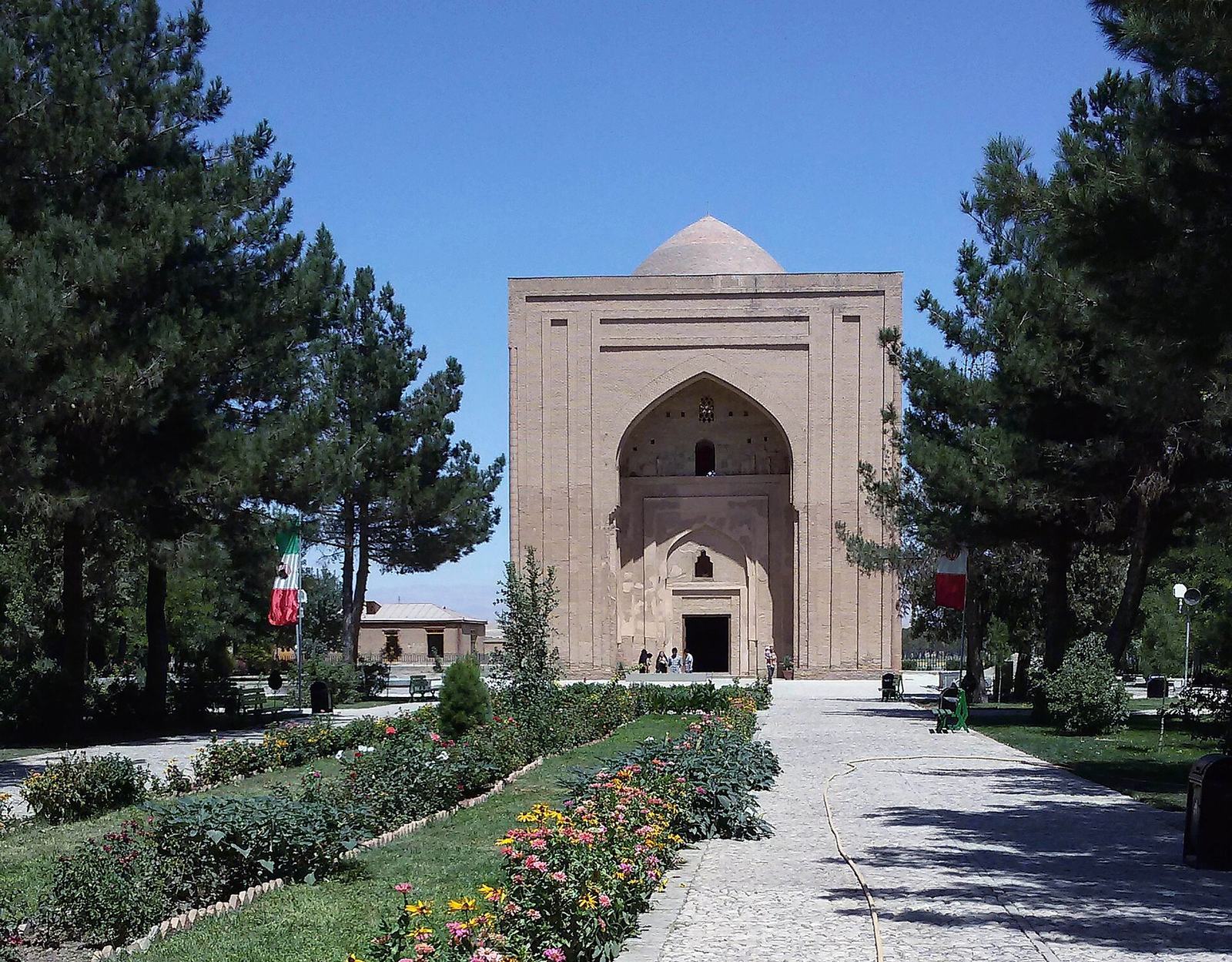
The Haruniyeh Mausoleum is in Tous, Razavi Khorasan Province, Iran, and is described as the oldest surviving monument of Tus. It was built in the eighth century AH over earlier remains at Tabaran, a former settlement within Tus. Its original structure is generally attributed to the Ilkhanid period, when a Mongol dynasty ruled Iran, and to Azari architecture, a historical Iranian style.
Building phases and proposed dates
Some parts of the building were added during the Timurid period, under a later ruling dynasty. Its resemblance to Razi architecture, another historical Iranian style, has also prompted a proposed date in the sixth century AH. These interpretations place different emphasis on the building’s style and earlier activity at the site.
Proposed uses and later history
The building’s original purpose is disputed. Interpretations include a school, a Sufi lodge for religious life and instruction, a tomb, or a mosque constructed over an earlier Sasanian fire temple after the Muslim conquest of Iran. The Sasanians ruled the pre-Islamic Persian Empire; a fire temple was a Zoroastrian place of worship associated with maintaining sacred fire.
Twentieth-century excavations revealed evidence of activity earlier than the sixth century AH. Iran registered the mausoleum as a national monument in 1932.
Remains
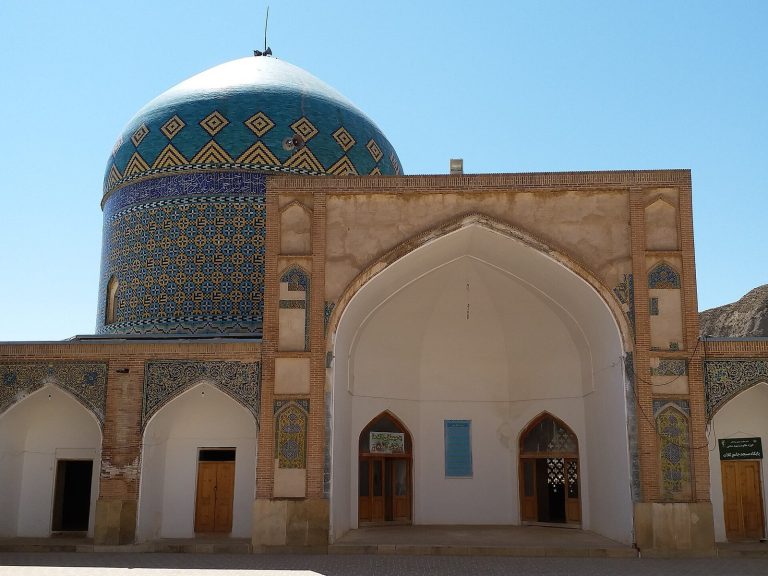
The building’s lower level has an octagonal plan, but corner halls conceal that shape and give the level a square plan. Above it is a sixteen-sided level, followed by the dome, which measures 12 m across. Brick and plaster are the stated building materials, and the design is also described as drawing on early Islamic Iranian architecture.
Lower layers and excavated wall
Pottery from the Seljuk, Timurid, and Safavid periods, dynasties that governed parts of Iran, came from the lower layers. Excavations also exposed a very thick stone wall bonded with sarooj, a traditional Iranian mortar. Its construction has been compared with the foundations of Sasanian fire temples.
Memorial stone and ornamental window
A black memorial stone stands beside the mausoleum and commemorates Al-Ghazali, a major Iranian Muslim theologian and mystic active in the fifth and sixth centuries AH. Some regard its location as his burial place, while interpretations informed by later excavations place his grave elsewhere nearby. The building also has an old ornamental window.