Mayenne-Sciences Cave: A Prehistoric Art Site in Saulges, France
Site at a Glance
- Popularity
- Medium
- Country
- France
- Primary era
- Stone Age
- Eras represented
- Stone Age
- Civilizations
- Unclassified
- Site type
- Civic
- Remains
- Rock Art
On this page5 sections
History
Prehistoric occupation
Mayenne-Sciences cave, in Saulges, France, is part of the Saulges cave group in the Erve valley. Human occupation is assigned to the Gravettian, an Upper Paleolithic culture associated with prehistoric Europe. Carbon-14 dating at about 24,500 years before present, using 1950 as the reference point, and comparisons with decorated caves in Quercy, a historical region of southwestern France, support a proposed Gravettian date for the paintings.
Excavation and discovery
Prehistoric remains beneath the cave’s porch were known before Gatien Chaplain-Duparc excavated there in 1876. His work did not provide access to the cave. On 11 June 1967, members of the Mayenne-Sciences caving section, led by Roger Bouillon, found a continuation containing prehistoric drawings and engravings. The seven cavers were Luc Avignon, Daniel Bardoux, Roger Bouillon, Jean-Pierre Bouttier, Georges Foubert, Philippe Garnier, and Christian Gilles. The cave took its name from the group involved in its discovery.
A decree classified the cave as a Historic Monument on 25 March 1970. Romain Pigeaud’s thesis on its art was published in 2004.
Remains
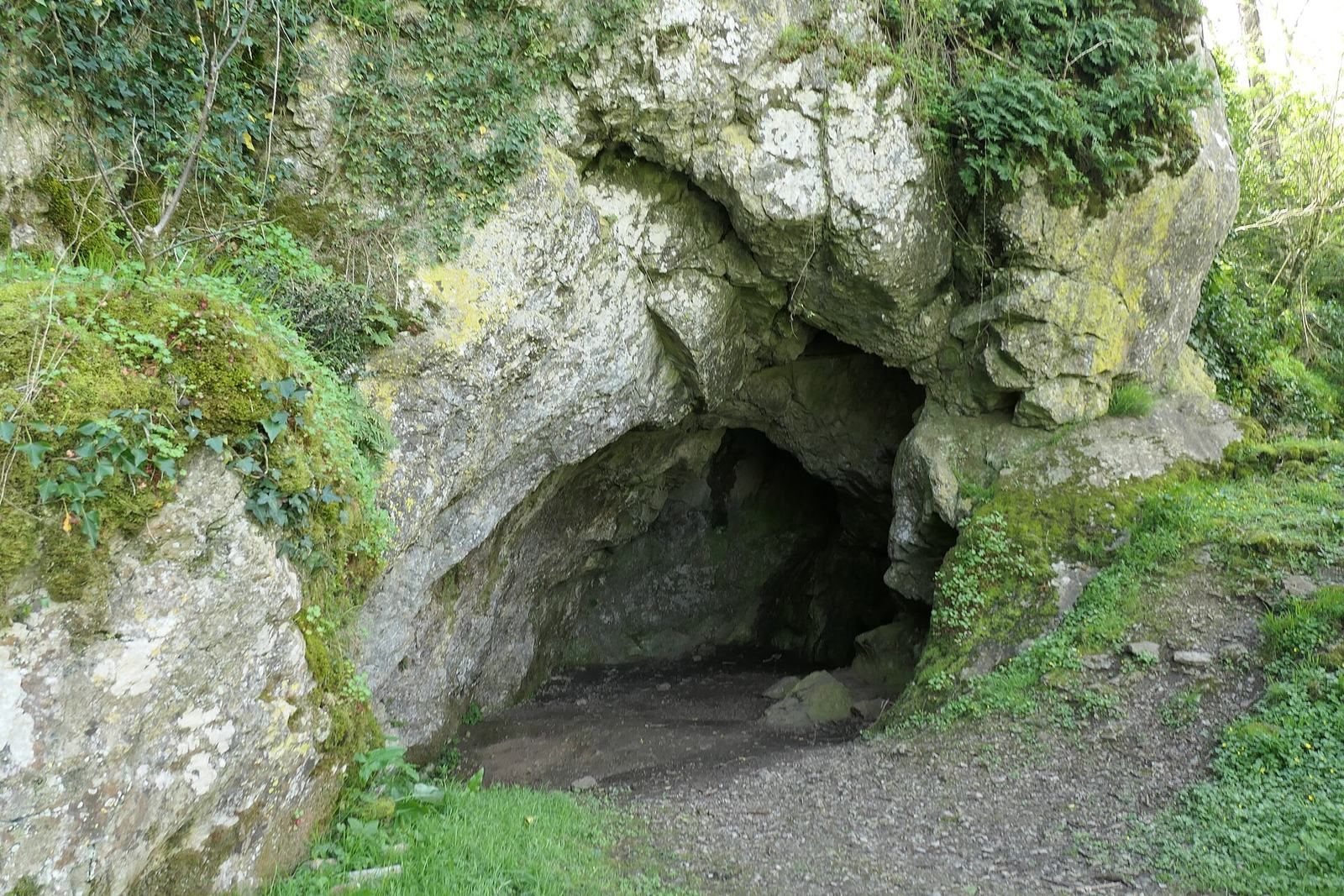
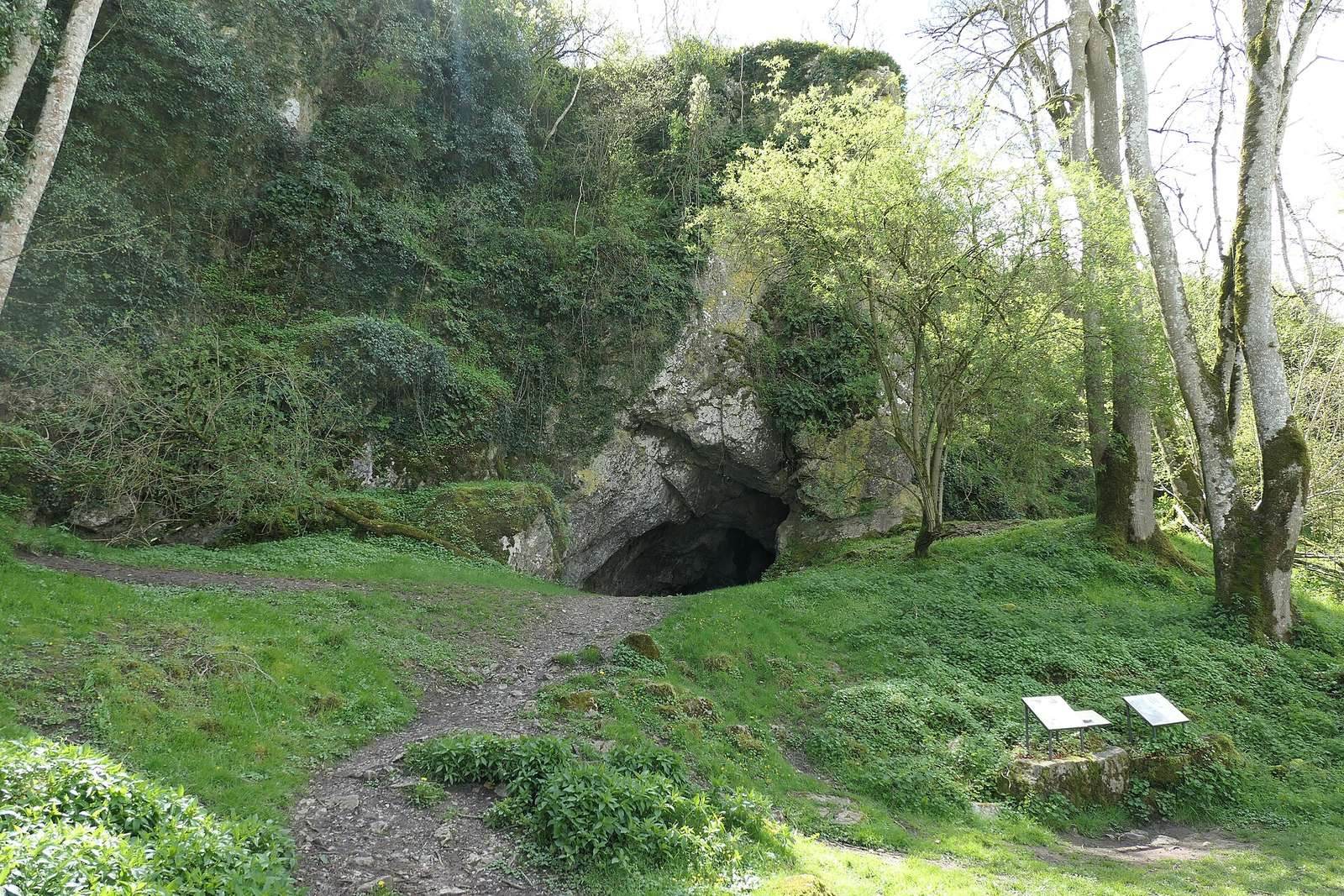
The limestone cave formed during the Carboniferous, a geological period that lasted from about 359 to 299 million years ago. Its entrance lies 60 metres above sea level, and its known length is 60 metres. A fissure at the foot of a wall provides access. Beyond it, a narrow passage that requires squeezing through for a few metres opens into four rooms in succession, with ceilings high enough to stand beneath.
Prehistoric art
The cave contains 59 representations, including drawings and engravings. These comprise 16 animal figures: nine horses, two mammoths, one bison, and four unidentified figures. The remaining representations include 19 signs, 12 indeterminate traces, and 12 red finger marks.