Santa Maria Scala Coeli: A Church in Rome with Medieval Origins
Site at a Glance
- Popularity
- Medium
- Country
- Italy
- Primary era
- Early Modern
- Eras represented
- Classical, Medieval, Early Modern
- Civilizations
- Papal States, Roman
- Site type
- Religious
- Remains
- Church
On this page11 sections
History
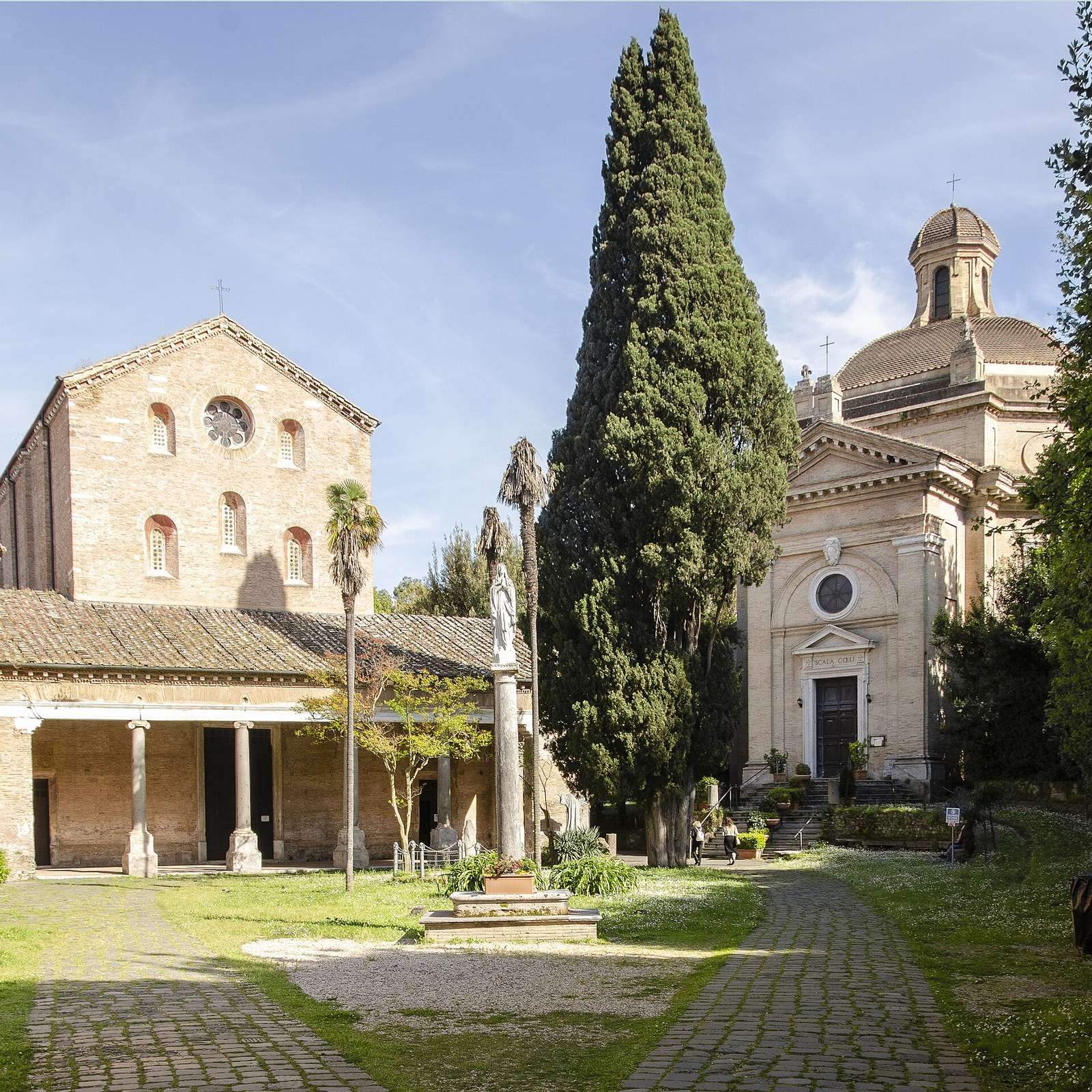
Santa Maria Scala Coeli is a church in Rome, Italy, rebuilt between 1582 and 1584 after its medieval predecessor fell into ruin. Its history is associated with early Christian traditions and a medieval vision that gave the church its name.
Early Christian traditions and chapel
An old tradition places the martyrdom of Tribune Zeno and 10,203 soldiers at the site in 298. It says the emperor Diocletian sent them to their deaths after the construction of the great baths. The reported total is probably exaggerated, though some enslaved workers who died building the baths may have been buried in catacombs on a nearby hillside. Another tradition identifies the church’s location as the place where the apostle Paul was imprisoned before his martyrdom.
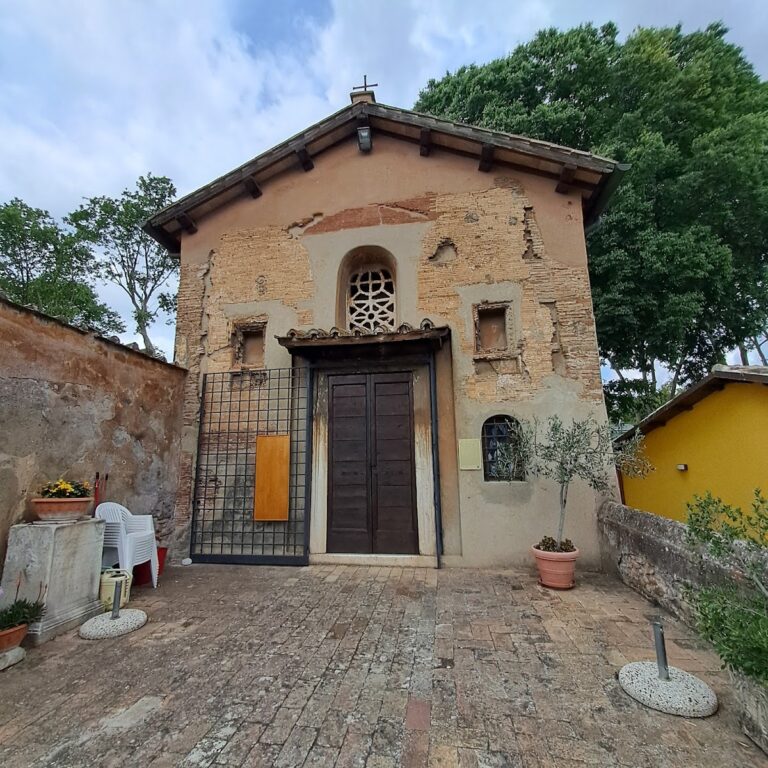
A chapel called Santa Maria Annunziata is known to have existed here by the seventh century. It was rebuilt during the Middle Ages and became known as Santa Maria Scala Coeli.
The medieval church and the Scala Coeli tradition
According to legend, Bernard of Clairvaux experienced a vision here in 1138 while celebrating a Mass for a deceased person and praying to the Virgin Mary. He saw souls in purgatory, the purification believed in Catholic teaching to precede heaven, ascend a long stairway and be received by the Virgin. The vision is said to have given the church the name Scala Coeli, meaning “Stairway to Heaven.”
The vision also became associated with an indulgence, a remission of temporal punishment for sin in Catholic teaching, for Masses celebrated for the dead at the church. The privilege was later extended to particular churches beyond Rome. In 1500, Henry VII of England received it for his new chapel at Westminster Abbey. By the 1520s, the practice was popular in England, where people commonly left bequests for Masses “at Scala Coeli.” By the sixteenth century, the medieval church had fallen into ruin.
Rebuilding and later religious use
Cardinal Alessandro Farnese commissioned Jacopo Barozzi da Vignola to design a replacement church. Giacomo della Porta carried out the building work from 1582 to 1584 under the patronage of Cardinal Pietro Aldobrandini.
Santa Maria Scala Coeli is one of three churches affiliated with the Trappist Abbey of Tre Fontane. The Trappists are a reform branch of the Cistercian monastic order; the other affiliated churches are Santi Vincenzo e Anastasio and San Paolo alle Tre Fontane. The Romanian Orthodox community in Rome, part of an Eastern Orthodox Christian church, had previously worshipped at a chapel near Via Cavour that had become too small. In November 2002, during the visit of Teoctist, Patriarch of Romania, Pope John Paul II formally granted Santa Maria Scala Coeli to the community.
Remains
Upper church
Plan and façade
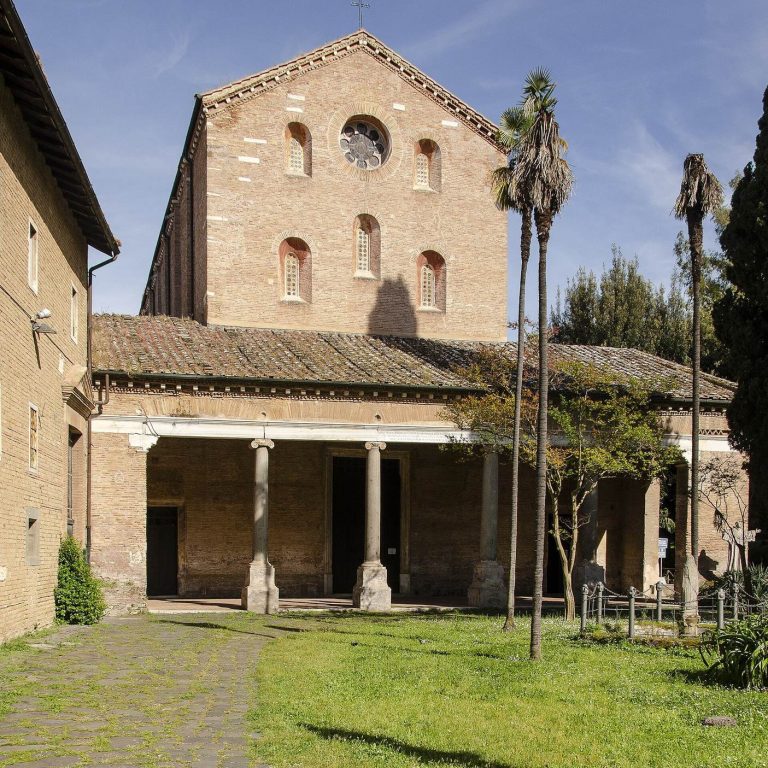
The church has an octagonal interior with three apses, or rounded sanctuary ends, and three corresponding altars dedicated to Zeno, the Virgin Mary, and Bernard. A dome and lantern crown the building. On the façade, the Farnese family arms appear with the inscription “Scala Coeli,” a small pediment, and a rose window. The cornice incorporates part of a marble screen bearing an inscription associated with Pope Nicholas I, who led the Catholic Church in the ninth century.
Scratched steps
Writing and drawings are scratched into the stone steps leading into the church. They may have been used to pass instructions from the architect to the builders.
Main altar mosaic
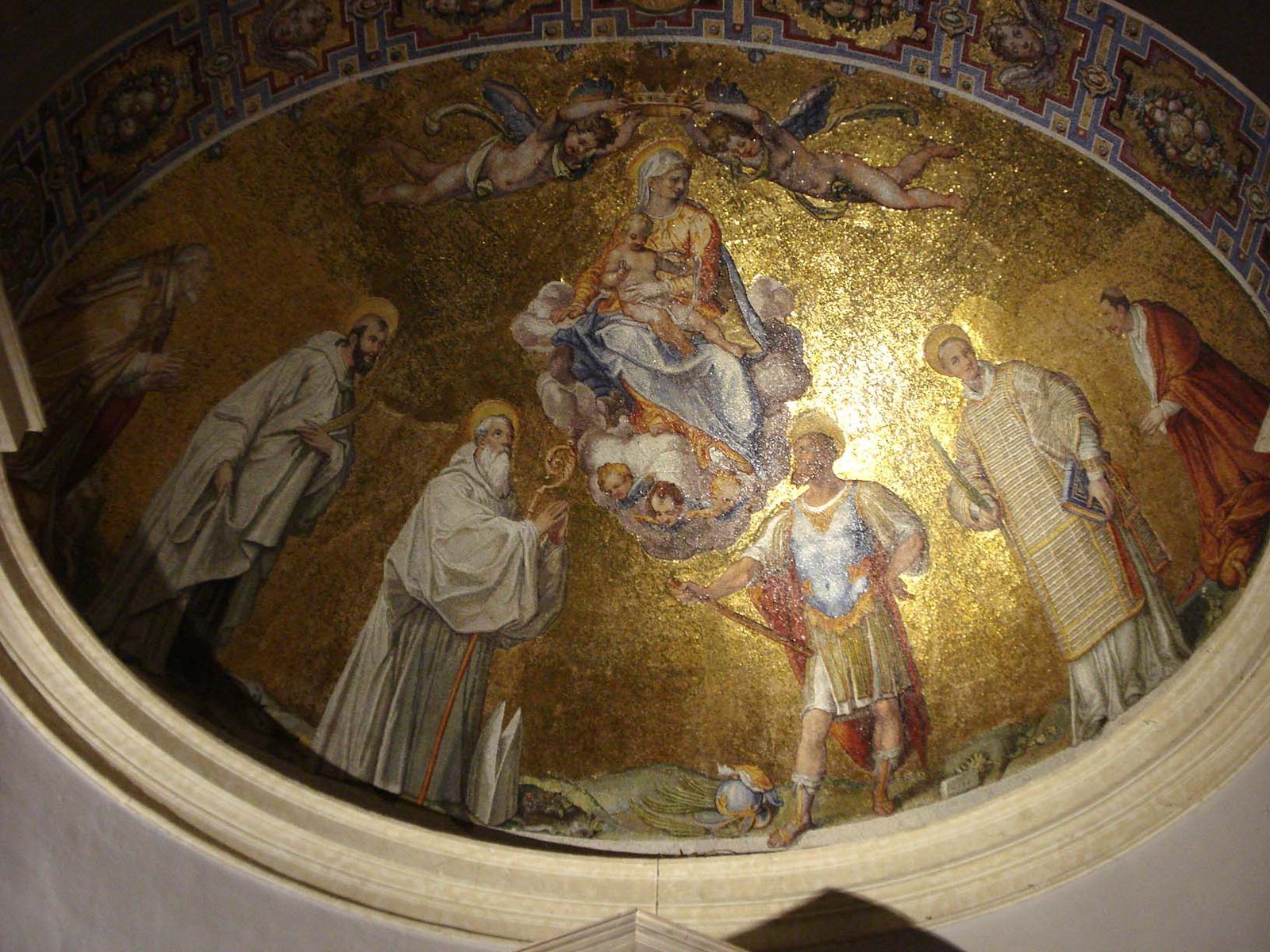
A gold-ground mosaic decorates the apse above the main altar. Francesco Zucchi made it after a design by Giovanni De Vecchi. The Virgin Mary, enthroned with the Christ Child, dominates a composition that also includes Tribune Zeno, Bernard of Clairvaux, and other figures. Farnese lilies recall Alessandro Farnese, who commissioned the work; Pietro Aldobrandini later had it altered to include kneeling likenesses of himself and Pope Clement VIII. Its gold background evokes early Christian art and refers to the gold-ground mosaics in the Chapel of San Zenon at the Basilica of Santa Prassede.
Side altars
The side altars hold a late sixteenth-century painting of the Vision of Saint Bernard by an unknown artist and an Annunciation from the same period. The Annunciation is attributed to Andrea Commodi and described as a copy or adaptation of a composition by Andrea del Sarto. An altarpiece showing Saint Zeno and his soldiers was stolen; the Roman painter Tata Mario made a faithful reproduction in the twenty-first century.
Crypt
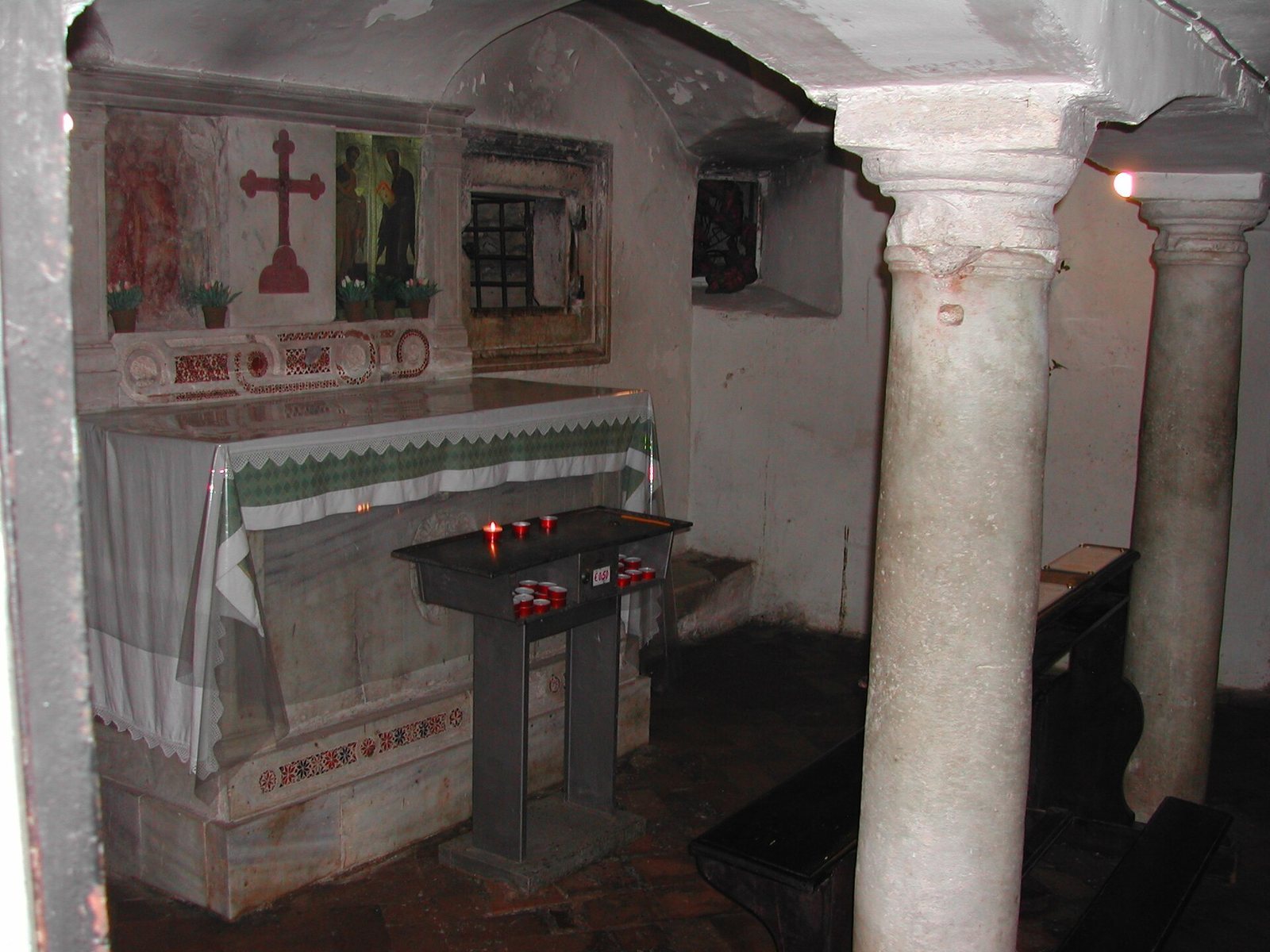
Two small ramps descend to the crypt, which stands over an ancient cemetery. Its thirteenth-century floor uses a medieval Italian technique of patterned inlays of colored stone and glass. Both the floor and the altar belong to the medieval church; the altar is identified as the one at which Bernard celebrated the Mass associated with his vision. A fragment of a third-century Christian funerary inscription is set among the floor’s mosaic stones. Two small windows flank the altar. One reveals a pagan altar dedicated to Dia, a Roman agricultural goddess worshipped by the Arval Brethren, a priestly college whose rites were linked to agricultural fertility. The other looks onto traces of an ancient Christian cemetery.