Castle Ellingshausen: A Renaissance Castle in Germany
Site at a Glance
- Popularity
- Very Low
- Country
- Germany
- Primary era
- Early Modern
- Eras represented
- Early Modern
- Civilizations
- Holy Roman Empire
- Site type
- Domestic
- Remains
- Castle
On this page4 sections
History
Medieval records and lordship
Castle Ellingshausen, in the center of its namesake settlement in Germany, was first mentioned in 923. That year, Ellingshausen also appears as Eigilgereshusen in a charter of Fulda Abbey, a major Benedictine monastery and church institution in medieval Germany. The settlement was initially held as a fief, or land granted under feudal obligations, from the Counts of Henneberg, a medieval noble dynasty with territories in Franconia and southern Thuringia.
Ellingshausen belonged to the Henneberg bailiwick, an administrative and judicial district, and later to the Maßfeld administrative district within the County of Henneberg-Schleusingen, a territorial line of the Henneberg family. In 1350, the settlement was granted to the Lords of Herda as a fief. It later separated from the Maßfeld district after judicial authority passed to its noble village lords.
Ownership and remodelling
The castle was repeatedly pledged and sold among noble families, including the von Schaumberg, von Wechmar, von Meusa, and von Herda families. The von Bose family held it from 1573 to 1820.
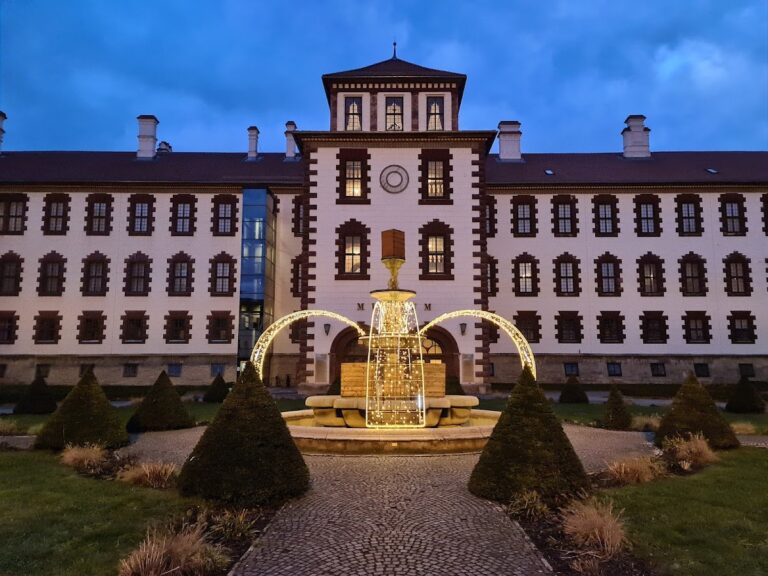
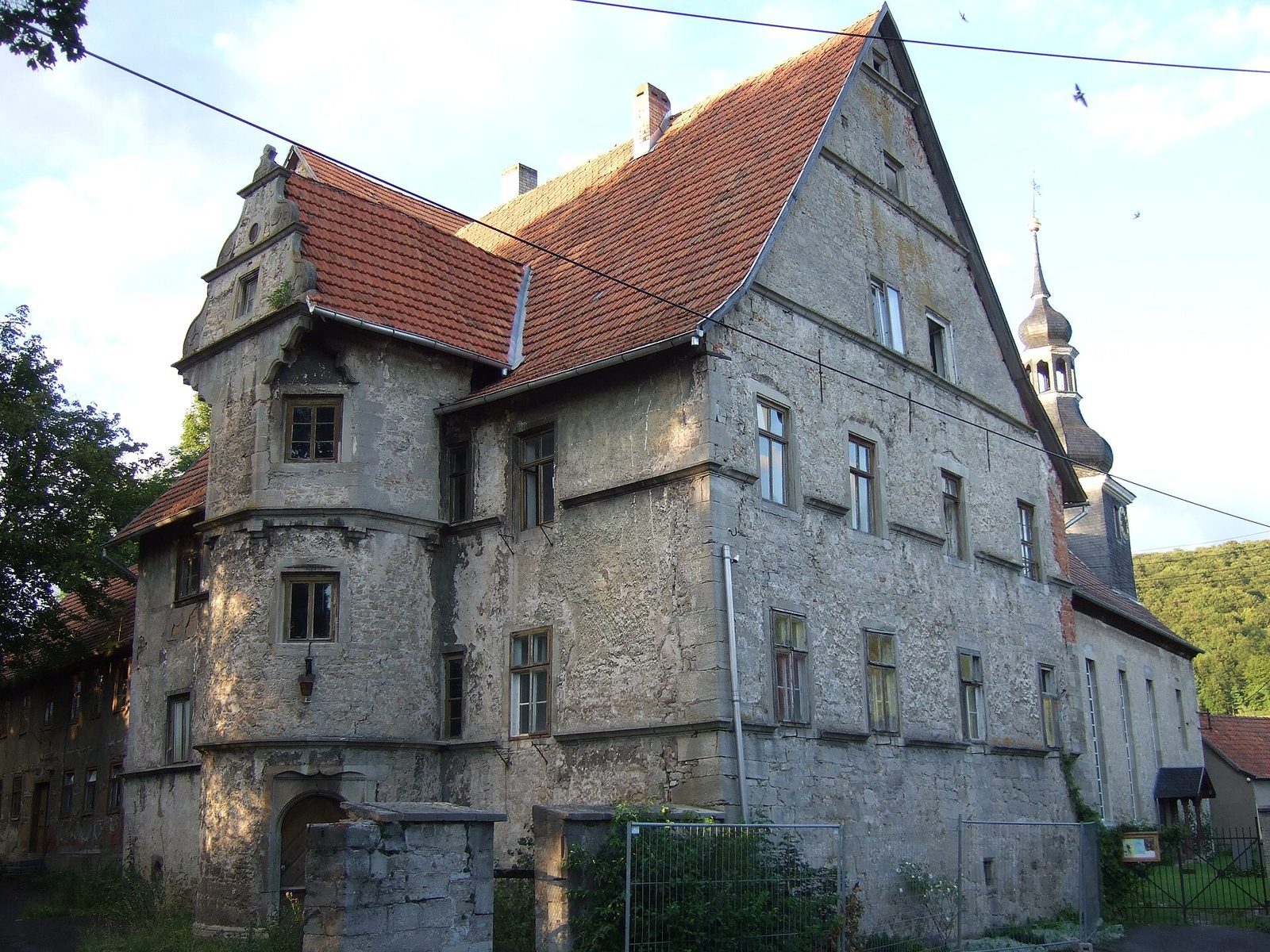
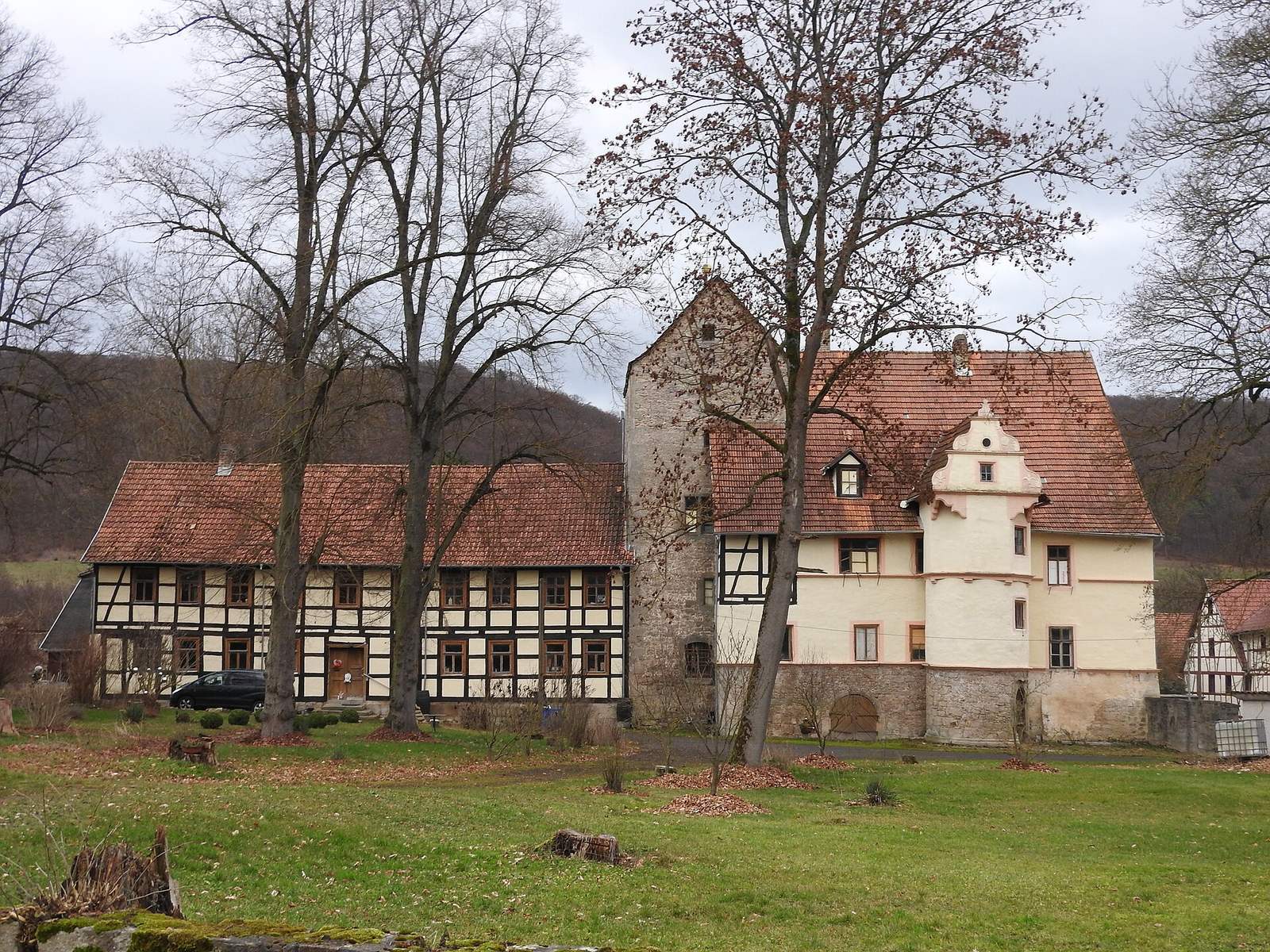
In 1604, the von Bose family remodeled the castle as a Renaissance palace. The Renaissance was a European cultural and architectural movement marked by renewed interest in classical forms. A further remodeling was completed in 1804.
The Counts of Bose owned the castle again from 1902 to 1945. It is now in private use and undergoing renovation.
Remains
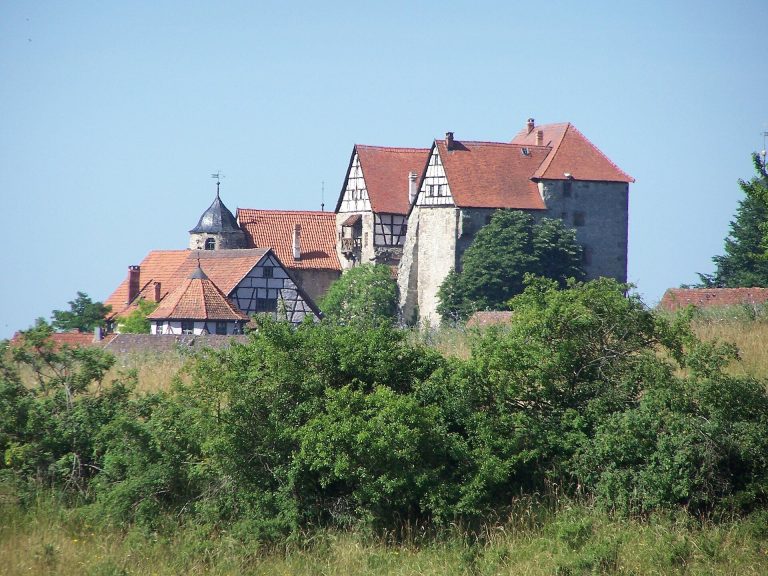
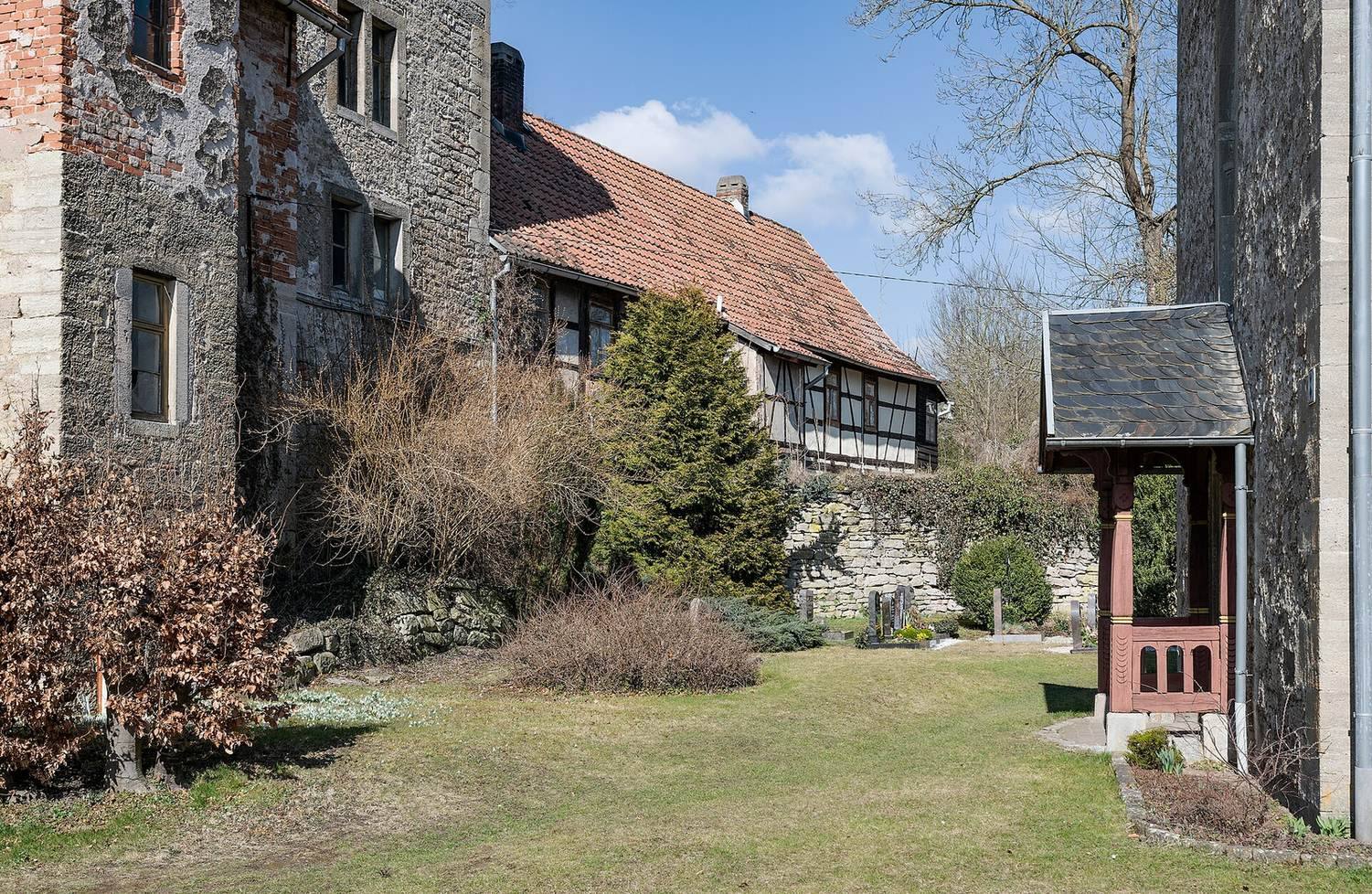
The castle stands in the center of Ellingshausen and is described as a Renaissance building. Its architectural features include a stair tower and a heated residential chamber.