Castle of Albisola Superiore: A Strategic Ligurian Fortress
Site at a Glance
- Rating
- 4
- Popularity
- Very Low
- Country
- Italy
- Primary era
- Early Modern
- External website
- Open
- Eras represented
- Early Modern
- Civilizations
- Genoese
- Site type
- Military
- Remains
- Castle
On this page8 sections
History
The Castle of Albisola Superiore is a ruined fortification in Italy, with origins that may reach back to Roman or pre-Roman times. It watched ships approaching nearby Albisola, identified with ancient Alba Docilia, and helped protect the territory and routes toward Stella. The castle was also known as Castellaro, a name often associated with Ligurian tribal settlements, though that connection does not establish when the fortification began.
Marquisal rule
By the tenth century, the Aleramici, a medieval ruling dynasty in northwestern Italy, held the surrounding territory within the March of Savona, a land governed by a marquis. Control later passed to a branch of the family, the marquises of Bosco. In a donation dated 1121-22, Marquis Ugo II del Bosco gave the castle to his son Guelfo d’Albisola. Guelfo established his marquisal court at Albissola. After his death without male heirs, his nephews transferred the court to Varazze.
Successive marquises of Albisola and Varazze ceded their territories to the communes of Genoa and Savona. These transfers formed the setting for conflict between Genoese Guelphs and Savonese Ghibellines, rival medieval factions broadly associated with papal and imperial interests, though local alliances could vary.
Genoese control and jurisdiction
On 22 April 1227, Guelph forces captured the castle after a lengthy siege. The campaign was also linked to the fall of the castle of Stella on 28 April, a stronghold associated with the Aleramian court at Varazze. After the Ghibelline defeat and the death of Holy Roman Emperor Frederick II in 1250, the Treaty of Varazze in February 1251 placed the western Riviera, including Savona, under Genoese jurisdiction. Albisola’s lands and its castle consequently came under Genoese control.
In 1343, an agreement between Genoese doge Simone Boccanegra, the republic’s chief magistrate, and the Ghibellines of the western Riviera confirmed the castle’s administration under Varazze’s chief civic magistrate. This jurisdiction continued until the Varazze administrative district was abolished in 1789.
Military use and abandonment
The castle was used by the Holy Roman Empire, the Republic of Genoa, and the Ligurian Republic, established under French influence in 1797. Its military purpose included protecting Albisola and the routes connecting it with Stella. In the seventeenth century, the fortification was strengthened to accommodate firearms. It was definitively abandoned in 1805 and has been designated Italian national heritage since 1935.
Remains
Fortification and underground features
Walls and plan
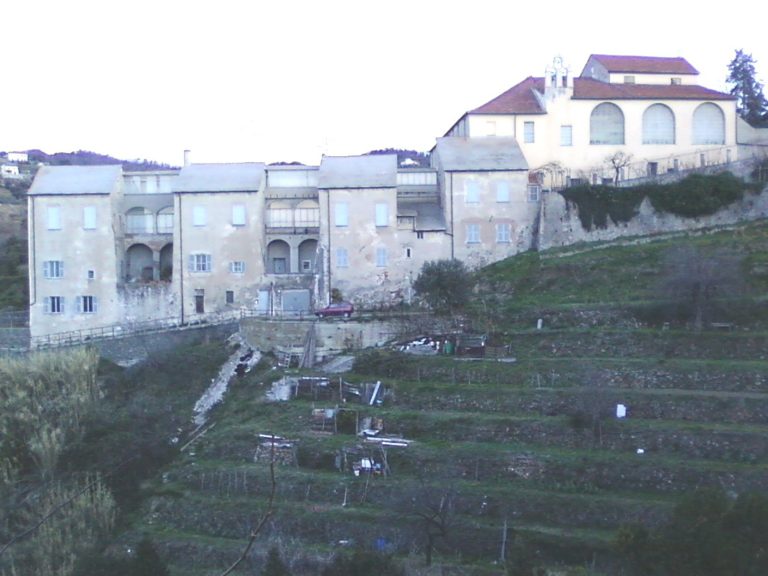
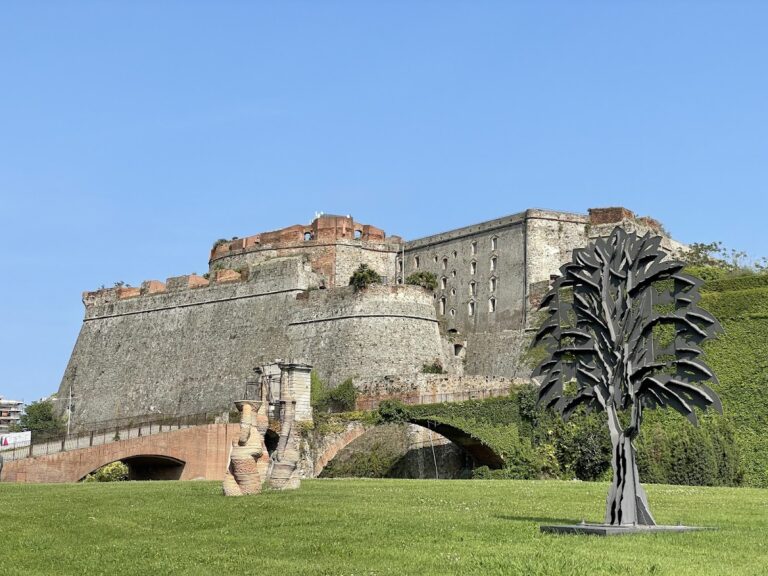
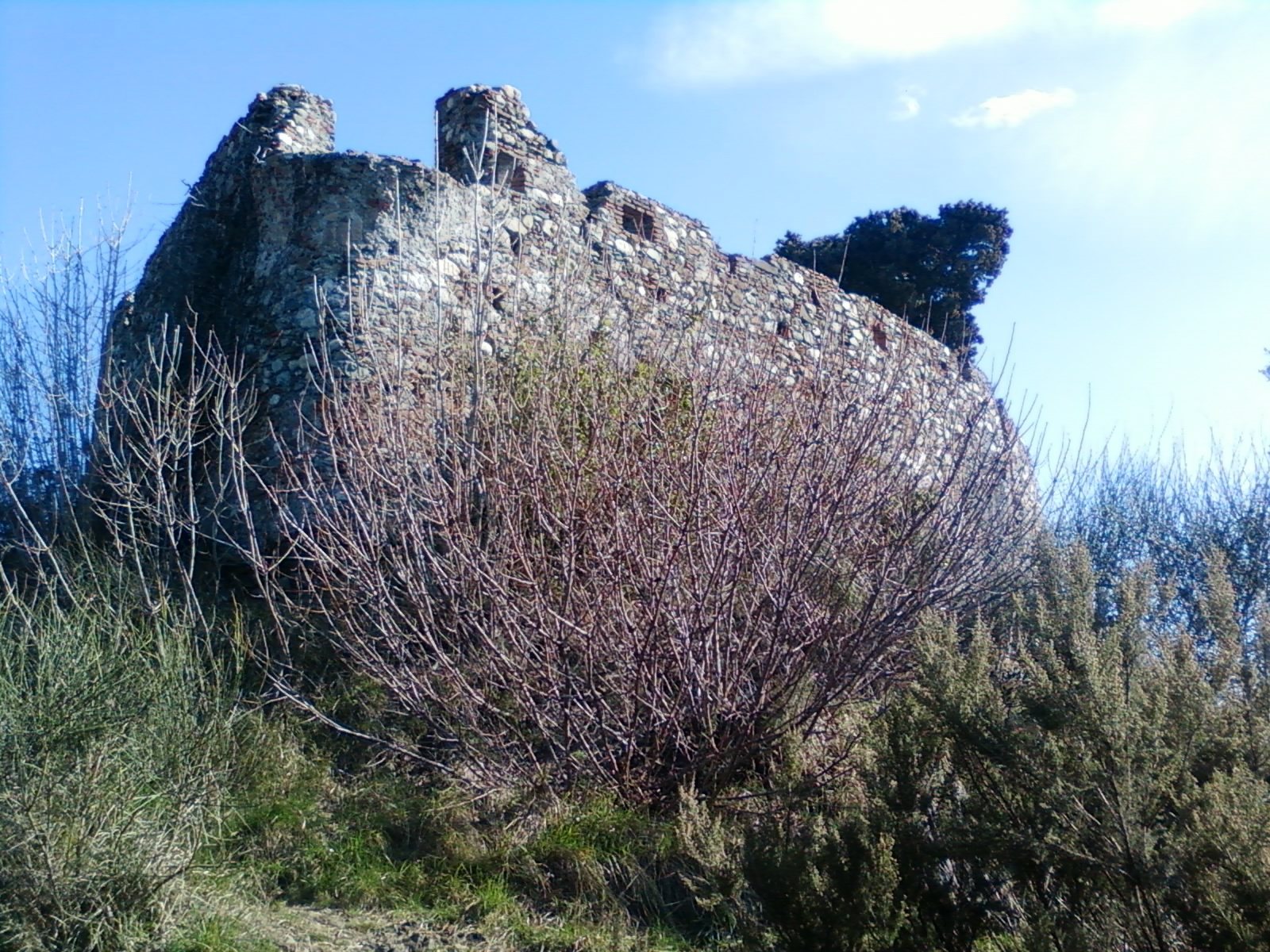
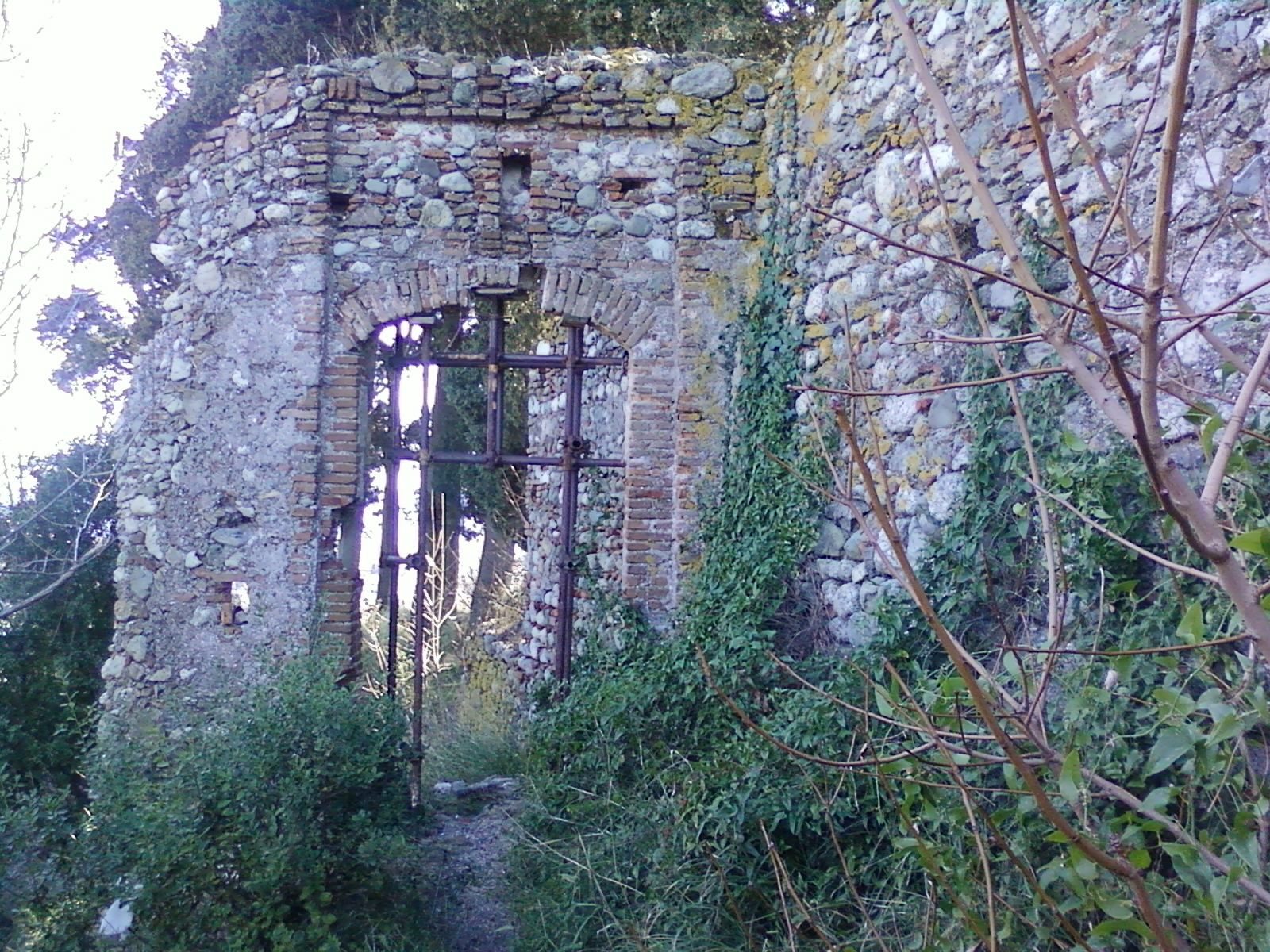
The ruins stand on Castellaro hill, near the parish church of San Nicolò and at the meeting of the Riobasco and Sansobbia valleys. The perimeter walls remain almost entirely, enclosing a plan resembling a ship, with its bow pointing northwest. The fortification occupies two levels, the bow forming the higher one. Its present form reflects modernization during the seventeenth and eighteenth centuries.
Entrance and passage
The entrance is on the east side, above a man-made cave thought to have served as a gunpowder store. Local tradition describes an underground passage linking the castle with the ruins of a Roman villa at Alba Docilia, opposite the railway station. Oral accounts from people who said they had travelled along a long stretch of the passage also support this tradition. Railway construction, followed later by the A10 motorway, made the route unusable and left its final section blocked.