Mürzsteg Hunting Lodge: An Imperial Hunting Retreat and Austrian Presidential Residence
Site at a Glance
- Rating
- 5
- Popularity
- Very Low
- Country
- Austria
- Primary era
- Modern
- Eras represented
- Modern
- Civilizations
- Austria-Hungary, Habsburg
- Site type
- Domestic
- Remains
- Elite Residence
On this page10 sections
History
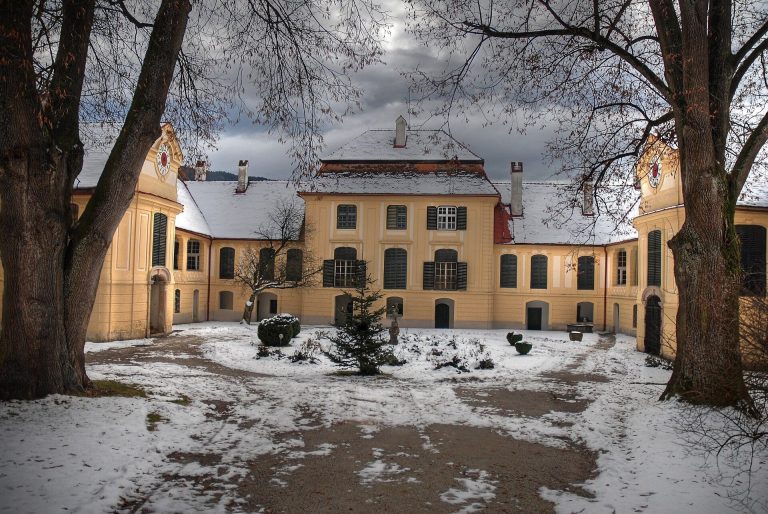
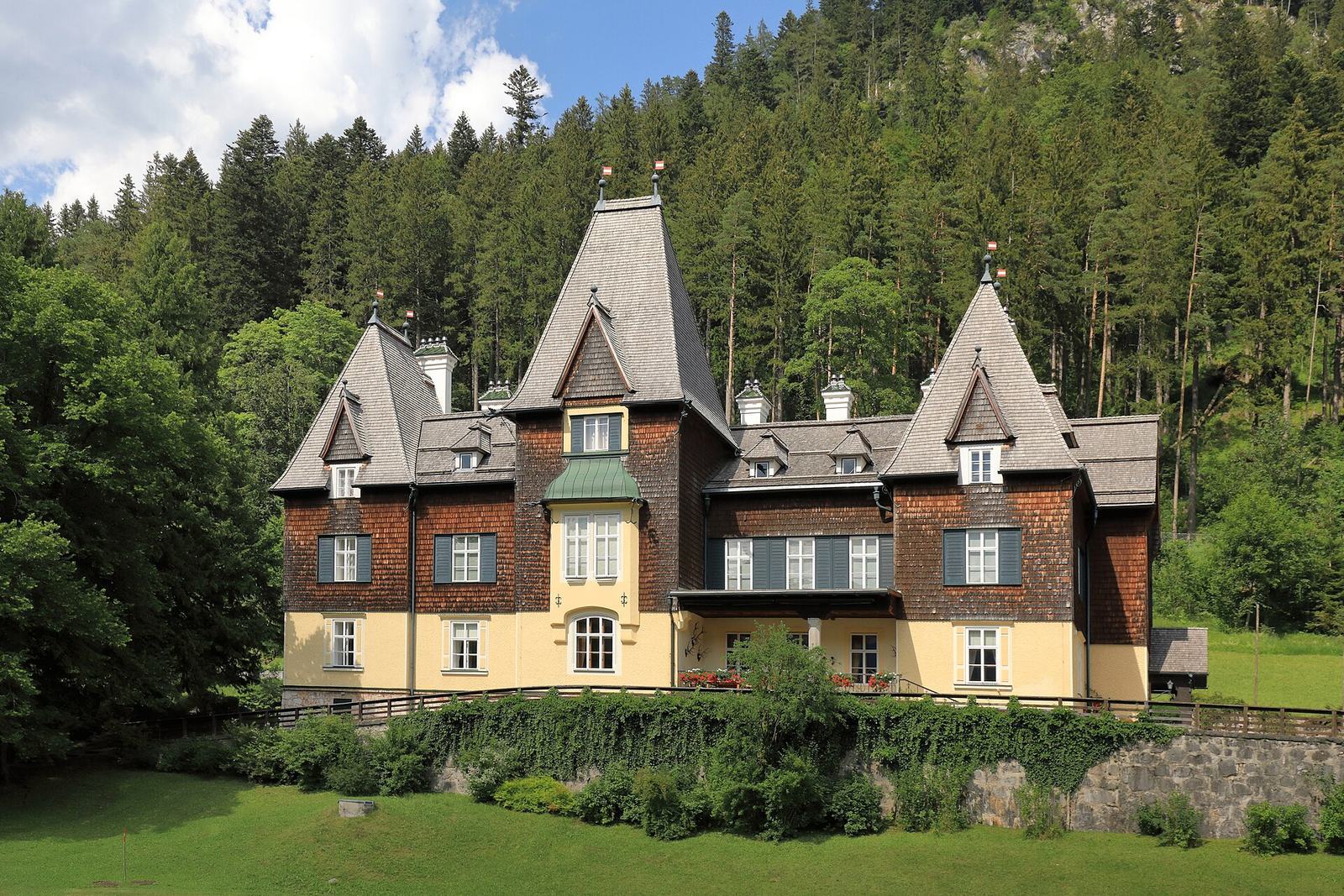
Mürzsteg Hunting Lodge is a small imperial hunting residence in Mürzsteg, Austria, built in 1869 in the Swiss style within the hunting grounds near Neuberg an der Mürz. Emperor Franz Joseph I, ruler of Austria and Hungary, paid for its construction himself. Intended for hunting parties rather than formal receptions, the lodge later became associated with imperial diplomacy and the Austrian presidency.
Imperial hunting lodge
Architects August Schwendenwein von Lanauberg and Johann Romano von Ringe, the court architect, prepared the plans. The original building proved too small, prompting enlargements in 1879 and 1903. A riding trail between Kuhhörndl and Hocheck was laid out in 1883 for Empress Elisabeth, Franz Joseph’s wife. An accomplished rider, she did not take part in the hunts.
The Mürzsteg Program
After its 1903 expansion, the lodge also hosted politically important meetings. Russia’s last emperor, Nicholas II, stayed with Franz Joseph from September 30 to October 3, 1903. On October 2, the two emperors met there with Franz Ferdinand, heir to the Austro-Hungarian throne, their foreign ministers and their ambassadors. The meeting finalized the Mürzsteg Program. Signed the following day, it set out principles for Austro-Hungarian and Russian policy in the Balkans.
Confiscation and wartime use
In 1919, under the postwar Habsburg Law, Austria confiscated the lodge as Habsburg family property held under rules restricting its transfer or division. It passed to the Republic of Austria. A small museum of imperial hunting memorabilia occupied the official rooms, while the remaining rooms were rented to summer guests.
The lodge stood mostly empty during the Second World War. Near the end of the conflict, Ferenc Szálasi, leader of Hungary’s Arrow Cross movement, hid the Hungarian crown treasure in the cellar while fleeing the advancing Soviet Red Army. The treasure included the Holy Crown of Hungary, coronation garments, a scepter, an orb, a sword and a relic of the right hand of Stephen I, Hungary’s first king.
Presidential residence
Since 1947, the lodge has served as the summer residence and second official seat of Austria’s president. Karl Renner was the first president to use it. The Republic of Austria retains ownership, and the Burghauptmannschaft Österreich, the state authority responsible for administering historic properties, manages the building. Renovations have taken place repeatedly, while the official rooms have remained essentially unchanged.
Remains
Lodge and grounds
Exterior form
The lodge is a compact building in the Swiss style. Its upper floor is covered with wooden shingles, and three towers, each three storeys high, have steep roofs.
Interior
The interior is simply furnished and includes paintings by Austrian artists Rudolf von Alt and Franz von Pausinger.
Park and water supply
A park was laid out around the lodge in 1886. Water pipes were installed in the building that same year.