Borša Castle: Renaissance Fortress and Rákóczi Birthplace
Site at a Glance
- Popularity
- Medium
- Country
- Slovakia
- Primary era
- Early Modern
- Eras represented
- Medieval, Early Modern
- Civilizations
- Habsburg, Hungarian
- Site type
- Military
- Remains
- Castle
On this page7 sections
History
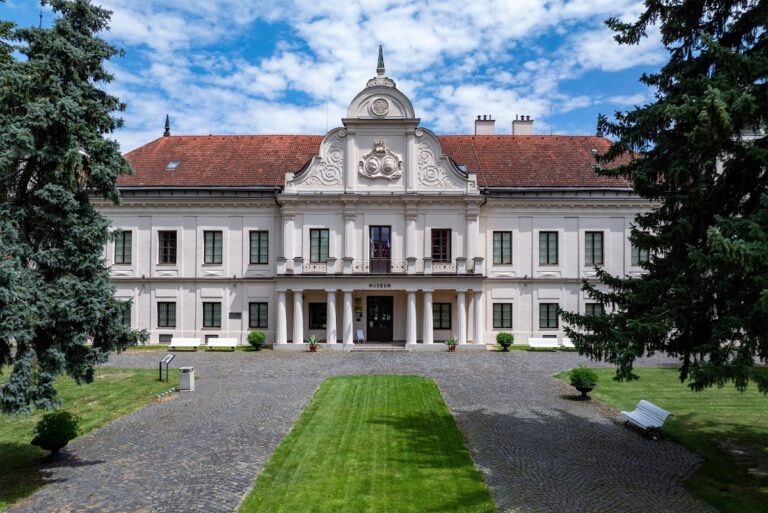
Borša Castle is a Renaissance stronghold in Slovakia, built in 1570 using the remains of an earlier fortress. A medieval water castle, a fortified residence protected by water-filled moats, came before the stone predecessor, which probably dates to the early thirteenth century. Miklós Zeleméry Kamarás commissioned the Renaissance building. The castle is best known as the birthplace of Francis II Rákóczi, born there on 27 March 1676.
The Rákóczi family and later damage
The castle passed to the Lórantffy family in 1602 and to the Rákóczi family in 1616. Francis II Rákóczi, a Hungarian nobleman and national hero, led the Kuruc, Hungarian insurgents who opposed Habsburg rule. He stayed at Borša only briefly and grew up mainly at Munkács Castle, now called Palanok Castle, in Ukraine. During uprisings involving Hungary’s privileged estates, the castle suffered damage more than once. Modest repairs followed in the eighteenth century and again in the twentieth.
Changing borders and postwar use
The 1920 Treaty of Trianon, the peace settlement that redrew Hungary’s borders after the First World War, placed the settlement of Borsi and its castle within Czechoslovakia. The settlement was subsequently called Borša. In 1938, the First Vienna Award transferred the area from Czechoslovakia to Hungary; at the time, Hungary was under the regency of Miklós Horthy.
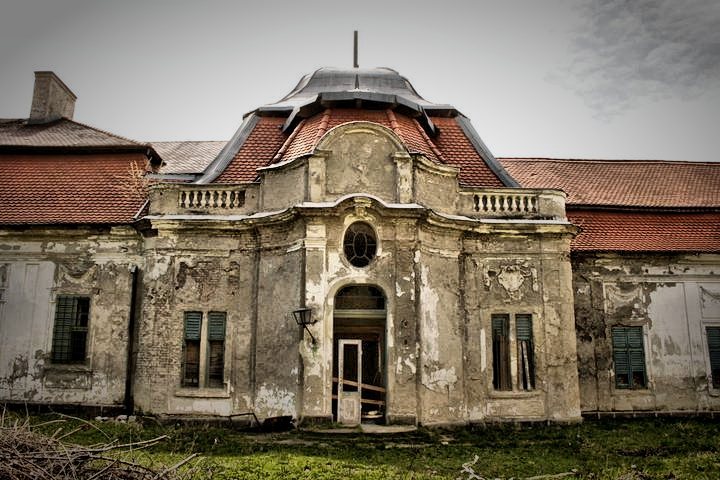
A small museum occupied the castle during the Second World War. After Czechoslovakia was restored in 1945, the building served partly as storage and partly as a primary school. Poor maintenance contributed to its gradual deterioration.
Restoration and museum use
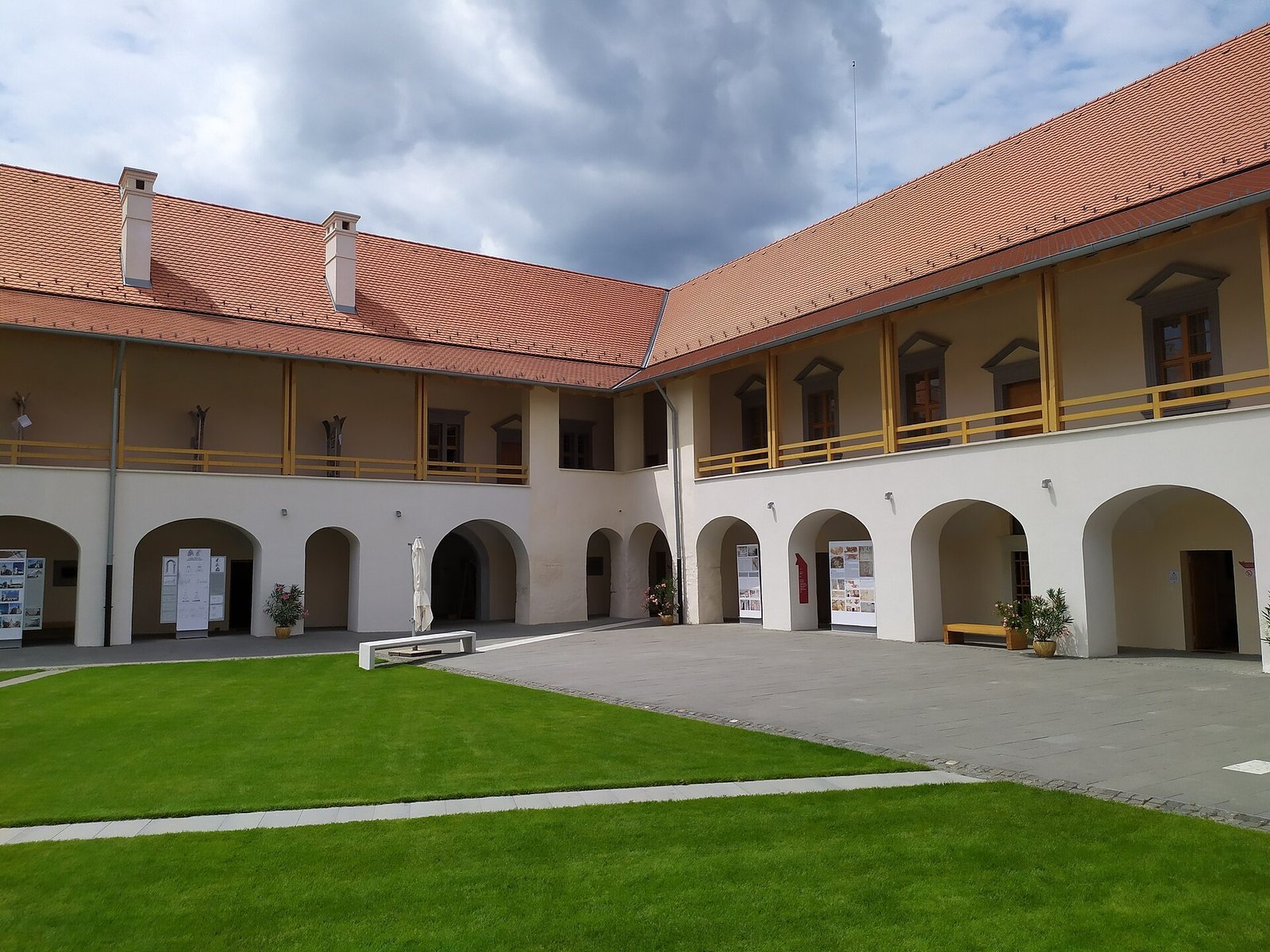
The municipality acquired the property in 1990 and pursued its restoration. A joint investigation by Slovak and Hungarian heritage-protection associations in 1998 preceded renovation work, which advanced slowly at first. In 2013, Slovak president Ivan Gašparovič and Hungarian president János Áder agreed to support the project. Comprehensive renovation began in 2018 and was completed three years later. The castle now houses a museum about Francis II Rákóczi.
Remains
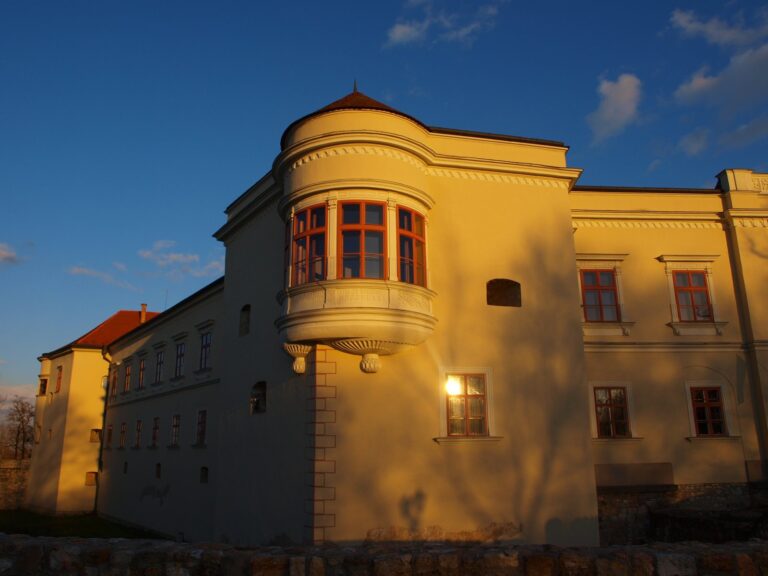
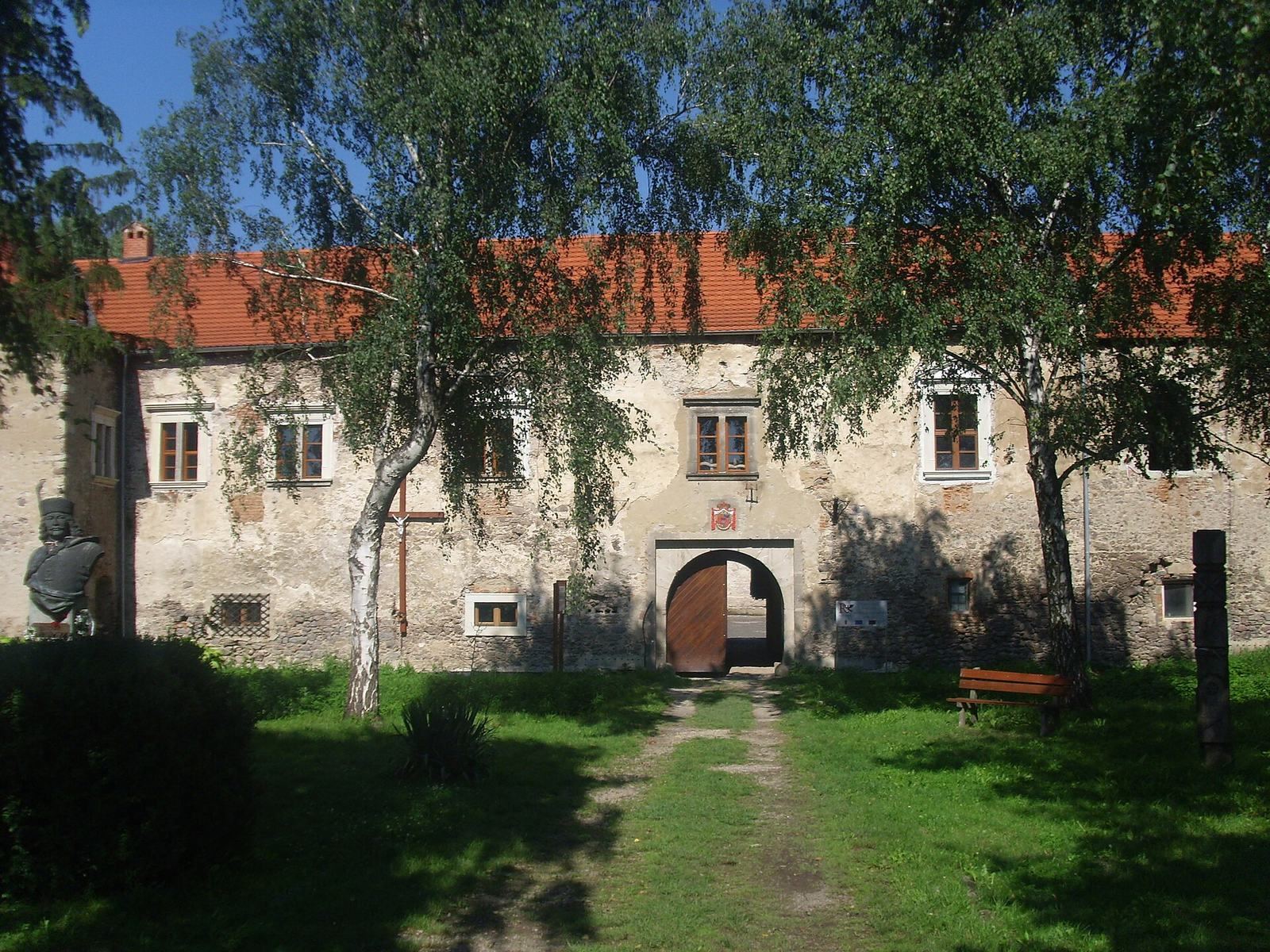
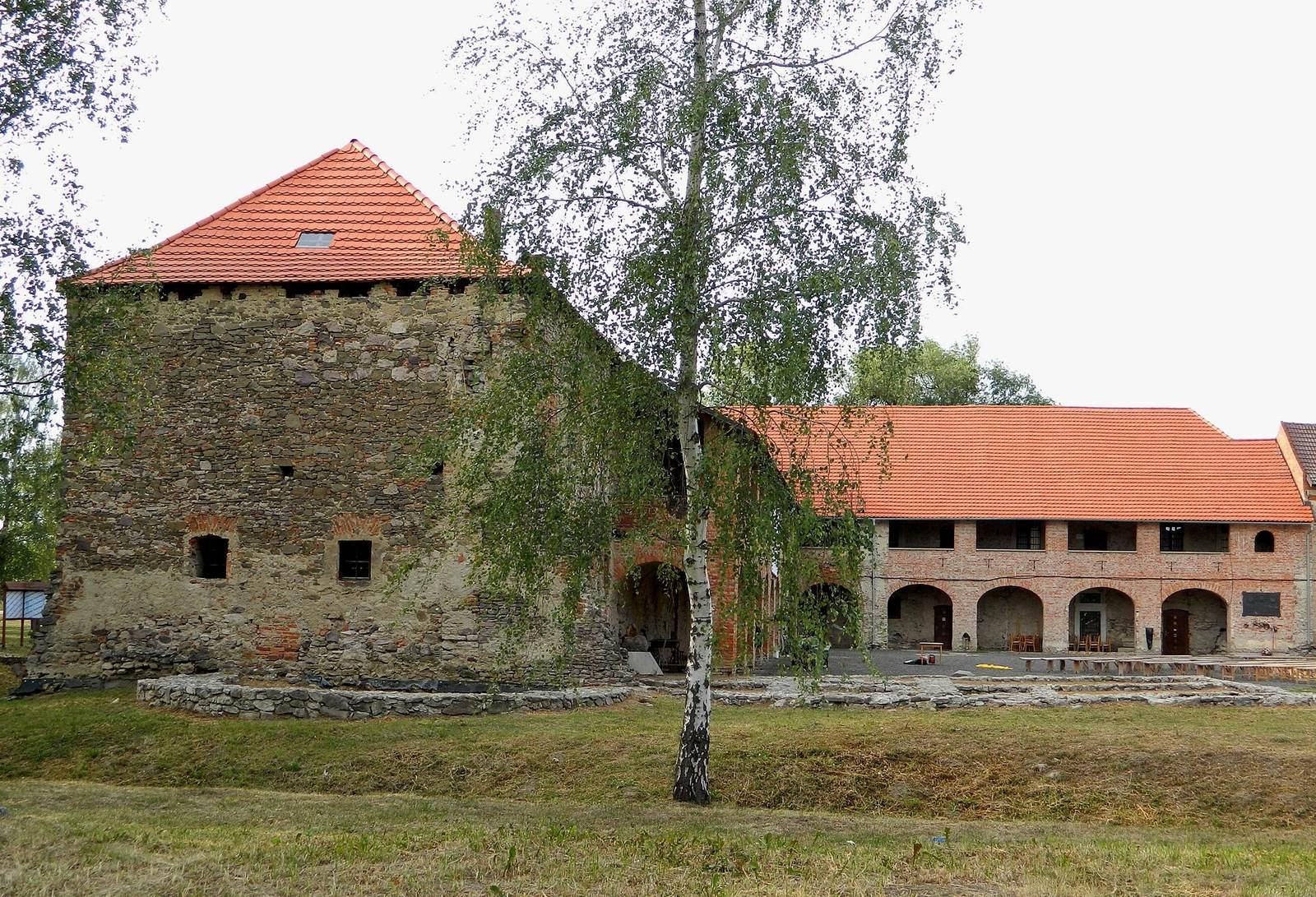
The castle stands in southern Borša, near the right bank of the Bodrog and about one kilometre from the Slovak-Hungarian border. Its original plan was L-shaped; later service buildings expanded the complex into an irregular U-shaped layout.
Plan and water defenses
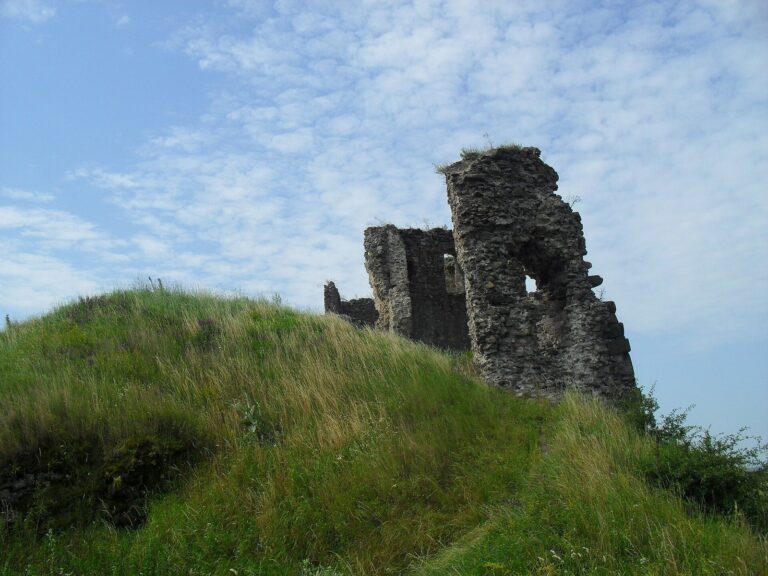
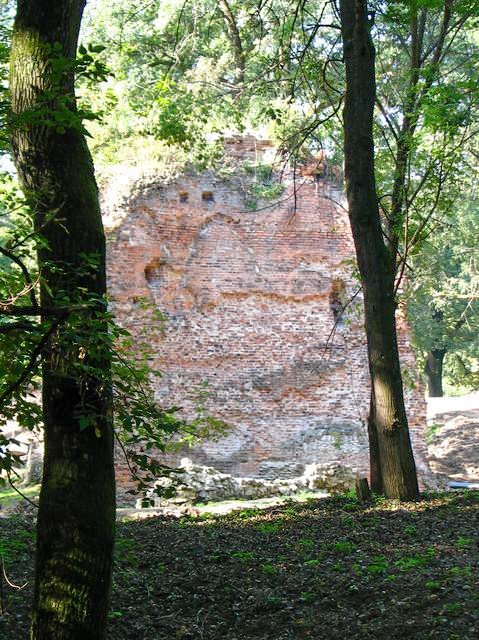
The medieval predecessor was protected by moats supplied with water from the Bodrog, and sections of the old moats survive. At the junction of the two older wings, a bastion, or projecting defensive structure, may preserve part of a medieval defensive tower.
Interior and grounds
Renaissance-era arched ceilings remain inside the castle. Only a small portion of the former park survives, as village houses cover most of its area. A bust made by J. Mayer in 1907 commemorates Rákóczi’s birth at the castle.