Lannach Castle: A Historic Residence and Site of Nazi-Era Forced Labor
Site at a Glance
- Popularity
- Medium
- Country
- Austria
- Primary era
- Early Modern
- Eras represented
- Early Modern
- Civilizations
- Duchy of Styria, Habsburg, Holy Roman Empire
- Site type
- Domestic
- Remains
- Castle
On this page5 sections
History
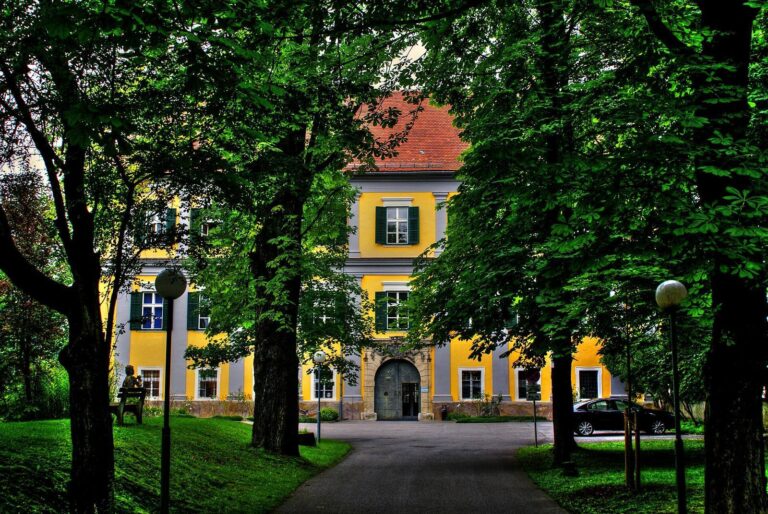
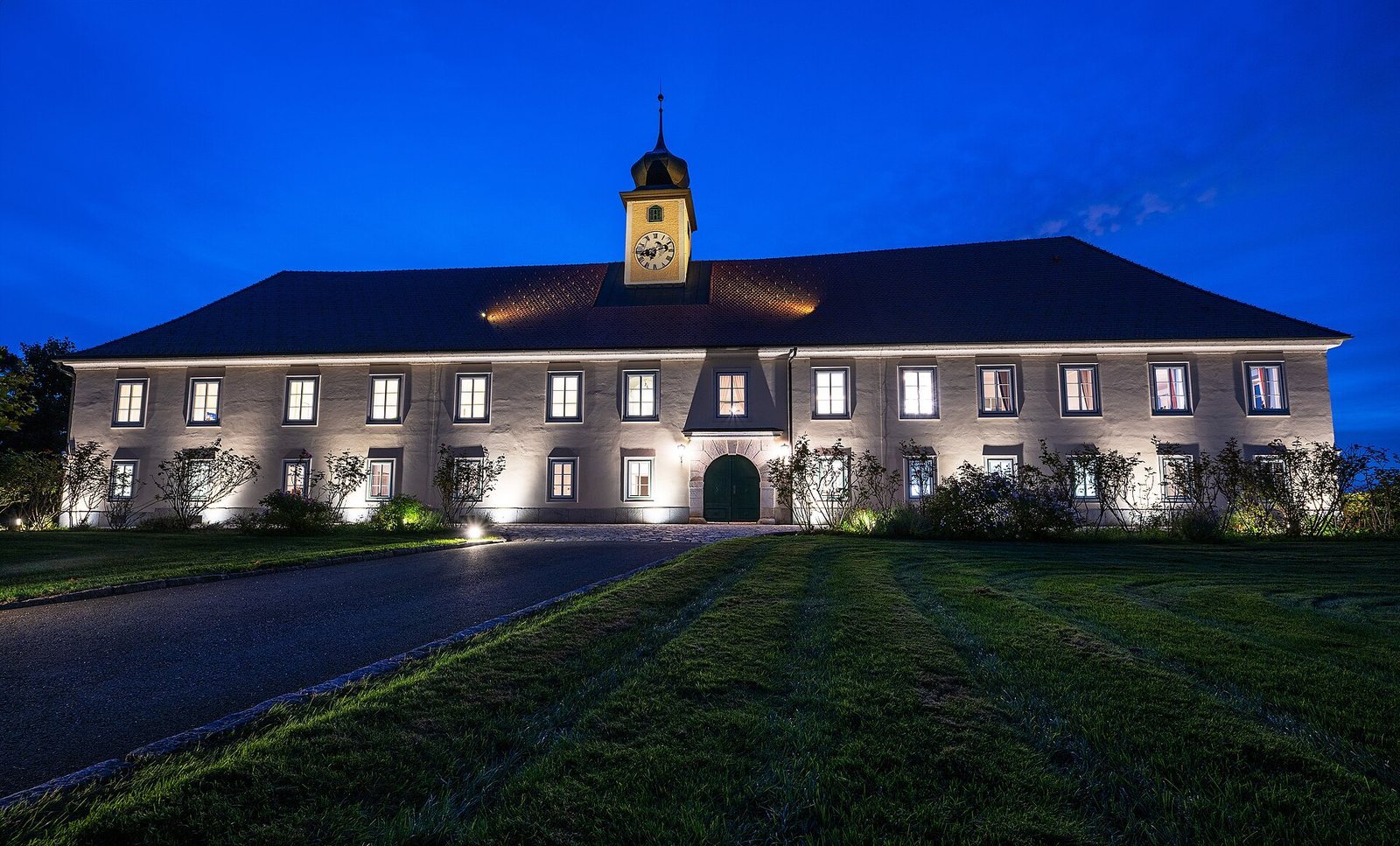
Lannach Castle stands in the municipality of Lannach, Austria, in the Kainach Valley southwest of Graz. Christof von Galler built it between 1590 and 1610. Over the centuries, the castle became a residence, an industrial site, and a place of Nazi-era forced labor.
Aristocratic ownership and industrial use
The Lords of Lannach were based at the site from the 14th century, followed by the Galler family in the first half of the 15th century. A fire badly damaged the castle in 1714, but it was restored soon afterward. In the 19th century, it belonged to the Barons von Mandell. Franz Kandler acquired it in the 20th century and established a roof-tile and earthenware factory there.
Nazi-era research and forced labor
Under Nazi rule, the castle housed the SS Ahnenerbe Institute for Plant Genetics. The Ahnenerbe was a research organization within the SS, a major Nazi organization, and the institute was headed by Heinz Brücher, a German botanist and geneticist. A concentration-camp detachment also operated at the castle. Lannach’s unit was subordinate to the satellite camp at Mittersill Castle, a dependent camp or work site. That camp was attached to Ravensbrück, a Nazi concentration camp, until March 1944, and to Mauthausen, another Nazi concentration camp, from then onward.
Nine Jehovah’s Witness women, members of a Christian movement persecuted under Nazi rule, were imprisoned at Lannach as forced laborers and made to work for the institute. The Red Army, the armed forces of the Soviet Union, liberated them on 9 May 1945.
Postwar use and historical inquiry
British occupation troops were stationed in the castle during the first postwar years. From 1945, sculptor Rodolfo Zilli had a studio there. Zirm and Loew founded Lannacher Heilmittel GmbH in Lannach in 1947. Between 1966 and 1980, Leopold Bartenstein and his wife, Hannelore, acquired a majority share in the company. G.L. Pharma later formed through the merger of Lannacher Heilmittel GmbH and Vienna-based Gerot Pharmazeutika. The Bartenstein family continues to own the company, which is headquartered in the castle.
In August 2006, owner Martin Bartenstein drew controversy after saying he had not known about the concentration-camp detachment at the castle in 1944 and 1945. He commissioned Graz historian Stefan Karner to investigate the castle’s history and the forced laborers. The resulting study detailed the women’s lives and working conditions there.
Remains
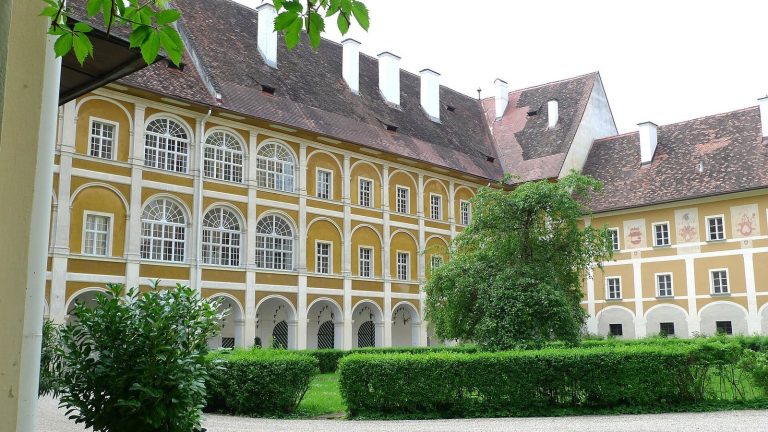
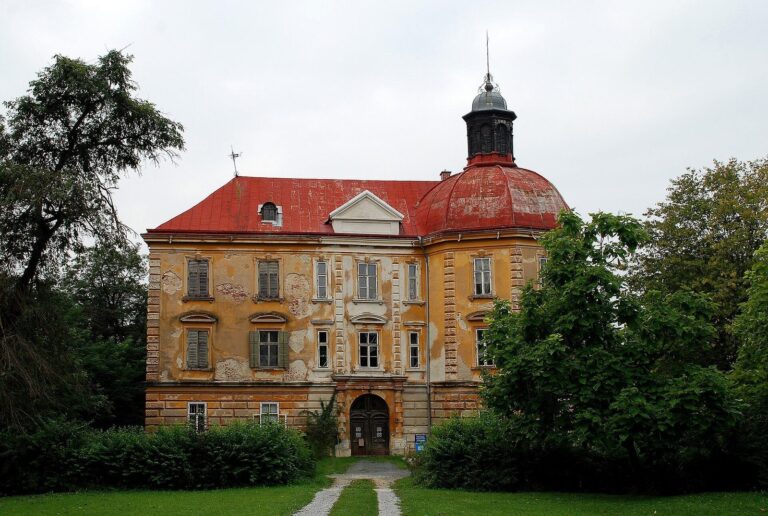
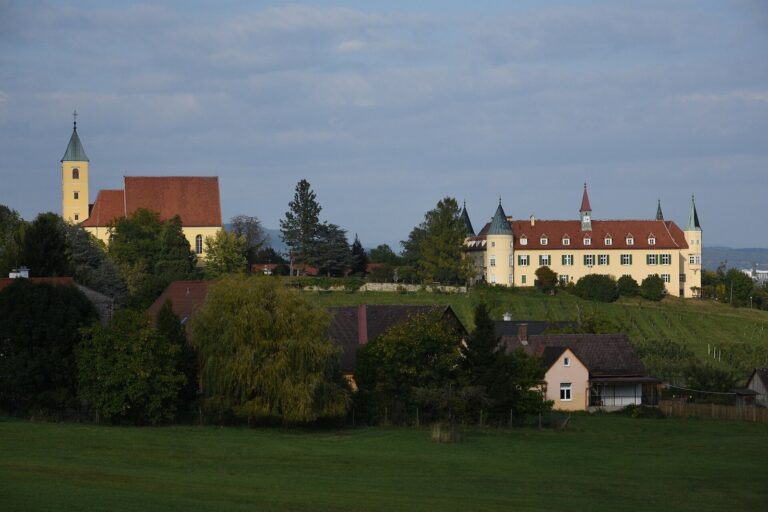
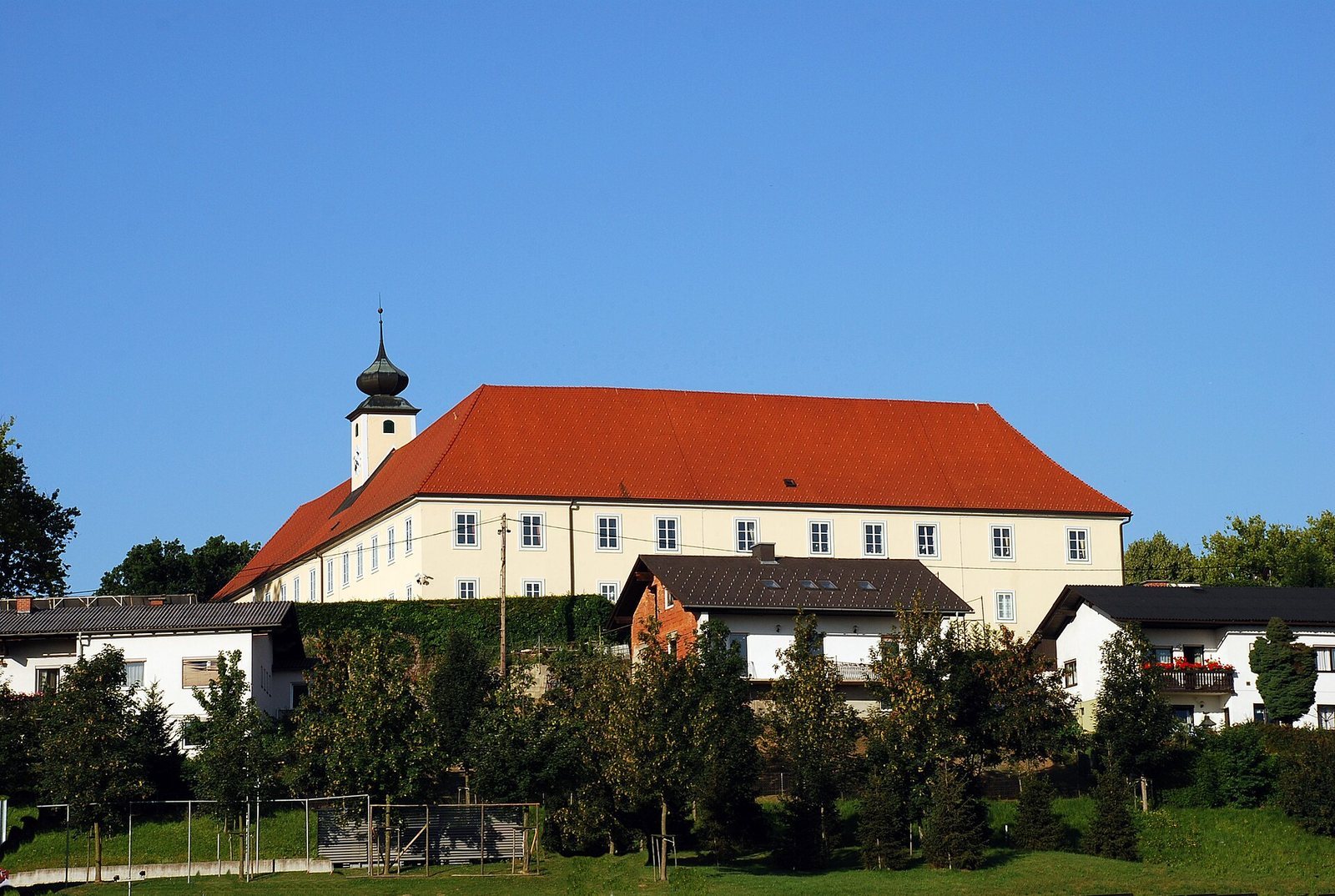
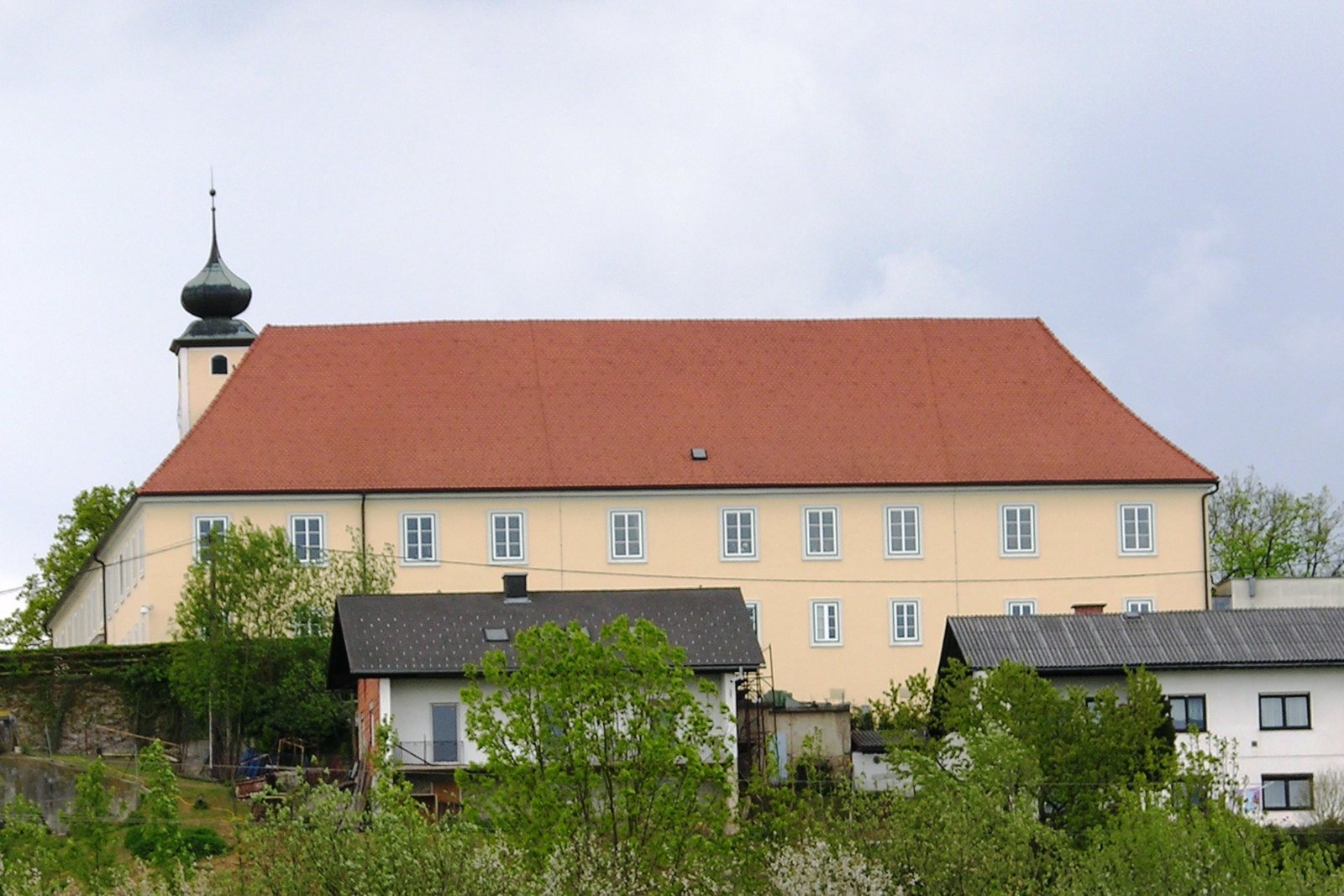
Lannach Castle has a four-wing layout. It stands in the Kainach Valley, in the municipality of Lannach southwest of Graz.