The Manor: A Medieval House in Hemingford Grey
Site at a Glance
- Popularity
- Medium
- Country
- United Kingdom
- Primary era
- Medieval
- Eras represented
- Medieval
- Civilizations
- English
- Site type
- Domestic
- Remains
- House
On this page6 sections
History
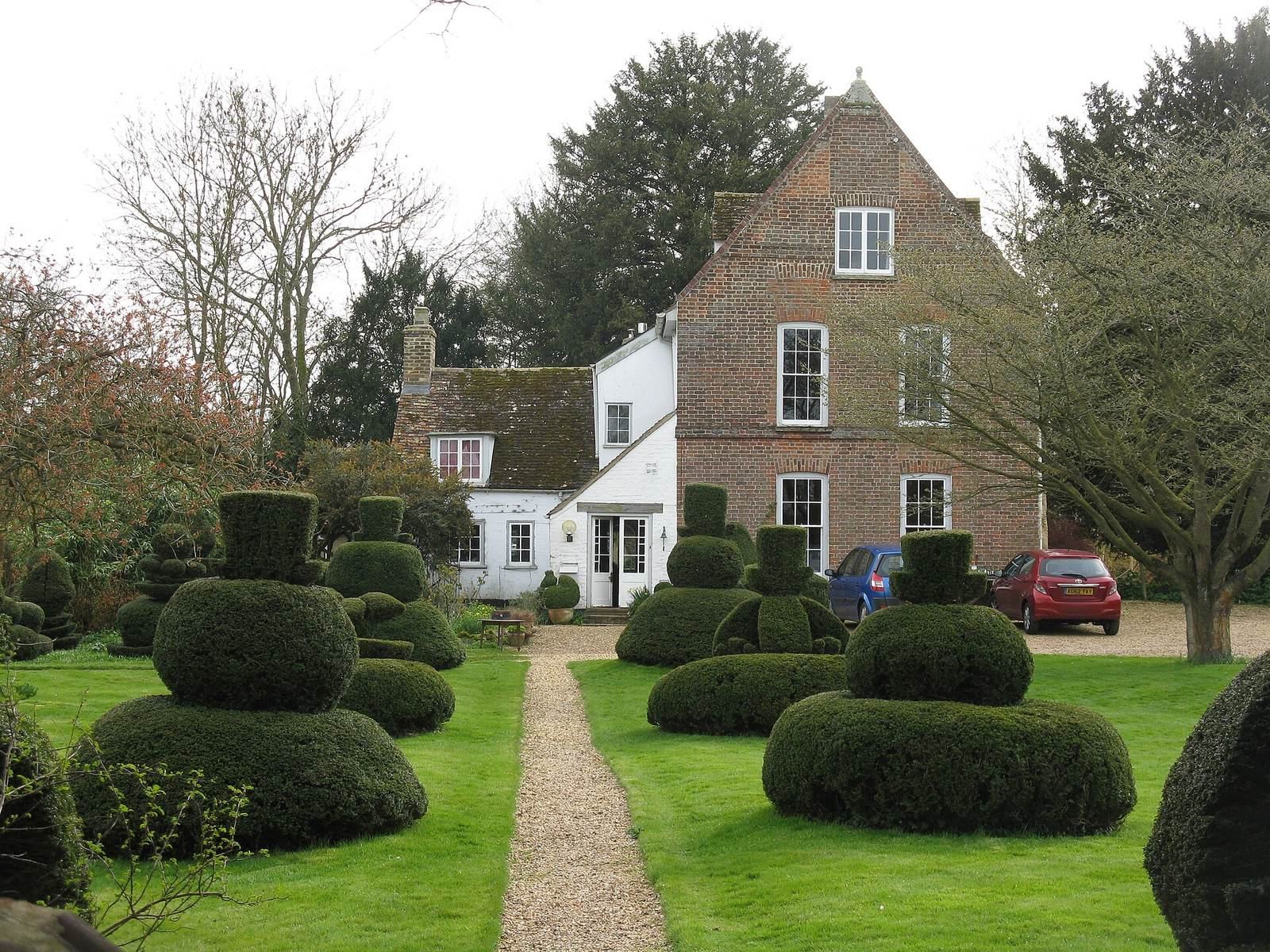
The Manor is a medieval house in Hemingford Grey, Cambridgeshire, in the United Kingdom. It was built around 1160, though its origins may reach back to the 1130s. The house is among Britain’s oldest continuously inhabited homes. Claims that it is the oldest are disputed; the house officially recognized as Britain’s oldest continuously occupied is in Saltford.
Residents and literary associations
In the early eighteenth century, sisters Maria and Elizabeth Gunning lived at The Manor. They became prominent in fashionable British society, where their beauty attracted attention. The poet William Cowper saw them while walking his dog beside the river and compared them to graceful nymphs. Maria later married the Earl of Coventry. Elizabeth married first the Duke of Hamilton and then the Duke of Argyll; in the British peerage, a duke ranks above an earl. She had two sons with each husband, and all four became dukes.
From the late nineteenth century, the watercolour painter Robert Winchester Fraser (1848–1906) rented the house for many years. Several artists in the Fraser family painted the house and its gardens.
Lucy M. Boston bought the house in 1939 and gave it the name Green Knowe. She set several books there and, during the Second World War, gave gramophone recitals for nearby airmen.
Remains
House and garden
The House
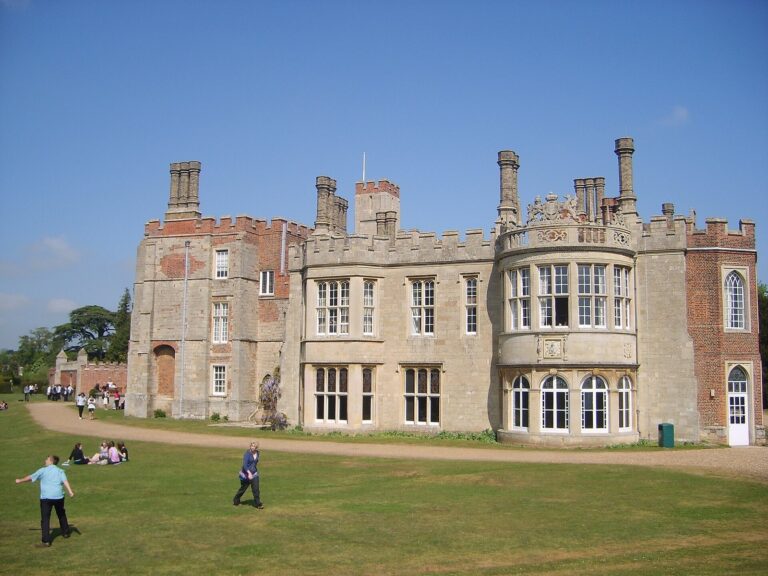
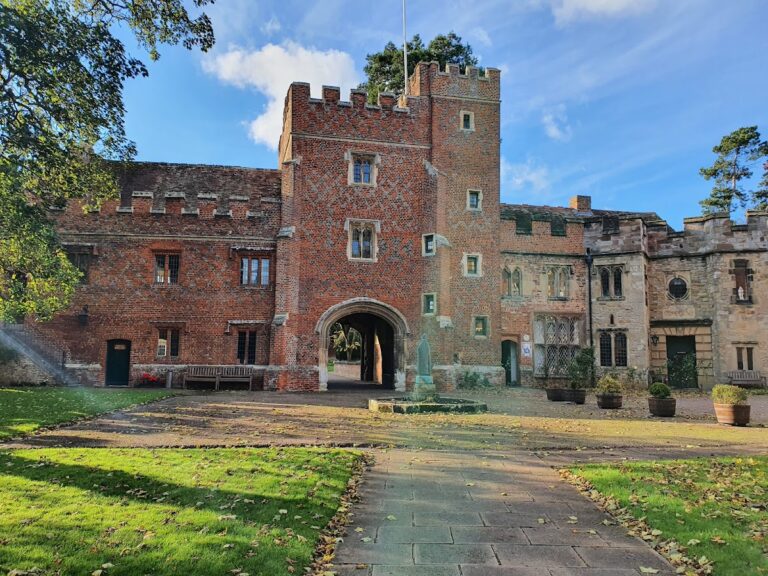
Much of the house’s original fabric survives despite alterations over roughly nine centuries. Its appearance remains much as it was when Boston died in 1990. Nearly all the features represented in her books can be found at the house, apart from the fictional St Christopher associated with its side.
The Garden
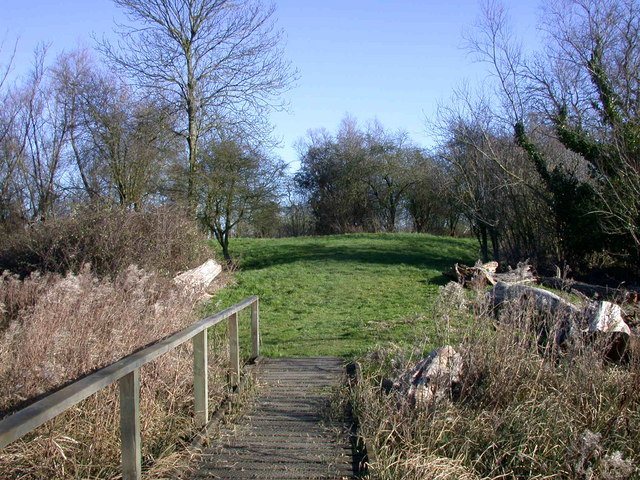
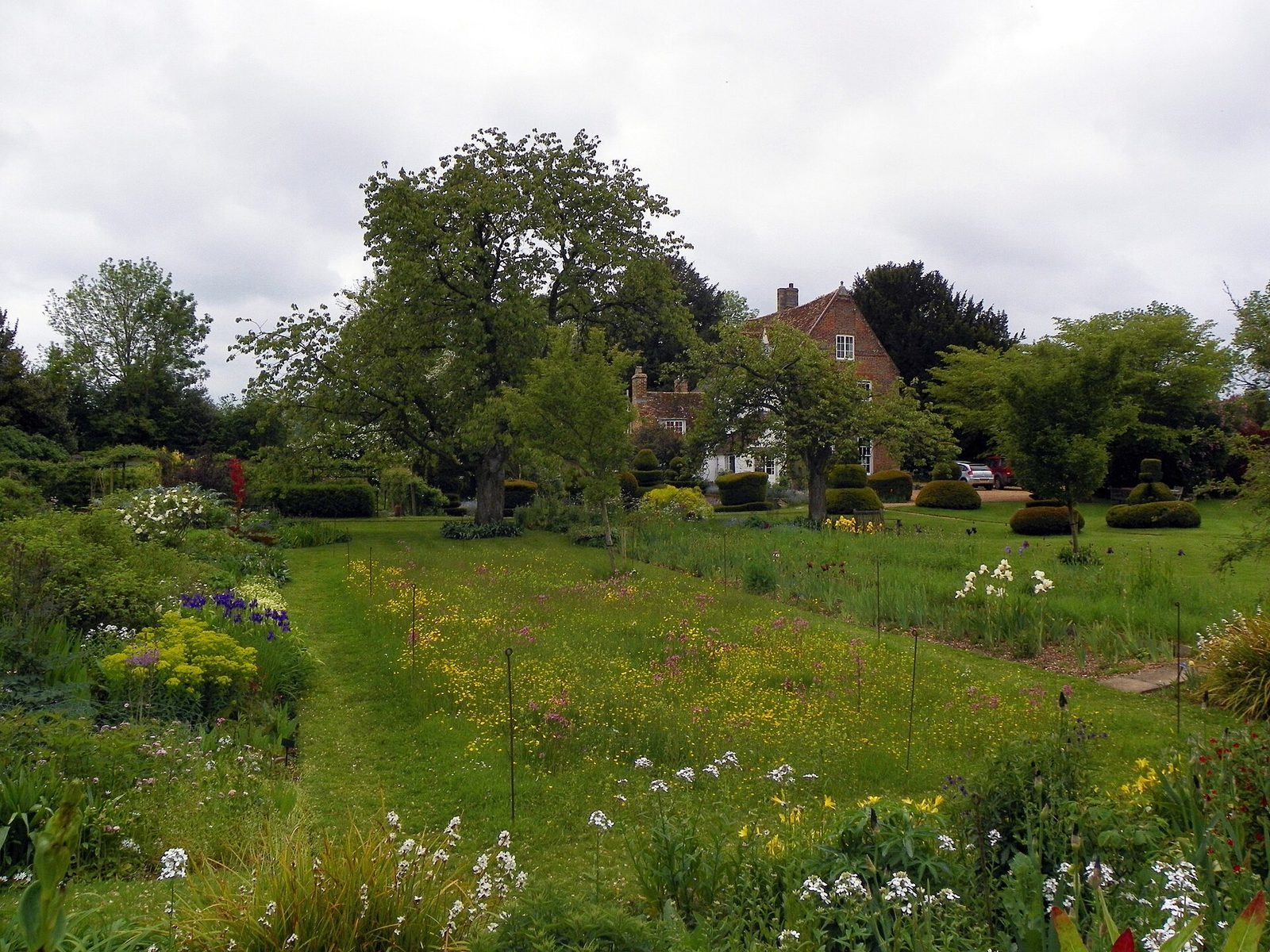
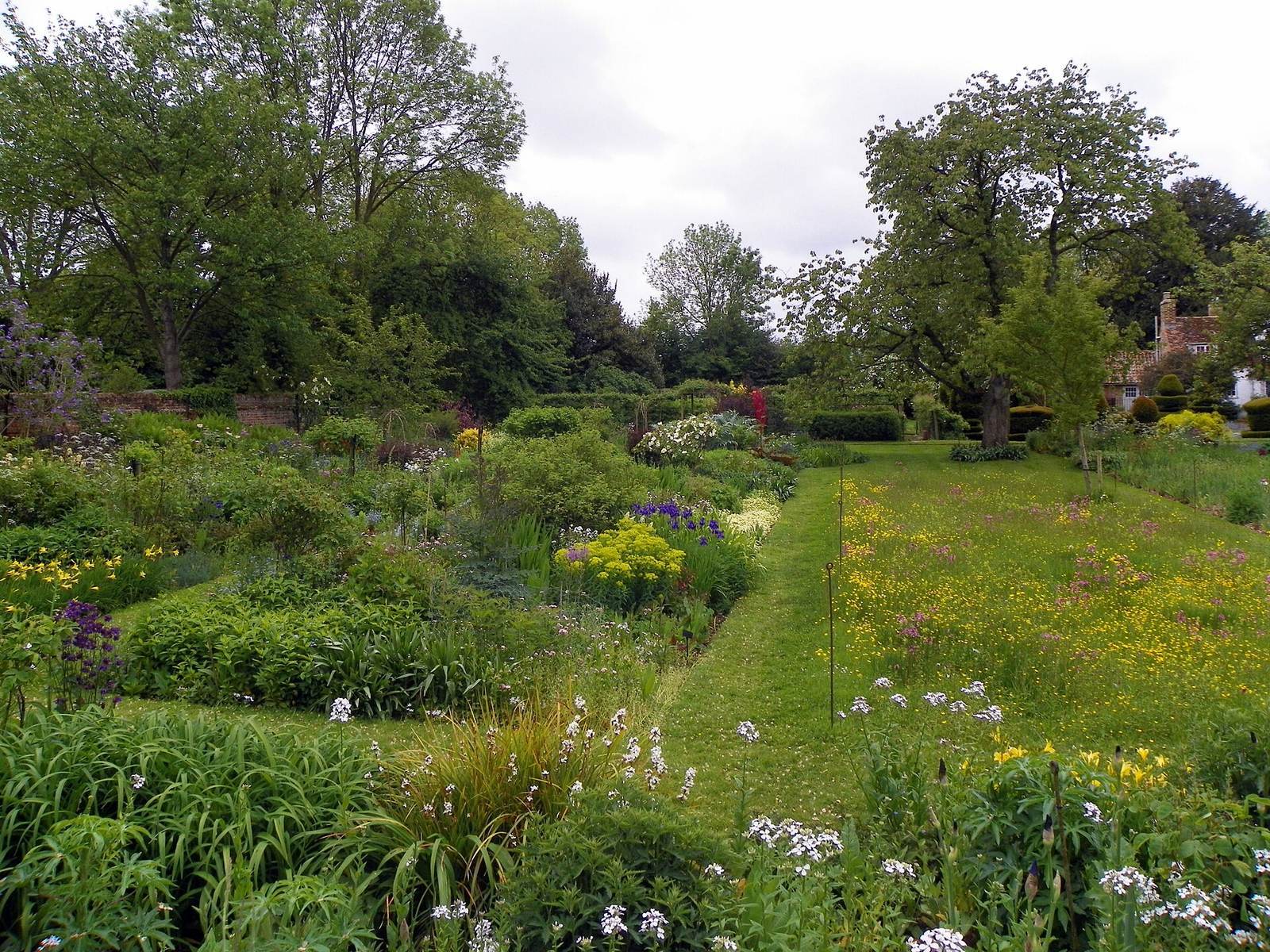
Boston created the garden, which is bordered by a moat. It contains topiary, shrubs shaped by clipping, old roses, award-winning irises, and herbaceous borders planted with plants that have soft, non-woody stems. The Campaign to Protect Rural England, a charity that works to protect the English countryside, maintains the garden.