Hinchingbrooke House: A Historic House Developed Around a Benedictine Nunnery
Site at a Glance
- Popularity
- Very High
- Country
- United Kingdom
- Primary era
- Early Modern
- Eras represented
- Medieval, Early Modern
- Civilizations
- English
- Site type
- Domestic
- Remains
- Elite Residence
On this page12 sections
History
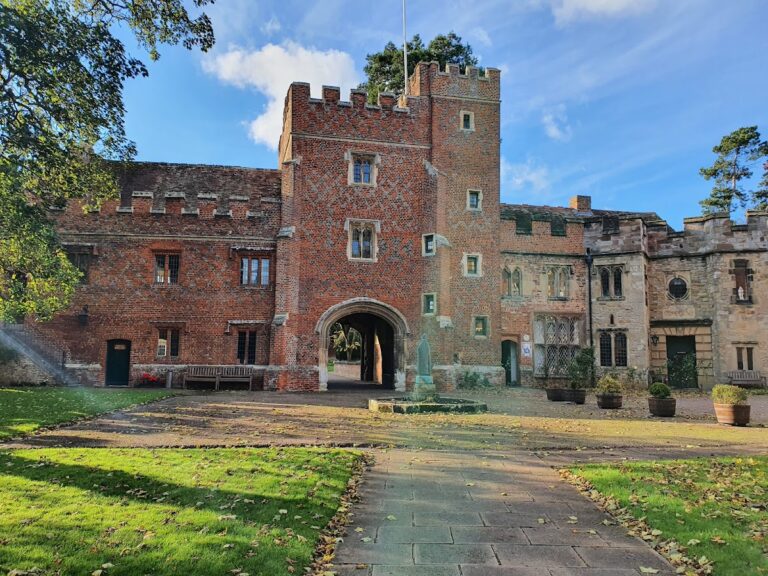
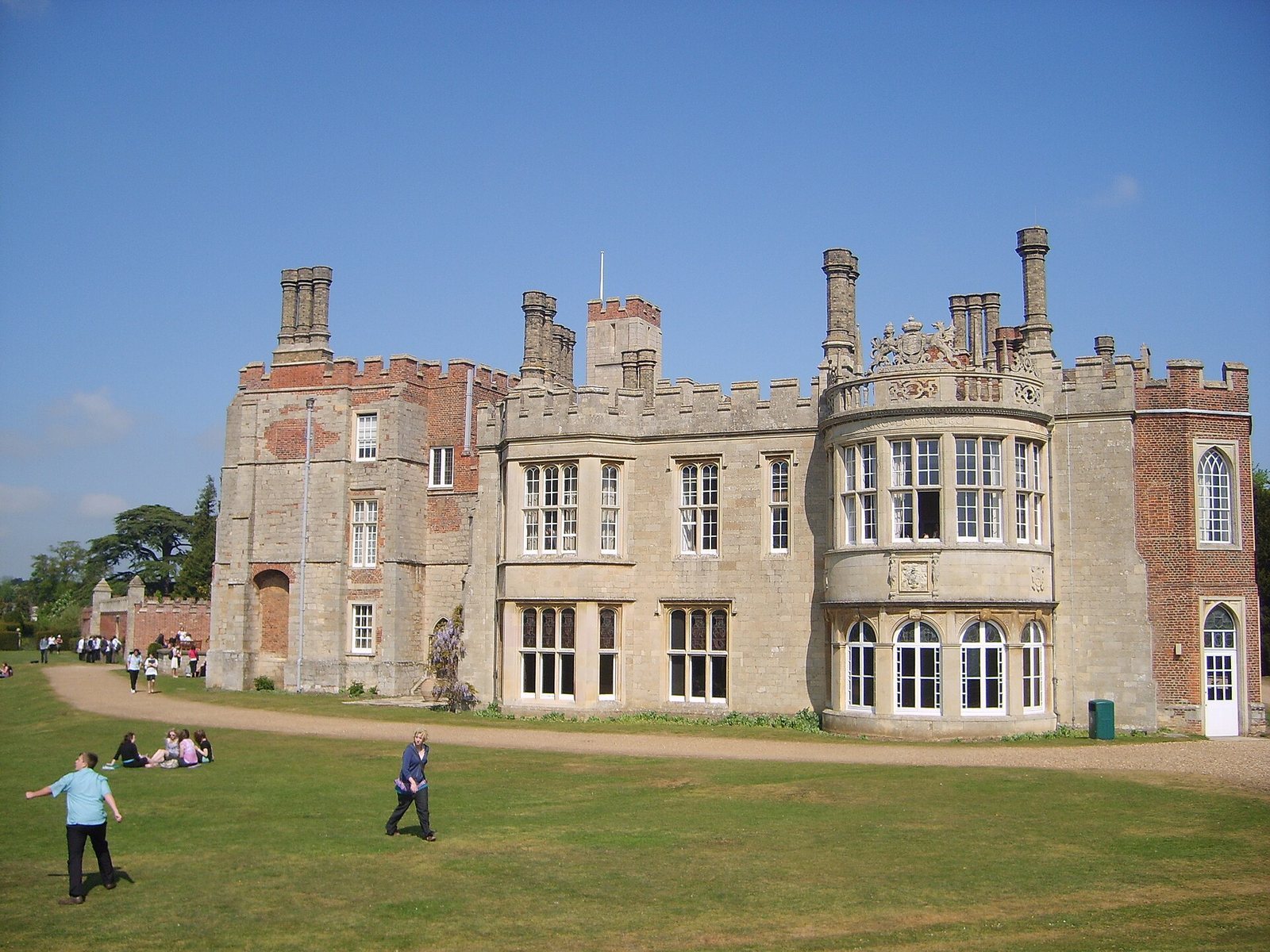
Hinchingbrooke House is a historic house in Huntingdon, England, in the United Kingdom, developed around an eleventh-century Benedictine nunnery, a community of nuns who followed the Rule of Saint Benedict. The nunnery had ceased to function by 1536, amid the English Reformation and the dissolution of monasteries.
The nunnery and Cromwell ownership
After the Reformation, the property passed to the Cromwell family. On 8 March 1538, Richard Williams, also known as Cromwell, received a grant of the former nunnery for £19 9s. 2d., a price described as below its value. Williams, a nephew of leading minister Thomas Cromwell, was then an official Visitor overseeing the dissolution of religious houses.
Richard’s son, Henry Williams, also known as Cromwell, carried out more extensive work on the house. He was the grandfather of Oliver Cromwell, who later became a prominent English political and military leader.
Royal visits and the Earls of Sandwich
Elizabeth I stayed at Hinchingbrooke in August 1564 after entertainments at the University of Cambridge. James I visited on 27 April 1603, when Sir Oliver Cromwell presented him with hawks, horses, hounds and a gold cup. The king returned on 7 December 1610, and his eldest son, Prince Henry, stayed on 8 August 1612.
Hinchingbrooke later became a home of the Earls of Sandwich, including John Montagu, the 4th Earl. Tradition credits Montagu with inventing the modern sandwich, though the claim is uncertain. The 10th Earl sold the house in 1962.
Fire, restoration and school use
A serious fire damaged the house in 1830. Edward Blore subsequently restored and rebuilt it, and further restoration took place in 1894 and during the 1960s. The house was listed at Grade I in 1951, England’s category for buildings of exceptional interest.
In 1970, Hinchingbrooke House became part of Hinchingbrooke School and housed its sixth form.
Remains
The house incorporates remains of the medieval religious complex, although little medieval building fabric was visible after later restoration. Its physical evidence includes features associated with the nunnery as well as details from the house’s later use.
Remains of the nunnery
Nuns’ cells and common room
In an eighteenth-century description, Mark Noble noted that the nuns’ cells remained intact and were being used as servants’ rooms. He also identified the former common room as the kitchen then in use.
Church remains and stone coffins
Noble described the church as destroyed, with slight remains incorporated into a house wall. He thought this fragment might be a corner of the church tower. One or more stone coffins had been found near the church remains when the floor was lowered.
Chapter-house entrance
The entrance to the chapter house, the nunnery’s meeting room, was uncovered during the house’s most recent restoration.
Features of the later house
Fireplace
A fireplace discovered in the house bears the initials of Richard Williams.
Bow windows
Mark Noble’s eighteenth-century description noted the arms of the family and allied families on the bow windows. The person who placed them there is unknown.