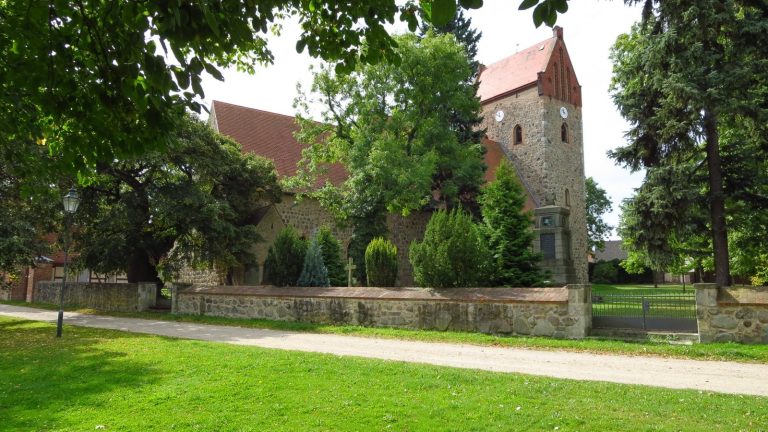
Ladeburg Village Church: A Thirteenth-Century Church in Bernau bei Berlin
Site at a Glance
- Rating
- 4.3
- Popularity
- Very Low
- Country
- Germany
- Primary era
- Medieval
- Eras represented
- Medieval, Modern
- Civilizations
- Holy Roman Empire, Kingdom of Prussia, Margraviate of Brandenburg
- Site type
- Religious
- Remains
- Church
On this page9 sections
History
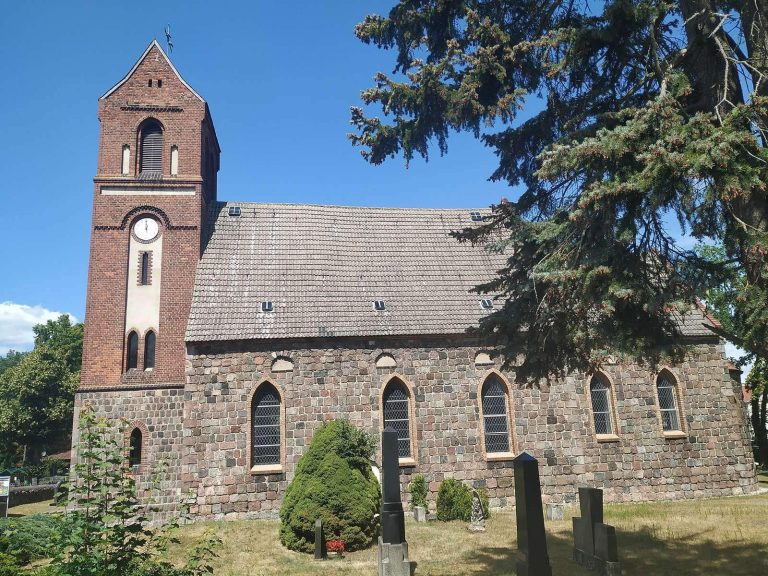
The Protestant village church of Ladeburg is a thirteenth-century church in Bernau bei Berlin, Germany, on the Barnim, a historic region north of Berlin. In the late Middle Ages, it belonged with Zepernick to the villages held by the Cölln Cathedral chapter, a body of clergy that could also hold land and villages.
Origins and naming
The name Ladeburg was transferred from another settlement of the same name in Anhalt-Zerbst, about three kilometres north of Leitzkau. That settlement’s church had a seven-bay hall and a transverse tower at its west end, a different plan from the church in Ladeburg. The builders here may have come from the region between the Harz, Thuringian Forest and Ore Mountains, where churches with a tower above the choir, rather than at the west end of the nave, were common.
Remodeling in 1853
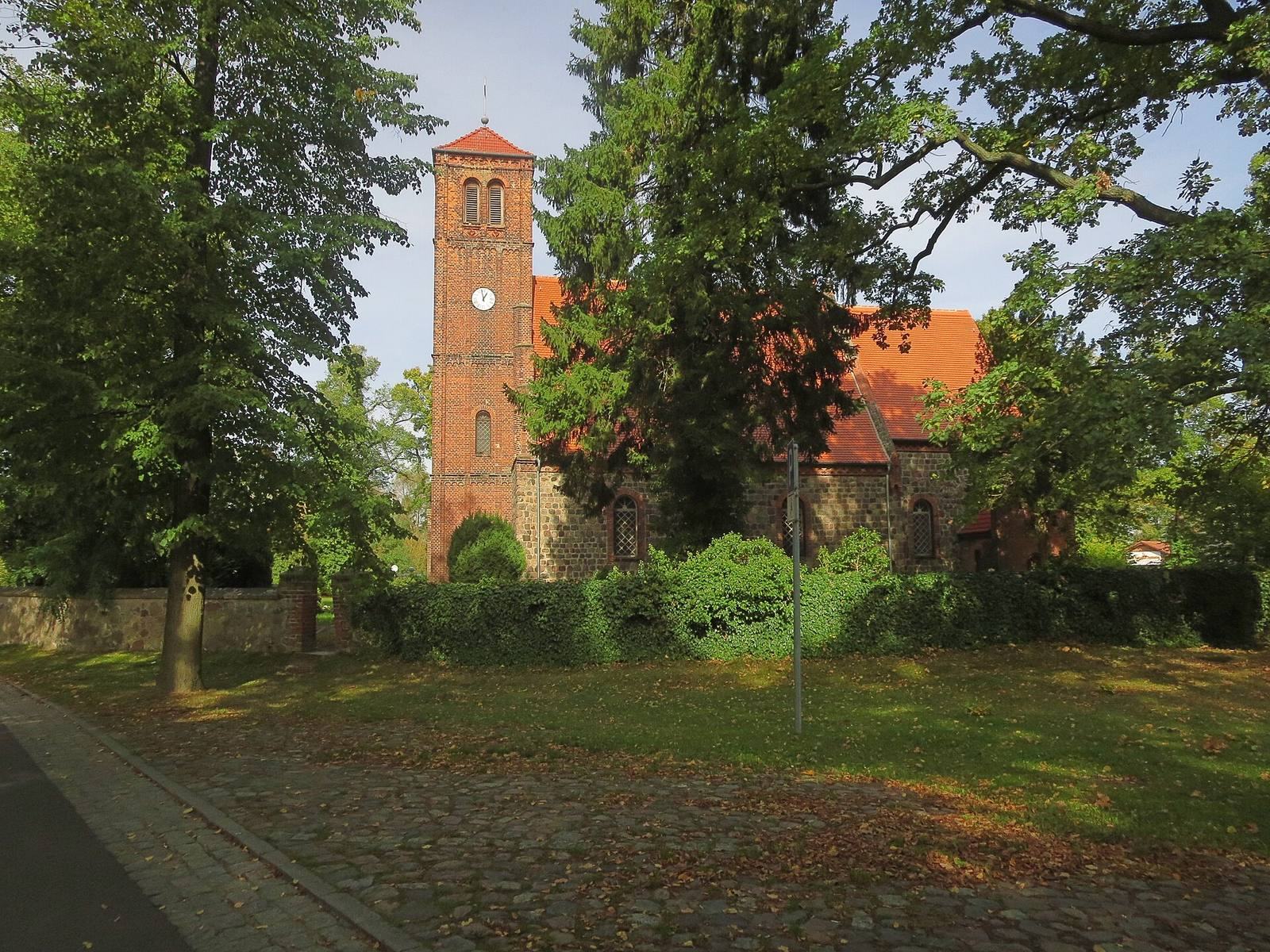
In the nineteenth century, Ladeburg was also called “Inverted Ladeburg,” a disparaging name linked to the original tower’s position above the choir. A comprehensive remodeling in 1853 removed the tower stories above the choir and added a tower at the west end, as well as an annex on the choir’s south side. The new tower may have been intended partly to counter the nickname.
Debate over an earlier defensive tower
From the 1980s onward, exhibitions sometimes presented the church as an addition to an older defensive tower associated with the Ascanians, a medieval ruling house whose members ruled Brandenburg and other territories. The proposal has no written support and would require the tower to date from before 1240. Churches on the Barnim are generally considered its earliest stone buildings, usually dated to 1250–1280, although tree-ring dates from Altlandsberg are 1241 and 1249.
Proposed military routes have also been used to support the theory. One ran from Berlin through Blumberg, Werneuchen, Beiersdorf, Heckelberg and Hohenfinow to Oderberg, where an Ascanian castle built in 1214 marks the earliest clear evidence of Ascanian presence on the Barnim. Another proposed connection ran from Spandau via Bernau toward Oderberg, passing through Heckelberg and Hohenfinow. Ladeburg lies too far north of the suggested route, and the related staging-road theory has since been challenged. Comparisons with other towers also differ: the known stone defensive towers at Berlin-Spandau and Stolpe are round and substantially wider, while square residential towers at Berlin-Tempelhof and Berlin-Rosenthal had fieldstone only at ground level and timber-framed upper floors.
Remains
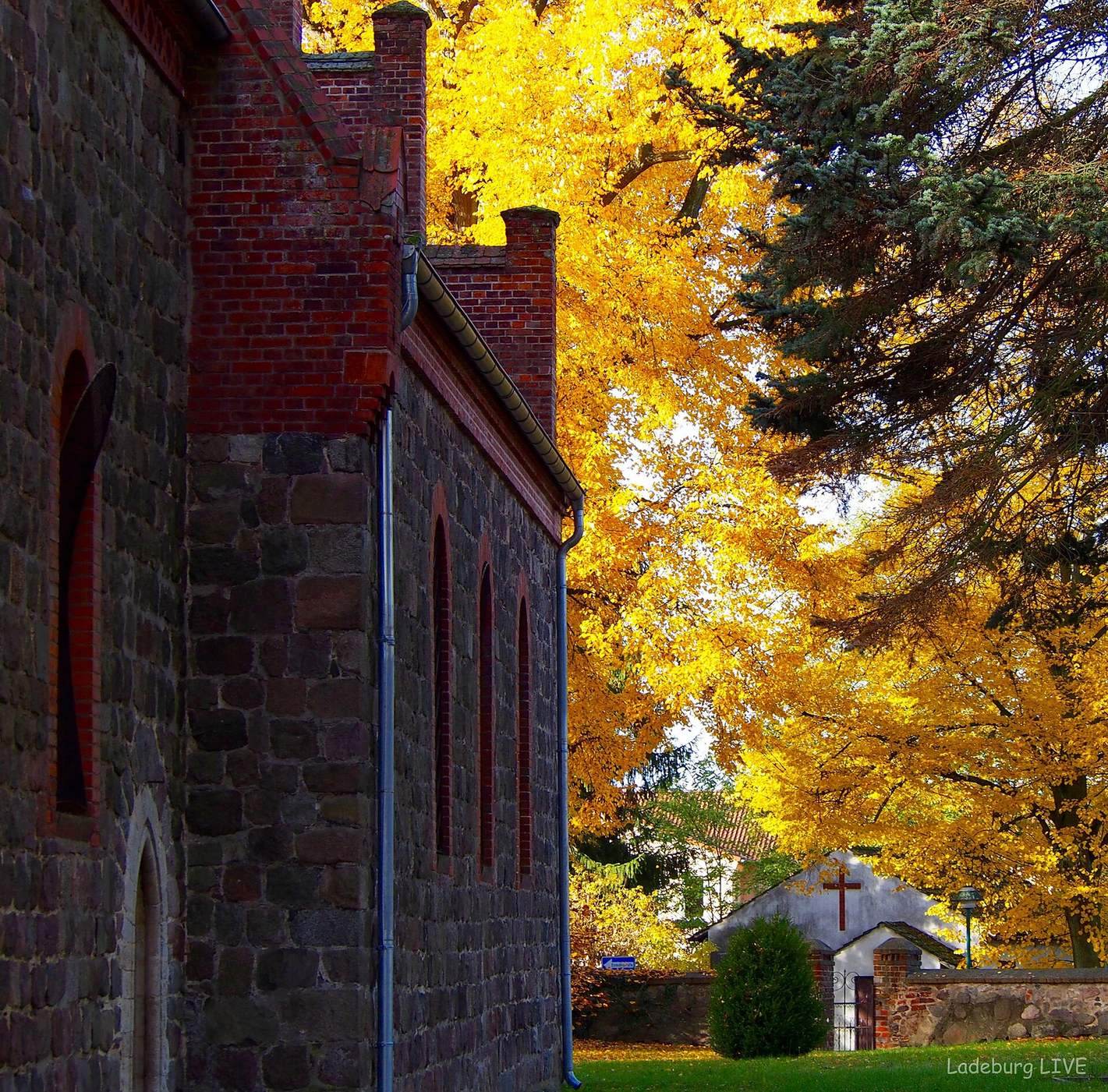
The church stands on a triangular village green beside the village pond, within the village’s cross-shaped layout. Its stepped plan comprises four parts: an apse (the church’s eastern end), a recessed choir, a nave and, originally, a tower. The medieval building is made from dressed blocks of naturally gathered stone.
Medieval fabric
Plan and apse
The apse is pentagonal rather than semicircular, an exceptional form on the Barnim. The church at nearby Zepernick also had a pentagonal apse. Ladeburg’s apse was raised during the remodeling, using stonework that resembles the older masonry.
Original tower arrangement
The original tower stood on the choir walls rather than at the west end of the nave. Those unusually thick walls could support a tower, but the masonry is consistent across the church and does not show a separate building phase in which the apse and nave were added to an older tower. Ladeburg was the only church of this tower-over-choir type on the Barnim and, with the village church at Grünow near Angermünde, one of only two such buildings east of the Elbe. Seven churches described as “reversed” are also noted in the Altmark.
Later additions
The west-end tower is built of brick. A sacristy-like annex sits on the south side of the choir.