Fort of Milreu: A Coastal Defense in Portugal
Site at a Glance
- Popularity
- Low
- Country
- Portugal
- Primary era
- Early Modern
- Eras represented
- Early Modern
- Civilizations
- Portuguese
- Site type
- Military
- Remains
- Fort
On this page6 sections
History
Construction and coastal defense
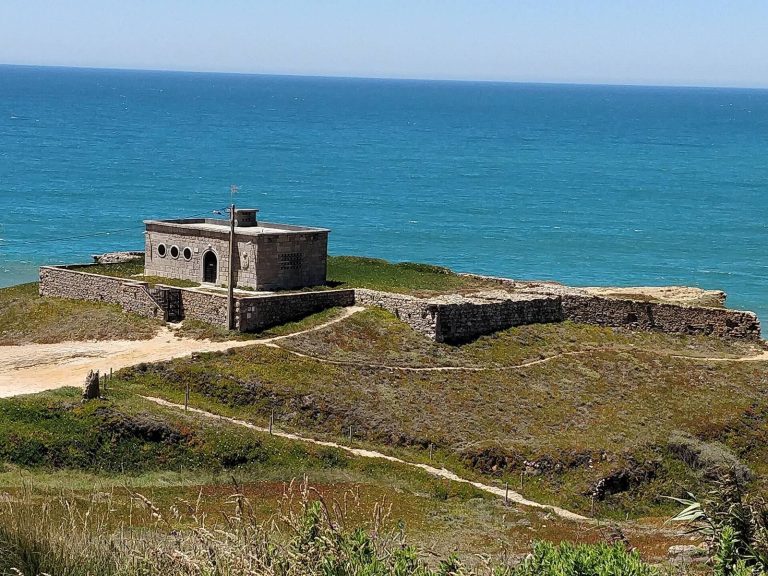
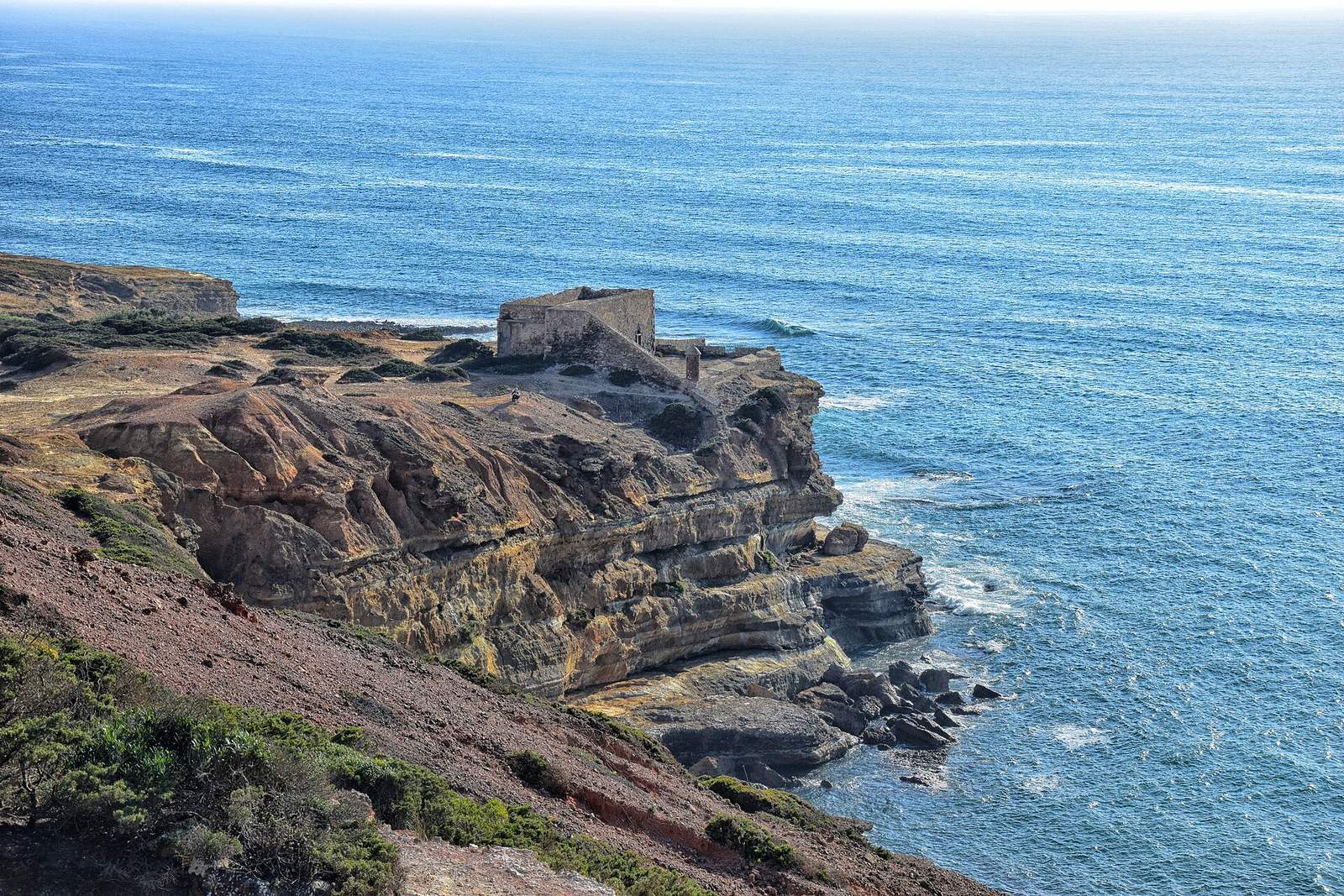
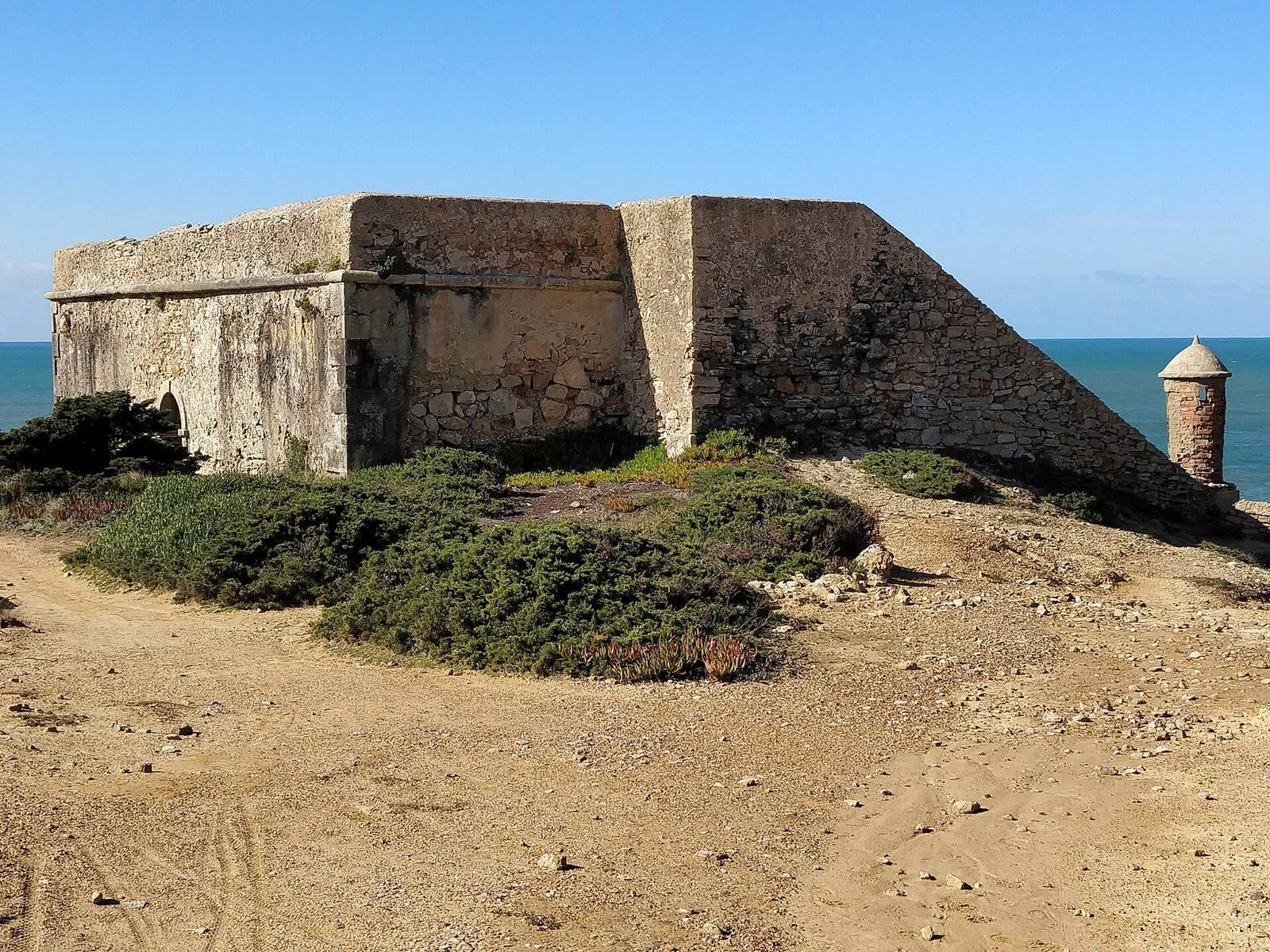
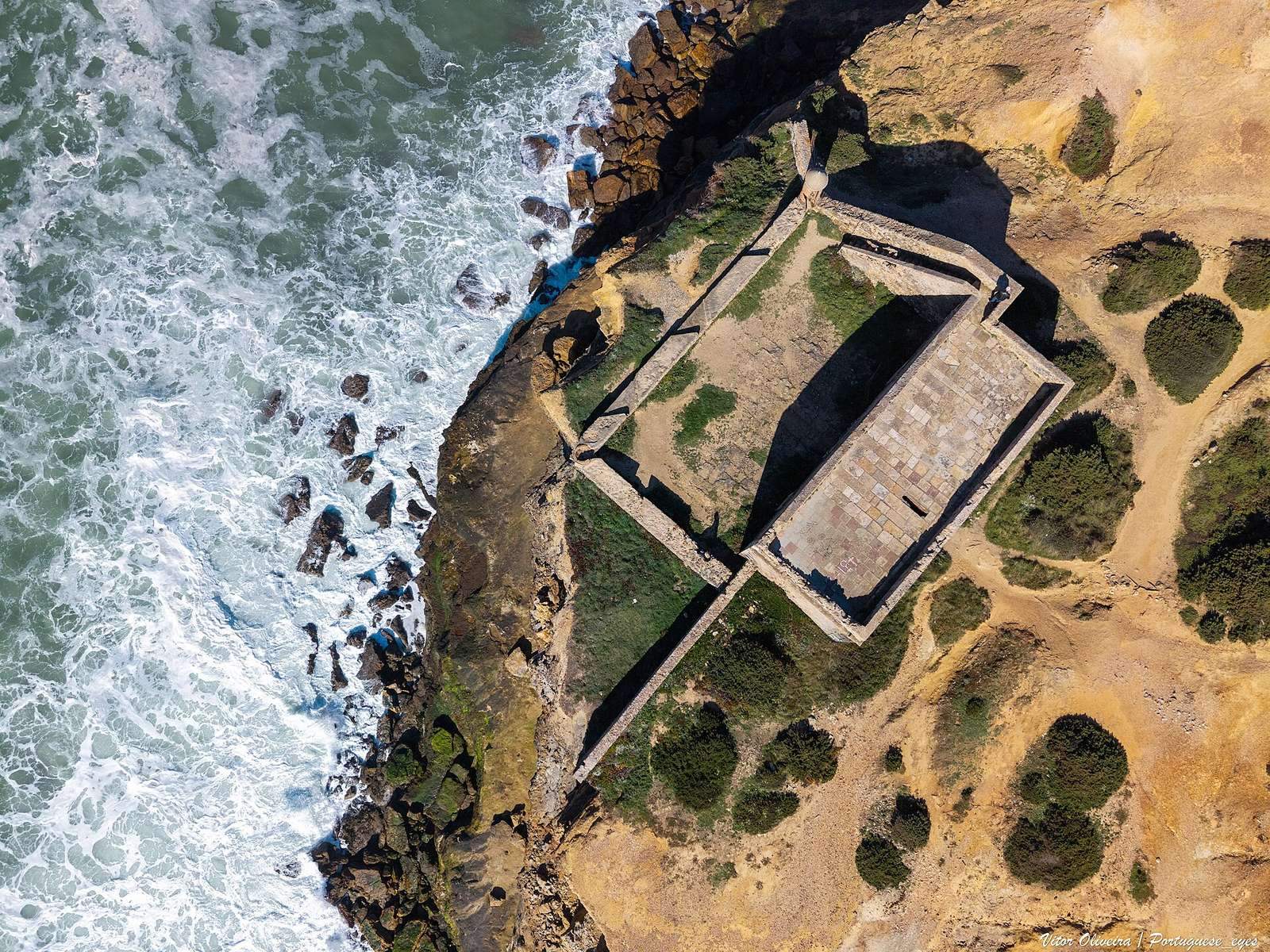
The Fort of Milreu, also known as the Fort of St. Peter of Milreu, stands on Portugal’s Atlantic coast about 3 km north of Ericeira. Built between 1670 and 1675 in the Mannerist style, an architectural movement that developed in Europe after the Renaissance, it formed part of Portugal’s effort to strengthen its coastal defenses after the Portuguese Restoration War. This conflict between Portugal and Spain ended with the Treaty of Lisbon in 1668. The fort was positioned to guard the sea approach to Ericeira from the north and deter landings at Ribeira de Ilhas Beach.
By 1680, the fort was operational, with a garrison and artillery. In 1796, its garrison consisted of seven soldiers and five gunners, while its weapons included one bronze cannon and five iron cannon.
Damage, abandonment, and repair
A harsh winter left the fort in poor condition by 1751, and the earthquake of 1 November 1755 caused further deterioration. The military abandoned it in 1806; by 1821 it was described as being in an advanced state of ruin. Major repairs followed in 1831–32 during the Portuguese Civil War, fought between supporters of rival claimants to the throne. In 1832, Miguelist forces, who supported the absolutist claimant Miguel I, garrisoned the fort and stationed artillery there. It had again been abandoned and had deteriorated by 1853.
Later uses and conservation
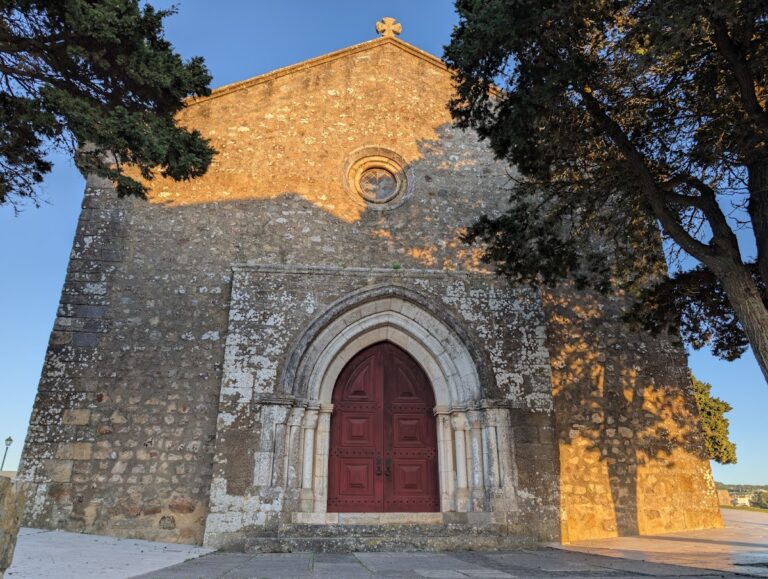
In 1871, parts of the fort were used in rebuilding the Church of São Pedro da Ericeira. Its bronze cannon were sent to Lisbon in 1880, and the Portuguese Fiscal Guard, a state force responsible for fiscal and customs enforcement, occupied the fort from 1891. Repairs undertaken between 1908 and 1910 ended with the dissolution of Portugal’s monarchy in 1910.
Restoration began in 1940. The following year, the fort ceased to be classified as a military fortification, and its management passed to the Ministry of Finance. Proposals made between 1946 and 1992 to adapt the building for other uses, including a café or restaurant, were not implemented. Portugal classified the fort as a Property of Public Interest, a heritage-protection designation, in 1977. In 1984 and 2001, the Directorate General of National Buildings and Monuments, the public agency responsible for national buildings and monuments, rebuilt the wall and carried out other repairs.
Remains
Layout and defensive features
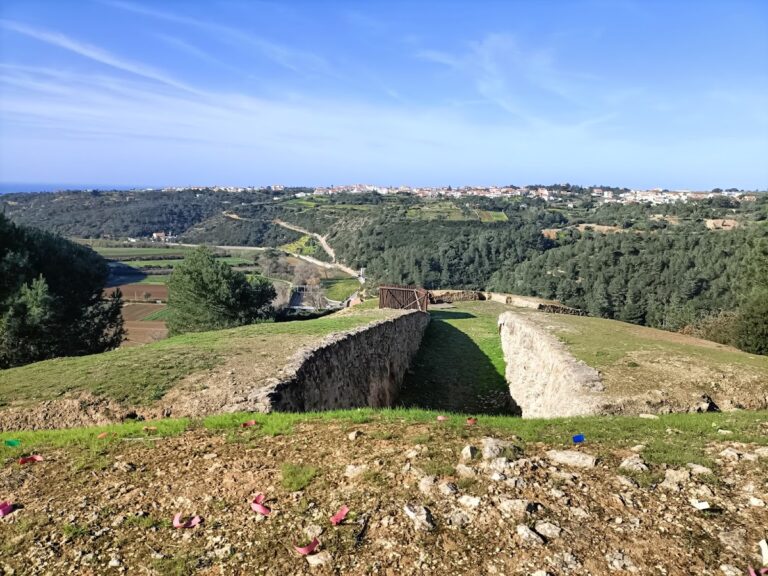
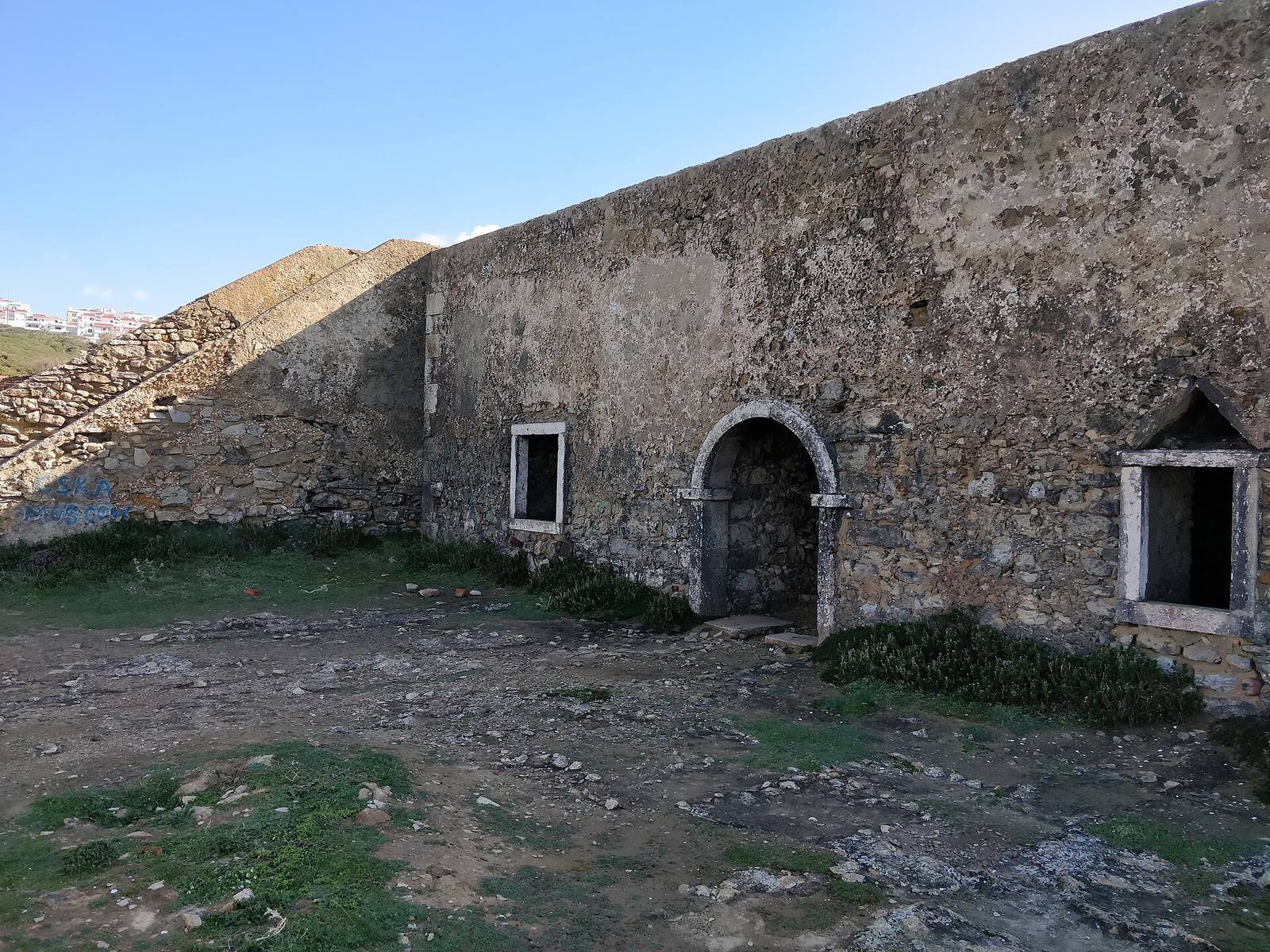
The fort has a rectangular plan and limestone masonry. Its defensive features included a cannon battery and two circular projecting turrets with conical covers. The complex also had three barracks and a guardhouse. A staircase at the side led up to a terrace protected by a parapet. The fort remained in a degraded condition in 2019.