Trutzeltz Castle: A Siege Castle Built Against Eltz
Site at a Glance
- Popularity
- High
- Country
- Germany
- Primary era
- Medieval
- Eras represented
- Medieval
- Civilizations
- Holy Roman Empire
- Site type
- Military
- Remains
- Castle
On this page4 sections
History
Trutzeltz Castle was a hill castle in the Elz Valley near Münstermaifeld, Germany, built by Baldwin of Trier as a siege fortification against nearby Eltz Castle during the Eltz Feud of 1331–1336/37. Baldwin, a prince-archbishop who combined senior church authority with rule over Trier’s ecclesiastical territory, probably began construction in 1331 after his direct attack on Eltz failed. The alternative name Baldeneltz probably referred to Baldwin.
The Eltz Feud
The conflict grew from Baldwin’s efforts to extend Trier’s territorial influence along the Moselle. Twenty-one knights, including the lords of Eltz, Waldeck, Schöneck, and Ehrenberg, formed a defensive alliance against him. In 1332, Baldwin also built Rauschenburg to oppose the three other castles allied with Eltz.
From Trutzeltz, Baldwin’s forces bombarded Eltz with stone-throwing siege engines, but did not capture it. Baldwin also deployed early guns that fired arrows; finds at Eltz indicate their use during the fighting.
Settlement and decline
In 1333, the lords of Eltz and the other participating knights had to seek peace, though a treaty formally settled the feud in 1336. John of Eltz, who had previously fought Baldwin in the Kempenich Feud, continued the conflict. Once the treaty secured Trutzeltz’s continued existence, Baldwin granted it to John as a fief in 1337. A fief was land or rights held under feudal obligations, and John became the castle’s hereditary burgrave, an official responsible for its defense or administration. The castle is classified as clerical, and clergy are listed among its occupants.
Trutzeltz soon lost importance and was no longer maintained. By 1453, it was uninhabited and had fallen into ruin.
Remains
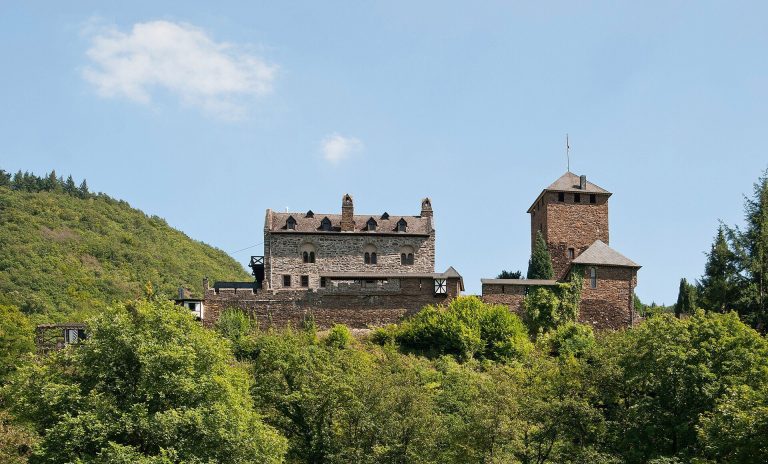
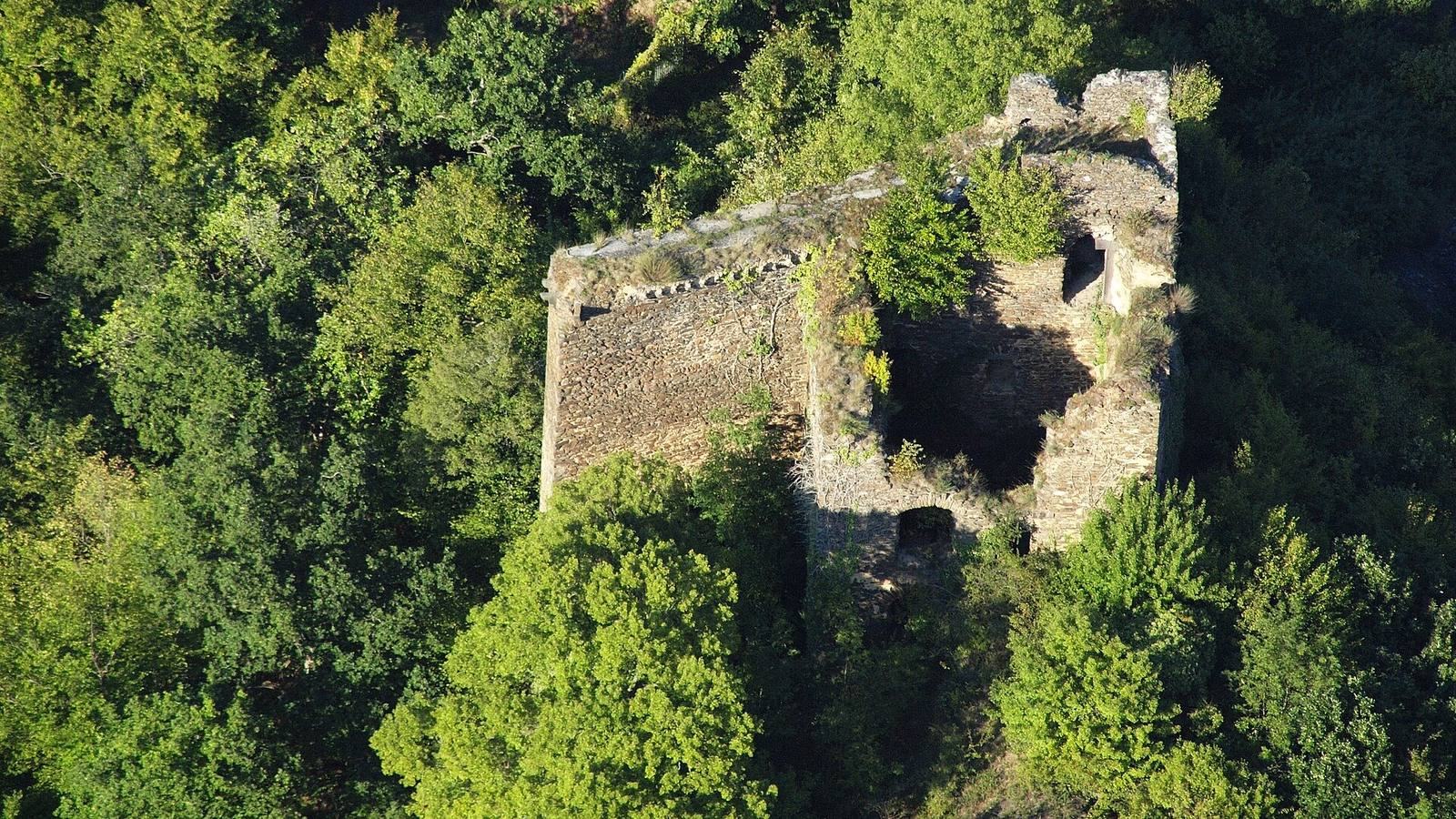
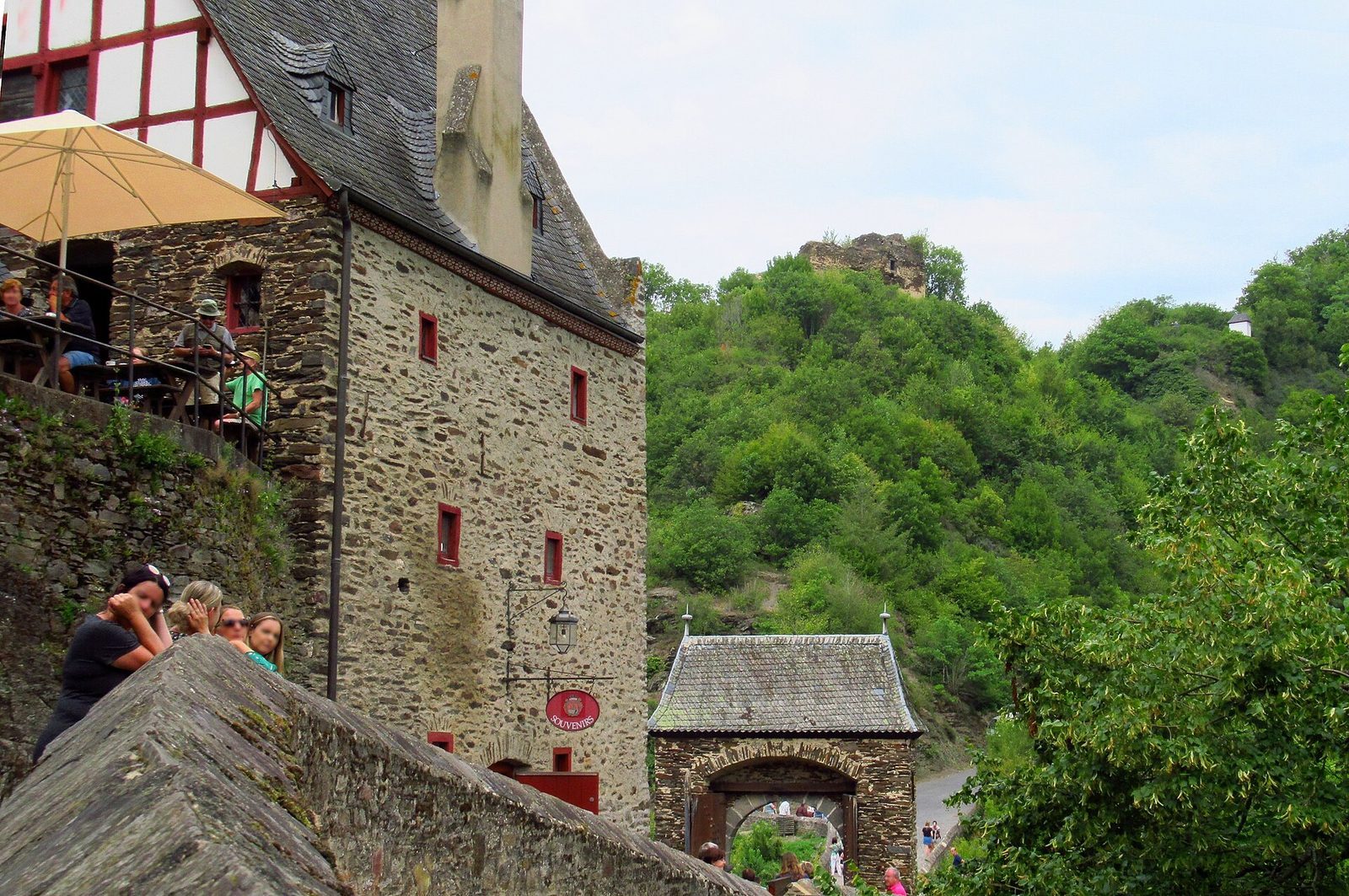
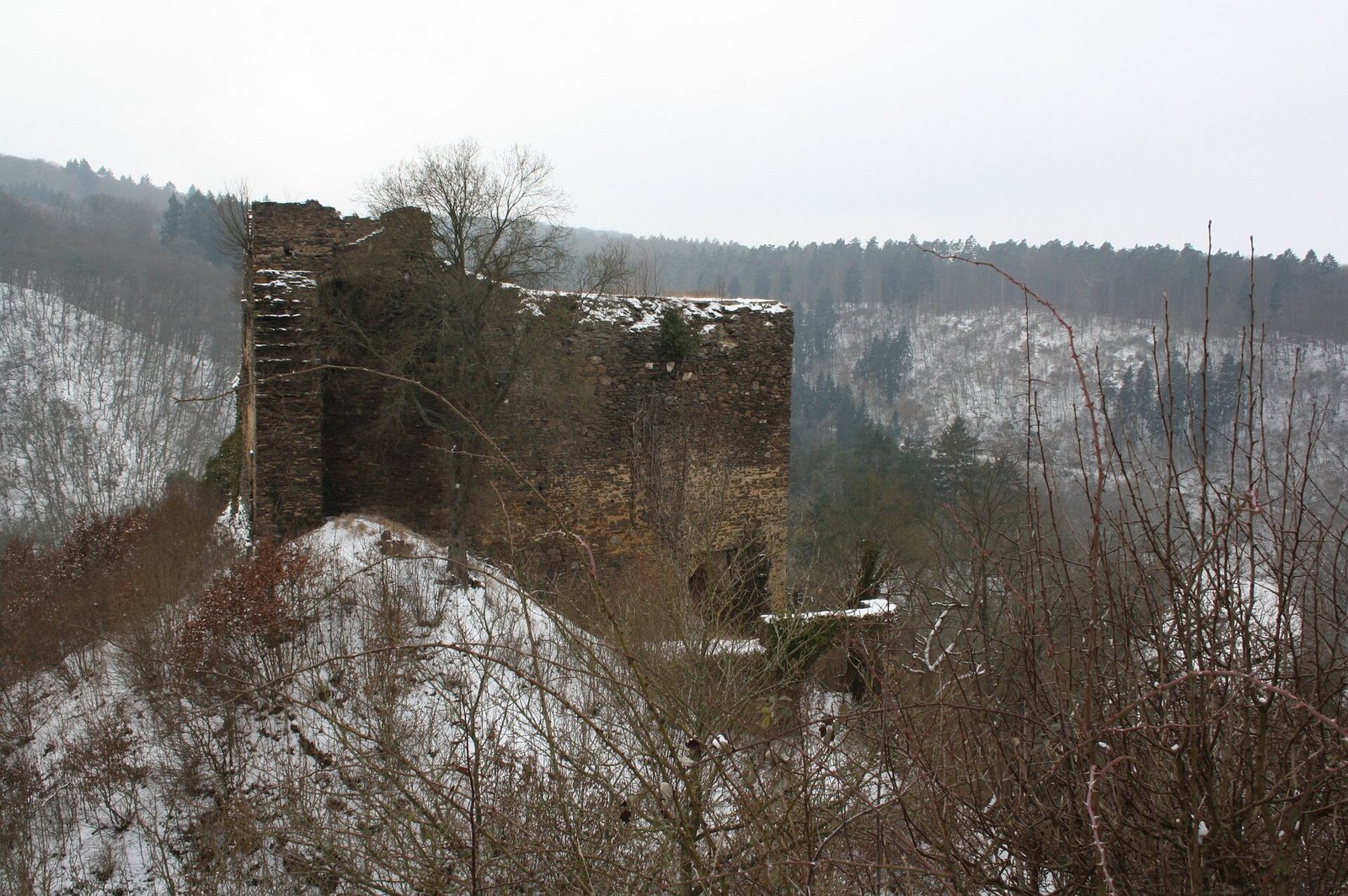
The small castle site occupies a rising slope in the Elz Valley and measures about 30 by 25 m. It lies approximately 230 m north of Eltz Castle and 40 m higher, at about 182 m above sea level. Its masonry consists chiefly of small pieces of nearby rubble stone joined with strongly clay-rich mortar.
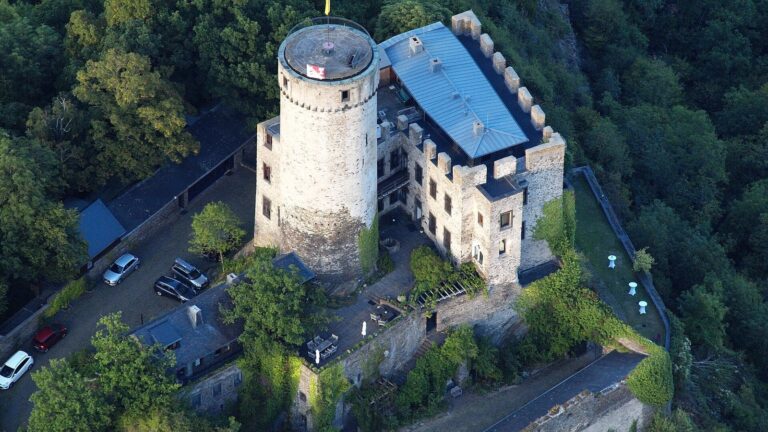
The surviving remains include a residential tower more than 10 m high, foundation walls, and an entrance. The mortar reflects the rapid construction of the castle, but was poorly suited to the long-term Central European climate. That limitation was accepted for a siege fortification.