Le Lavouër Castle: A Vendée War Headquarters in France
Site at a Glance
- Popularity
- Low
- Country
- France
- Primary era
- Early Modern
- Eras represented
- Early Modern
- Civilizations
- French
- Site type
- Domestic
- Remains
- Elite Residence
History
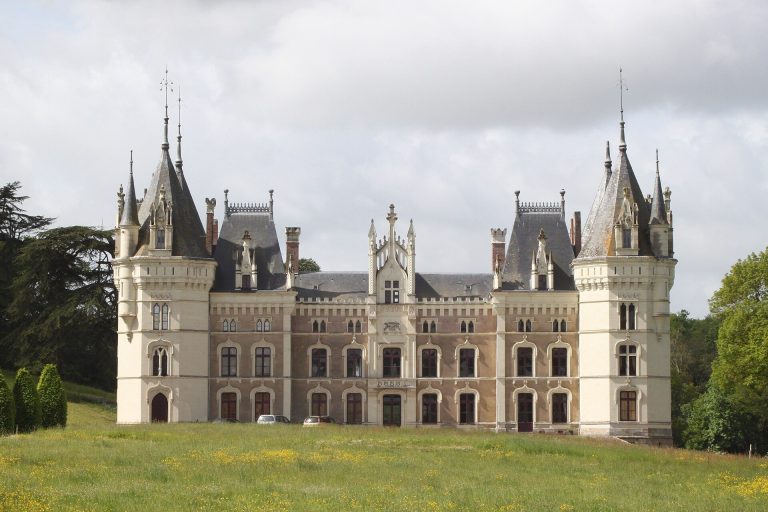
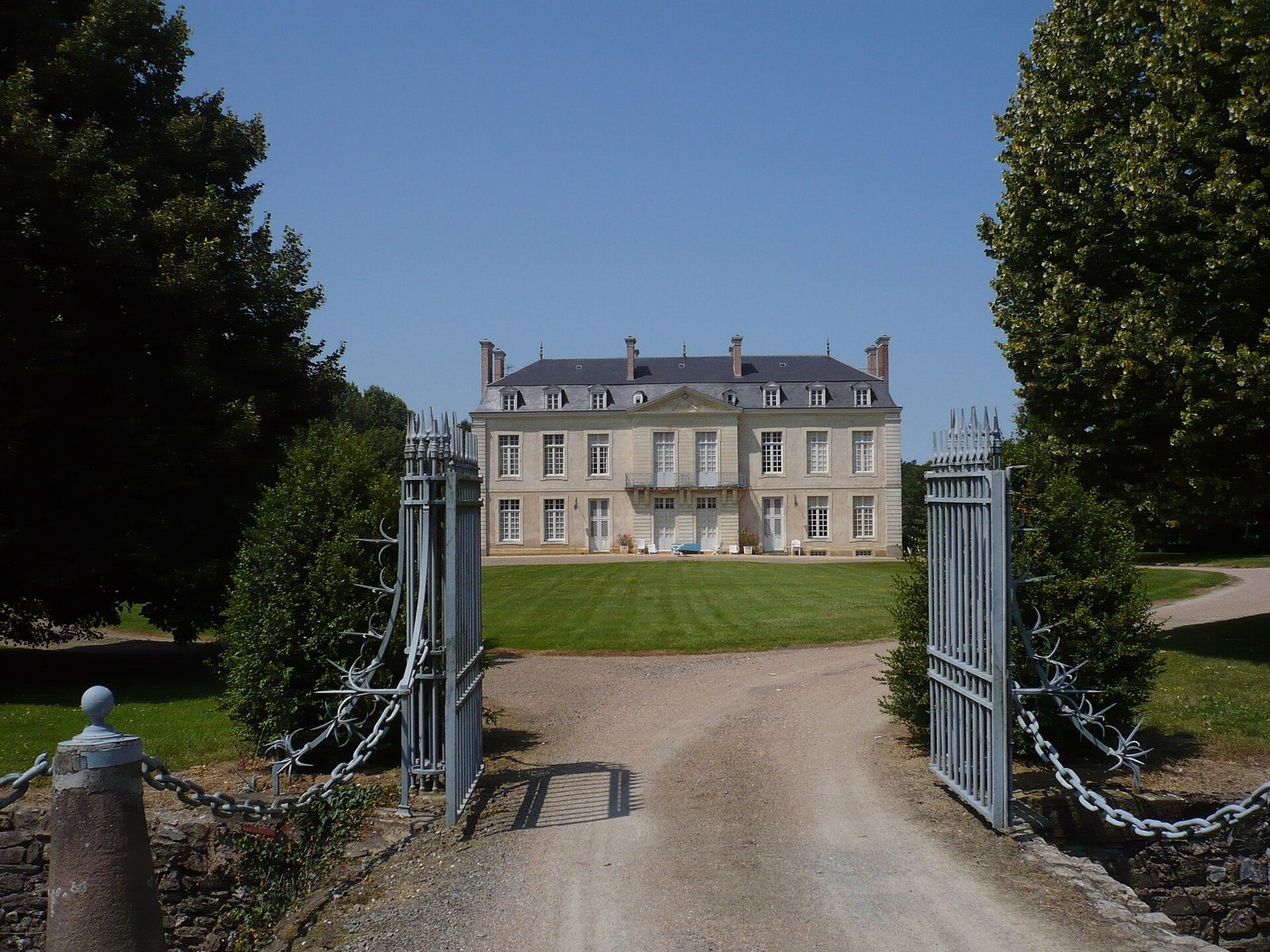
Le Lavouër Castle, in Neuvy-en-Mauges, France, was designed between 1770 and 1785 in an eighteenth-century style, using plans drawn at Versailles.
Vendée War headquarters
In 1793, during the Vendée War, a royalist and Catholic uprising against the French revolutionary government in western France, the castle became a headquarters for the Vendée armies. Major-General Jean-Nicolas Stofflet established his offices there and remained until 1795, when he moved to La Mourosière, a few kilometres away. From the castle, the parish priest directed Stofflet and 42 priests from his parish. Their military staff coordinated operations across the Chemillé region.
Bernier, described as the bishop of Saint-Laud, established an episcopal palace at the castle, meaning an official residence associated with a bishop. He stayed there several times and gained considerable influence over Stofflet. A memoir portrays Stofflet as a former soldier who had been a gamekeeper at Maulévrier Castle when the revolt began. It describes him as harsh toward his soldiers, yet readily obeyed and trusted by his generals. The memoir also says that advisers encouraged his pride and vanity, contributing to mistakes that harmed his cause.
The group at Le Lavouër tried to persuade fellow royalist commander Charette to reconsider and sought to intercede for him with the Committee of Public Safety, the revolutionary government’s leading executive body during emergency rule. Charette refused to submit and came from Quiberon with an army of 20,000 men. As his followers gradually abandoned him, he was captured and executed by firing squad in Nantes in 1796.
Bernier was a controversial figure, described as ambitious and interested in military affairs. He was blamed for the executions of Marigny and Stofflet. In Stofflet’s case, the accusation followed a message Bernier left for him, though whether Bernier intended the message to cause his death remains uncertain. During the war, a printing press at the castle produced notices for the Vendée resistance. At the war’s end, tradition held that the press and a large sum of money had been hidden in a well. The money was never found.
Remains
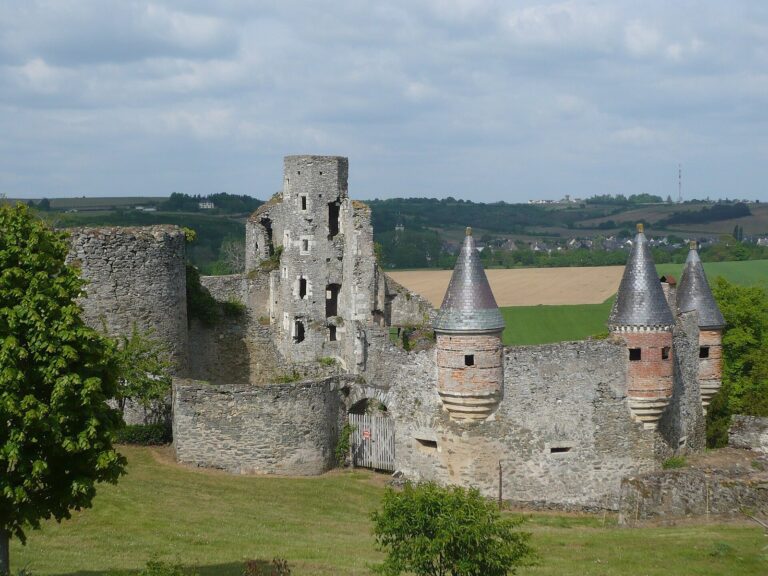
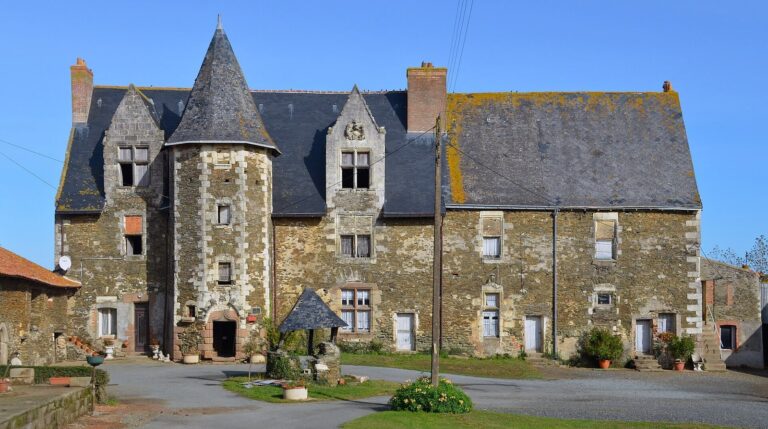
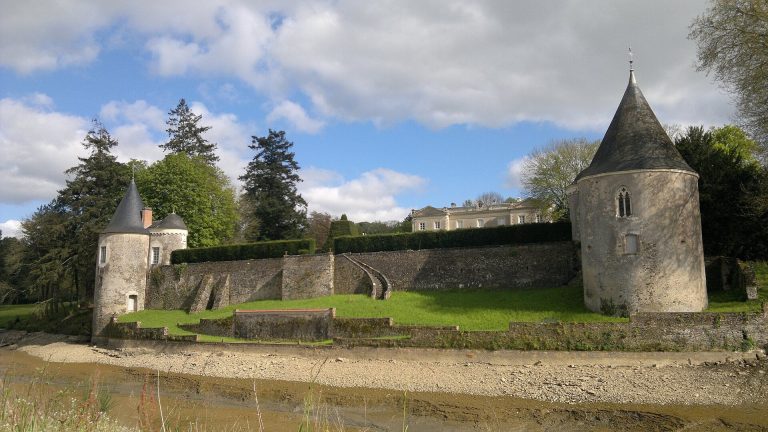
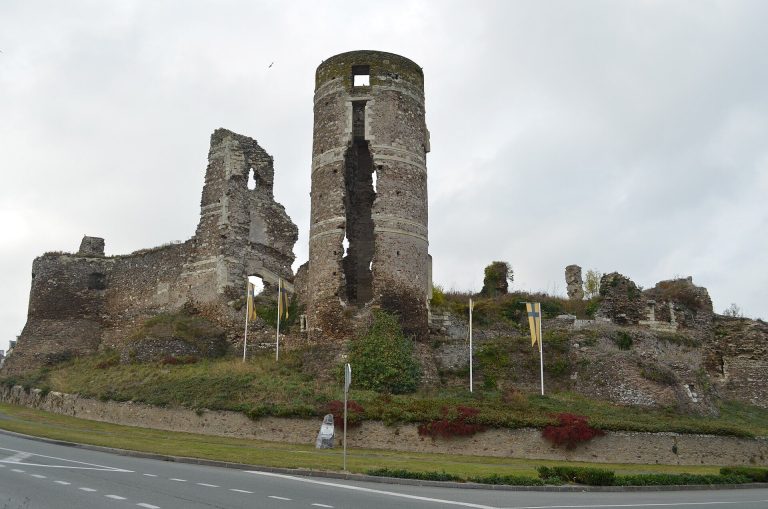
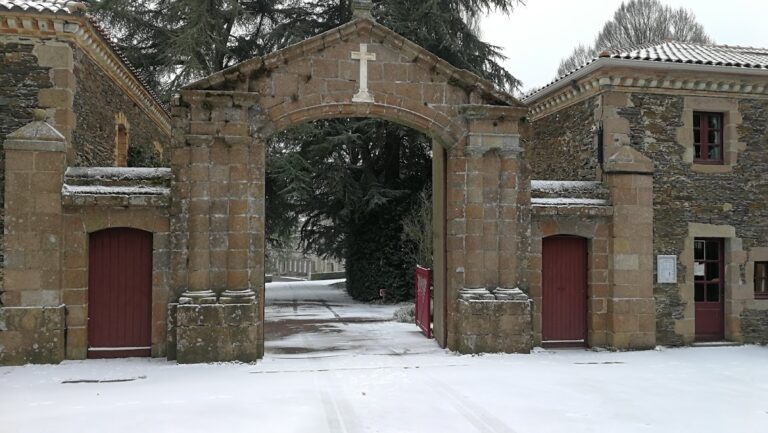
The present castle stands among surrounding outbuildings, with a 40-hectare English landscape park on its garden side. Designed to evoke natural scenery rather than strictly geometric grounds, the park includes woods and ponds. The earlier fortress stood about 100 metres from the present building.
Lead printing type, small metal pieces with raised letters used to print text, was found in one of the farm’s wells over a period of two centuries. These finds support the tradition that the printing press was concealed there.