City Church of Our Lady in Dahlen: A Medieval Church in Saxony
Site at a Glance
- Popularity
- Very Low
- Country
- Germany
- Primary era
- Early Modern
- Eras represented
- Medieval, Early Modern, Modern
- Civilizations
- Electorate of Saxony, German, Holy Roman Empire, Kingdom of Saxony, Margraviate of Meissen
- Site type
- Religious
- Remains
- Church
On this page11 sections
History
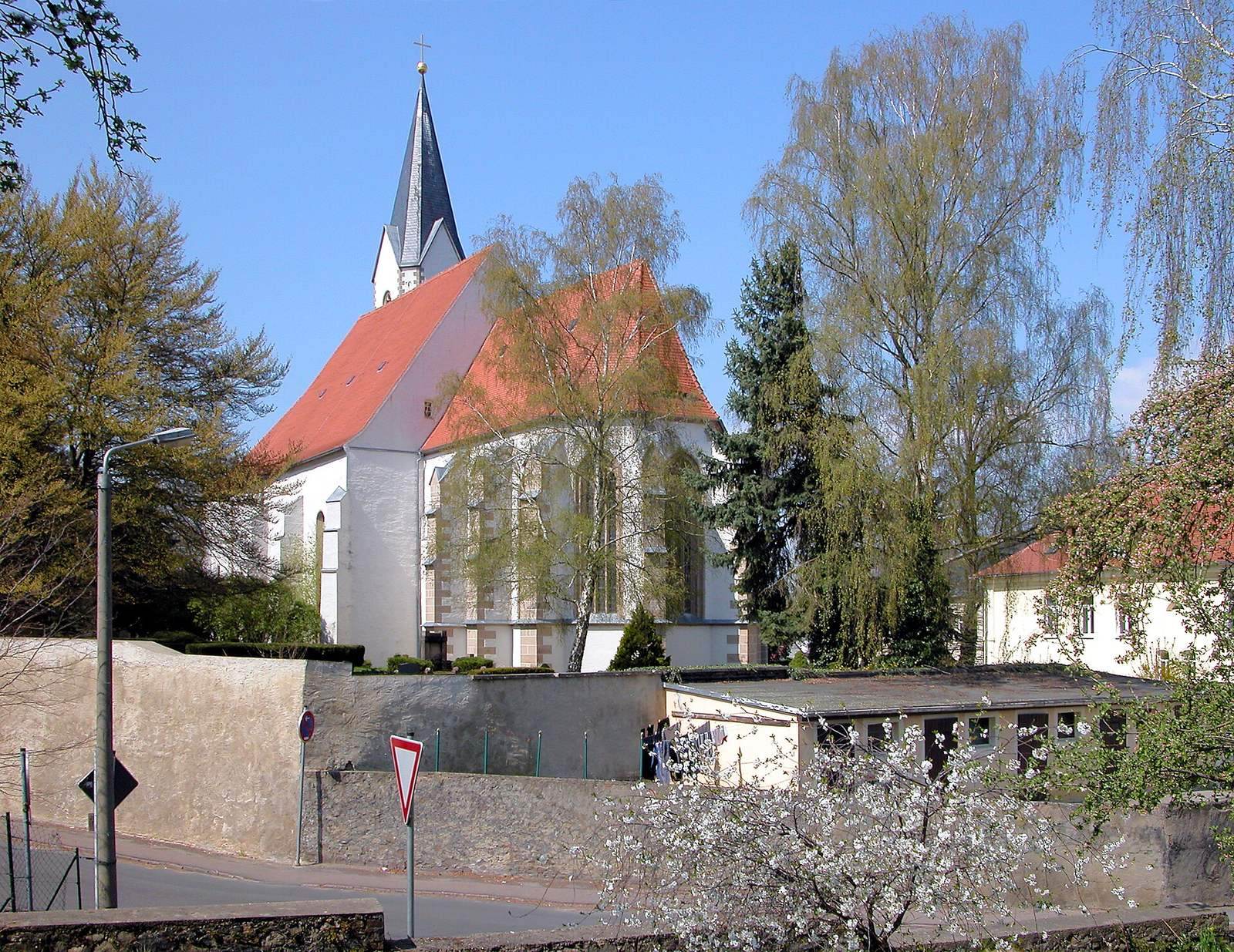
The City Church of Our Lady is a church in Dahlen, Saxony, Germany, built in the fifteenth and sixteenth centuries around the western part of a thirteenth-century predecessor. The earlier building was Romanesque, a medieval style that preceded Gothic. The church’s later fabric also includes Gothic work and nineteenth-century Historicism, which drew on earlier architectural styles.
Medieval and early modern building
The church’s late Gothic choir was built after 1475. Its hall nave followed in 1595 in a post-Gothic style, joining the new work to the surviving western part of the earlier church.
Nineteenth-century renewal and later history
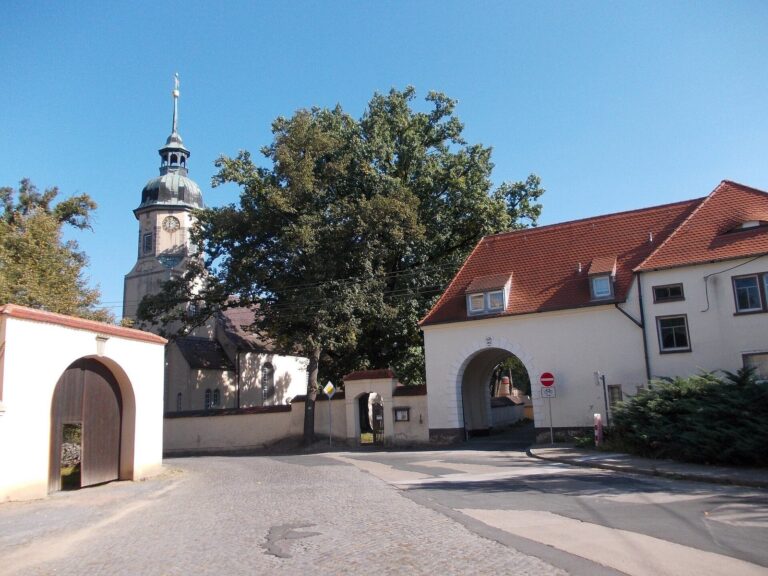
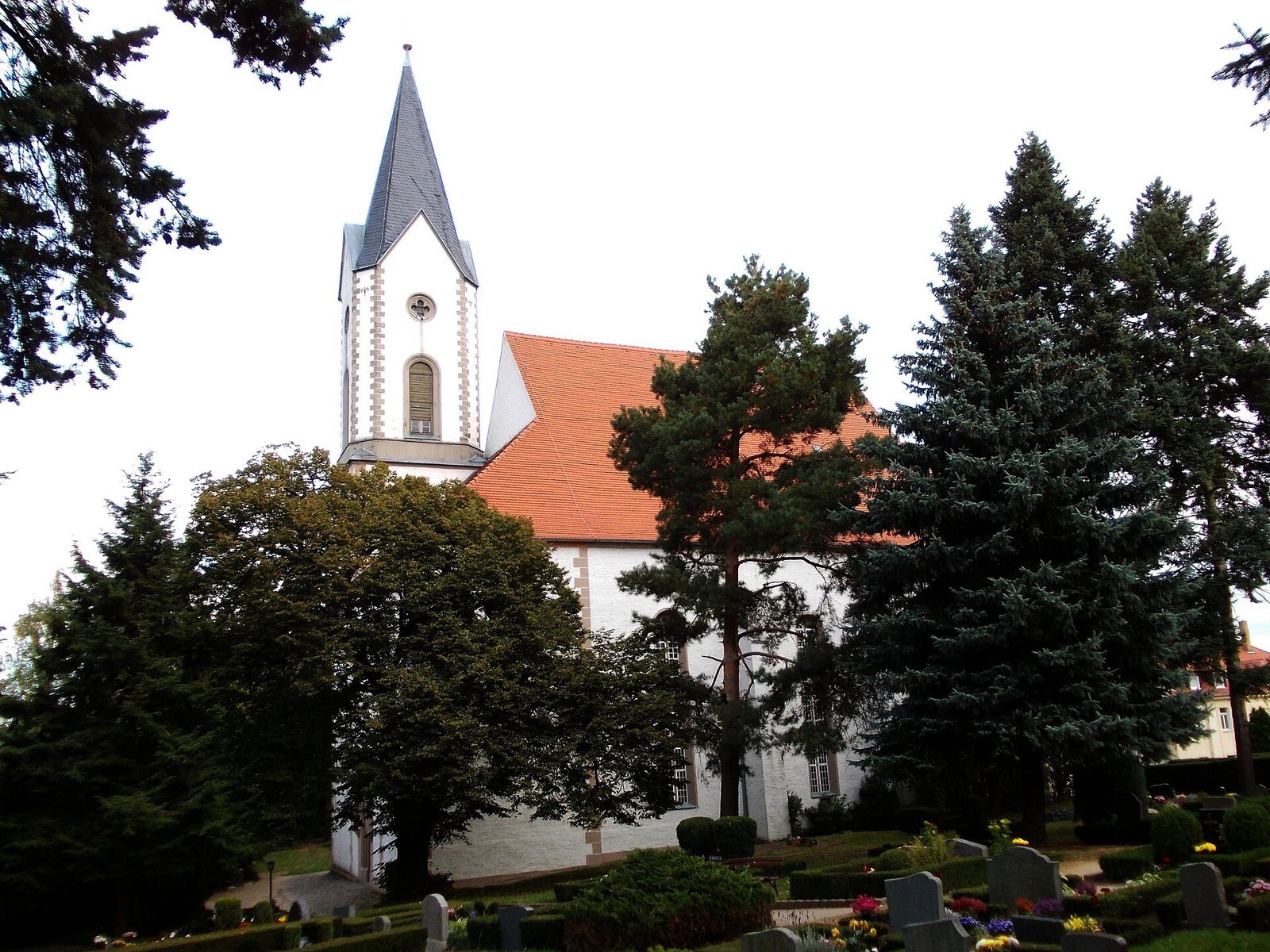
In 1862–1863, the west façade and tower were renewed, and the interior received a Gothic Revival treatment, a nineteenth-century return to Gothic forms. The tower roof was re-covered and its cross renewed in 1963. The church is also the burial place of Hanns Herrmann Wostromirsky von Rockittnigk.
Its bronze bells belong to one of Saxony’s few old surviving ensembles from before the First World War. They escaped state-ordered metal collection drives during both world wars, within a region whose bell-casting tradition extends back more than 700 years.
Remains
The church is a plastered rubble-stone hall church, with a nave and side aisles of similar height. Its elongated choir is set back from the main body and ends in a three-sided section of an eight-sided figure. Exterior buttresses provide support. The original design used a transverse rectangular arrangement of two towers; a tower has an octagonal upper storey and pyramidal roof. North and west entrances and pointed choir windows with ornamental stonework complete the exterior features described here.
Interior
The interior is divided into three aisles and three structural bays. Octagonal piers support a gallery that extends along three sides. The central nave has a ribbed vault in a net pattern, while the side aisles and choir have star-patterned ribbed vaults. A small-cell vault covers the sacristy.
Choir furnishings
The choir contains an altar shrine, a baptismal font, and a lectern. The shrine, made in 1863, incorporates late Gothic carved figures created around 1520 by the artist known as the Master of the Döbeln High Altar, an art-historical name for an unidentified artist.
Windows and wall painting
Five historic mosaic windows appear to remain in their original state. The leaded stained glass in the choir windows was made in 1895 by the Anemüllers Nachfahren glass-painting workshop. A large fresco on the choir’s south wall depicts Saint Christopher, a Christian saint traditionally shown carrying the Christ child.
Patron’s gallery
High in the north wall are windows belonging to the patron’s gallery, a reserved space for a landowner and household. The gallery was associated with the former Dahlen manor.
Organ and bells
Organ
Jehmlich Orgelbau Dresden made the organ in 1866 as opus 45. It has two hand-operated keyboards, a pedal keyboard, 29 stops that select groups of pipes, and 1,868 pipes. Mechanical actions and slider chests, which control airflow to the pipes, operate the instrument. Its fittings include couplers linking the keyboards and pedal, a bell to signal the person operating the bellows, and shut-off valves for the main and upper divisions.
Bronze bells
The ensemble comprises three bronze bells. The largest, cast by the Hilliger family in 1625, sounds an E-flat, measures 142 cm across, and weighs 1,600 kg. The other two were cast in 1862 by the Jauck foundry in Leipzig. The middle bell sounds a G, measures 112 cm across, and weighs 900 kg; the smallest sounds a B-flat, measures 94 cm across, and weighs 550 kg.