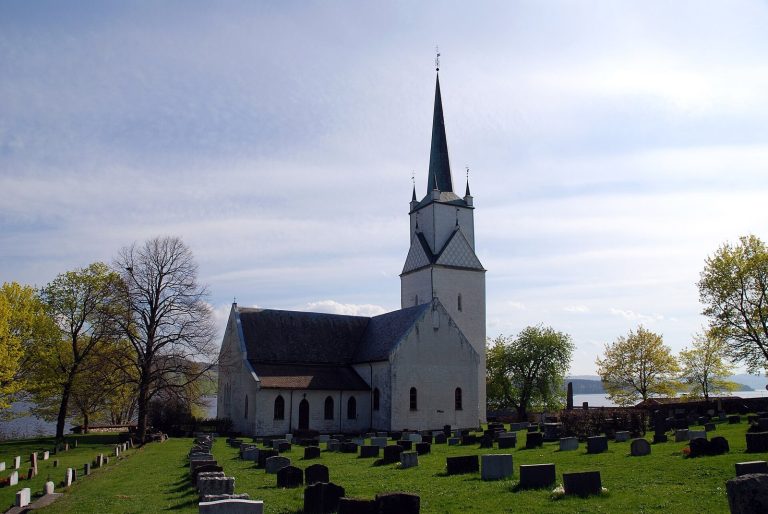
St Nicholas Church, Gran: A Medieval Stone Church
Site at a Glance
- Country
- Norway
- Primary era
- Medieval
- Eras represented
- Medieval, Early Modern, Modern
- Civilizations
- Danish, Norwegian
- Site type
- Religious
- Remains
- Church
On this page13 sections
History
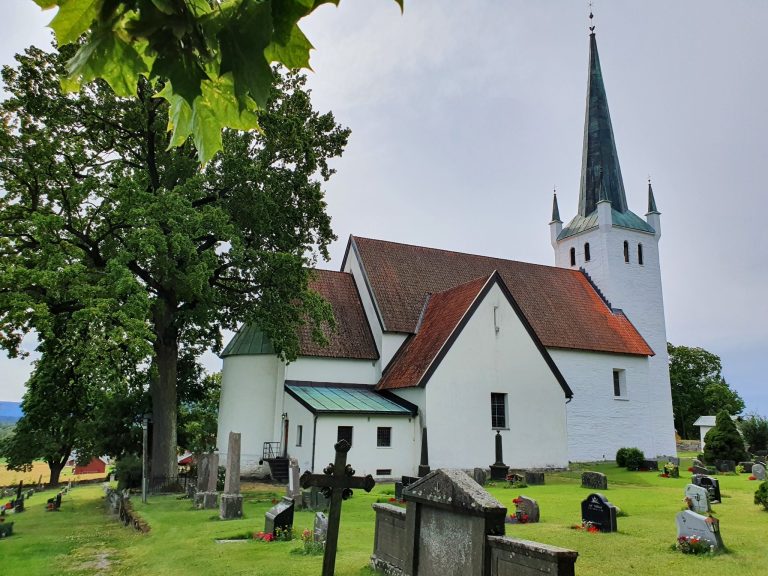
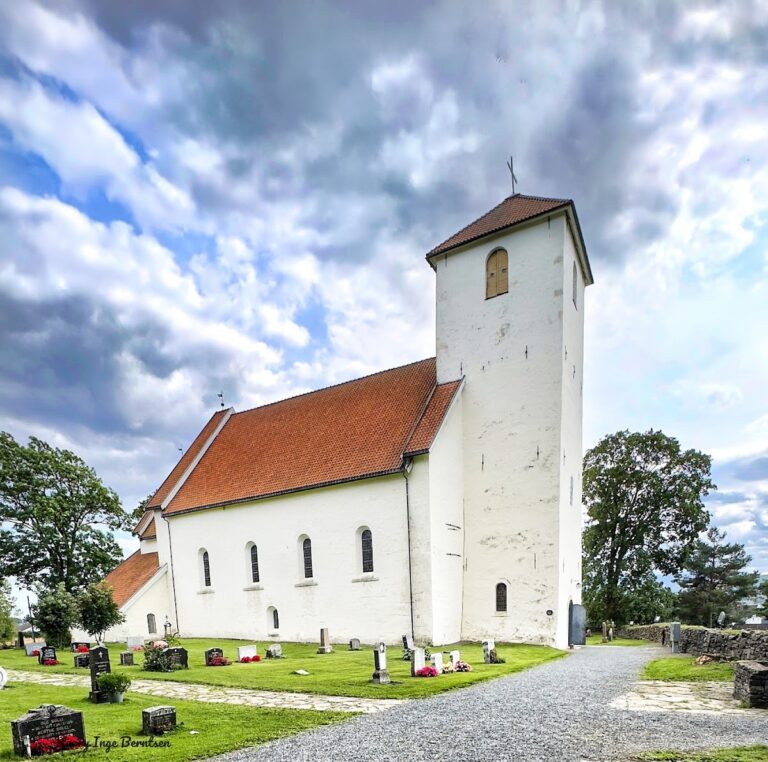
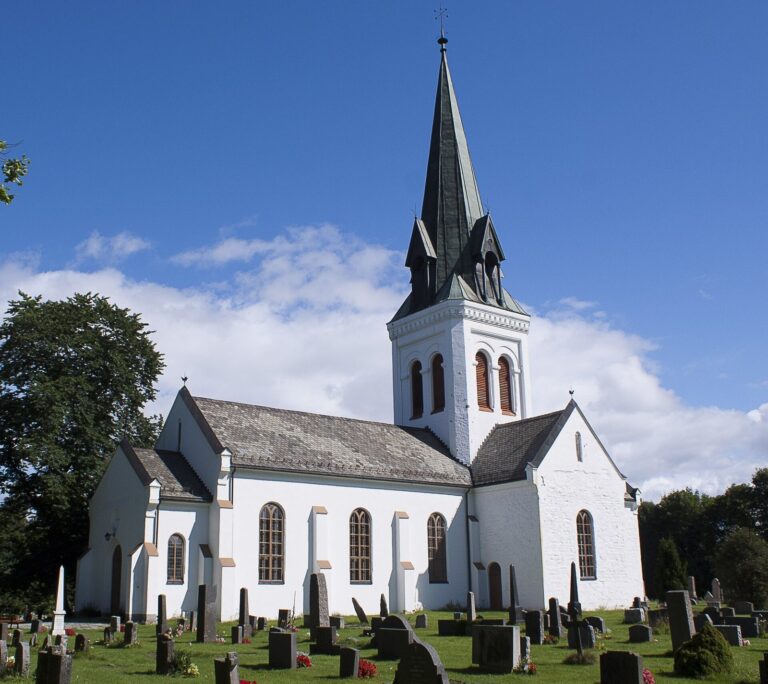
St Nicholas Church, Gran, is a medieval stone church at Granavollen in Gran, Norway. Its first building phase is dated stylistically to the 12th century, and its design reflects Romanesque and Gothic traditions. Romanesque architecture is associated with substantial forms and rounded arches, while Gothic architecture is associated with pointed arches and rib vaults. Dedicated to St Nicholas, a fourth-century bishop of Myra who became widely venerated as a Christian saint, the church is the larger of Gran’s two medieval stone churches known as the Sister Churches. It probably served as a regional church for Hadeland and as a parish church.
Medieval construction
The older Mary Church was probably complete by the time St Nicholas Church was built. St Nicholas is generally placed later in the 12th century, with the establishment of the Diocese of Hamar in 1153 contributing to that dating. The diocese is a territorial church district.
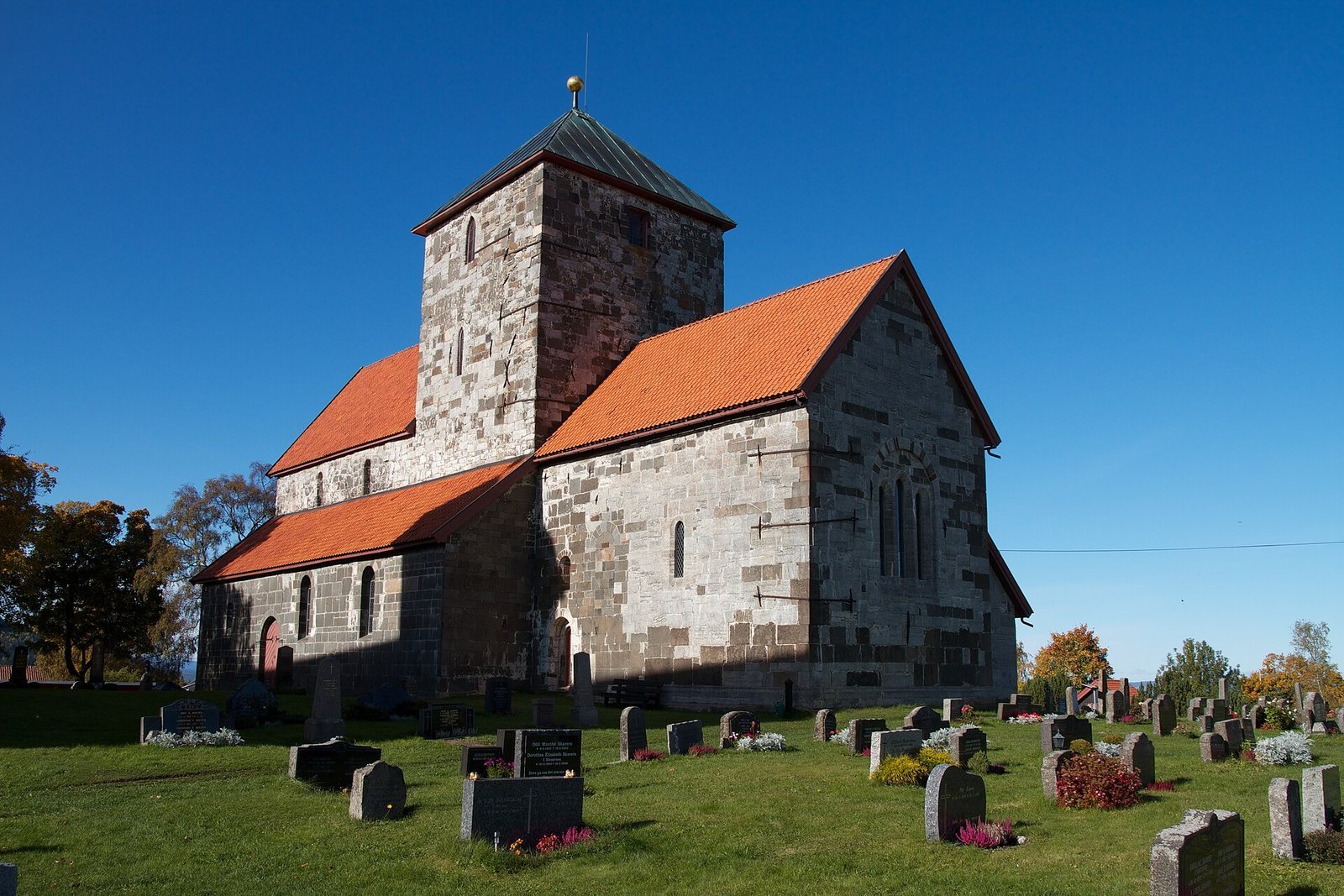
A second building phase took place in the late 13th century or around 1300. A substantial tower was probably added in the late 13th century, and this work changed the chancel from a rounded end to a straight one.
Fire and modernization
A fire in 1799 damaged the church, destroyed much of its original interior, and consumed its tall spire. Modernization in the 1860s removed further interior fabric, and the church was modernized again in 1950.
Remains
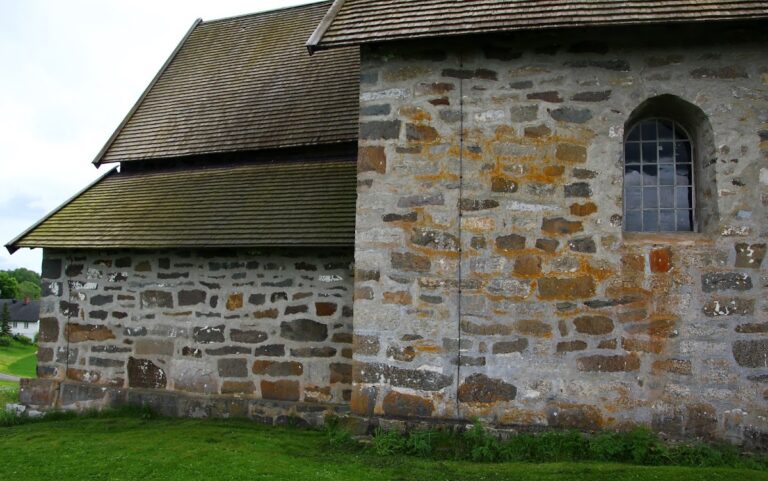
The church is a masonry basilica, meaning it has a central nave flanked by side aisles. The building measures about 35 m long and 15 m wide and has space for 250 people. Its Romanesque and Gothic forms are related to those of the Old Cathedral of Hamar, Gamle Aker Church in Oslo, and Ringsaker Church. These buildings shared a model in Hallvards Cathedral in Oslo, whose design drew on newer churches farther south and east in Europe, unlike the western influences associated with the cathedrals of Trondheim, Bergen, and Stavanger.
Church architecture
Nave and side aisles
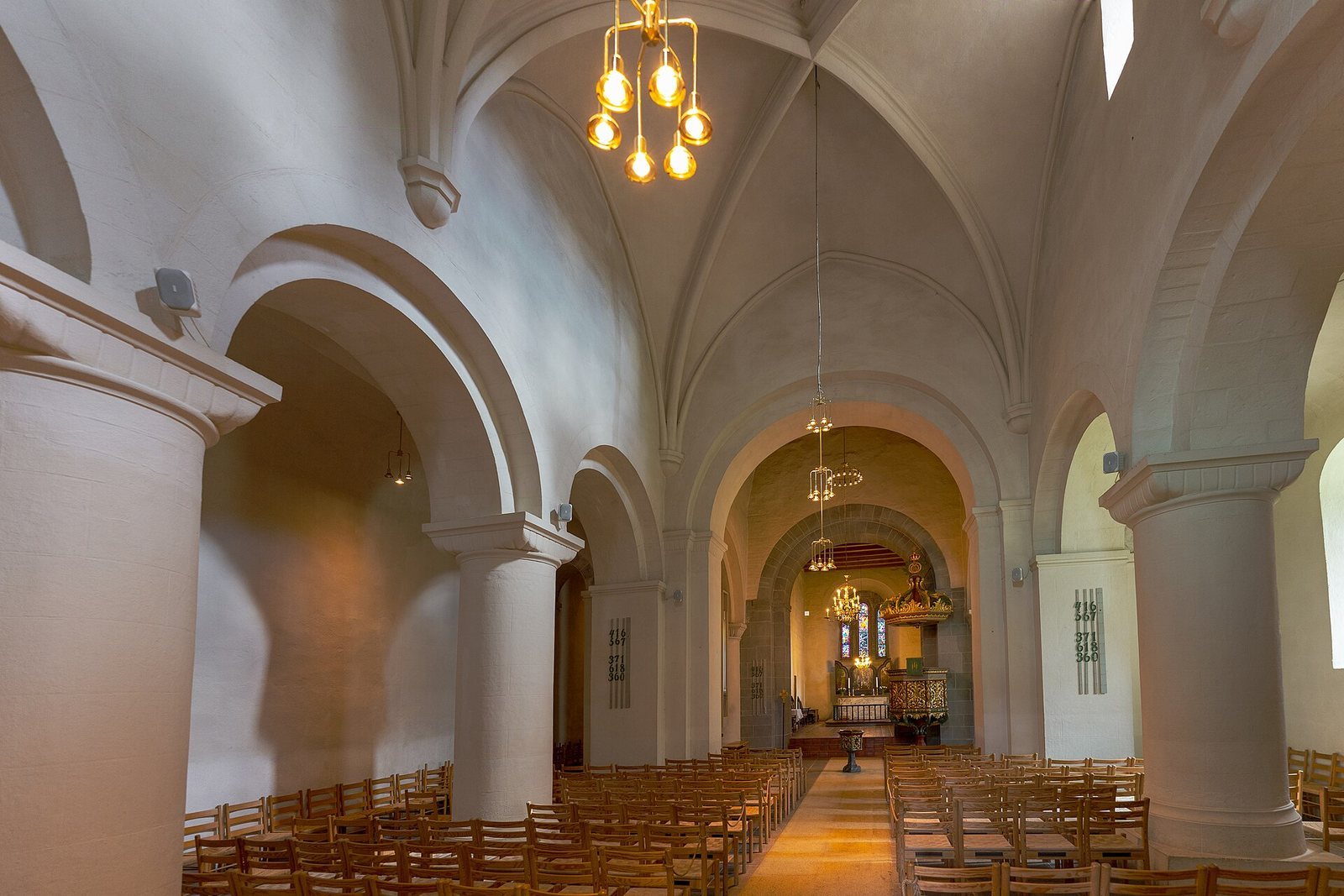
The nave is 21 m long, and powerful Romanesque columns separate it from the two side aisles. The church’s walls are whitewashed, and simple portals framed by columns mark its entrances.
Vaults and chancel
The nave has four-part rib vaults across two sections. In these ceilings, projecting ribs form a framework that divides each vault into four areas. The side aisles have barrel vaults, which are continuous, tunnel-shaped ceilings. The chancel, the area around the altar, measures 12 by 8.5 m; a stone arch frames its straight-ended space.
Tower and churchyard
A central tower forms part of the church. A separate belfry, a structure that houses bells, stands by the southern entrance to the churchyard. A grave monument there commemorates Aasmund Olavsson Vinje (1818–1870), a Norwegian poet and journalist.
Furnishings and artworks
Altarpiece
The altarpiece dates to 1625. Its central scene shows the Crucifixion, flanked by images of the Fall and the bronze serpent. It may have been a winged altarpiece, with panels that opened and closed. The work survived the 1799 fire and periods when it was kept outside the church.
Pulpit and baptismal fonts
The pulpit, made in 1728, is decorated with acanthus ornament. It was restored in 1960 with a new sounding board, and the benches were replaced by loose chairs. The baptismal font is also dated to 1728, although its basin is older. An earlier stone font stood by the west door.
Painted objects
A small alms board in the chancel, used to collect charitable offerings, carries a painting of the Sister Churches before the fires at St Nicholas Church in 1799 and Mary Church in 1813. A painting of the Last Supper, once used as an altarpiece, is also associated with the church.
Windows, organ, and altar table
The church has stained-glass windows, including an eastern window made by Norwegian artist Frøydis Haavardsholm in 1960. Its pipe organ was made in 1979 by Paul Ott of Germany. The altar table dates to 1990–93.