Sekiyado Castle: A Strategic River Castle in Japan
Site at a Glance
- Country
- Japan
- Primary era
- Early Modern
- Eras represented
- Medieval, Early Modern
- Civilizations
- Ashikaga shogunate, Tokugawa
- Site type
- Military
- Remains
- Castle
On this page9 sections
History
Founding and Hōjō campaigns
Sekiyado Castle is a Japanese flatland-style castle at the junction of the Tone and Edogawa rivers in Japan. A fortification was established there during the Muromachi period, which spanned the fourteenth to sixteenth centuries, possibly in 1457. Tradition attributes its foundation to either Yanada Mitsusuke or Yanada Shigesuke. Its position helped control river traffic in northern Kantō and routes toward Edo. The castle became the Yanada family’s principal residence and later the center of administration for Sekiyado Domain, the territory governed by its lord.
In 1558, Ashikaga Yoshiuji entered Sekiyado in an exchange with Yanada Harusuke, who moved to Koga Castle. Between 1565 and 1574, Hōjō Ujiyasu and his sons Ujimasa and Ujiteru attacked the castle three times. Harusuke’s defense had the support of Uesugi Kenshin and Satake Yoshishige, but the Later Hōjō, a powerful ruling house based at Odawara, ultimately took control. They then used Sekiyado as a base for expanding into northern Kantō.
Tokugawa rule and river trade
After the Later Hōjō were defeated at Odawara in 1590, Tokugawa Ieyasu, founder of the Tokugawa shogunate, took control of the region. He sent his brother Matsudaira Yasumoto to Sekiyado to strengthen its role in the defense of Edo. Yasumoto rebuilt the castle and established Sekiyado Domain. Its ruling houses included the Yanada, Later Hōjō, Matsudaira, Ogasawara, Makino, Kuze, and Fujita.
In 1654, the Tone River’s course was changed to reduce flooding in Edo. Its mouth shifted north of the Bōsō Peninsula, seriously disrupting river transport. Domain lord Itakura Shigetsune responded by building a canal between the Tone and Edogawa rivers at Sekiyado, shortening journeys and increasing domain revenue. The shogunate valued the waterway and established a post to control river traffic. In 1705, it assigned the Kuze family to govern the area. The Kuze held the domain for eight generations, through the Edo period, the era of Tokugawa shogunate rule, and until the Meiji Restoration began Japan’s transition to centralized government under the Meiji emperor.
Flood, political upheaval, and dismantling
In 1671, a damaged tower was rebuilt. Flooding in 1742 followed breaches upstream and along the Shinkawa route, severely damaging the castle town and the castle. In 1862, former senior councilor Kuze Hirochika was confined in the castle’s new palace. He had been held responsible for the Sakashita Gate Incident, an attack at Edo Castle’s Sakashita Gate, as well as failures in political and foreign policy.
The castle’s outer enclosure burned in 1870. After the Meiji government ordered former feudal fortifications dismantled, the remaining structures were abandoned in 1872 and demolished by 1875. The castle was sold into private ownership that year.
Remains
Layout and tower
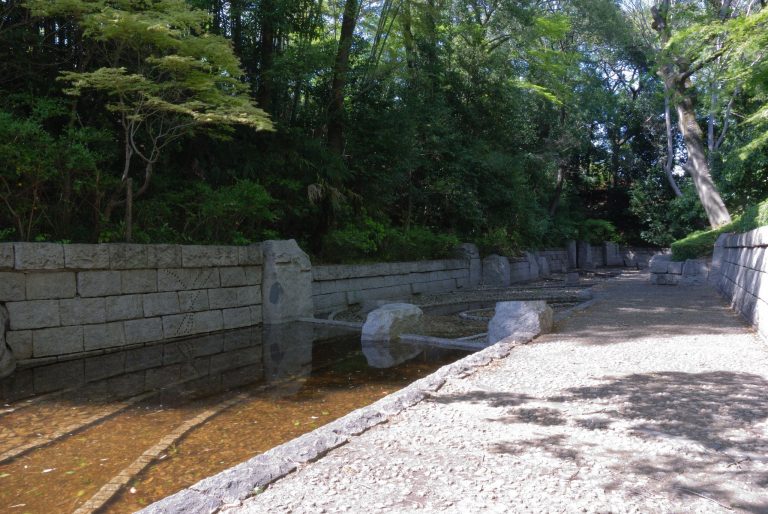
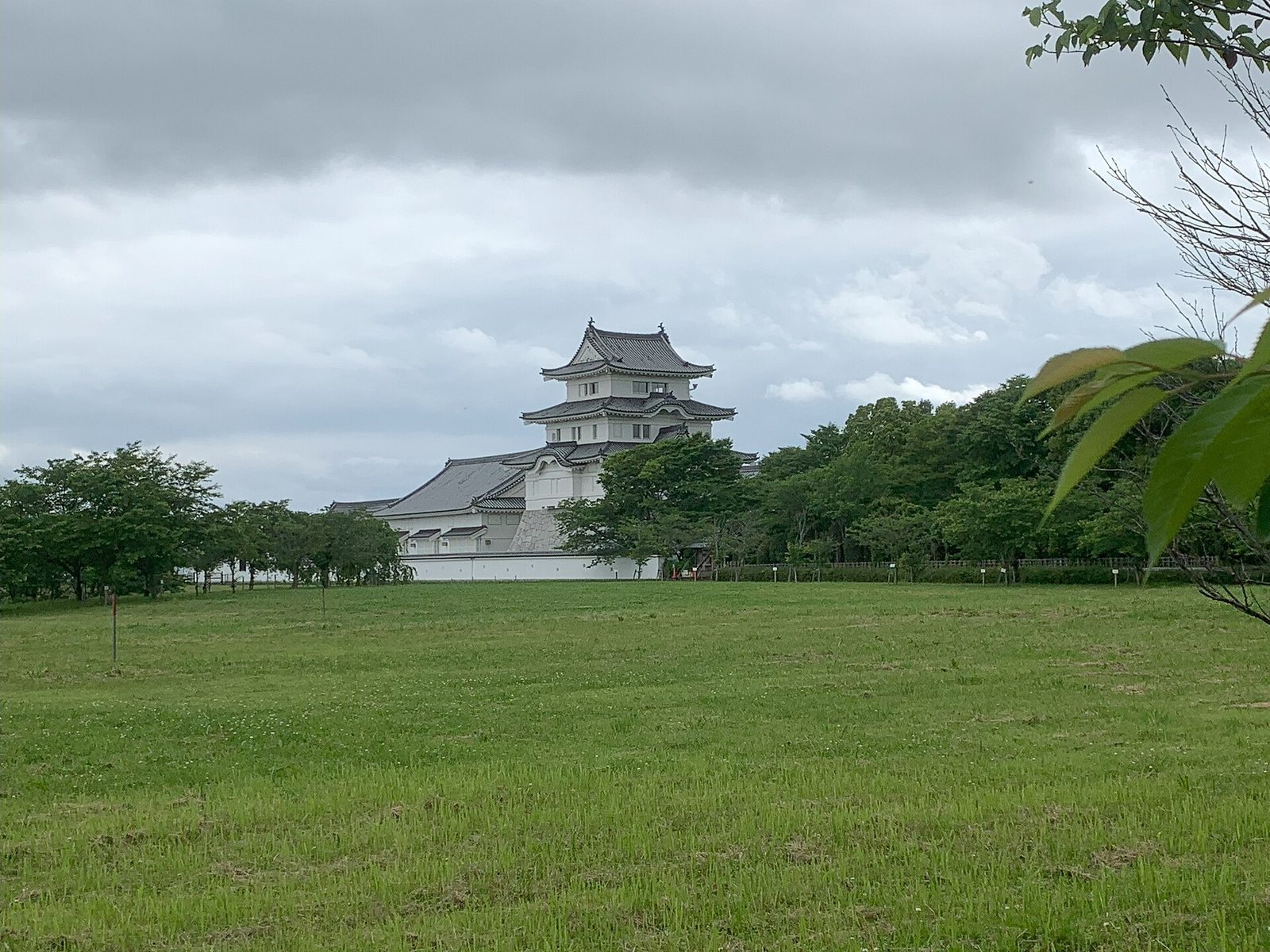
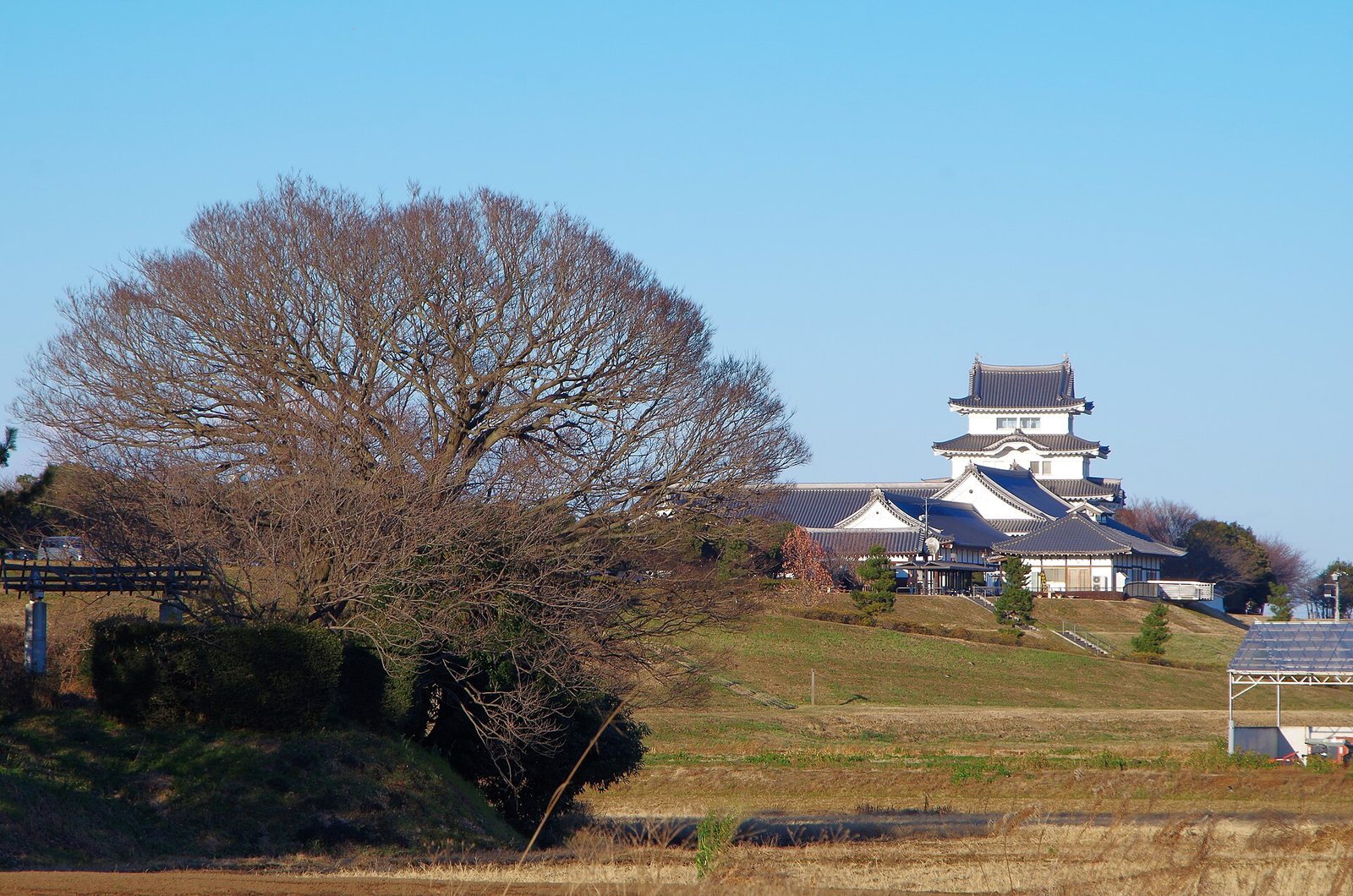
Sekiyado was laid out as a flatland castle, with its design intended to obstruct the Edogawa and shaped by the meeting of the Tone and Edogawa rivers. River works, land consolidation for agriculture, and embankment construction have greatly reduced its surviving remains. A small part of the main enclosure and traces of a dry moat remain. A three-storey tower served as the castle’s principal tower; a castle plan depicts it with a thatched roof on an earthen rampart. The present mock tower, built in 1995 as an annex to the Sekiyado Castle Museum, stands away from the historic castle site. It draws on typical towers at other castles rather than reproducing the original foundations or structure.
Relocated features
Gates
A small secondary gate and another gate believed to have been the main entrance were moved to locations within Noda. A traditional gate with a gabled roof supported by four main posts, attributed to Sekiyado Castle, was relocated to Sakasai Castle.
Guest hall at Jissōji
The guest hall at Jissōji in Sekiyado Daimachi is traditionally identified as part of the castle’s new palace in the main enclosure. It was moved to the temple in 1871.