Magistral Palace: Headquarters of the Sovereign Military Order of Malta in Rome
Site at a Glance
- Country
- Italy
- Primary era
- Early Modern
- Eras represented
- Early Modern
- Civilizations
- Crusader, Knights Hospitaller, Papal States
- Site type
- Civic
- Remains
- Palace
On this page5 sections
History
The Magistral Palace, officially Palazzo Magistrale, is the principal headquarters of the Sovereign Military Order of Malta in Rome, Italy; the Order’s other headquarters is Villa Malta on the Aventine Hill. The Order is a Roman Catholic lay religious order with sovereign standing under international law, and it has owned the palace since 1630. The completed building dates to the seventeenth century.
The Order’s Roman Embassy
The Order of St. John of Jerusalem received Malta from Holy Roman Emperor Charles V in 1530. During the sixteenth century, Maltese-born Italian archaeologist Antonio Bosio bought the palace. He left it to the Order when he died in 1629, and the Order took ownership in 1630. Carlo Aldobrandini enlarged the building to its present size after becoming the Order’s ambassador.
The palace later housed the Order’s ambassador to the Holy See, the Catholic Church’s central governing authority. In the 1720s, Grand Master António Manoel de Vilhena commissioned Maltese architect and poet Carlo Gimach to restore and further decorate the building. It continued to serve as an embassy until 1834.
Loss of Malta and the Order’s Return
French forces under Napoleon Bonaparte arrived in Malta on 12 June 1798. Napoleon left a sizeable garrison and a carefully chosen administration. After a Maltese uprising, British naval commander Lord Nelson took control of the island on 5 September 1800. On 30 March 1814, the Treaty of Paris made Malta a British colony, leaving the Order without territory and effectively disbanded.
In 1834, the Order was re-established under the name Sovereign Military Hospitaller Order of St. John of Jerusalem, Rhodes and Malta, commonly known as the Sovereign Military Order of Malta. That year it established its headquarters in the palace.
Legal Status and Later History
In 1869, the Italian government granted extraterritorial status to the Magistral Palace and Villa Malta. This provides certain legal privileges and immunities from ordinary Italian jurisdiction, but does not make either property sovereign territory. The Order is recognized by 110 countries as a sovereign entity and maintains mutual diplomatic relations with them.
The palace underwent extensive renovation from 1889 to 1894. On 26 January 1938, Spanish royal Juan Carlos, later King Juan Carlos I, was baptized there in a ceremony led by Cardinal Pacelli, who later became Pope Pius XII.
Matthew Festing, who served as the Order’s Prince and Grand Master, lived in the palace from 2008 until his resignation in 2017 after a dispute with the Vatican.
Remains
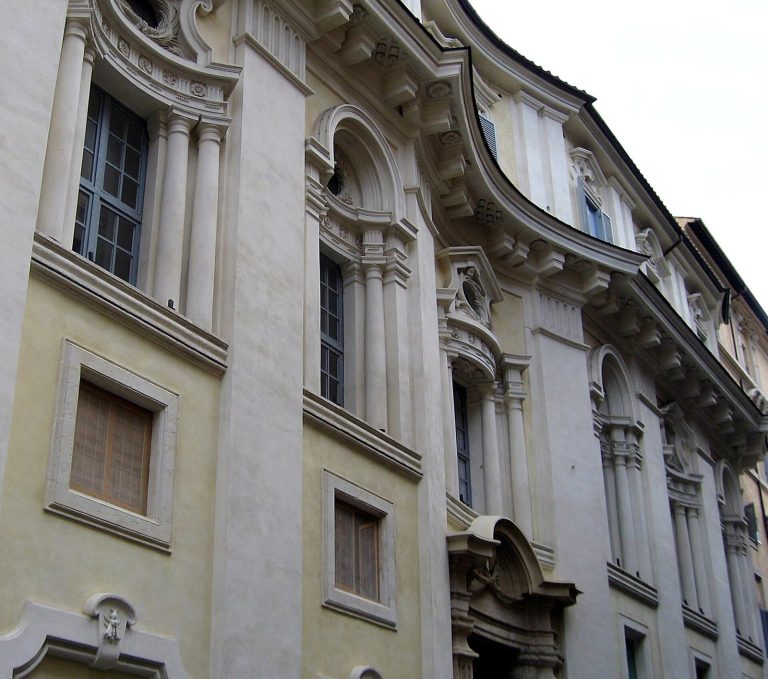
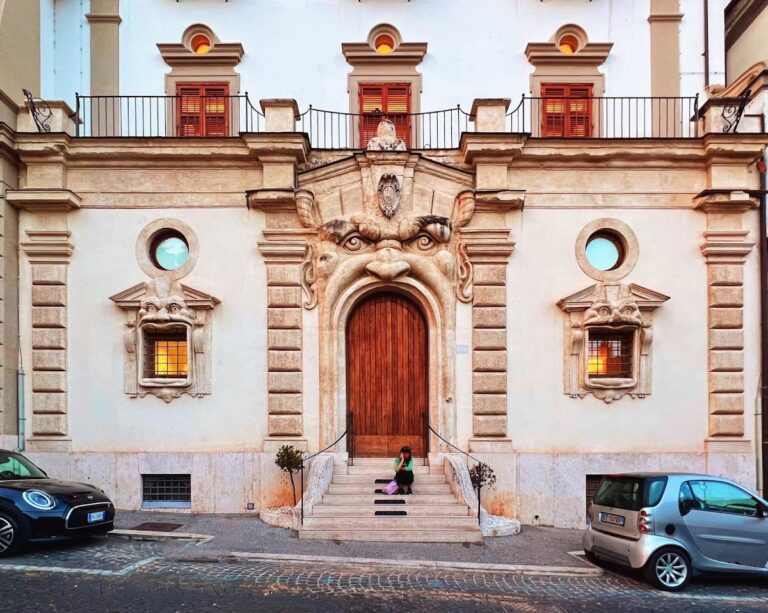
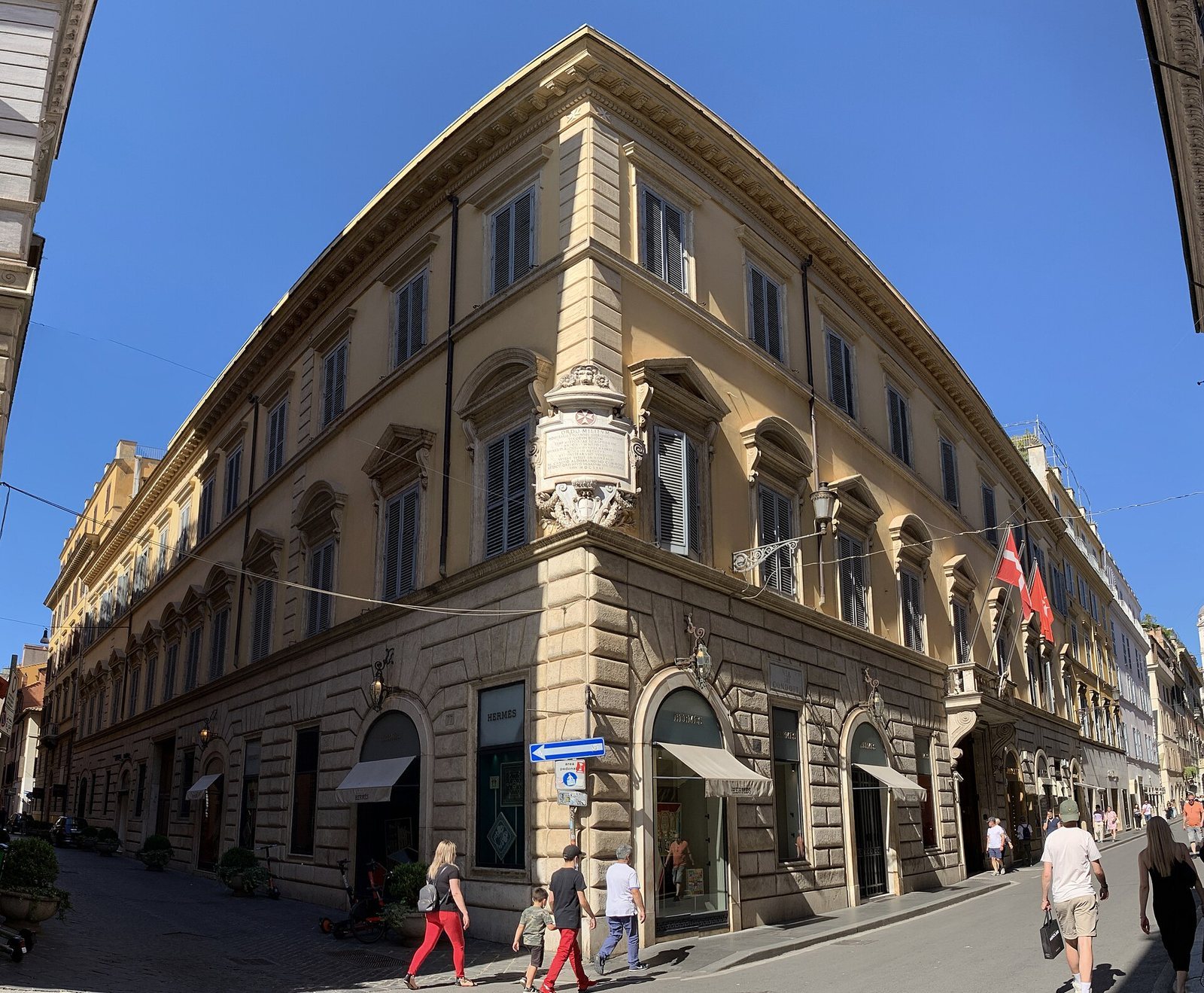
The seventeenth-century palace is built of ashlar, finely dressed stone laid in regular blocks, and topped by a corbelled cornice, an overhanging edge supported by outward-projecting masonry courses. Most of the building’s original features remain.
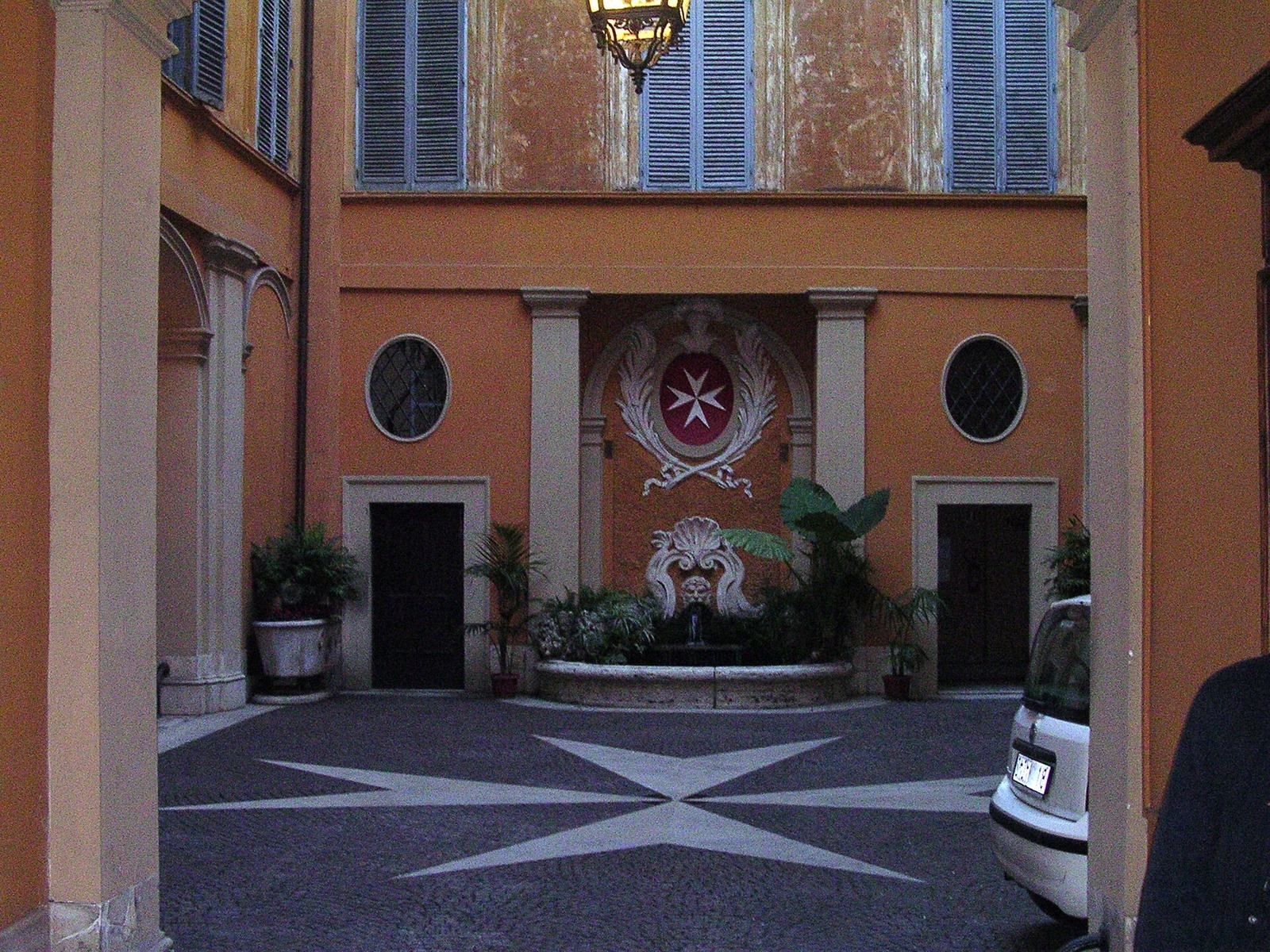
A large fountain occupies the courtyard. It was added during the palace’s restoration in the 1720s.