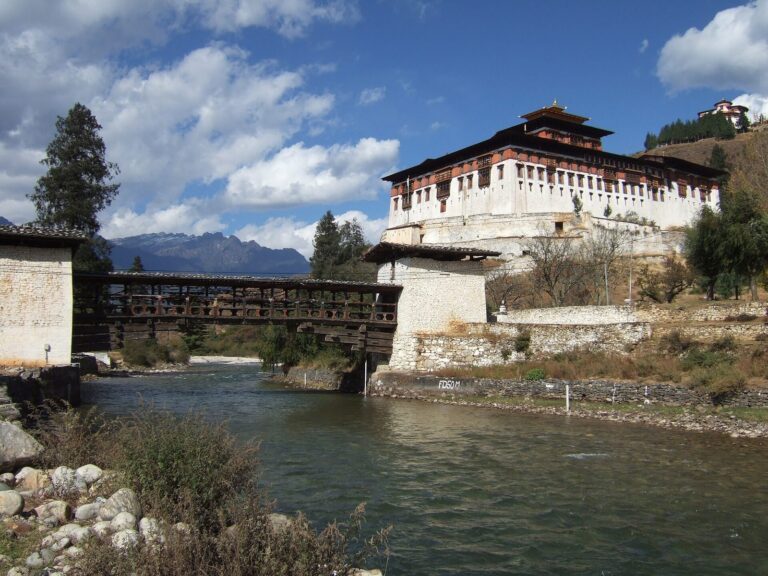
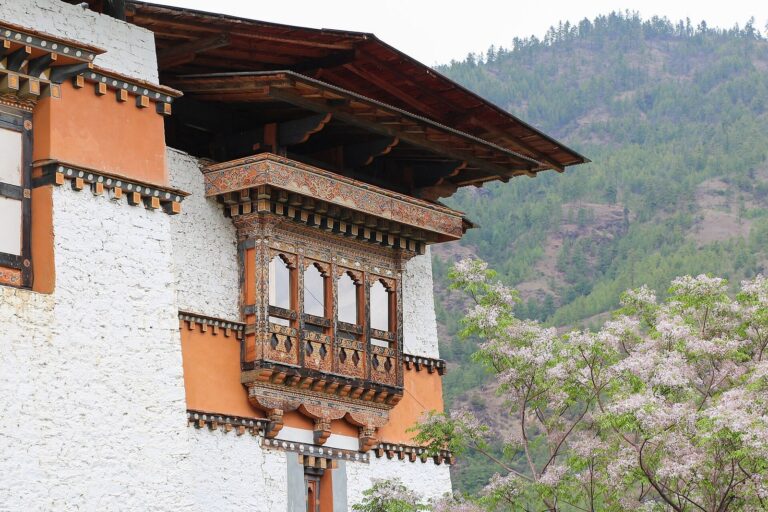
Lingzhi Yügyal Dzong: A Bhutanese Frontier Monastery and Administrative Complex
Site at a Glance
- Country
- Bhutan
- Primary era
- Early Modern
- Eras represented
- Early Modern
- Civilizations
- Unclassified
- Site type
- Religious
- Remains
- Fortified Monastery
On this page7 sections
History
Lingzhi Yügyal Dzong is a Bhutanese dzong, a fortified complex combining monastic, administrative, and defensive roles, above Lingzhi village in Bhutan. Built in 1668 by Bhutan’s third Desi, or secular ruler, Chögyal Minjur Tenpa, it is one of the country’s oldest historic dzongs. As a monastery of the Drukpa Kagyu, a Tibetan Buddhist lineage influential in Bhutan, and a stronghold on the Bhutan–Tibet frontier, it served both religious and strategic purposes.
Sacred traditions and early passage
Religious tradition connects the sacred landscape around Lingzhi with Guru Rinpoche, also known as Padmasambhava, a major figure in Tibetan Buddhism, and Phajo Drugom Zhigpo, a Buddhist master associated with the spread of the Drukpa Kagyu tradition in Bhutan. The tradition says Guru Rinpoche blessed the area and foretold that Phajo would receive a sacred place there, including a separate fortress, settlements, and pastoral lands. It also relates that Phajo subdued a harmful omen represented by a serpent’s head and a donkey’s tail.
In 1616, Shabdrung Ngawang Namgyal, the Buddhist leader who unified Bhutan, passed through Lingzhi while travelling into the country. Gyalwa Shakya Rinchen, the ninth Je Khenpo, or chief abbot of Bhutan’s central monastic body, later passed through the dzong on a secret journey to Tibet. Government troops captured him and imprisoned him there.
Foundation and frontier conflict
Minjur Tenpa built the dzong to commemorate a Bhutanese victory over a Tibetan invasion and named it Yügyal Dzong, meaning “Victorious Fortress.” The battle followed an initial setback in which many people were killed and a commander escaped with help from a religious leader. Minjur Tenpa called in reinforcements from Jakar in Bumthang and sent the remaining monastic troops to support the forces at Lingzhi. The Bhutanese then defeated the invading Gelugpa, another Tibetan Buddhist school. The dzong’s position made it important for controlling and defending the frontier.
Earthquakes and rebuilding
An earthquake partly damaged the monastery in 1867. A stronger earthquake on 12 June 1897 caused major damage, after which the dzong underwent extensive restoration in recognition of its historical importance and frontier role. It was reconstructed in the 1950s and used as an administrative center. Renovation began in 2005 and remained underway in 2010.
An earthquake in September 2011 severely damaged the complex. Monks and administrative officials moved elsewhere, and the dzong stood unoccupied for several years. Reconstruction began in 2018 under the leadership of the Bhutanese king. The complex also serves religious and administrative purposes: a lama and more than 30 monks conduct national religious rites there, and the Drungpa, or sub-district administrator, has an office in the dzong.
Remains
The dzong complex
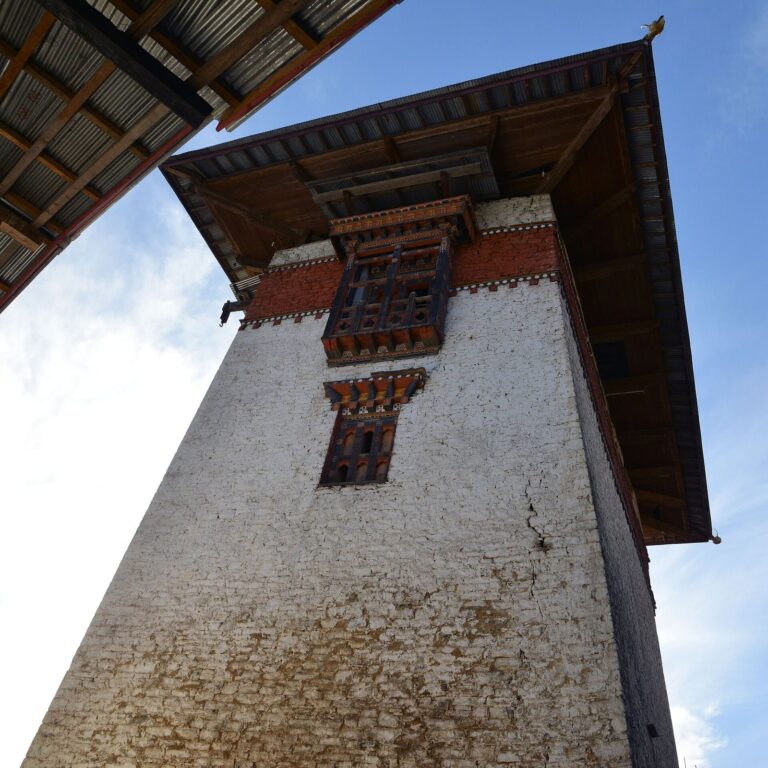
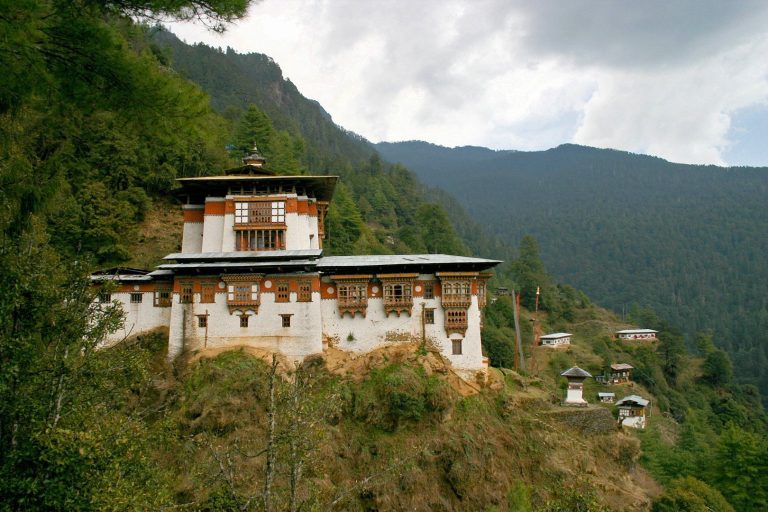
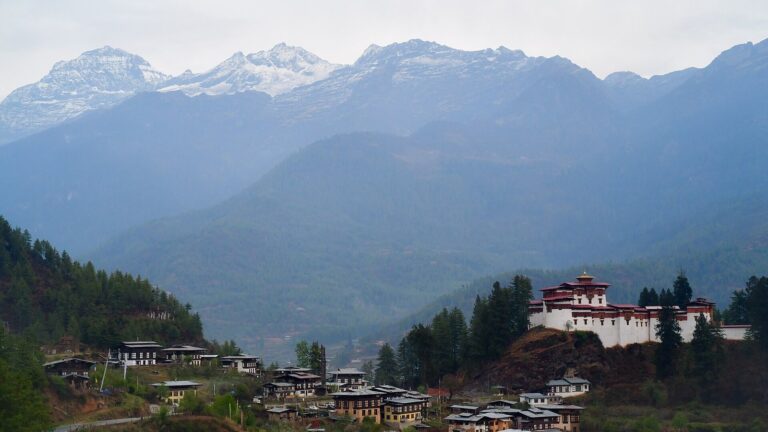
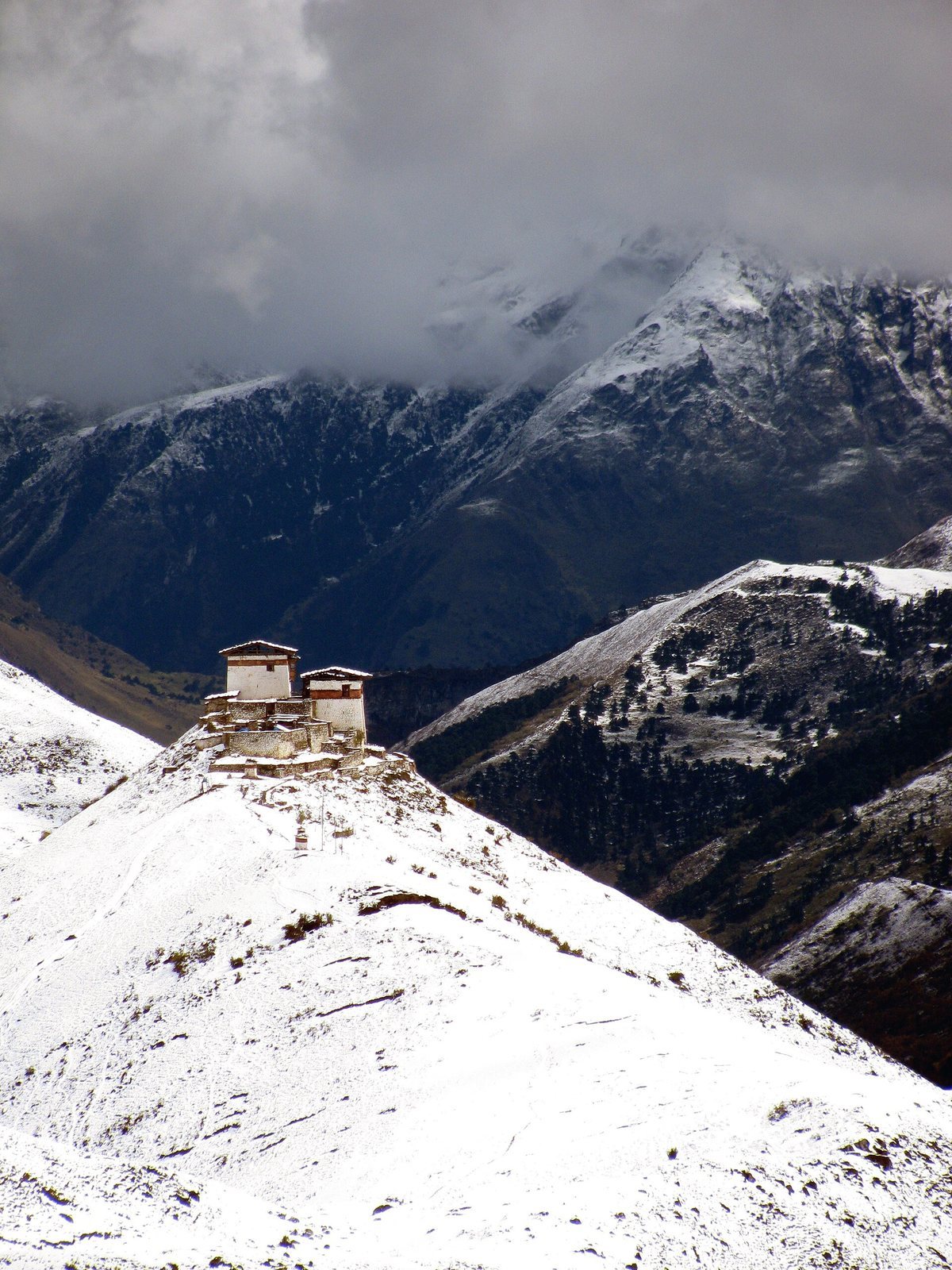
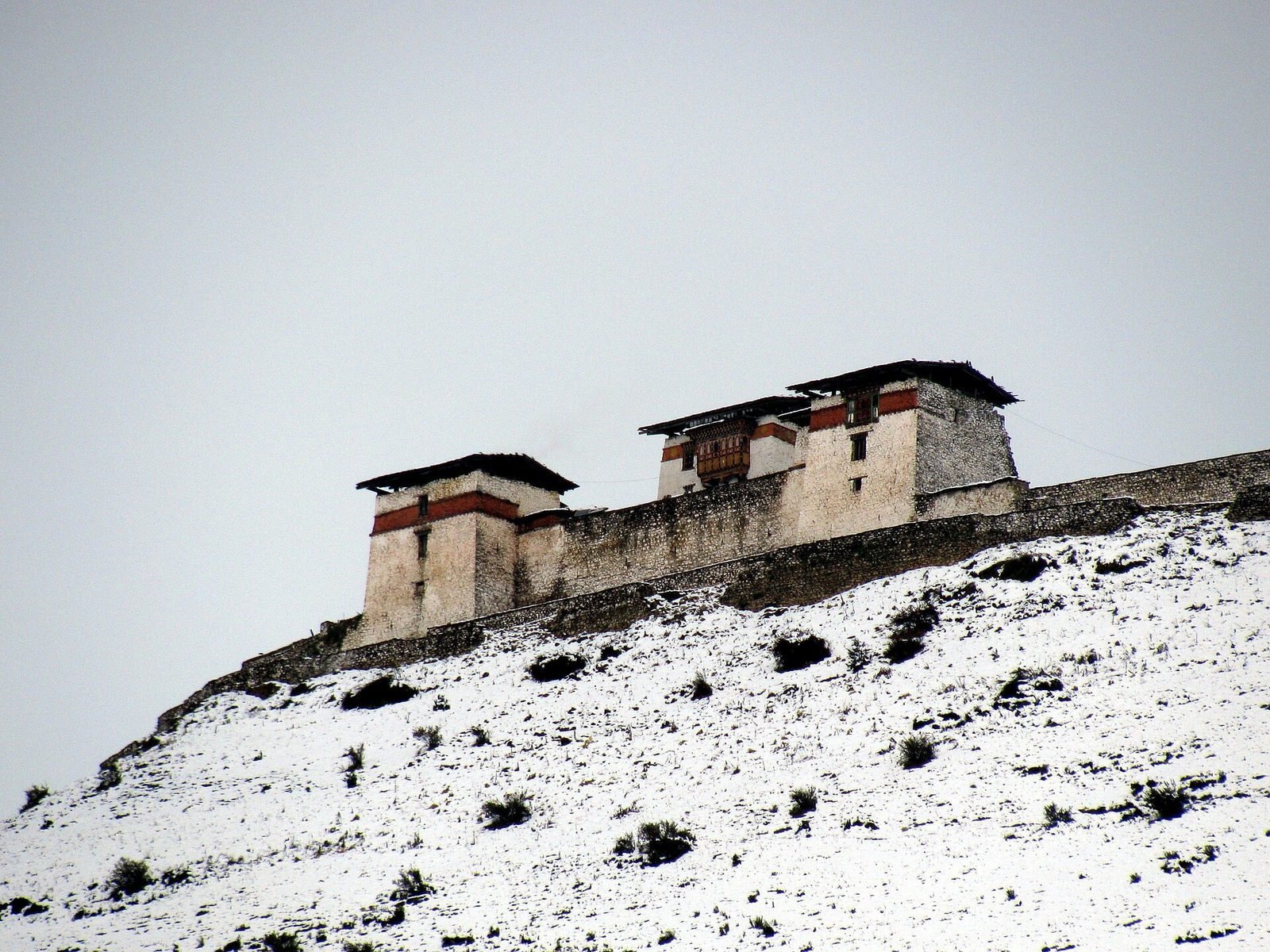
The fortified complex stands at about 4,150 metres above sea level on a rise above Lingzhi village. Snow-covered high mountains surround the site and are described as forming a natural defensive wall. Within the complex are a prison and places where sacred objects are kept. Its central tower, called an utse, was dismantled beginning in 2019 for reconstruction.
Sacred landscape
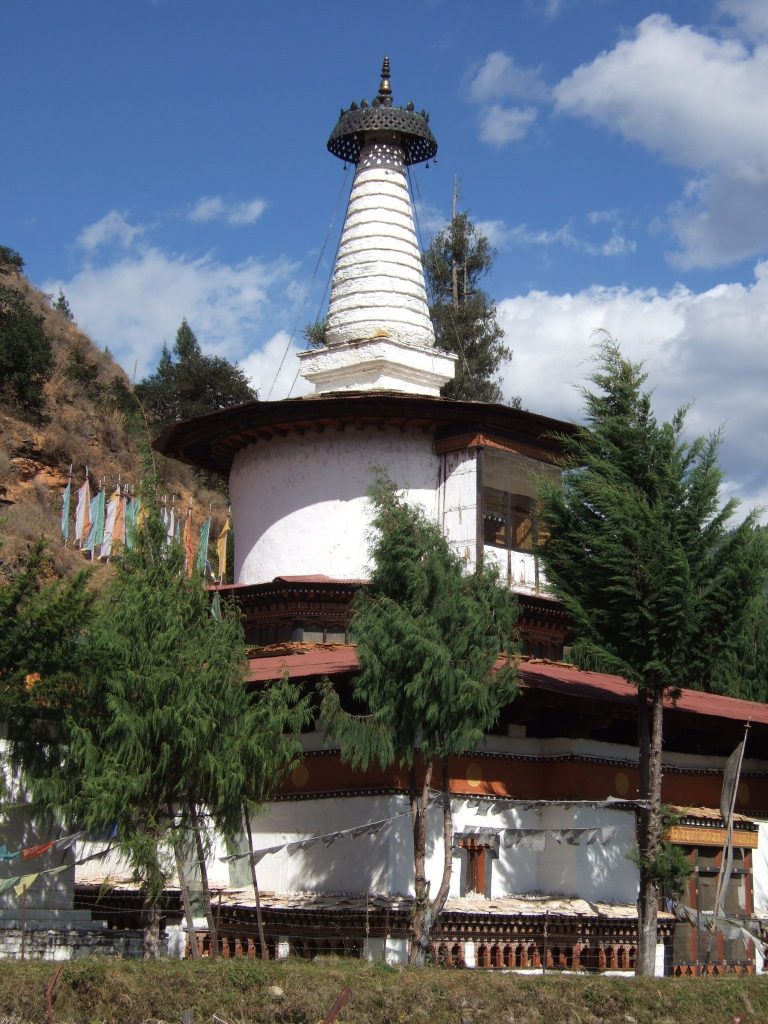
The surrounding landscape includes a meditation retreat and cave about an hour’s walk to the dzong’s right, as well as a stupa, a Buddhist reliquary monument, and stones associated with Phajo. Other sacred places include a separate fortress, a meditation cave, a charnel ground, a place associated with corpse disposal and Buddhist reflection on impermanence, and sites linked to the subduing of harmful omens. A nearby stream is traditionally said to have eight auspicious qualities of water, including coolness, sweetness, lightness, and softness. The landscape has also been likened to a pure mandala, a symbolic representation of the Buddhist cosmos presented as an offering.