Gasa Dzong: A Bhutanese Fortress-Monastery and Administrative Center
Site at a Glance
- Country
- Bhutan
- Primary era
- Early Modern
- Eras represented
- Early Modern
- Civilizations
- Bhutanese
- Site type
- Military
- Remains
- Fort
On this page7 sections
History
Meditation site and construction
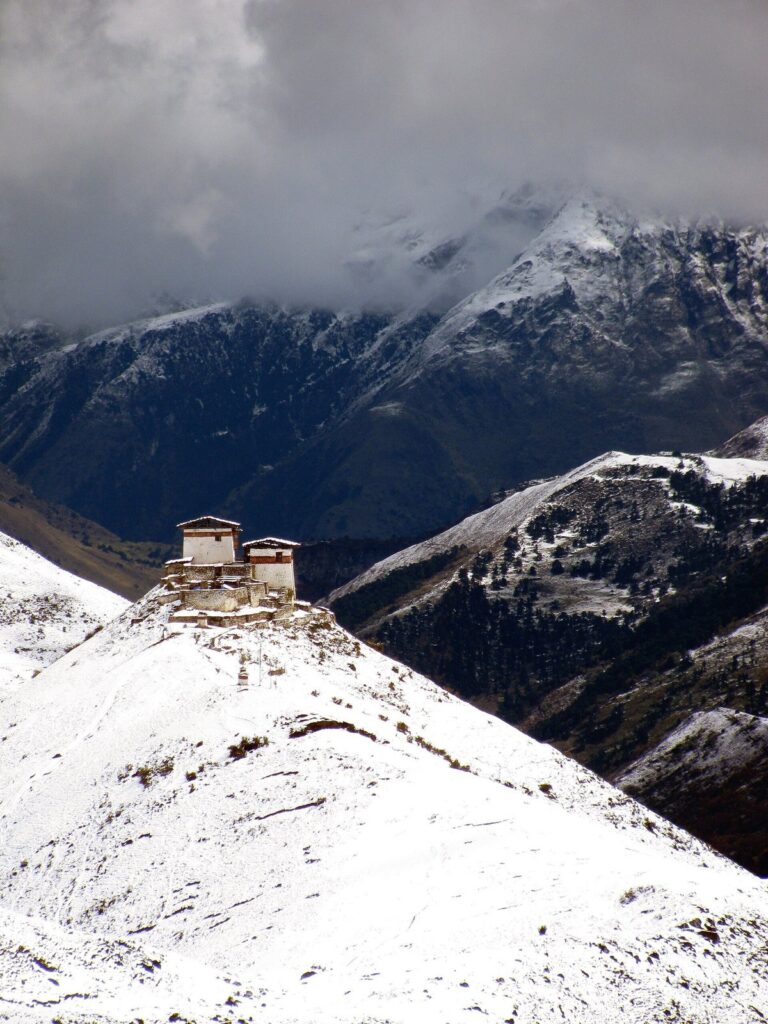
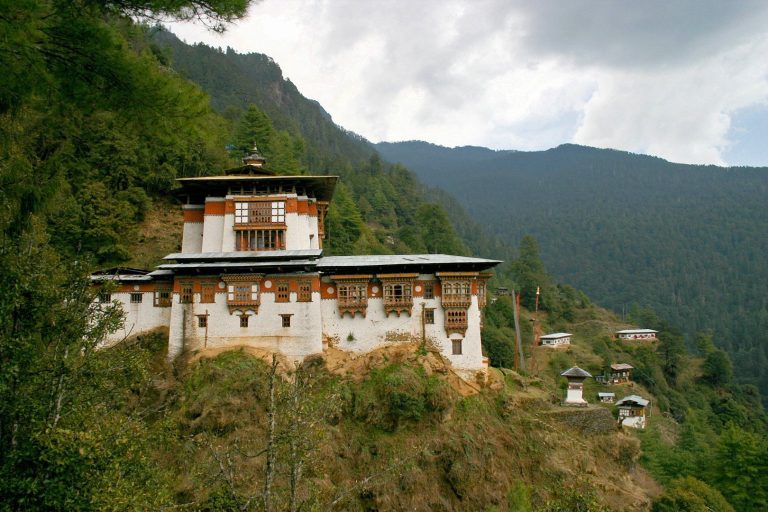
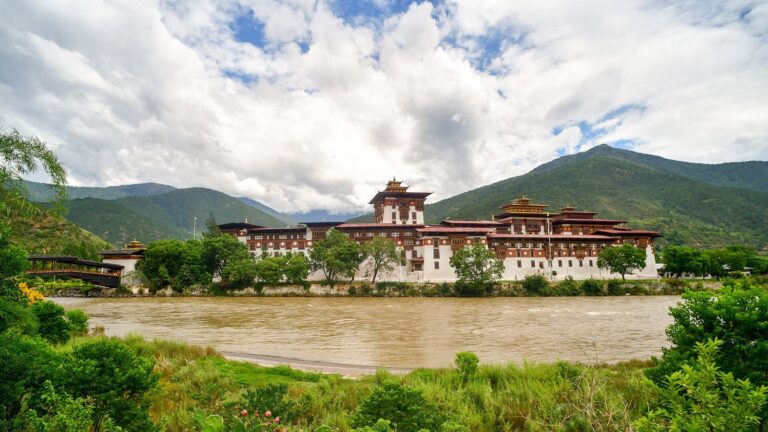
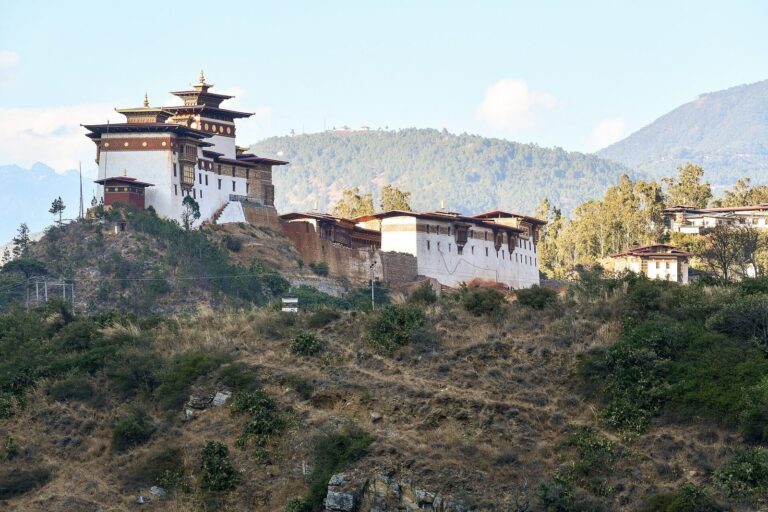
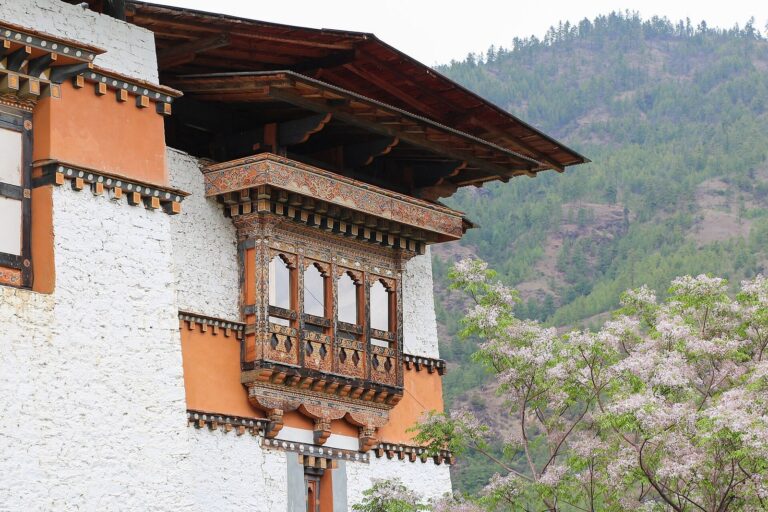
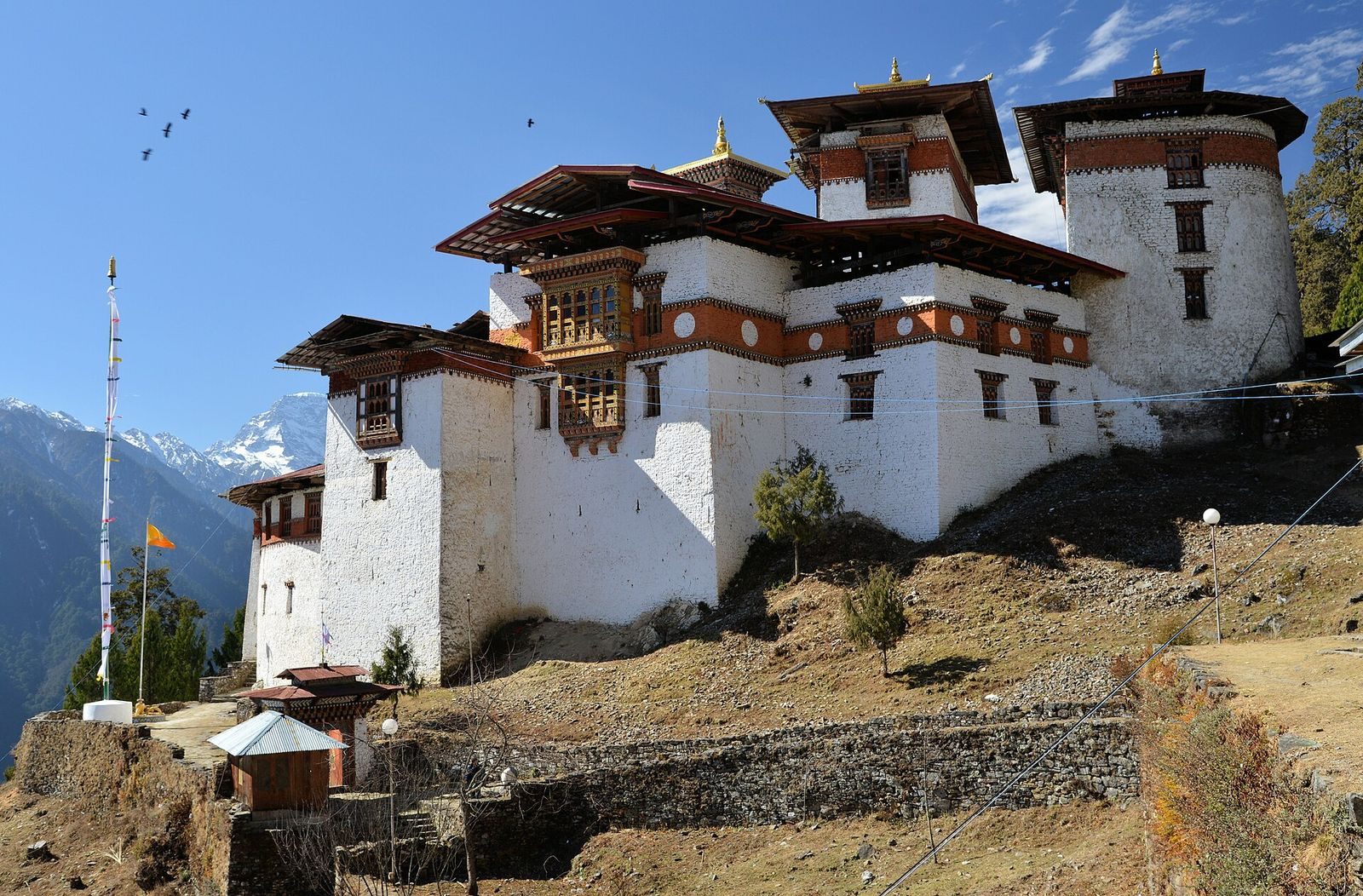
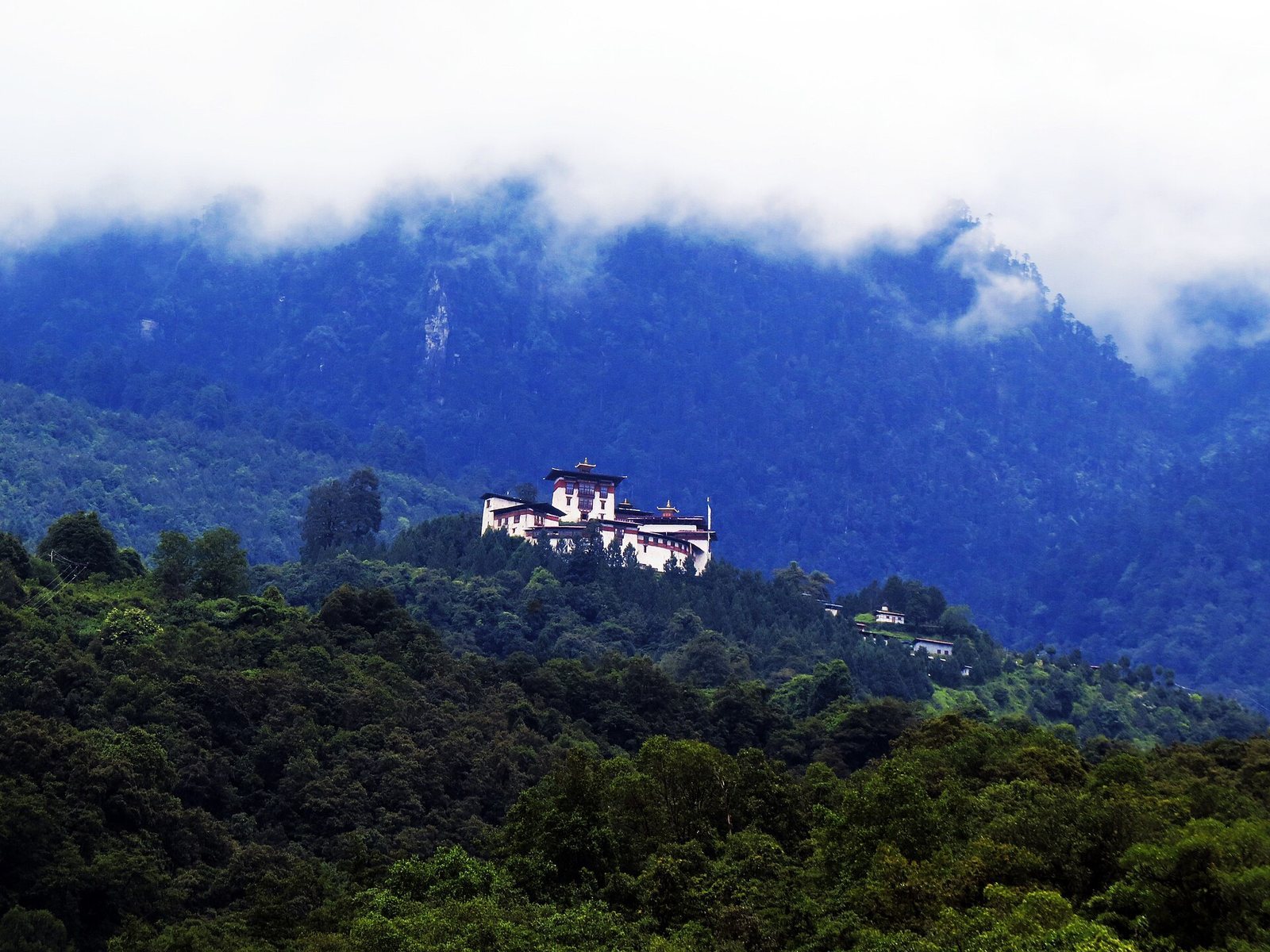
Gasa Dzong is a Bhutanese fortress-monastery near Gasa in northwestern Bhutan, built in the 17th century by Tenzin Drukdra, the second Druk Desi, to defend against attacks from the north and guard the border with Tibet. The Druk Desi was a senior office in Bhutan’s traditional government. The dzong stands on the site of a 13th-century meditation place established by Drubthob Terkungpa, a meditation master.
An early-17th-century legend links the dzong’s name to a local deity. While traveling from Tibet to Bhutan, Zhabdrung Ngawang Namgyal, a Tibetan Buddhist leader central to Bhutan’s formation, is said to have met the deity at Tsari Kibuthang, blessed it, and named it Tashi Thongmön. The dzong was later named for the deity, who was regarded as its protector.
Expansion and public roles
Gyalse Tenzin Rabgye, the fourth Druk Desi, enlarged the dzong. He placed a ritual object in its Guardian’s Temple and performed a consecration ceremony. Gasa Dzong is affiliated with Tibetan Buddhism and the Drukpa Kagyu lineage, a branch of the Kagyu school. It serves as the administrative center of Gasa Dzongkhag, or district, and houses the district administration, monastic leadership, and district court. The district governor, known as the Dzongpon, is also based there.
Religious traditions and observances
Local tradition likens the surrounding landscape to Tsheringma, a goddess associated with long life, and places the dzong on the figure’s chest. The annual Gasa Tsechu, a Buddhist festival of rituals and performances, takes place at the same time as the Thimphu Tsechu. Its first day is held at Phu Lhakhang, regarded as the festival’s original venue.
Annual offerings to local deities take place in the final week of the tenth month of the Tibetan calendar, around late November. On the 29th day, rituals for Mahakala, a Buddhist protector deity, include a gun salute. Monks led by a teacher from the central monastic body take part, and Bon lamas, followers of a Tibetan religious tradition, are invited to make offerings to Mahakala. A local story says that a learned Bon lama in Terkungpa’s time demonstrated spiritual powers by walking up a cliff and earned Terkungpa’s respect. A Bon lama attends the Mahakala offerings in ceremonial dress in his honor.
A fire in January 2008 badly damaged the dzong.
Remains
Setting and defensive plan
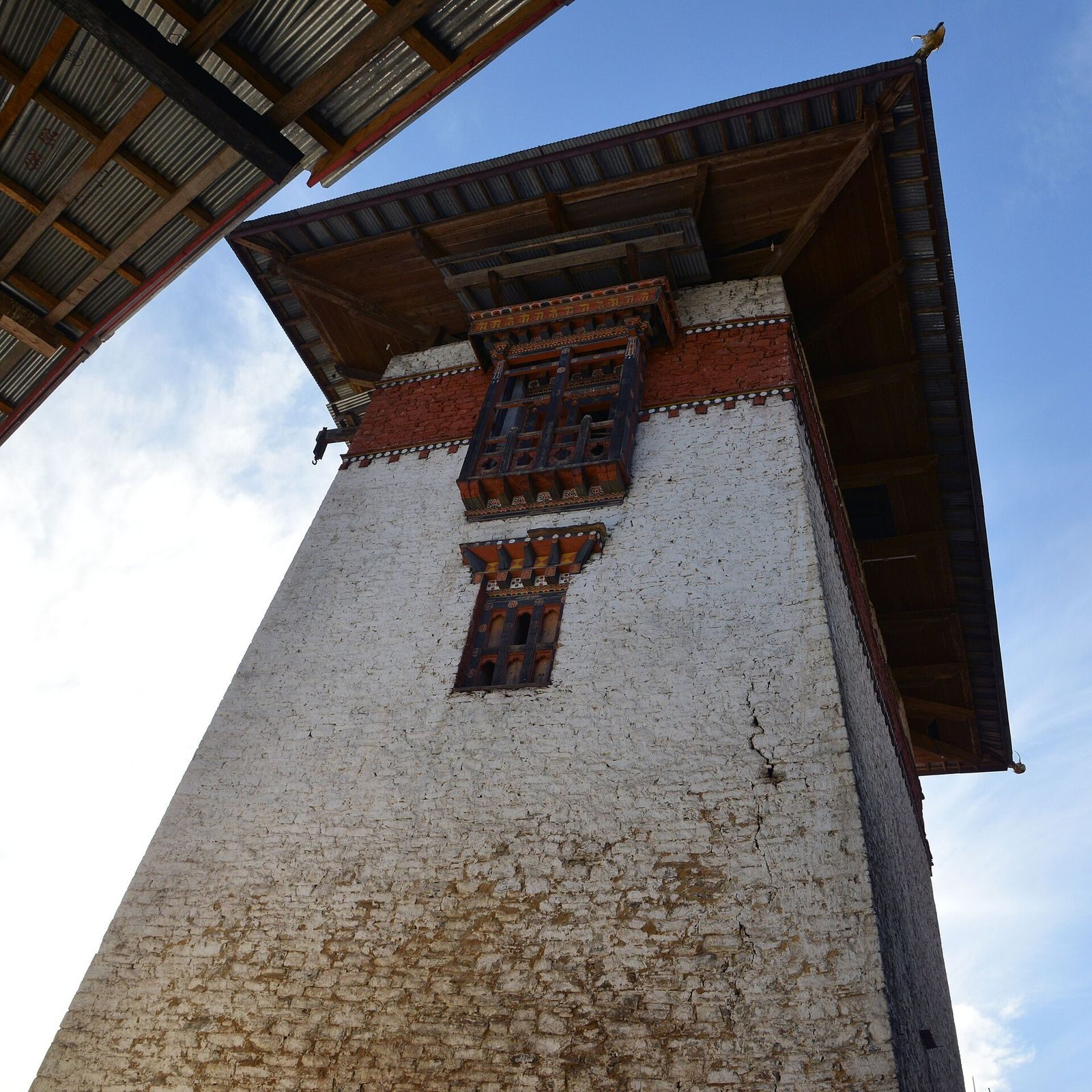
The dzong occupies elevated ground at about 2,850 metres above the Mo Chhu valley, near the Tibetan border, with a steep mountain slope behind it. Its plan is unusually round. Three watchtowers rise above the walls; only their ruins survive. Narrow openings in the towers served for observation, and their garrisons monitored routes from Lingzhi to the northwest and Laya to the northeast.
Central tower and interior buildings
The three-storey central tower stands above a subterranean cave traditionally associated with Terkungpa’s meditation. A temple to the left of the cave contains three Buddha statues, along with statues of Zhabdrung and Guru Rinpoche, the widely revered name for Padmasambhava in Himalayan Buddhism. Administrative rooms and the Gasa Dzongpon’s seat lie below the cave. The dzong also contains a special room associated with Zhabdrung’s stays during his visits, as well as the Guardian’s Temple.