James Joyce Tower and Museum: A Martello Tower and Literary Museum
Site at a Glance
- Country
- Ireland
- Primary era
- Modern
- Eras represented
- Modern
- Civilizations
- British, Irish
- Site type
- Military
- Remains
- Tower
On this page8 sections
History
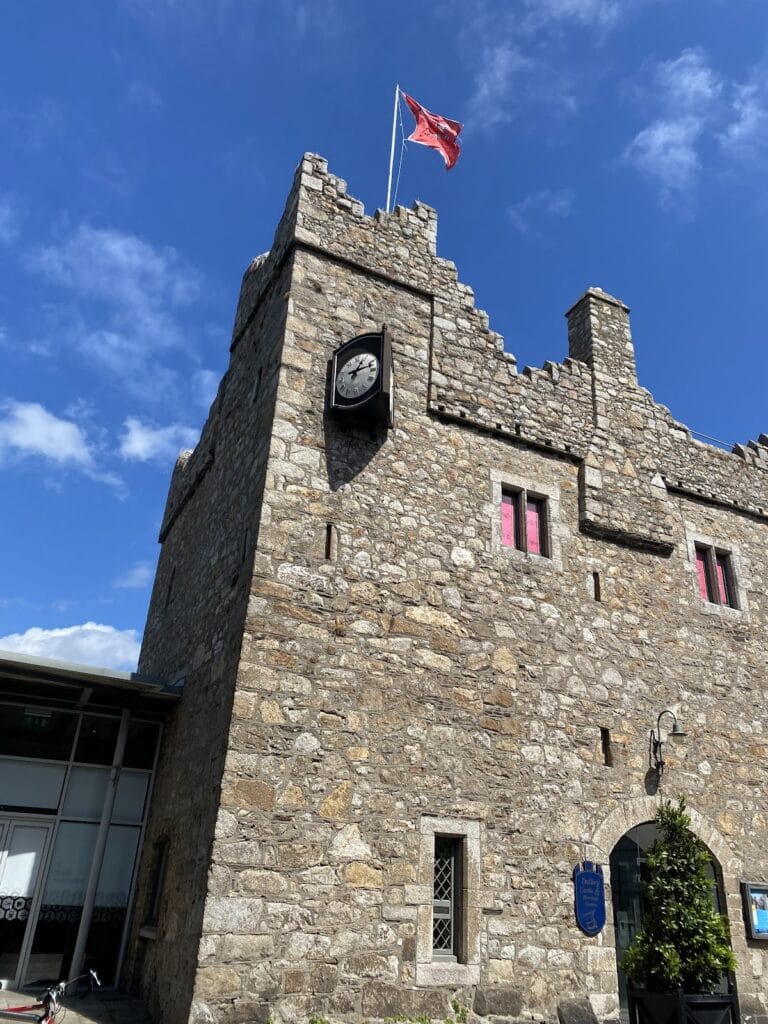
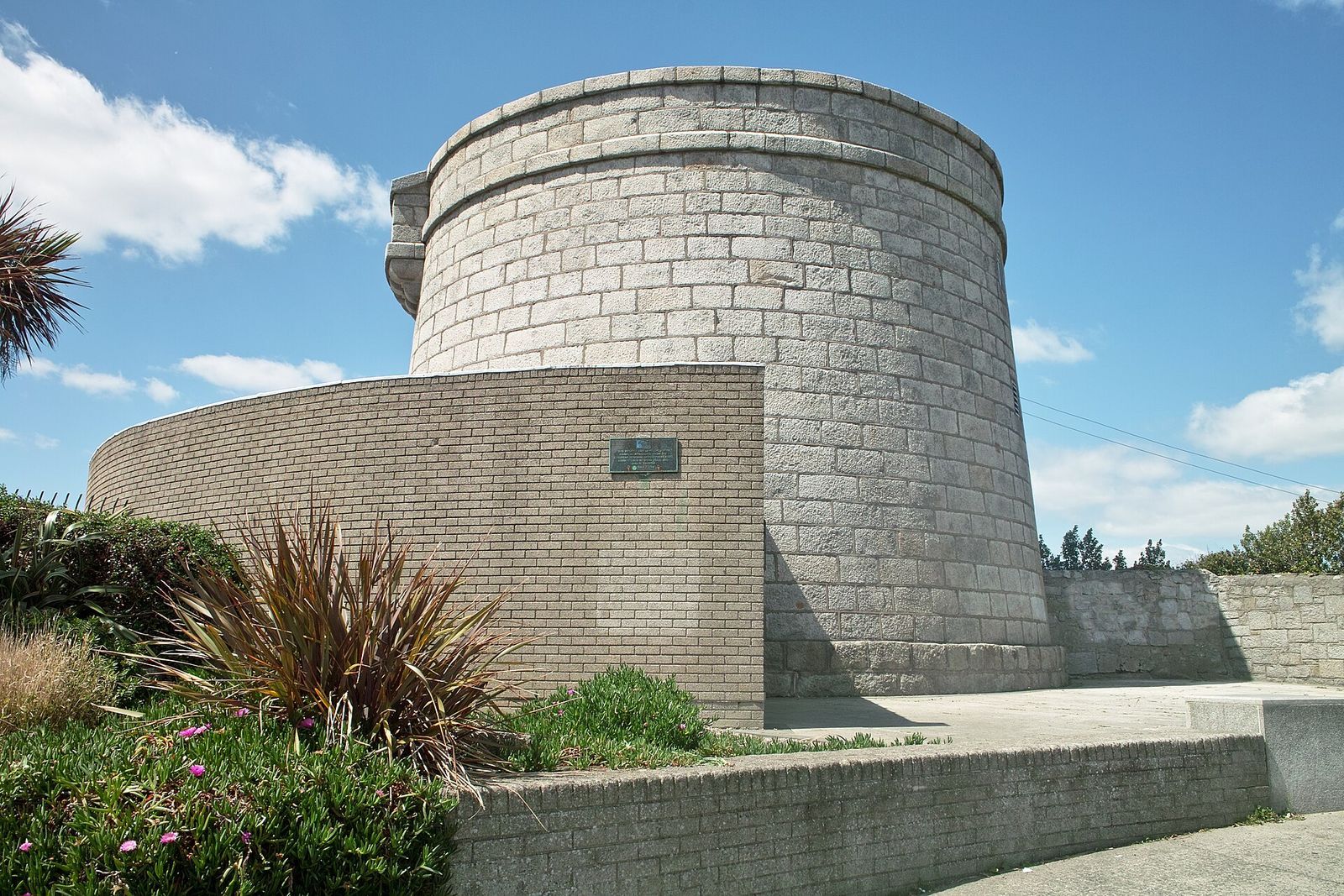
The James Joyce Tower and Museum is a Martello tower, a compact circular fortification designed for artillery, at Sandycove Point in Sandycove, Dublin, Ireland. Built from 1804 to 1806, it belonged to the early phase of Martello-tower construction in Ireland. It was one of 26 such towers around Dublin and served as a military fortification before becoming closely associated with James Joyce and the opening of his novel Ulysses.
Gogarty, Joyce, and Ulysses
In 1904, Oliver St. John Gogarty leased the tower from the War Office, the British government department responsible for military affairs, for £12 a year. He hoped to establish a writers’ colony there and encourage Greek cultural influence in Ireland. Joyce, his friend from university, moved in on 9 September and stayed until 14 September, doing household work in return for accommodation.
Joyce left suddenly after a gun incident. A fellow resident, startled by a nightmare about a black panther, fired a loaded revolver, which Gogarty took from him. When the resident later woke screaming again, Gogarty fired the weapon, dislodging a shelf that fell onto Joyce. Joyce departed without packing his belongings. He later wondered whether the episode had been staged to drive him out, as the residents were already irritating one another; Gogarty attributed Joyce’s departure to the incident.
The opening scenes of Joyce’s 1922 novel Ulysses take place at the tower on the morning after a fictionalized version of the incident. Stephen Dedalus, one of the novel’s main characters, is there, while Gogarty appears in the form of Buck Mulligan, introduced as “Stately, plump Buck Mulligan.”
From military tower to museum
Architect Michael Scott bought and restored the tower in 1954. He had built his home, Geragh, beside it in 1937 on the site of a former quarry. In 1962, Scott donated the tower for use as a museum. American film director John Huston provided financial support, and artist and cultural organizer John Ryan helped bring about its opening on 16 June that year.
In 1965, financial problems prevented the association running the museum from continuing. The Irish Tourist Board took over and placed it under the Eastern Regional Tourist Organization. Damp threatened the collection, and repairs were made before the museum reopened in 1972. A 1978 renovation added an exhibition room. In 1991, a further renovation, supported by the European Union, refocused the museum on Joyce’s life: other material went on loan to the Dublin Writers Museum, and the remaining exhibits were arranged chronologically.
The tower has become a place of pilgrimage for Joyce readers, particularly on Bloomsday, an annual observance on 16 June inspired by Ulysses. The Friends of Joyce Tower Society runs the museum on a voluntary basis. Donations have expanded its collection, including gifts from Irish writer Samuel Beckett.
Remains
The site centers on a small circular tower built of cut granite, with an adjoining gun battery. Together, these features formed a fortified complex with military facilities and accommodation for soldiers.
Fortification and museum spaces
The tower
The tower measures 11.6 metres (38 feet) in diameter and 7.3 metres (24 feet) high. Its military equipment included an 18-pounder cannon, which fired a projectile weighing 18 pounds, and a furnace for heating cannonballs. The ground floor served as an ammunition store, while the two upper floors were used for living and storage. The entrance was at first-floor level and protected by openings that allowed defenders to attack people below.
The battery
The adjoining battery was a fortified position for guns. The tower and battery together provided living accommodation for 36 soldiers.
Museum rooms and displays
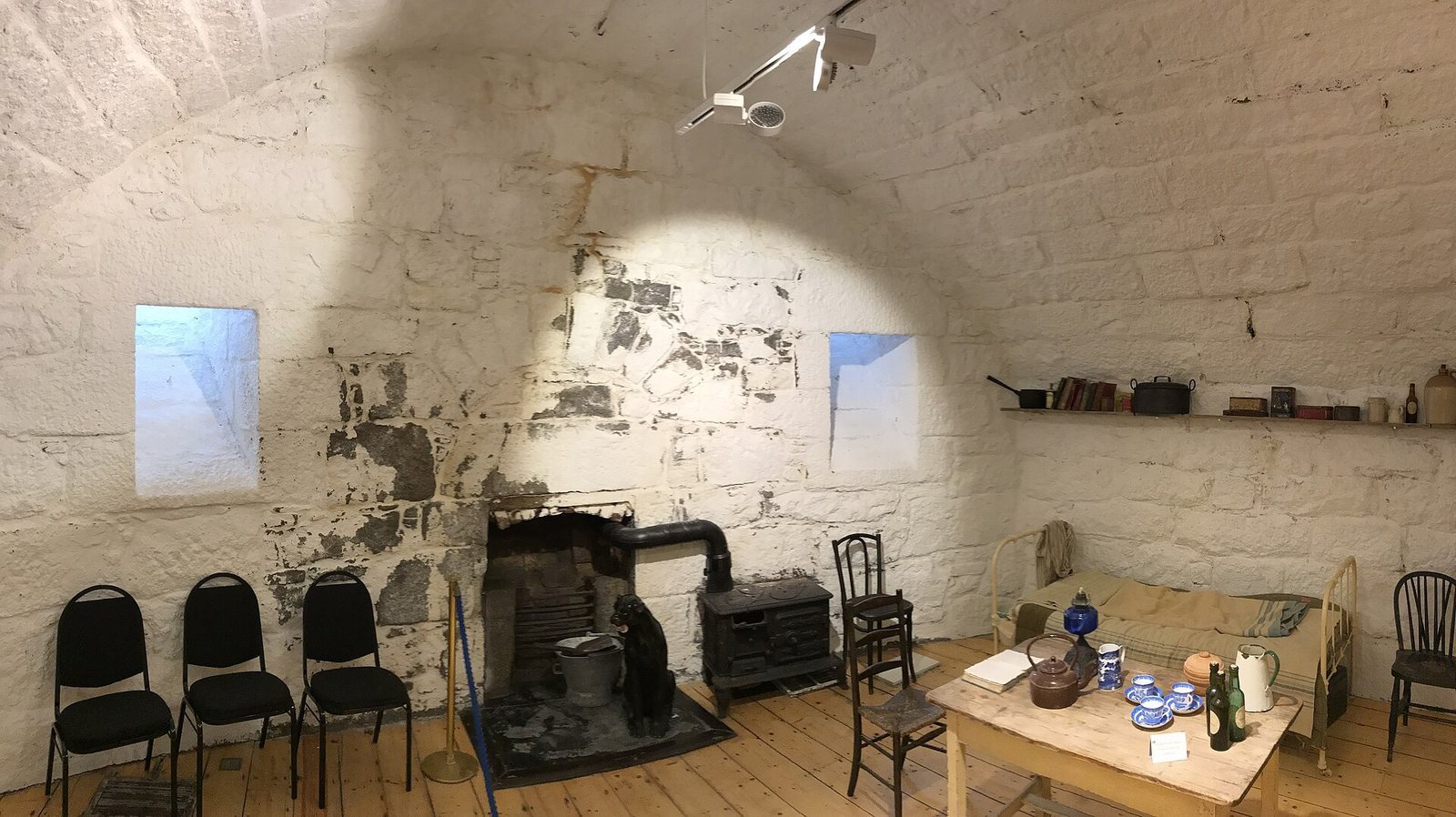
Most museum displays are housed in the exhibition room added during the 1978 renovation and in the former ground-floor ammunition store. The upper living room is arranged to evoke the tower’s appearance during Joyce’s 1904 stay. Exhibits include Joyce’s possessions and items connected with Ulysses, among them a “Plumtree’s Potted Meat” pot. A ceramic panther beside the stove represents the black panther in the fictional Haines’s nightmare, recalled in the novel’s opening chapter.