Palais du Roure: A Historic Residence and Cultural Museum in Avignon
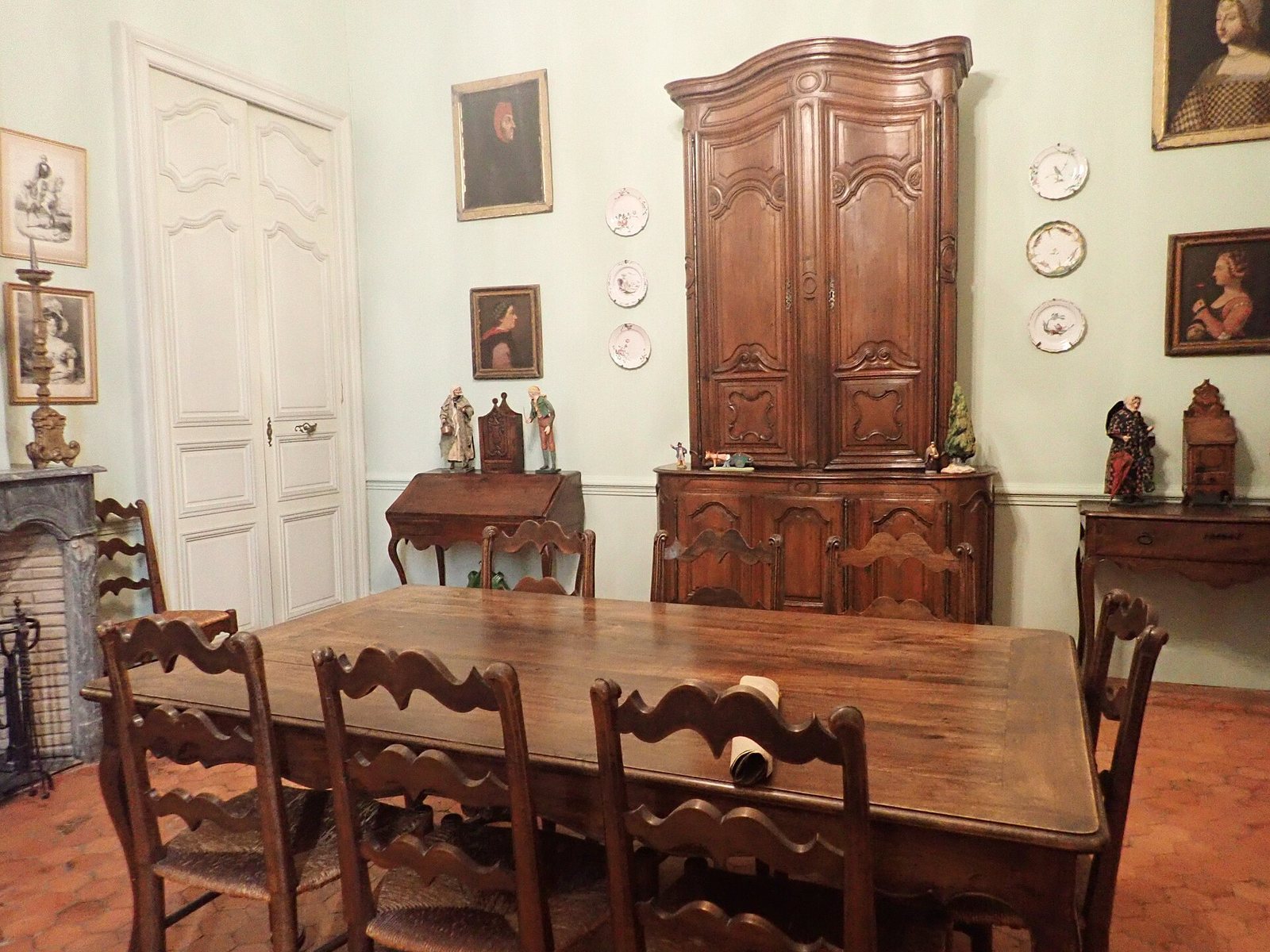
Site at a Glance
- Country
- France
- Primary era
- Medieval
- Eras represented
- Medieval
- Civilizations
- Papal States
- Site type
- Domestic
- Remains
- Elite Residence
On this page4 sections
History
Palais du Roure is a fifteenth-century residence in Avignon, France. Its history began with Pierre Baroncelli’s acquisition of a tavern and nearby houses in 1469.
From Baroncelli residence to Palais du Roure
Baroncelli, a Florentine Ghibelline, bought the properties to establish his home. Ghibellines were an Italian political faction associated with imperial authority and opposed to the papacy-aligned Guelphs. The Baroncelli family later became prominent in Avignon and was close to Giuliano della Rovere, a papal legate who became Pope Julius II, reigning from 1503 to 1513.
In the nineteenth century, the residence was known as the Hôtel de Baroncelli-Javon and belonged to Marquis Folco de Baroncelli-Javon. The Provençal poet Frédéric Mistral, a leading figure in the revival of Provençal language and literature, gave it the name Palais du Roure, meaning “Palace of the Oak.” The building became a center of the Félibrige, a literary and cultural movement promoting Provençal language and literature.
Preservation and cultural role
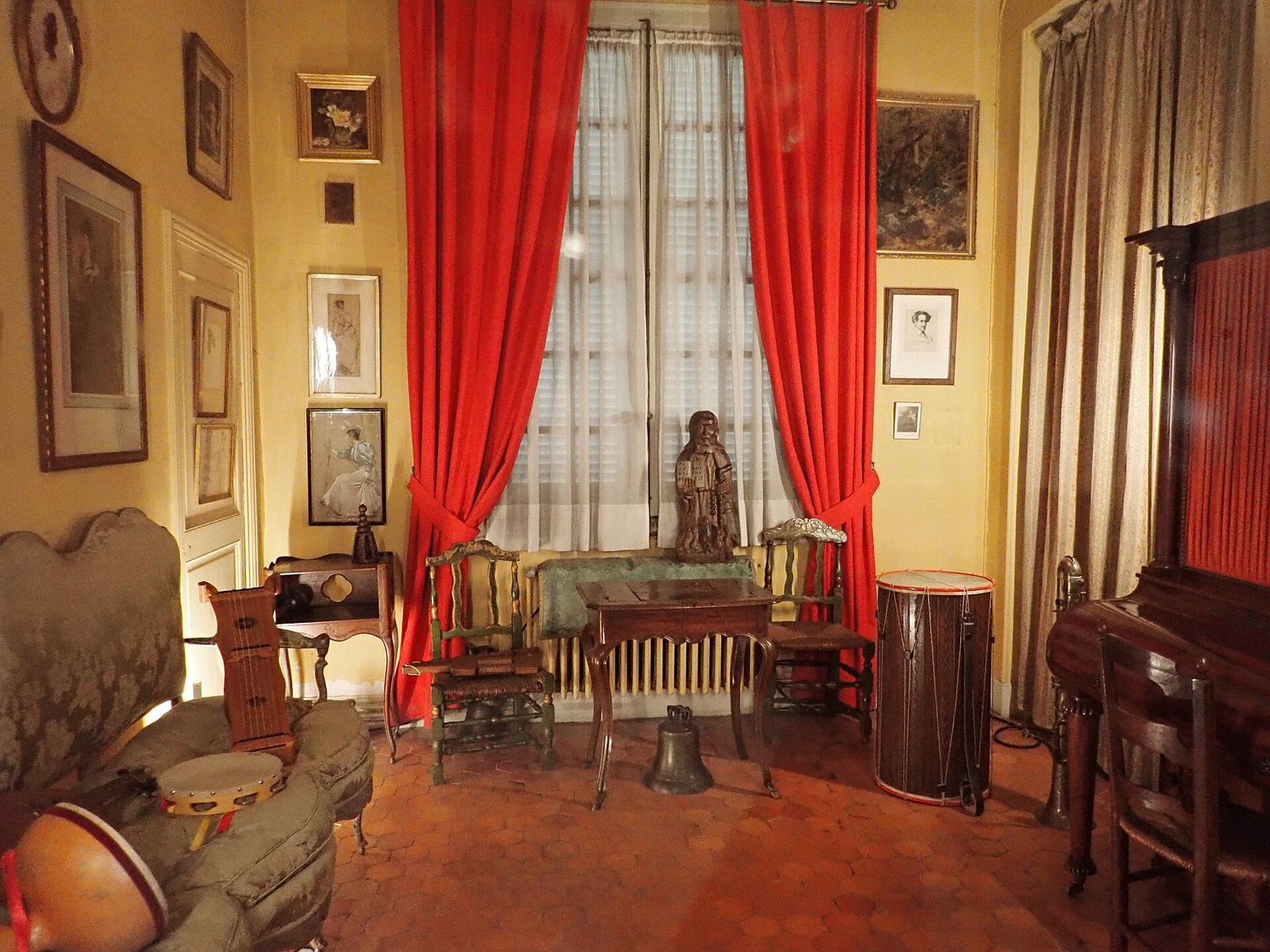
After the palace was sold in 1908, it suffered considerable damage. Jeanne de Flandreysy saved it in 1918 and planned to establish a center for Mediterranean culture. Following her 1936 marriage to archaeologist Émile Espérandieu, a member of the Institut de France, the Flandreysy-Espérandieu Foundation was created and brought wider recognition to the institution. The city of Avignon inherited the foundation in 1944. The palace was classified as a French historic monument on 19 November 1941. After the Second World War, it also became a center for defending Occitan language and culture. It has since served as a museum of regional history and sociology, with collections accessible to the public.
Remains
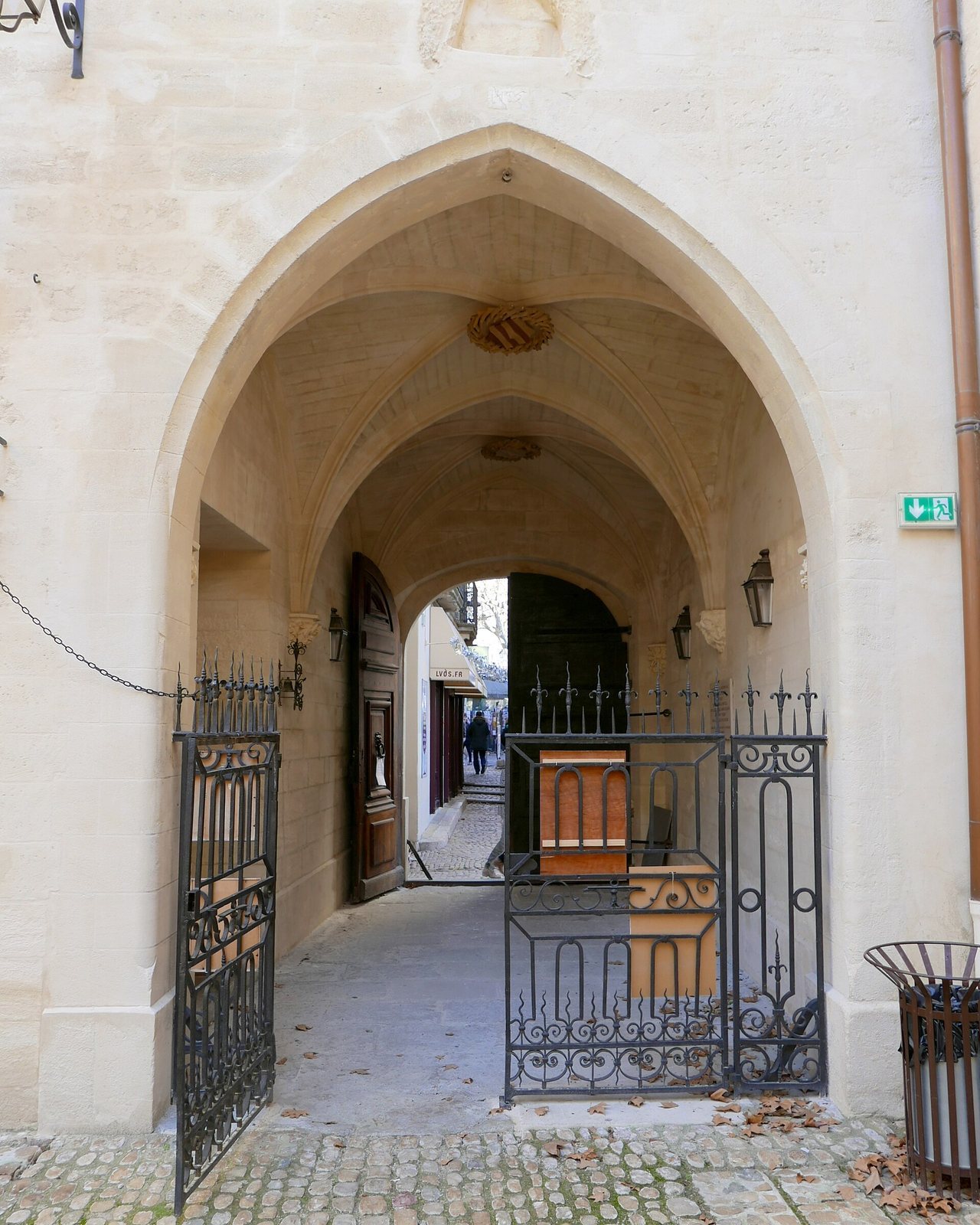
The palace is a substantial private urban residence of the type known as an hôtel particulier in historic French towns. Its museum collections include memorabilia associated with John Stuart Mill, the British economist who died in Avignon in 1873.