Palazzo Barni: A Baroque Palace in Lodi, Italy
Site at a Glance
- Country
- Italy
- Primary era
- Early Modern
- Eras represented
- Early Modern
- Civilizations
- Duchy of Milan
- Site type
- Domestic
- Remains
- Elite Residence
On this page6 sections
History
Acquisition and rebuilding
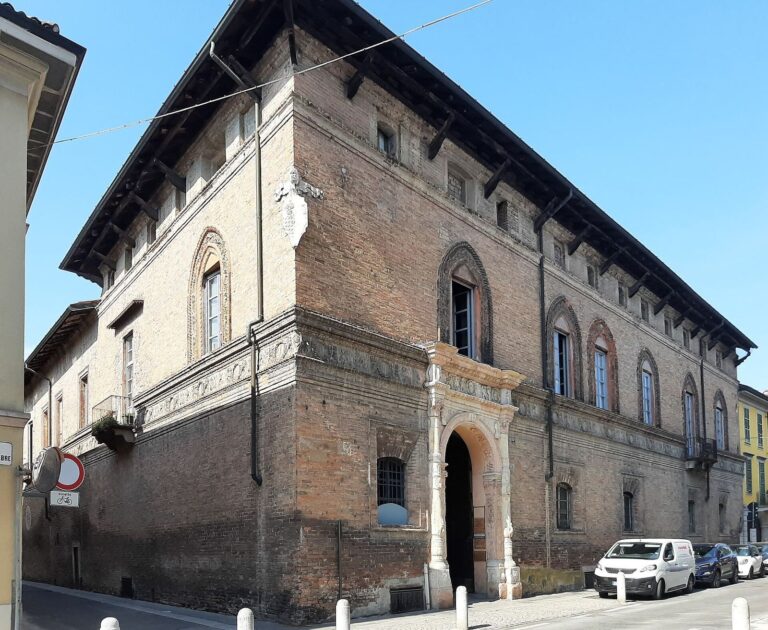
Palazzo Barni is a palace in Lodi, Italy, reshaped in the Baroque style, a European artistic and architectural tradition marked by elaborate forms and decoration. Its transformation was commissioned in 1698 and completed during the eighteenth century. Earlier buildings on the site were associated with nearby Palazzo Vistarini, which belonged to the Vistarini noble family. They stood along Corso di Porta Regale, now Corso Vittorio Emanuele, before Giovanni Paolo Barni acquired them in 1672.
In 1698, Giovanni Paolo’s son Antonio commissioned an architect to turn the older buildings into a grand palace. The project followed an approach similar to work at the Barni family’s villa in Roncadello, and construction continued into the eighteenth century.
Visitors and later changes
The palace received prominent visitors passing through Lodi, including Philip V, a Bourbon king of Spain; Charles VI, a Habsburg ruler and Holy Roman Emperor; and Charles Emmanuel III, king of Sardinia.
In 1821, the Barni property ceded the strip of land in front of the façade to the city so the roadway could be widened and regularized. After a long period of abandonment, the palace is undergoing restoration. It is now used for residences and businesses, with commercial premises on the ground floor.
Remains
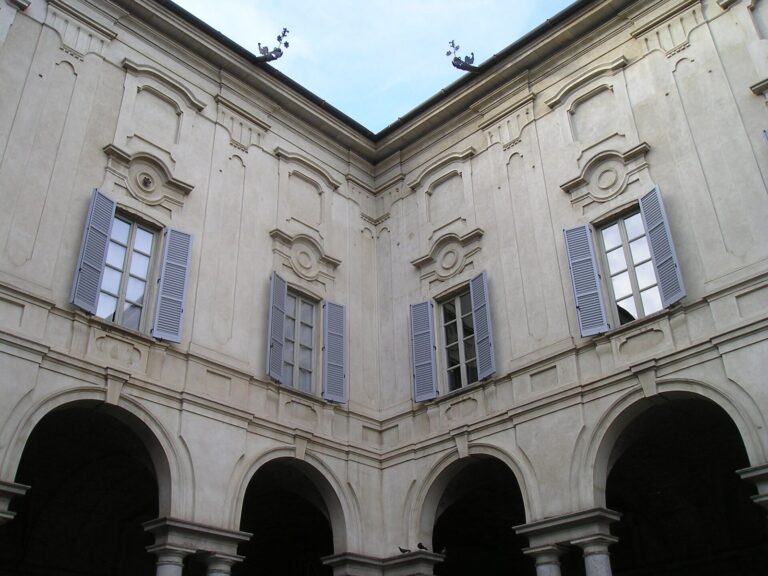
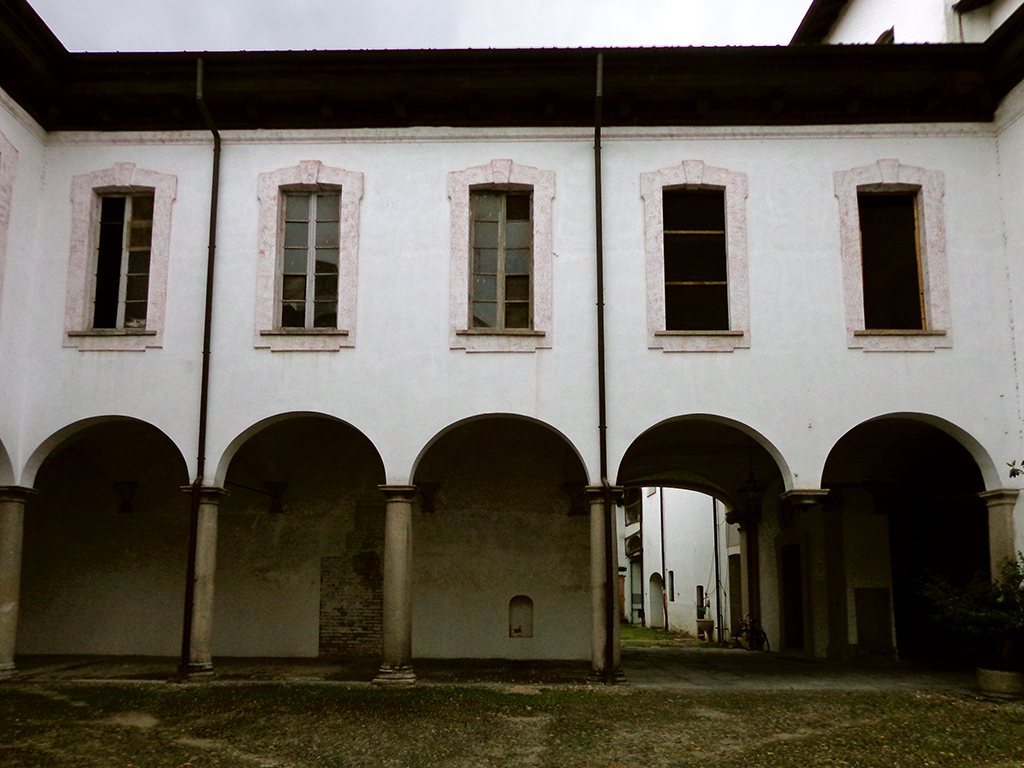
The extensive, three-storey palace occupies the eastern side of Corso Vittorio Emanuele, near Piazza della Vittoria and a short distance from Piazza Maggiore. Its plan includes two courtyards, symmetrical in arrangement but different in character, with a transverse building between them that contains the family chapel. The northern courtyard is formal, while the southern one has a rustic character.
Façade
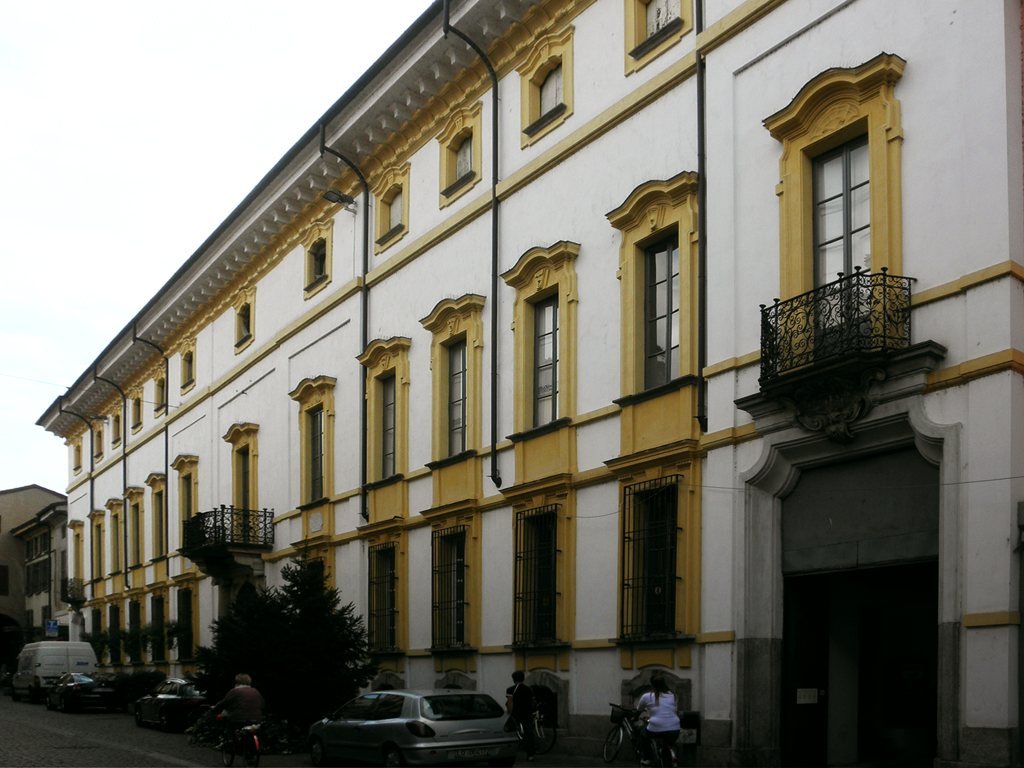
The broad façade faces the corso and has three portals. The central entrance is larger than the two others and is topped by a balcony with a wrought-iron railing in the local Lodi style.
Staircase and painted interiors
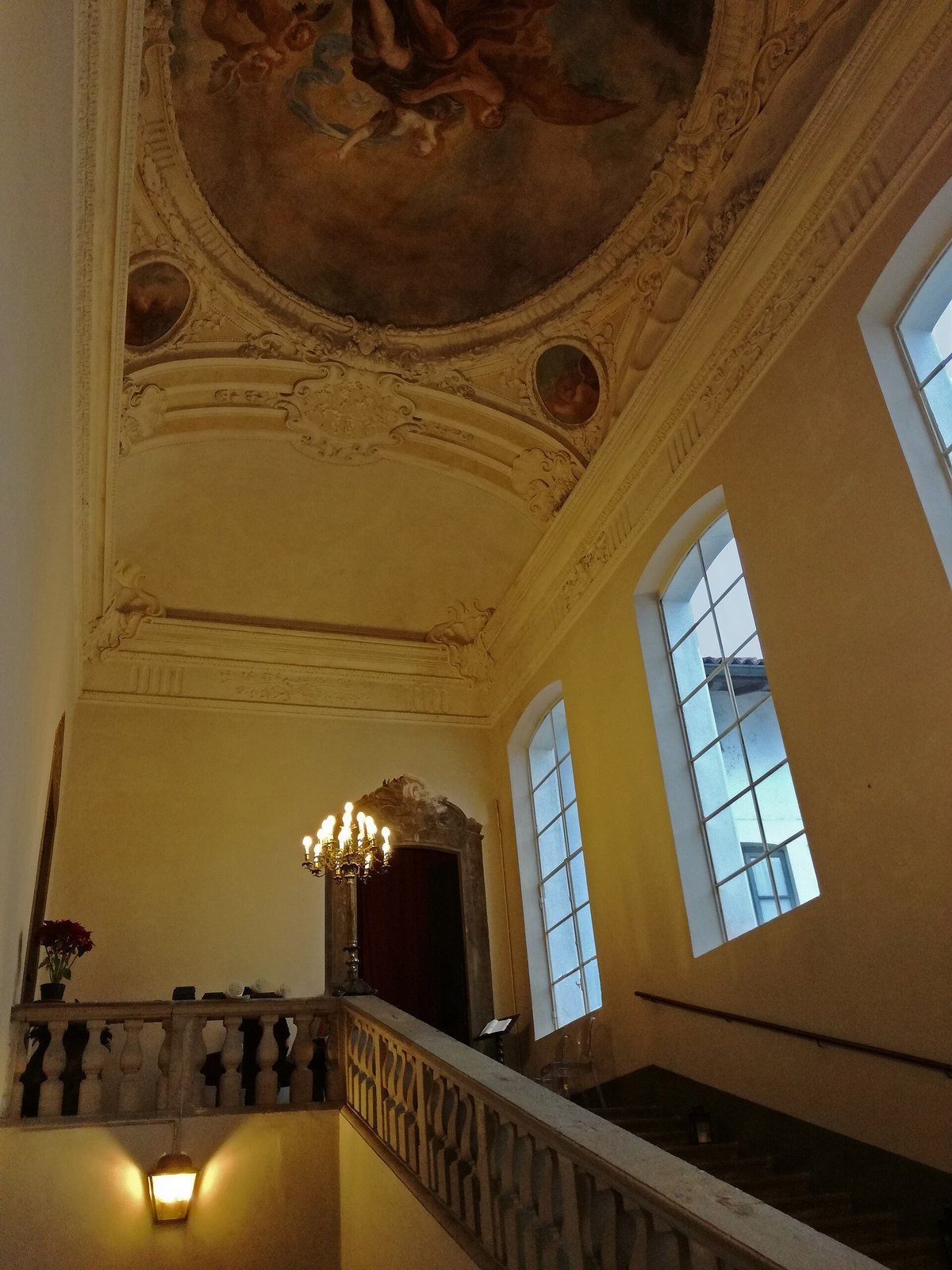
A monumental staircase leads to the palace’s principal reception floor, above the ground floor. Sebastiano Galeotti, an Italian painter, depicted Boreas, the Greek god of the north wind, abducting Orithyia on the staircase ceiling. A second mythological painting on the main salon’s ceiling shows the Boreads, the sons of Boreas and Orithyia, pursuing the Harpies.