Marinid Walls of Ceuta: A Medieval Citadel
Site at a Glance
- Country
- Spain
- Primary era
- Medieval
- Eras represented
- Medieval
- Civilizations
- Marinid
- Site type
- Military
- Remains
- Wall
On this page8 sections
History
Marinid construction and use
The Marinid Walls of Ceuta are a medieval military complex in Spain, built around 1318 under the Marinids, a Muslim dynasty based in Morocco that ruled parts of North Africa and Iberia. Construction is attributed to the Marinid sultan Abu Sa’id Uthman II. The walls served as a citadel and sheltered troops who had to spend the night outside the medieval city.
Later use and restoration
The site was occupied only at intervals in later periods and became known as Old Ceuta. Its military use continued into the 19th century. In the mid-20th century, modest houses built against the walls contributed to their gradual deterioration.
Restoration began with partial work by the Directorate General of Fine Arts in 1968, followed by further work at a workshop school during the 1980s. The Gate of Fez and the western front were restored in 2008, and work on towers 12 and 13 and their connecting wall followed in 2011. The walls were designated protected cultural property in Spain in 1985.
Remains
Western defenses
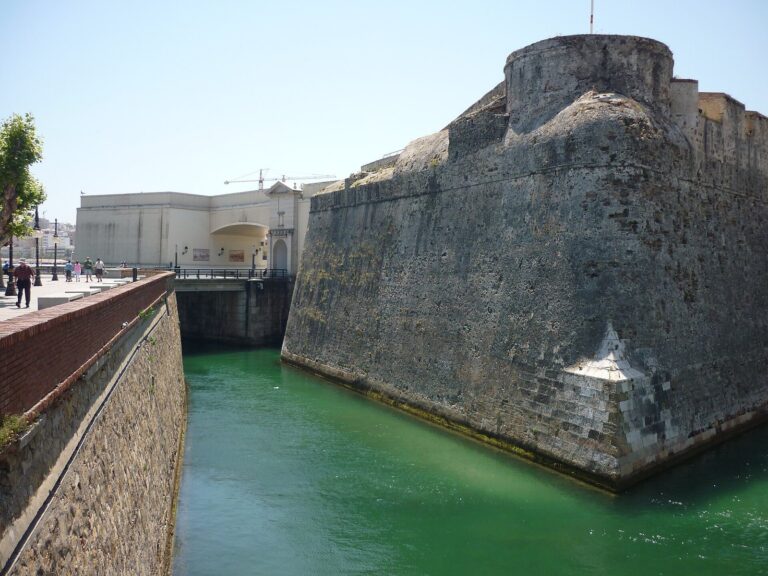
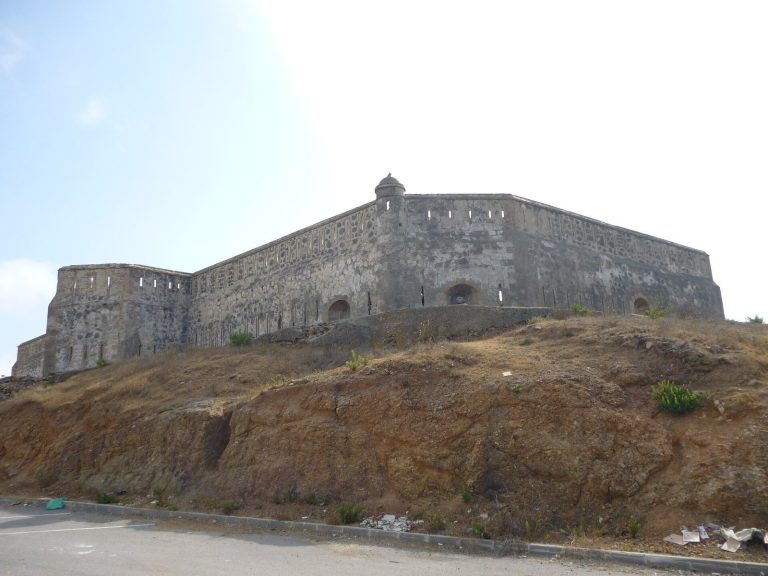
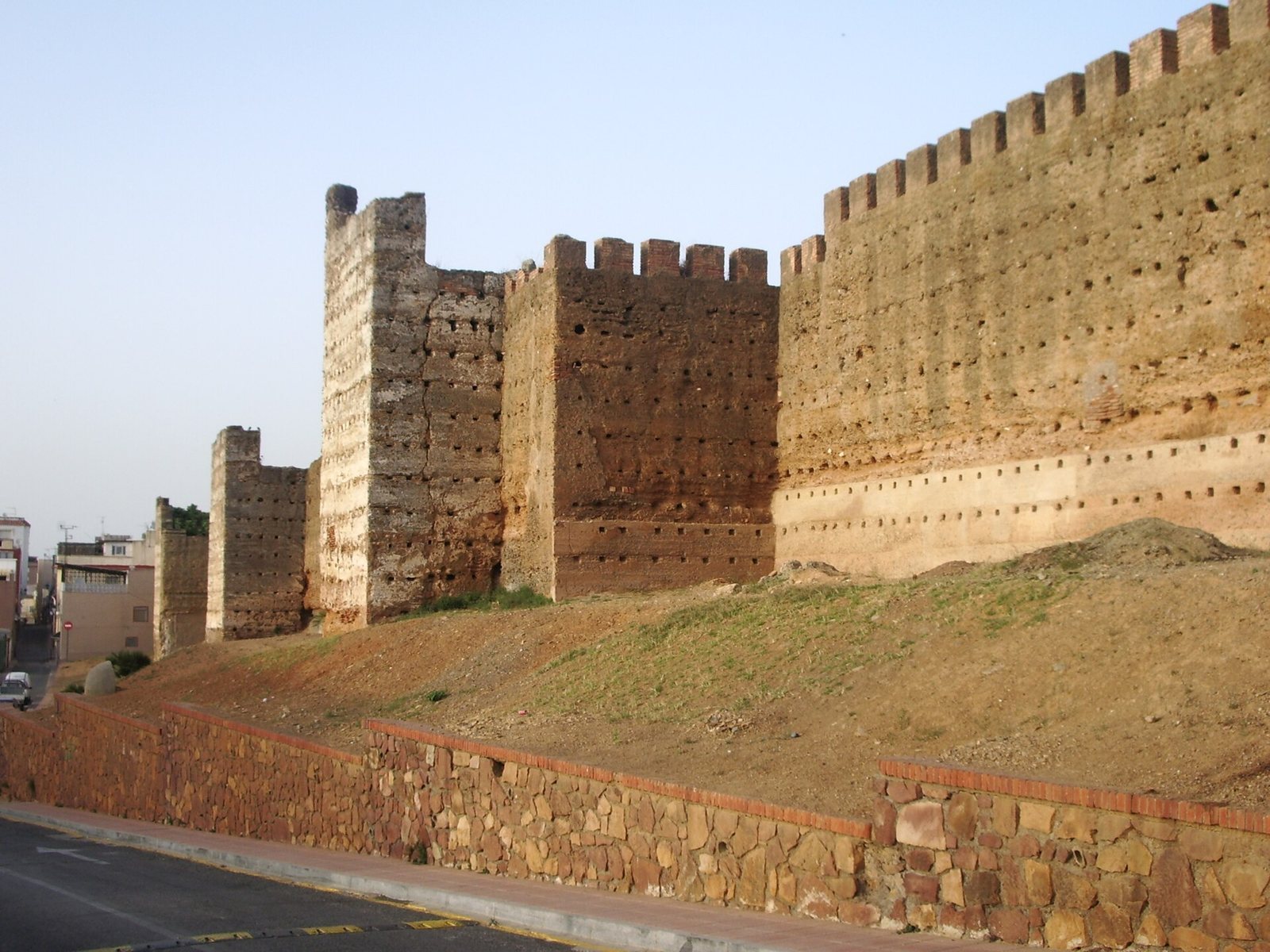
The complex consists of walls and towers built for military purposes. Of the approximately 1,500 metres of original construction, the surviving outer wall is confined to the western flank, where it extends for about 500 metres.
Outer wall and bastions
Several bastions survive as part of the western defenses. Together with the outer wall, they form the remaining section of the larger complex.
Gate of Fez
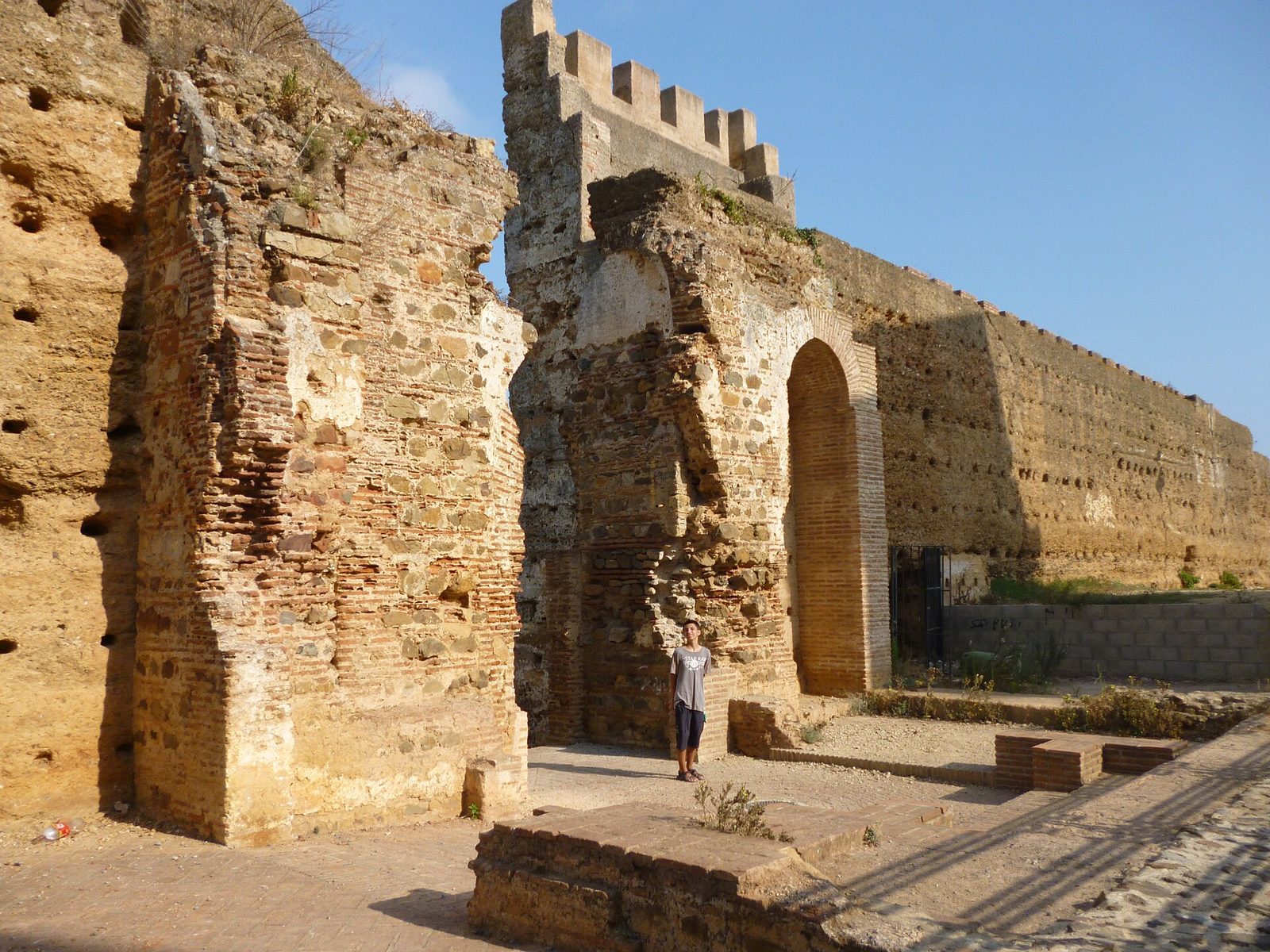
The Gate of Fez is framed by two paired towers. It forms a distinct feature within the surviving western front.
Towers 12 and 13
Towers 12 and 13 remain as components of the complex, joined by a surviving wall.