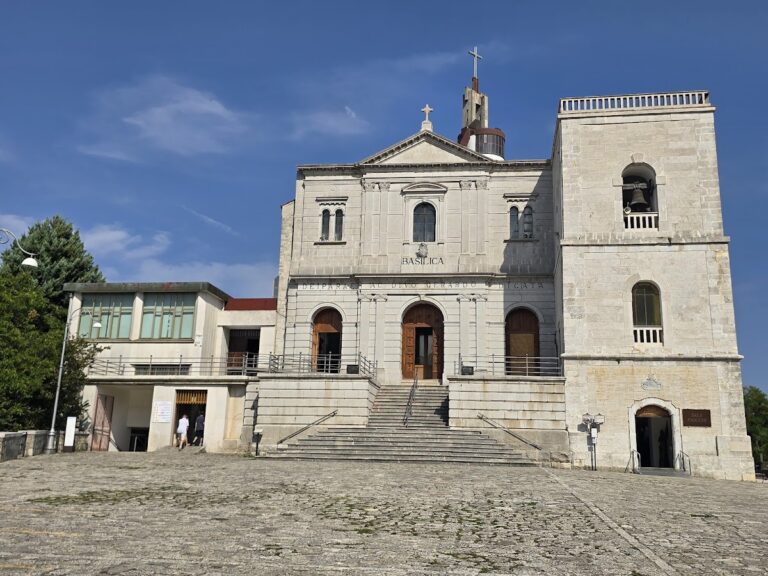
Castello del Monte: A Castle and Religious Complex in Montella, Italy
Site at a Glance
- Country
- Italy
- Primary era
- Early Modern
- Eras represented
- Medieval, Early Modern
- Civilizations
- Kingdom of Naples, Kingdom of Sicily, Lombard, Spanish
- Site type
- Religious
- Remains
- Monastery
On this page9 sections
History
Settlement and early castle
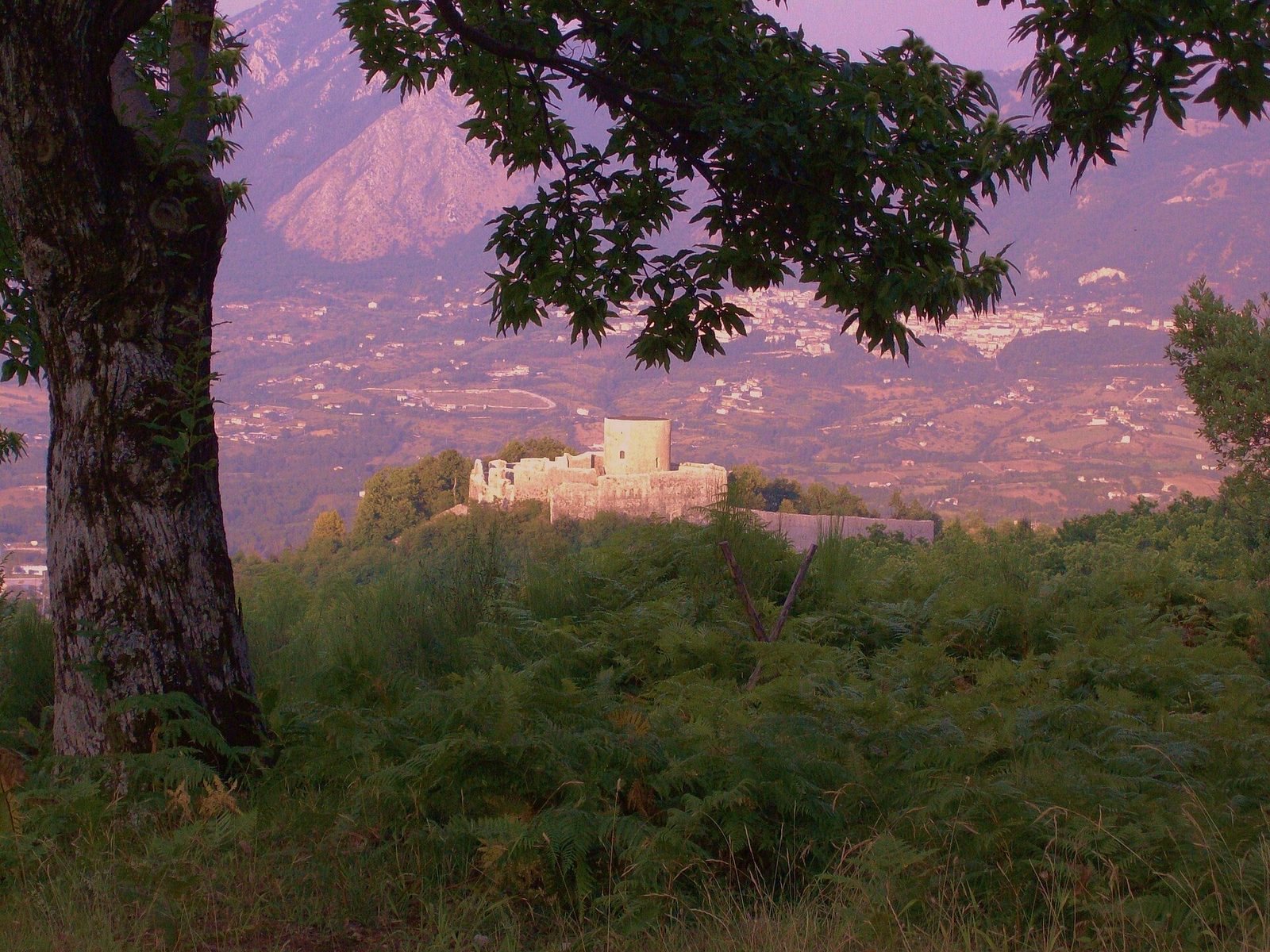
Castello del Monte is a castle complex at Montella, Italy. The site includes a settlement dating to the sixth or seventh century and a castle linked to the Lombards, a Germanic people who established rule over much of Italy after the sixth century. The castle is dated to the tenth century. Its ruins are also associated with the Angevin house of Anjou, whose rulers held power in southern Italy, and assigned a broad ninth- to fourteenth-century chronology.
Excavations in the 1980s revealed evidence of the Lombard and early medieval phases, including coins, fragments of frescoes, and burials.
Castle under noble rule
In 1293, Charles II of Anjou, king of Naples, confiscated the castle for use as a place of leisure. He is also credited with its cistern and water-channel system. In the fourteenth century, the d’Aquino family, then lords of Montella, ordered repairs to the castle’s twelfth-century tower and improvements to the palace, including painted decoration.
The Cavaniglia counts lived at the castle in the fifteenth century. During their lordship, a hunt held there in 1445 was attended by Alfonso the Magnanimous, also known as Alfonso V of Aragon, who ruled Naples as well.
Religious complex and abandonment
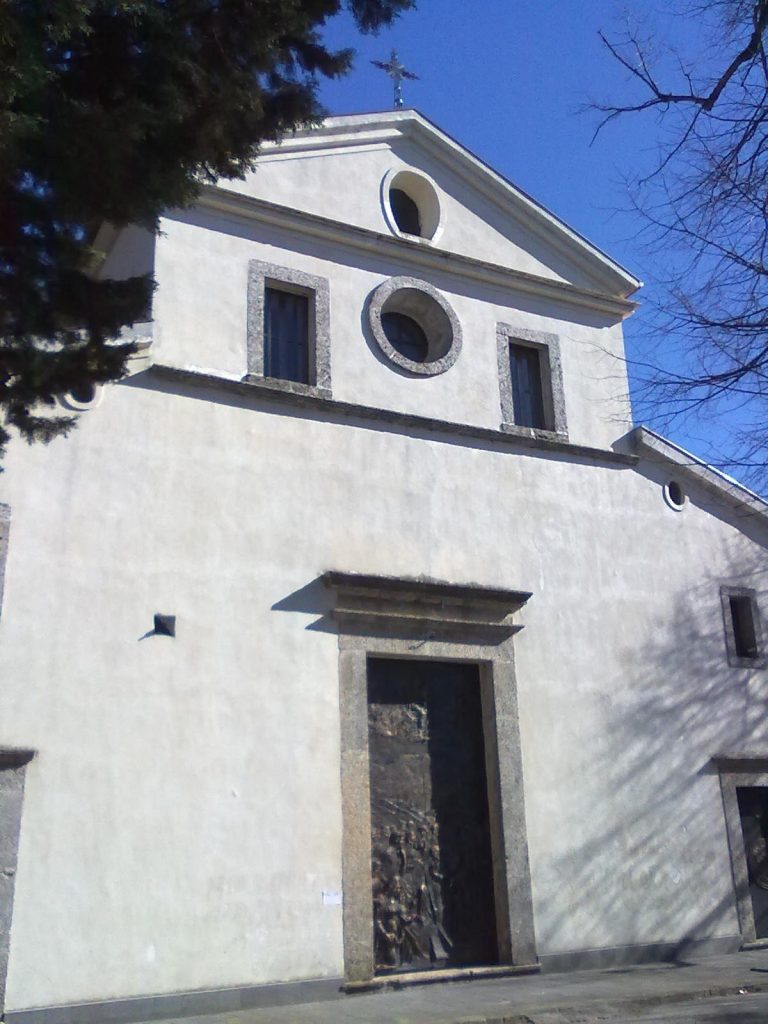
The castle was definitively abandoned during the sixteenth century, when its last residents moved to a new court palace farther down the valley. In that century, the Archconfraternity of the Blessed Sacrament of Montella, a Catholic lay association devoted to the Eucharist, enlarged a chapel into the church of Santa Maria del Monte. The chapel had been donated by the Collegiate Church, a church served by a chapter of clergy, on 20 January 1544.
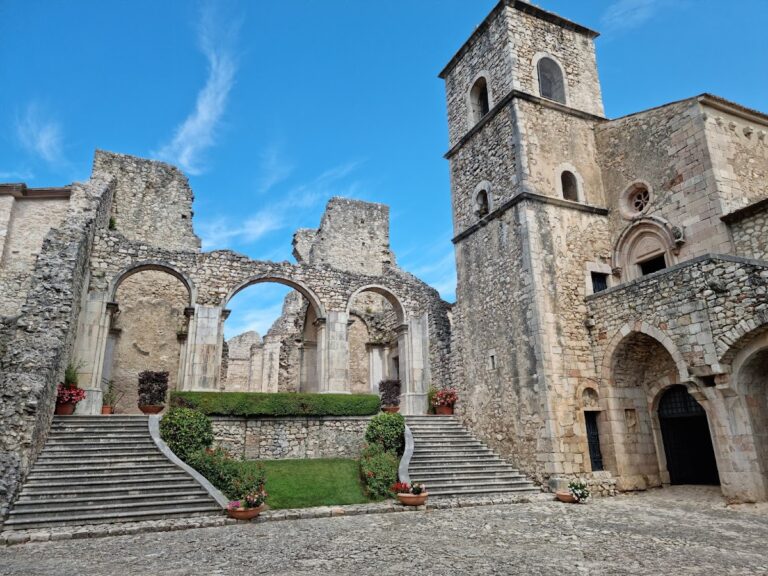
Between 1554 and 1586, a Franciscan monastery was built over an earlier church at the local Monte di Pietà, a charitable lending institution for people with limited access to credit. The monastery was first entrusted to the Reformed Conventual Minims of St Francis. In 1603, the Reformed Observants, a Franciscan reform current that emphasized stricter observance of the order’s rule, took charge. The community included 12 friars and several lay brothers in 1613.
On 3 January 1642, Antonio Grimaldi, lord of Montella, formally donated the castle and garden to the Archconfraternity. The confraternity had built the church and monastery and owns the entire complex. The monastery and garden have since been restored, and the monastery has undergone several alterations.
Remains
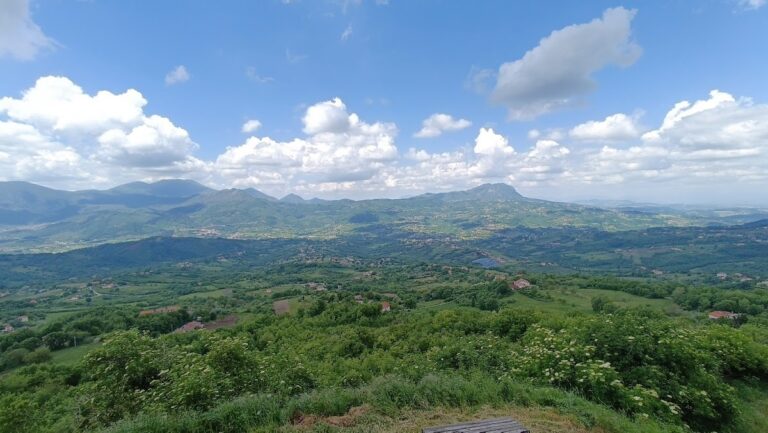
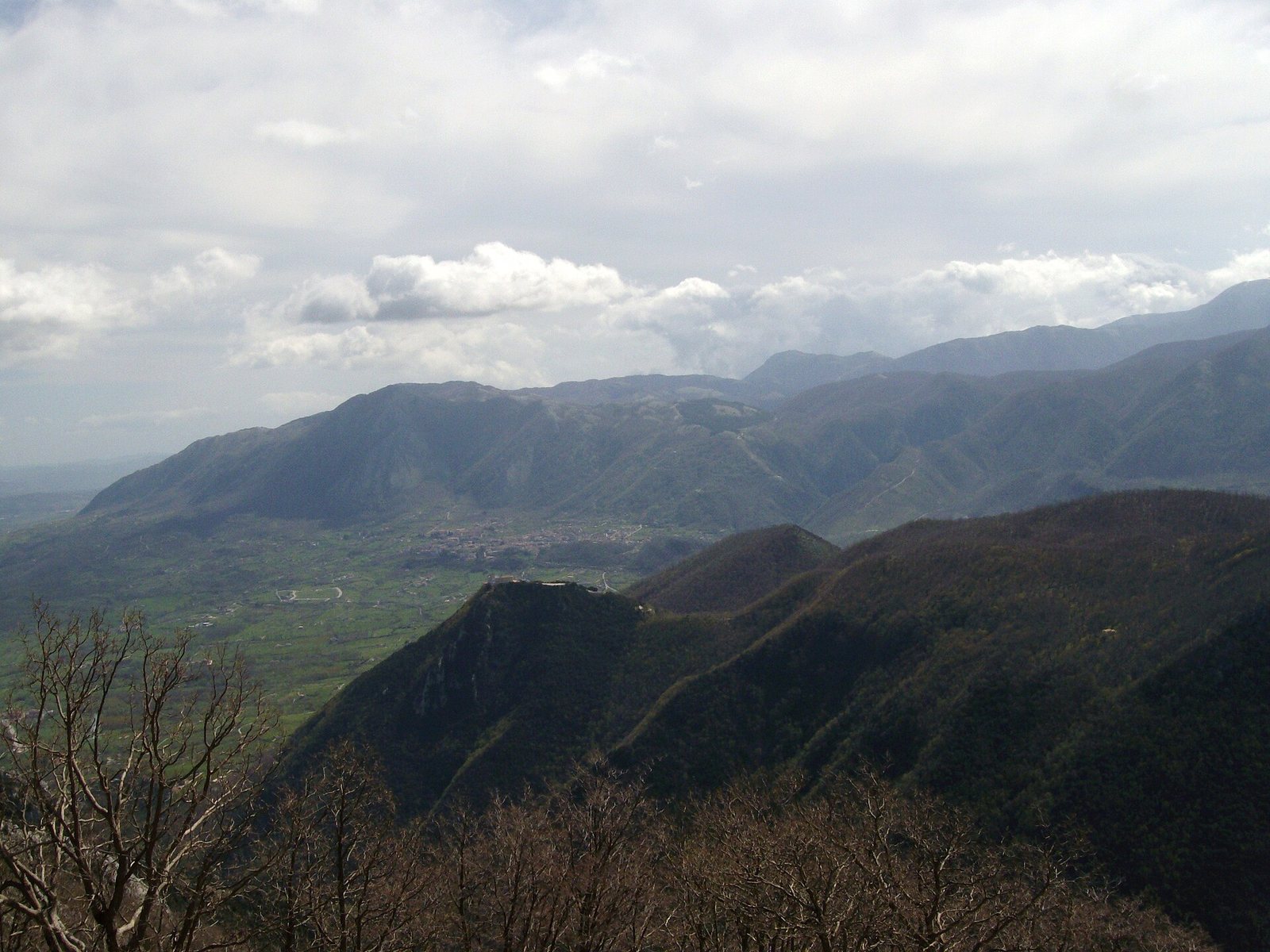
A circuit of late-medieval walls encloses the complex. Within it, the surviving remains include the castle, the church and monastery, and gardens associated with the castle and religious community.
Castle and walls
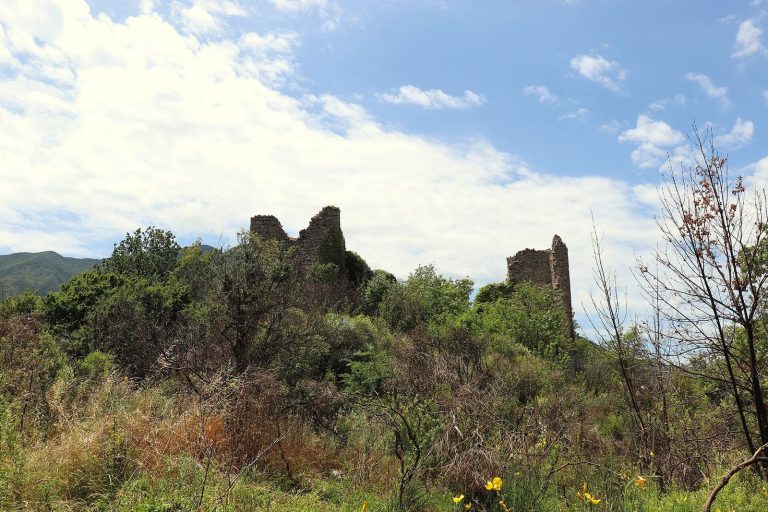
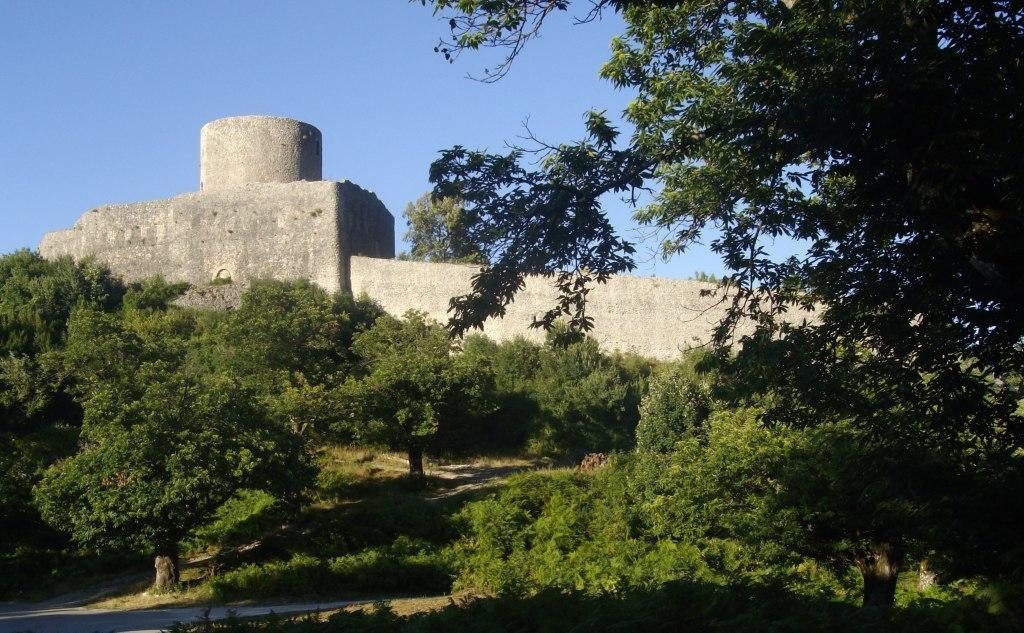
The castle’s visible remains include its central body, a keep (the principal fortified tower), enclosure walls, and ruined rooms used by the nobility. A cistern and water channels form part of its water system.
Church of Santa Maria del Monte
The church has a single nave with side chapels and wooden altars. One chapel contains a thirteenth-century wooden altarpiece depicting the Madonna of Humility, a devotional image of Mary seated low in a humble posture.
Monastery
Standing at an elevation of 760 metres, the monastery has a square plan and a cloister. Its cross-vaults, formed where two barrel vaults intersect, were painted with frescoes in the seventeenth century by the Italian painter Michele Ricciardi. The building also retains cells and lower rooms that served the friars’ daily needs.
Gardens
A garden of about 8,000 square metres lies beside the convent and formerly belonged to the castle. The monastery’s former kitchen garden occupies an open space beside the castle and has been replanted with crops of the kinds grown in the medieval period to sustain the monks.