Arco de los Blancos: A Roman Gate and Medieval Entrance in Spain
Site at a Glance
- Country
- Spain
- Primary era
- Medieval
- Eras represented
- Classical, Medieval, Modern
- Civilizations
- Roman, Spanish
- Site type
- Military
- Remains
- Gate
On this page8 sections
History
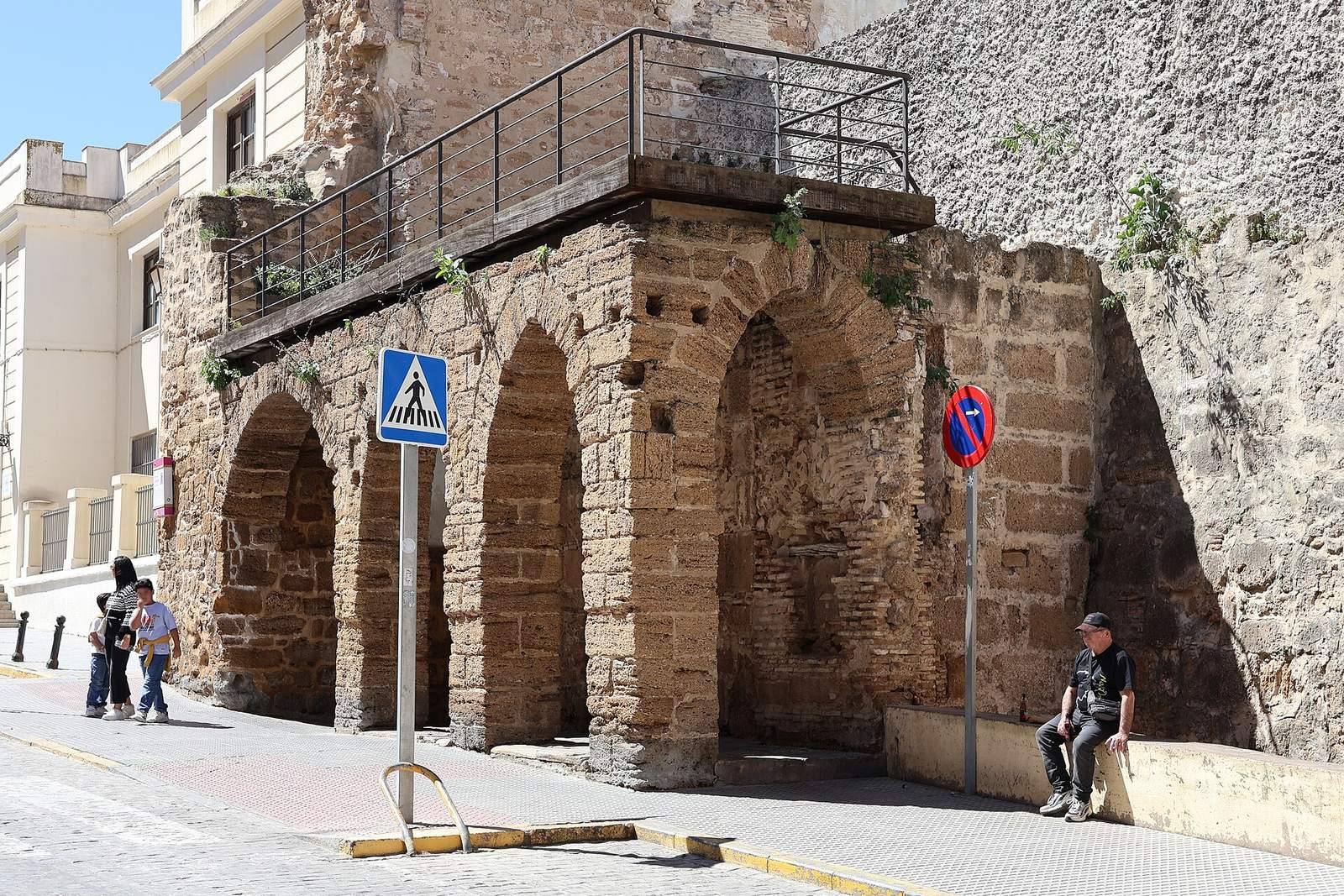
Arco de los Blancos is the surviving rear portion of an ancient Roman gate in Spain, later incorporated into the medieval town’s defenses. Its passage and surrounding structures were adapted over time for civic and religious purposes.
Roman origins and medieval use
The gate was first known as Puerta de Tierra, a name connected with its position facing the spit or isthmus. It later became Santa María because it gave access to the suburb of that name. The present name derives from a chapel built above the gate by the Blanco family, a prominent Cádiz trading family.
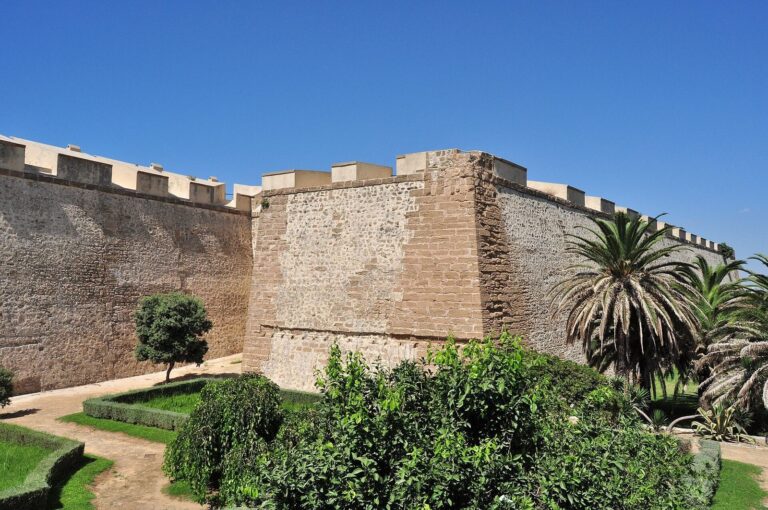
The medieval outer entrance probably formed part of the town’s wider fortifications and its alcazaba, a fortified citadel. It served as the principal way into the medieval town and provided access to the royal butcher shops. The wall and its gates enclosed only a small part of the city and had limited military value. After additions had altered the original opening, the gate’s façade was dismantled in the sixteenth century to widen the street. Neglect then threatened the structure with collapse, prompting major repairs in 1602.
The Blanco family chapel
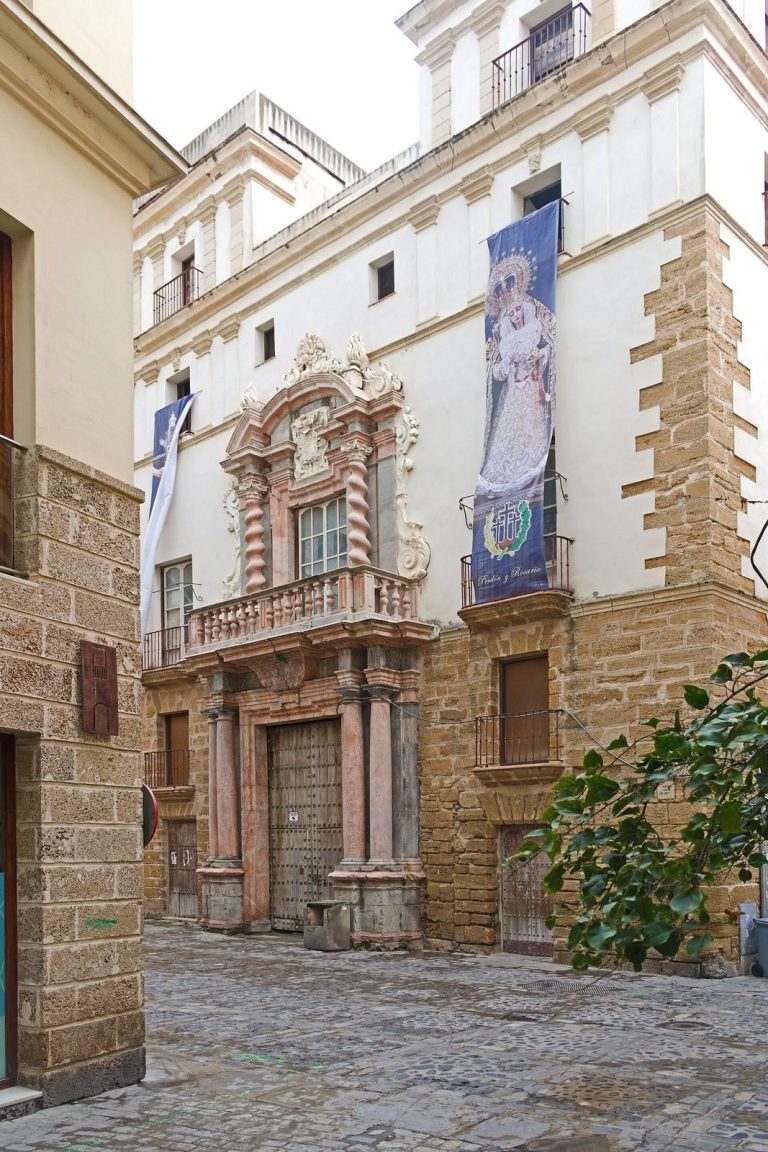
Around 1621, the Blanco family sought permission to build a chapel at its own expense, following the example of one at Puerta del Pópulo. Dedicated to Our Lady of Remedies, a title for the Virgin Mary, it was completed in 1635. An Ave Maria inscription on the façade facing Mesón Nuevo Street marked that year. In 1642, Felipe Marzón y Blanco, a knight, city councillor, and patron of the sanctuary, received permission to add a projecting balcony toward the castle corner or the right-hand tower.
Later alterations and protection
Further changes took place during the first half of the eighteenth century. Around 1810, houses were added, including a residence for the canon, a member of a cathedral clergy chapter, who held the chapel’s chaplaincy, a clerical appointment associated with its service. During the nineteenth century, the projecting canopy was extended, the side facing the street was walled up, and the corridor was removed.
Arco de los Blancos is protected as an Asset of Cultural Interest, Spain’s designation for protected cultural heritage, and lies within Cádiz’s municipal archaeological zone. It is also covered by the 1949 heritage decree and the 1985 Historical Heritage Law, and is listed as at risk.
Remains
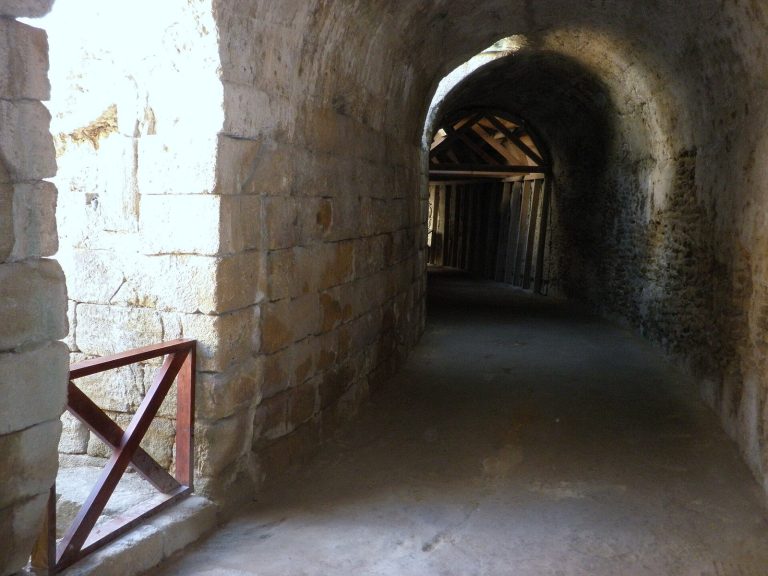
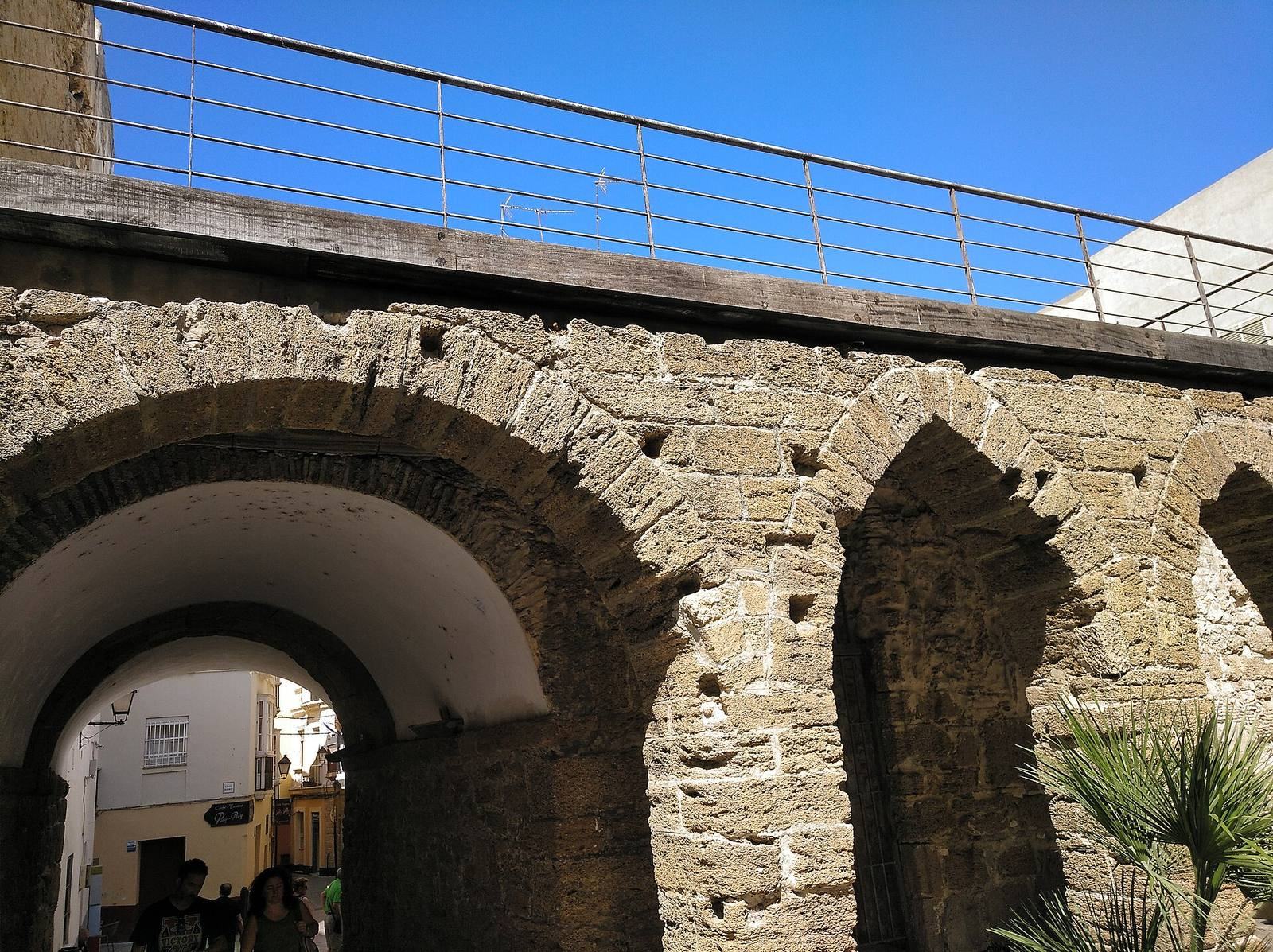
The gate is organized around a broad vaulted passage. Its medieval outer portico had pointed arches and was flanked by two towers of unequal size. The southern tower was part of the adjoining castle. The surviving structure is concentrated in the gate’s rear portion.
Chapel above the passage
The chapel occupied the space above the vault between the towers and opened onto Carnicería Street, also called Misericordia Street. Its projecting roof had a bell opening and was supported by three arches resting on projecting wall supports and white-marble columns. A simple railing, apparently formed by short supports beneath a handrail, topped the chapel space.
Chapel furnishings and adjoining spaces
The chapel’s sacristy, where clergy prepared for services and kept sacred objects, was formed largely within the rear of the wall. Here the wall rose above some buildings on San Juan de Dios Street. An alabaster statue of Our Lady of Remedies, attributed to Italian origin and perhaps dating to the mid-sixteenth century, was probably placed beside the wall above an altar. In the eighteenth century, a painted image took its place. A recess in the left tower held a chapel with an altarpiece, an artwork placed on or behind an altar, dedicated to Saint Raymond of Penyafort, a thirteenth-century Dominican friar and canon lawyer.
Roman theatre remains
Rooms adjoining the stage of the Roman theatre of Gades, the Roman name for Cádiz, lie beneath the former royal butcher shops and above the theatre’s remains.