Puerta de Tierra: Cádiz’s Former Landward Fortifications
Site at a Glance
- Country
- Spain
- Primary era
- Early Modern
- Eras represented
- Early Modern, Modern
- Civilizations
- Crown of Castile, Spanish
- Site type
- Military
- Remains
- Gate
On this page9 sections
History
Sixteenth- and eighteenth-century defenses
Puerta de Tierra is a surviving section of Cádiz’s former landward entrance fortifications in Spain, first developed in the sixteenth century and given its definitive form in the eighteenth. The first wall in this area was built in the sixteenth century and expanded in 1574 with two bastions, projecting sections of a fortification that help defend adjoining walls. Cádiz’s narrow land approach from the mainland offered a possible route for invasion, while its valuable port, which received silver from Spanish America, drew attacks from abroad.
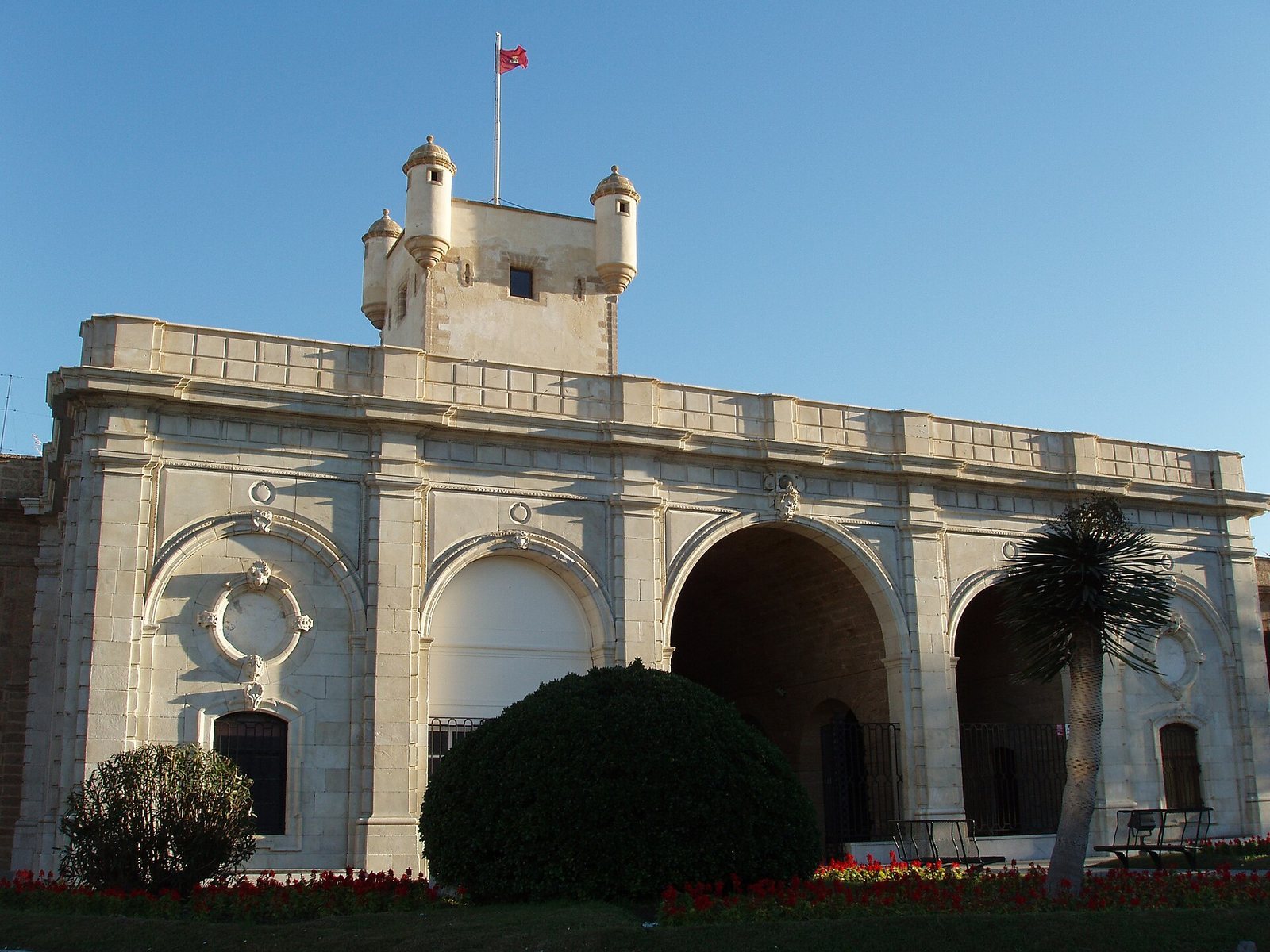
The defenses took their definitive form in the eighteenth century. The central marble entrance was designed by José Barnola in 1756, and work on it was carried out under architect Torcuato Cayón’s direction.
The telegraph tower
In late 1850, a tower was added as number 57 on José María Mathé’s optical-telegraph line in Andalusia. This system relayed messages between towers using visual signals, so communication depended on visibility and weather. The line operated from 1851 until late 1857, when electric telegraphy replaced it. Its Cádiz station was in the former Customs Palace, and messages from Madrid could take almost two hours to arrive when conditions allowed. They were intended for the provincial civil governor, though some appeared in local newspapers, including El Nacional and the Boletín Oficial de la Provincia. By the end of the nineteenth century, the tower was known as Mathé Tower.
Twentieth-century change and protection
As Cádiz expanded beyond its walls in the first half of the twentieth century and vehicle traffic increased, proposals were made to demolish the gate and bastions to improve access to the city center. Architect Antonio Sánchez Esteve directed a different approach, altering the fortifications to accommodate movement while retaining part of the complex.
In 1993, Puerta de Tierra received Spain’s Bien de Interés Cultural designation, a formal status for protected cultural property. It is also included in the historic site associated with the Cortes and the Constitution of 1812 in San Fernando, Cádiz, and the Bay of Cádiz. The Cortes were Spanish parliamentary assemblies; during the Napoleonic period, they adopted the Constitution of 1812.
Remains
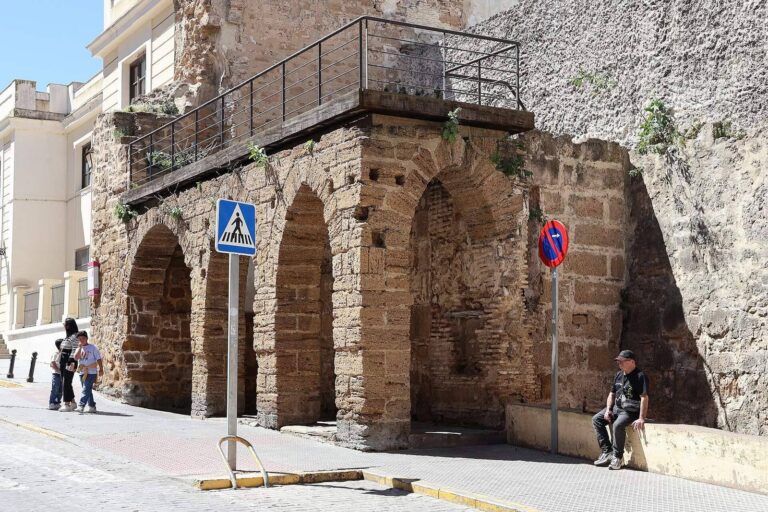
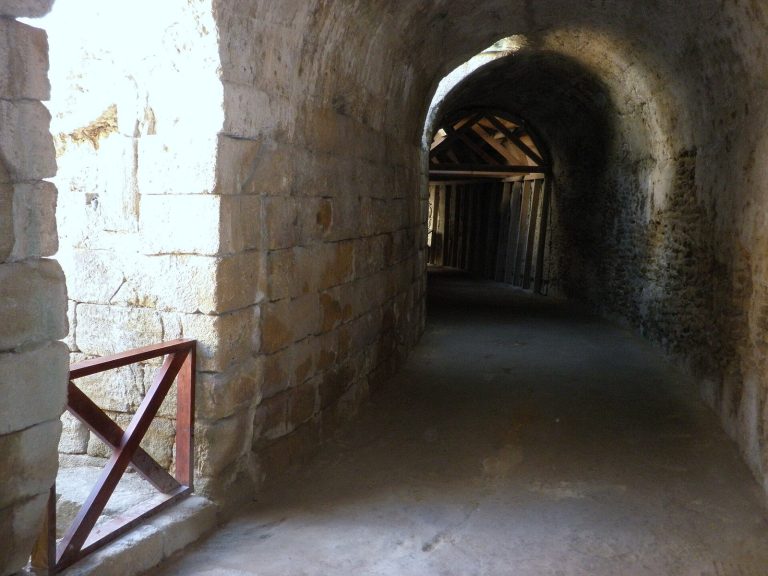
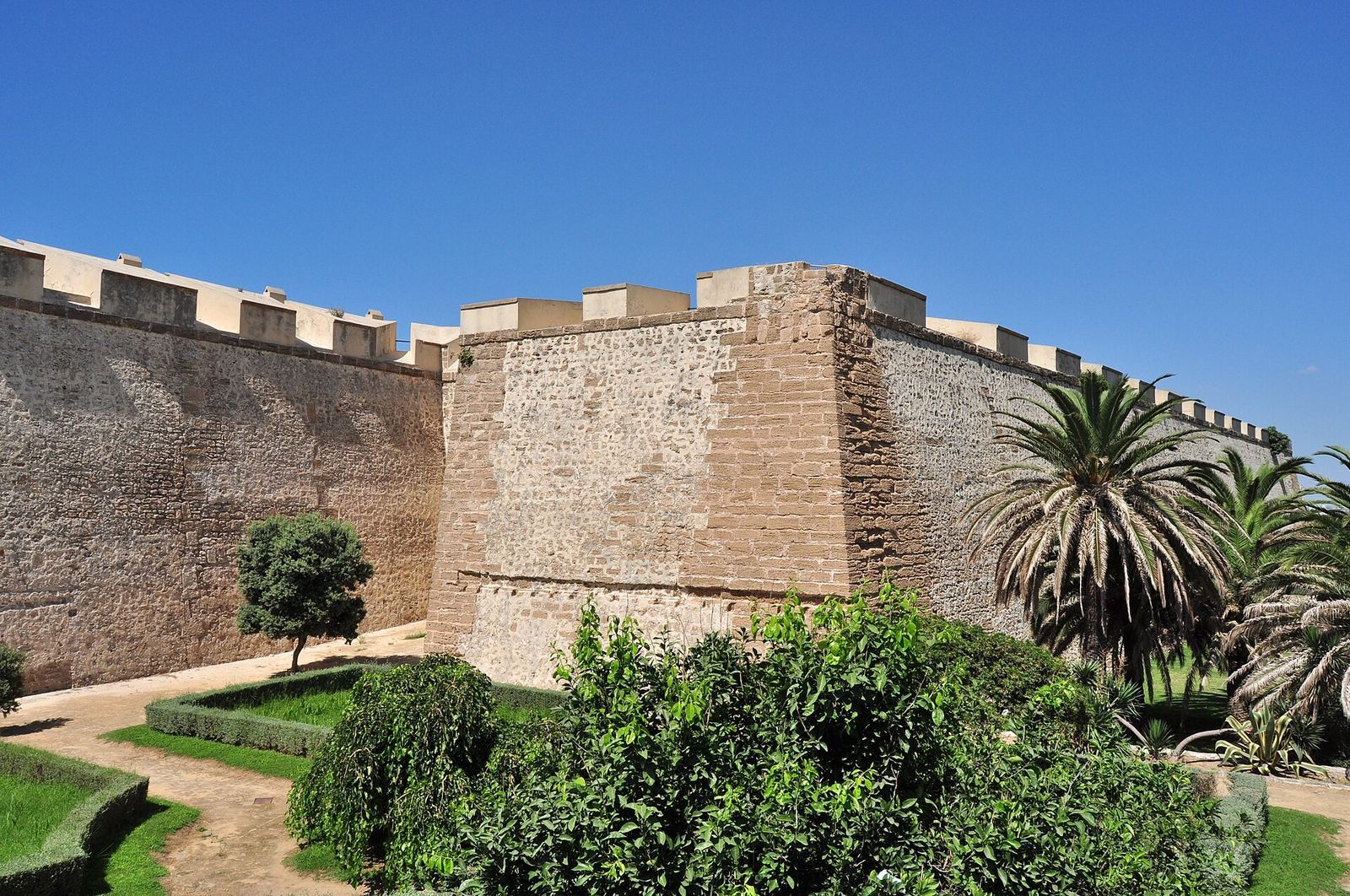
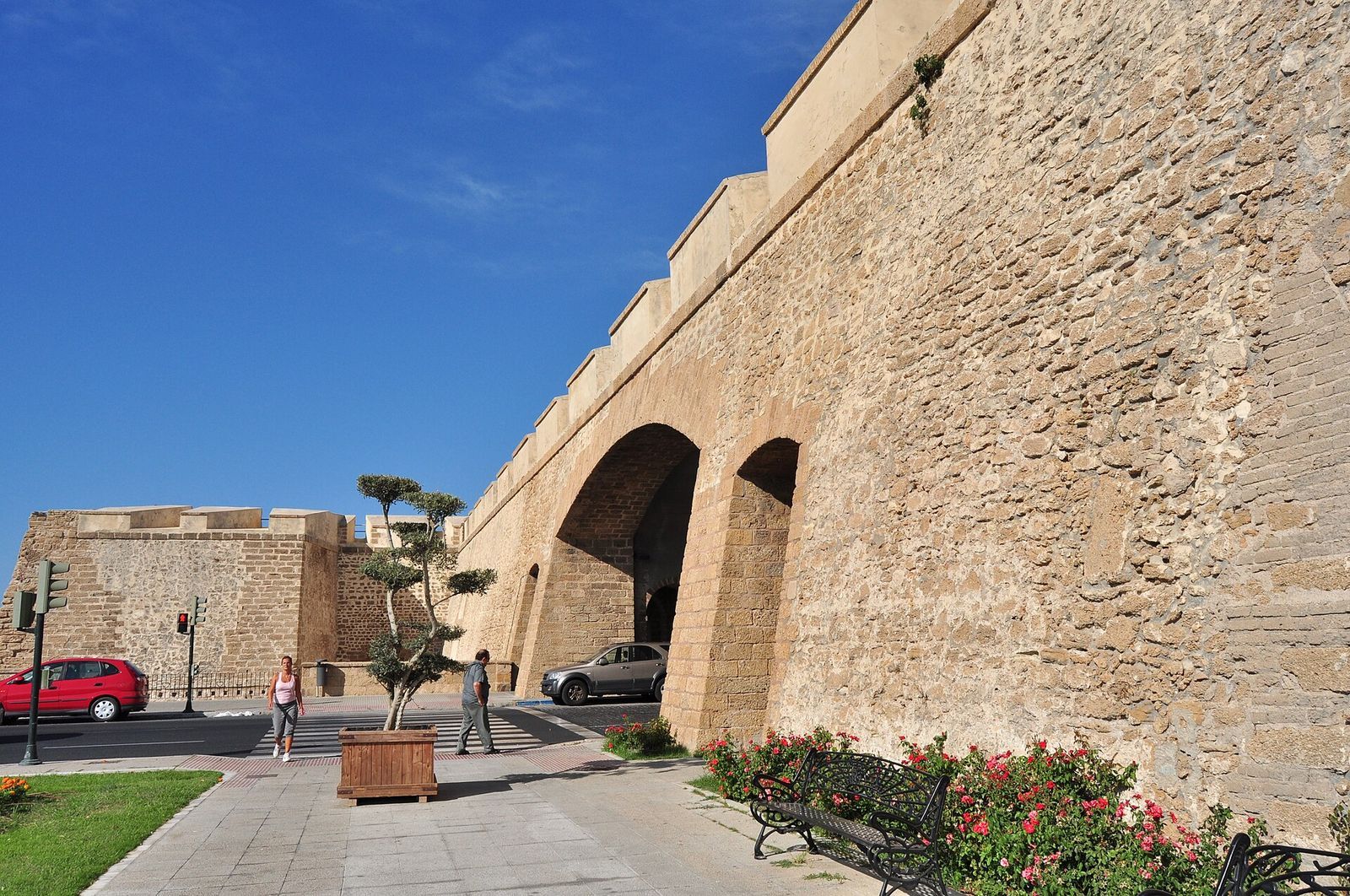
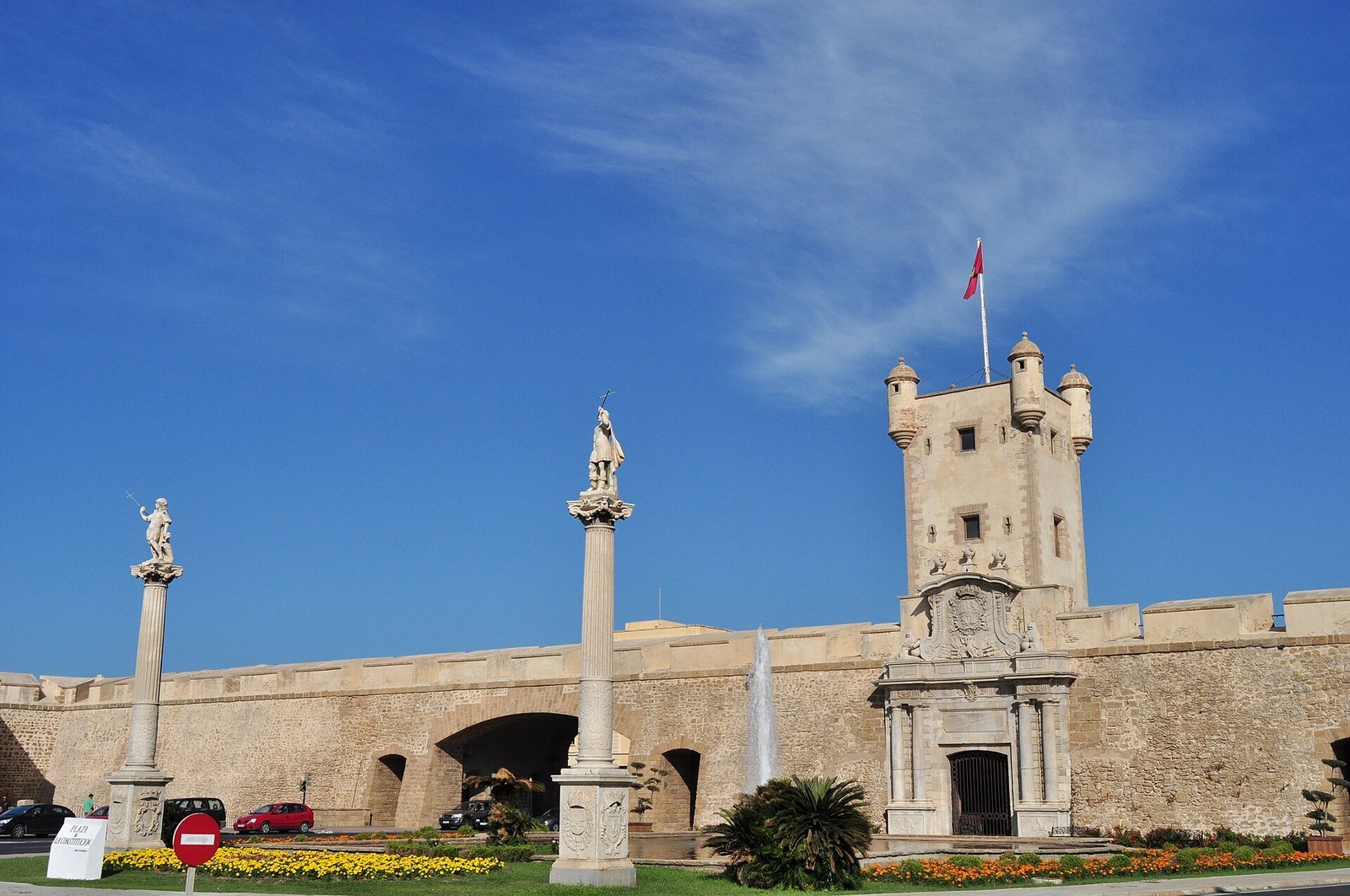
The fortification forms a boundary between Cádiz’s historic center and newer districts. Its surviving defensive fabric combines walls and bastions of natural stone with a central marble entrance, a moat, and galleries on the city-facing sides of the walls and bastions.
Bastions and walls
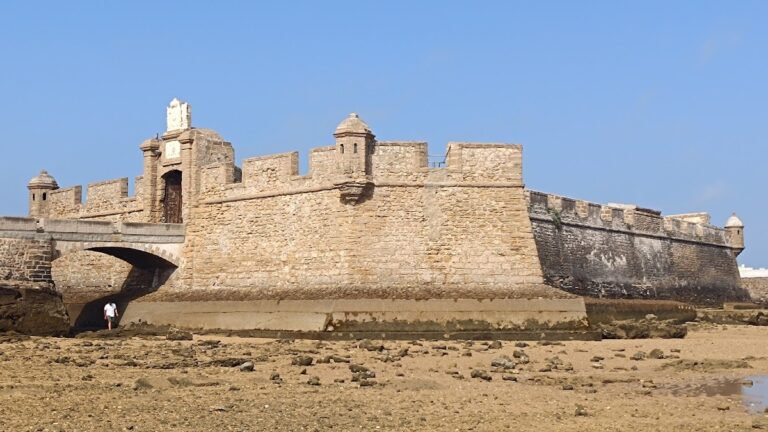
The two original bastions stood on opposite sides of the landward defenses: San Roque faced the sea, and Santa Elena faced the bay. Their natural-stone walls had crenellations and positions for cannon. Galleries also run along the city-facing side of the walls and bastions.
Moat and altered openings
A moat once extended in front of the wall, where a drawbridge led to a narrow gate. Twentieth-century changes left the moat partly filled and created two wider openings in the wall. San Roque Bastion was partly removed to make way for a coastal road.
Marble entrance
The central entrance is made of marble. On the facade facing the city, a marble portico takes the form of a triumphal arch. The entrance’s design was conceived more like a religious altarpiece than a military gateway.
Telegraph tower
The tower associated with the optical-telegraph line is an atypical example of Mathé’s tower design. It remains part of the fortification’s surviving structures.