Palazzo San Callisto: A Baroque Palace and Holy See Property in Rome
Site at a Glance
- Country
- Italy
- Primary era
- Early Modern
- Eras represented
- Early Modern, Modern
- Civilizations
- Italian, Papal States
- Site type
- Religious
- Remains
- Palace
On this page8 sections
History
Cardinal’s residence and Benedictine monastery
Palazzo San Callisto is a Baroque urban palace in Rome, Italy, in the Trastevere district. Its Baroque style, a European architectural tradition associated with dramatic forms and ornament, developed through phases that include a renovation in the 16th century and a separate construction phase dated to 1609. The palace later served as a Benedictine monastery and became a property used by Holy See institutions.
Originally, the palace was the residence of cardinals holding the title of Santa Maria in Trastevere. Cardinals are senior Catholic clergy who advise the pope and elect his successor. Cardinal Giovanni Gerolamo Morone oversaw a renovation in the 16th century.
Pope Paul V granted the palace to Benedictine monks who had to leave their former monastery as the Quirinal Palace was enlarged. Benedictines follow a monastic tradition based on the Rule of Saint Benedict. The palace became a monastery associated with the church of San Callisto, from which it takes its name. The church and convent were renovated between 1610 and 1618, and architect Orazio Torriani is associated with the palace’s renovation history.
Twentieth century and Holy See use
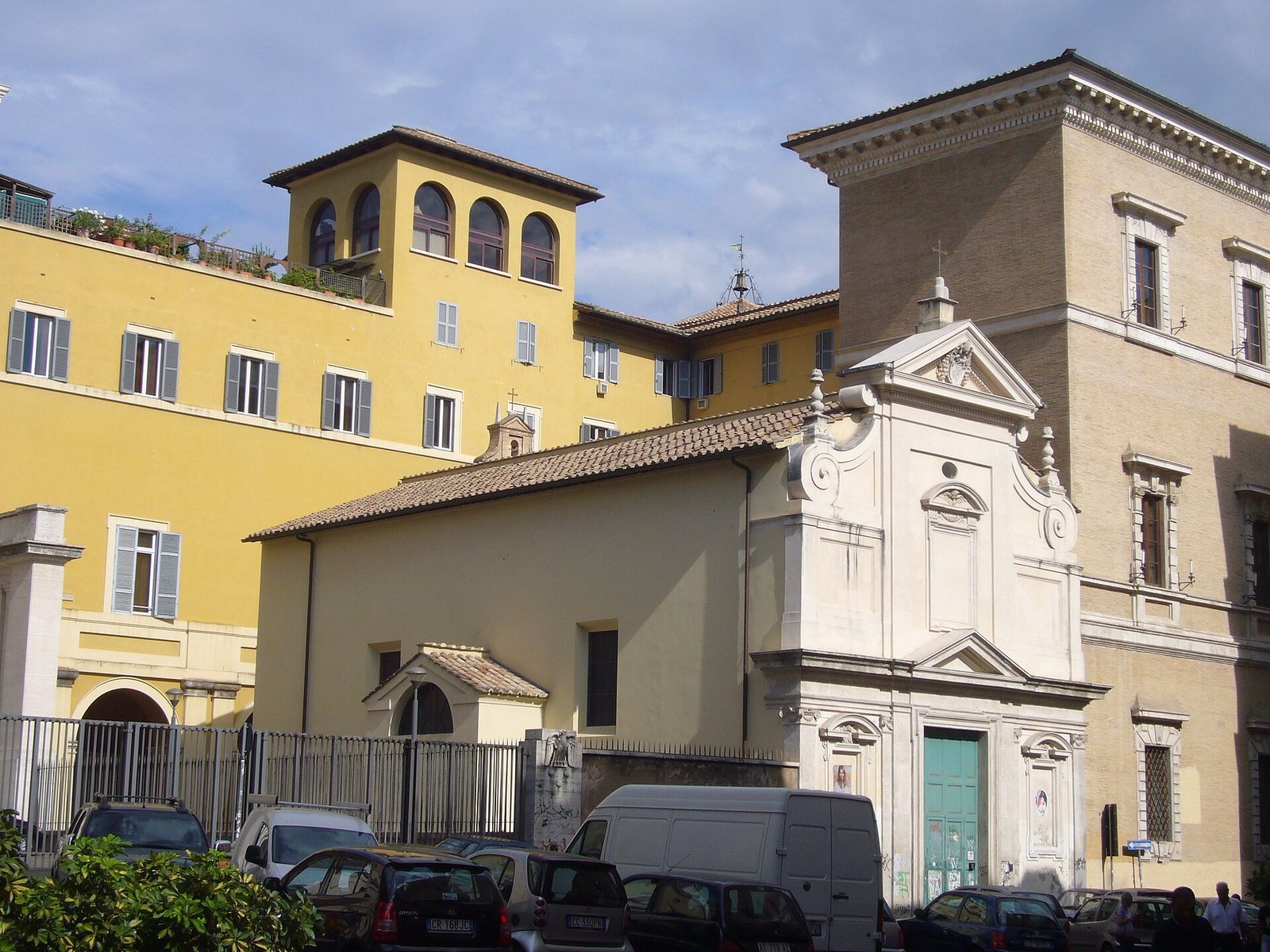
In 1936, during Pope Pius XI’s pontificate, architect Giuseppe Momo designed a new wing facing Piazza di San Callisto. The palace also houses offices or headquarters for Holy See bodies and Catholic organizations. These include the Dicastery for Promoting Integral Human Development and the Dicastery for the Laity, Family and Life, departments of the Roman Curia, the Holy See’s administrative body, as well as the Pontifical Commission for Latin America, which concerns the Catholic Church in that region.
Other occupants have included Caritas Internationalis, a global confederation of Catholic charitable organizations; Scholas Occurrentes, an educational network; Circolo San Pietro, a Rome-based Catholic charitable association; and International Catholic Charismatic Renewal Services. The palace has also housed the former Pontifical Councils for the Laity, the Family, and Justice and Peace, and the Pontifical Committee for International Eucharistic Congresses. Other users include the Holy See’s representation to the Food and Agriculture Organization, the International Fund for Agricultural Development, and the World Food Programme; the Roman section of the Equestrian Order of the Holy Sepulchre of Jerusalem, a Catholic lay order with a religious and charitable mission; and a Catholic association for artists and workers. The building also provides residences for church prelates and Roman Curia officials, and houses other Catholic organizations linked to the Holy See.
Under the 1929 Lateran Treaty, the agreement that established the territorial relationship between Italy and the Holy See, Palazzo San Callisto became an extraterritorial property. This status gives the property special legal standing in Italy but does not make it sovereign territory. The palace forms part of the UNESCO World Heritage property Properties of the Holy See in Italy, inscribed in 1990. UNESCO’s World Heritage List recognizes places considered to have outstanding universal value.
Remains
Palace and associated features
The site comprises a Baroque urban palace, later extensions, and associated religious buildings in Trastevere. Its layout connects the original palace and the later additions with the neighboring squares and church buildings.
Facades and wings
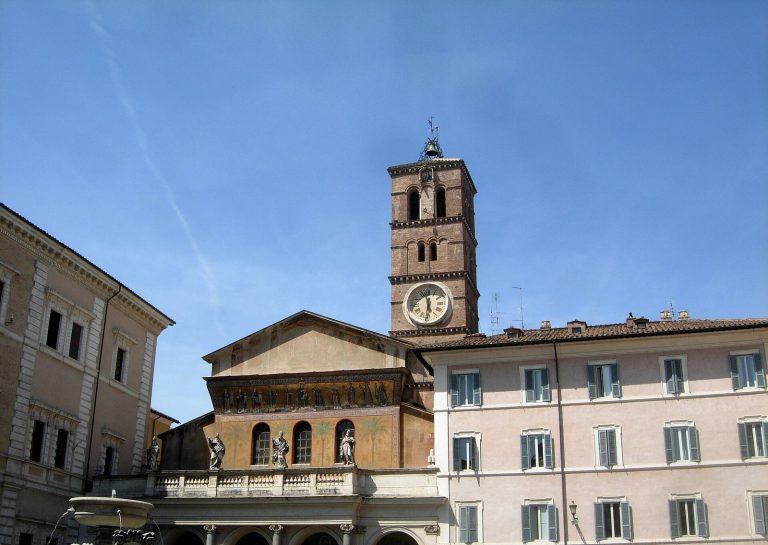
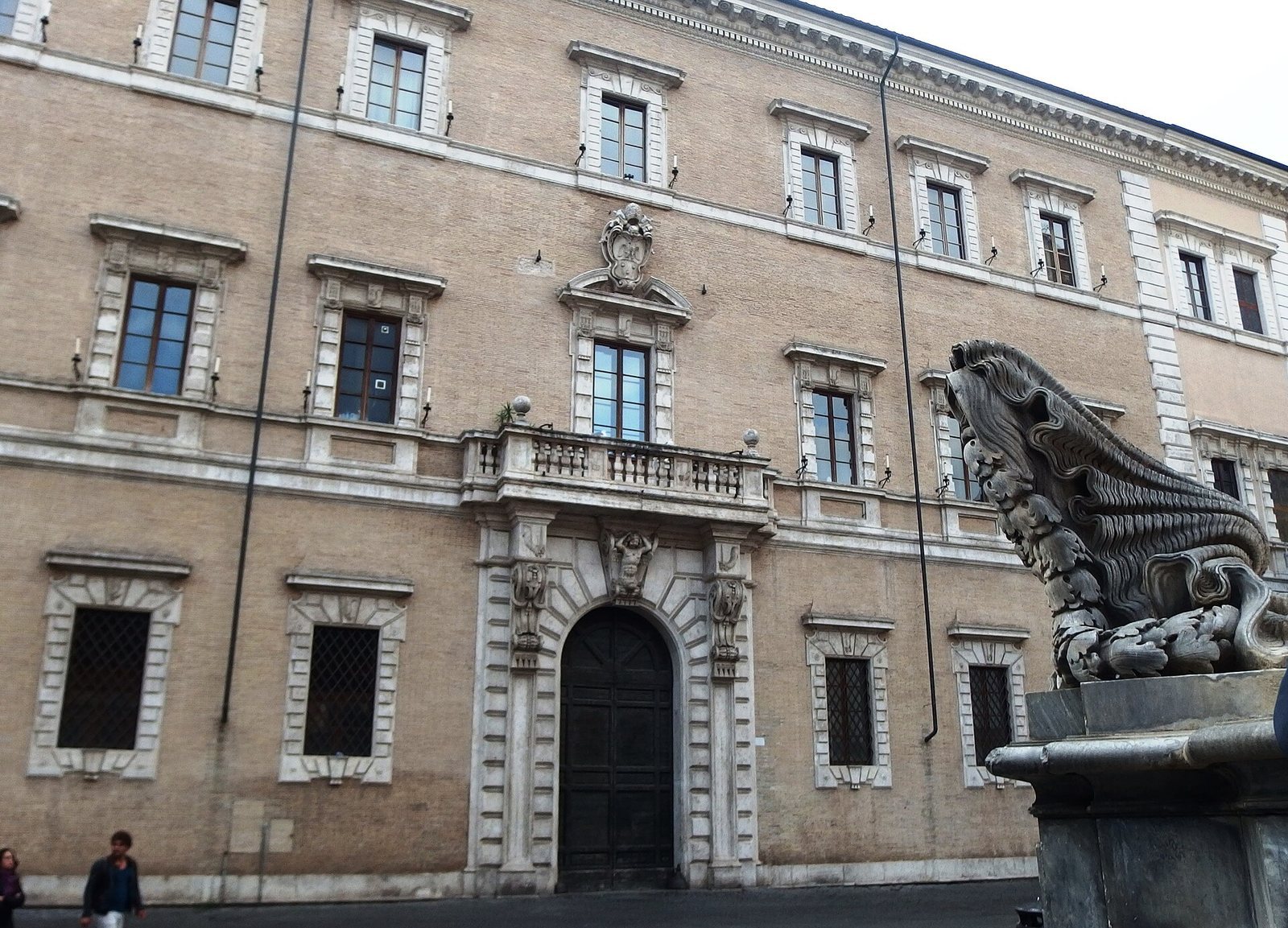
The original palace is on Piazza di Santa Maria in Trastevere, and one of its facades faces the fountain in that square. The later extensions have an entrance on Piazza di San Callisto, where a palace wing faces the piazza. The palace borders the church of Santa Maria in Trastevere.
San Callisto church and convent
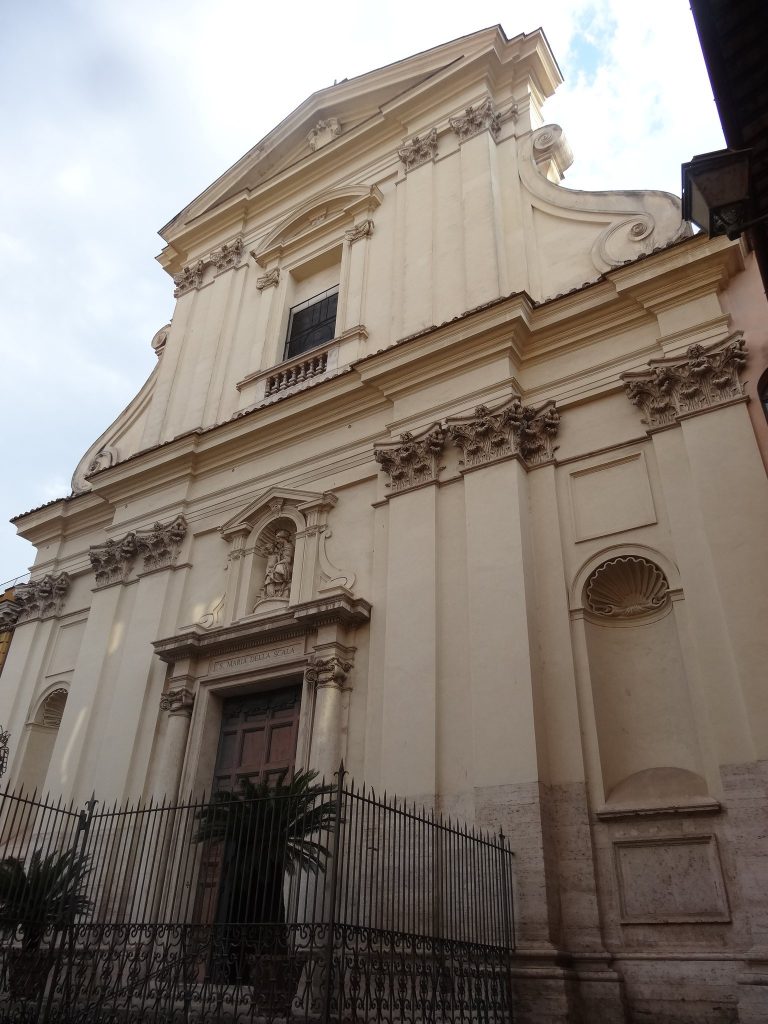
A small church of San Callisto and a convent are associated with the palace. Together, these buildings reflect the site’s connection with its former monastic use.
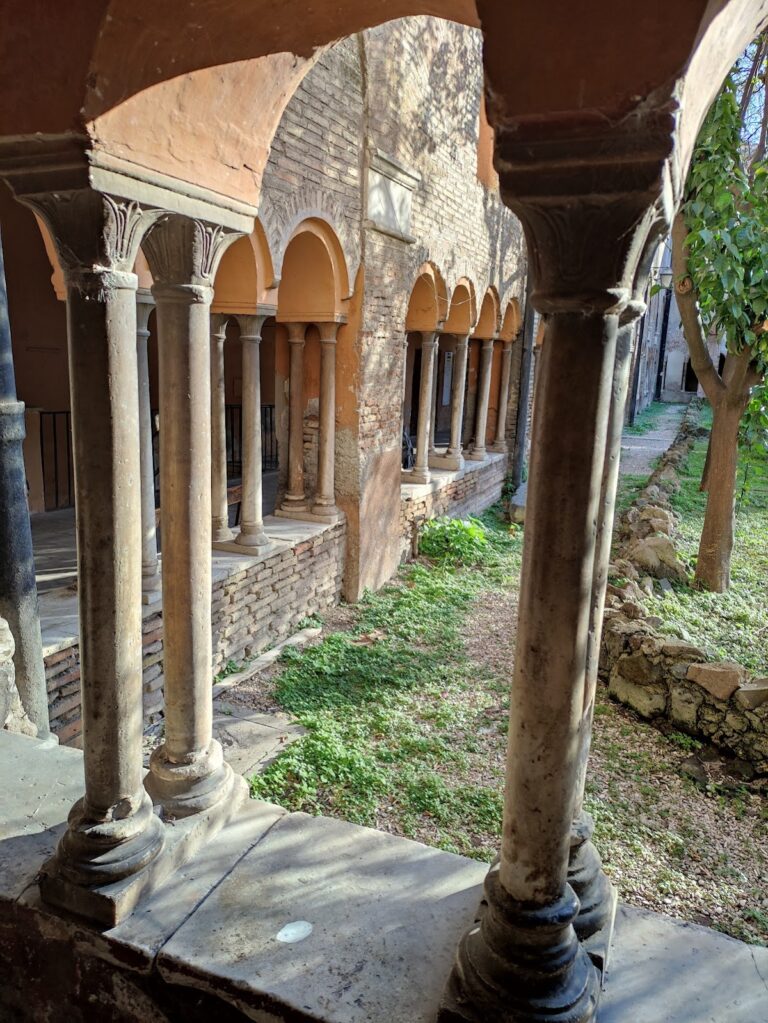
Courtyard water feature
A water feature in the courtyard is traditionally associated with the martyrdom of Pope Callixtus I in 222. The palace site is also traditionally linked to his residence. Callixtus I was an early third-century pope venerated as a saint.