Hanareko Kofun: A Burial Mound Thought to Date to the Fifth Century
Site at a Glance
- Popularity
- Very Low
- Country
- Japan
- Primary era
- Classical
- Eras represented
- Classical
- Civilizations
- Yamato
- Site type
- Burial
- Remains
- Burial Mound
On this page6 sections
History
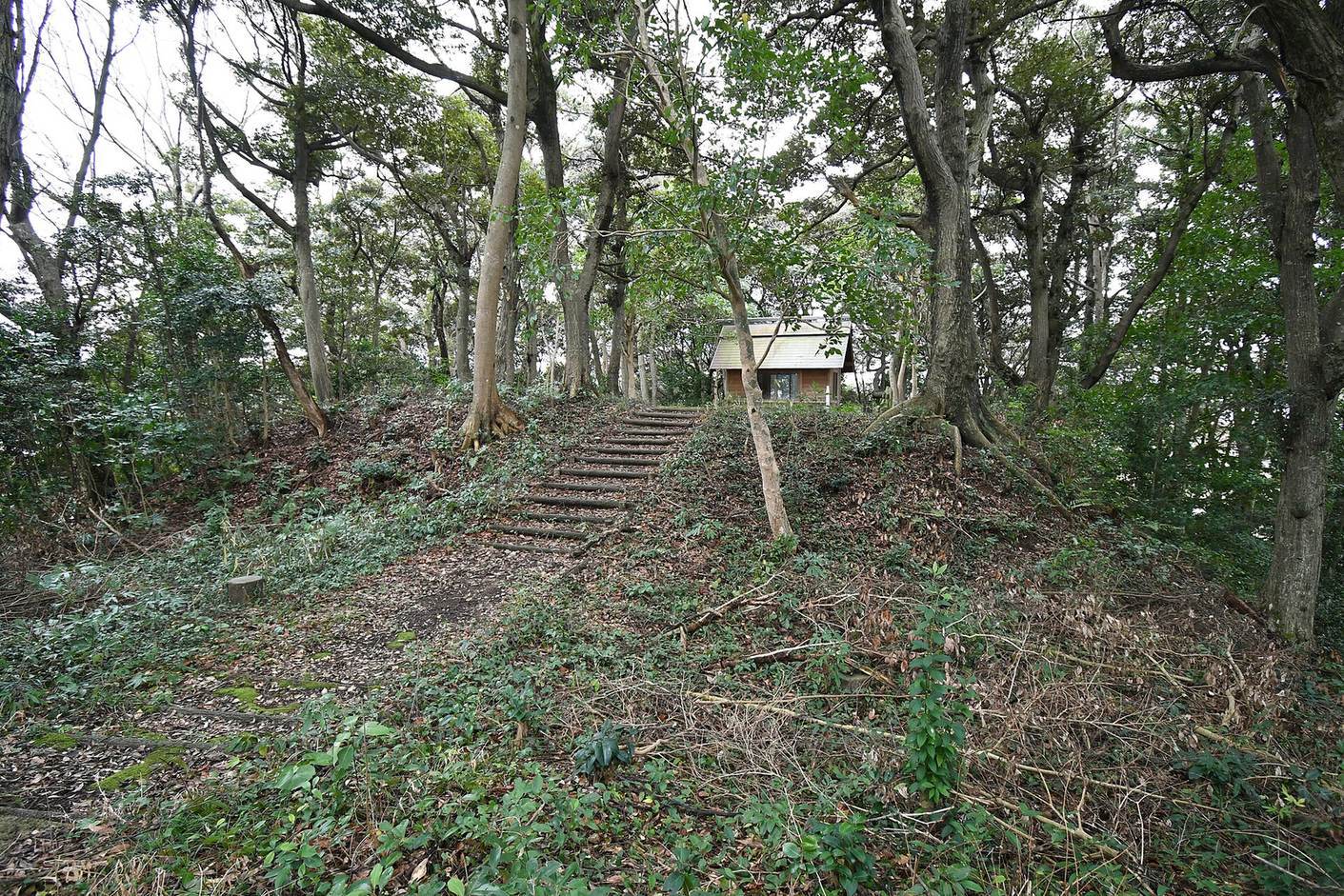
Hanareko Kofun is a Japanese burial mound in Kyotango, Kyoto, Japan, on a hill projecting into Lake Hanareko. It is thought to date to around the fifth century, during the Kofun period, an era associated with the construction of large burial mounds.
In fiscal 1990, investigators examining another mound on the hill as part of plans to develop the lake area as a park explored a plateau to its south. They uncovered the bottom slab of a chest-shaped stone coffin and grave goods, revealing a second burial mound, which was named Hanareko Kofun. Work on the mound and its outer features was postponed because of time and budget constraints. The full tomb was surveyed in fiscal 1991.
Remains
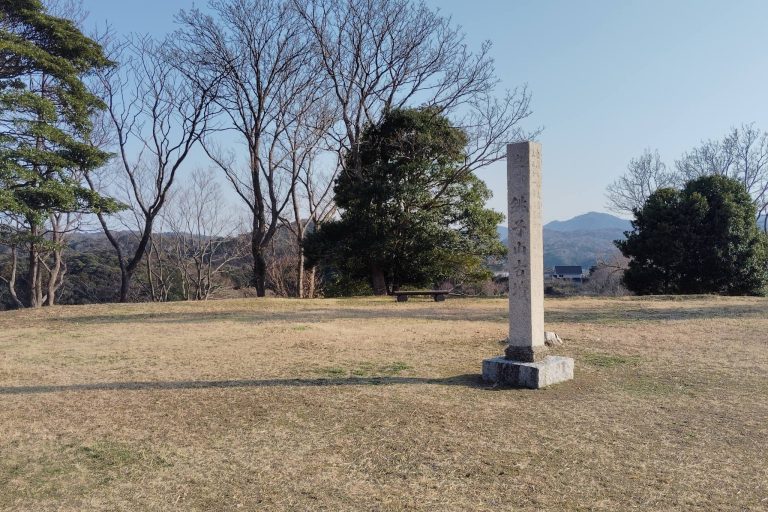
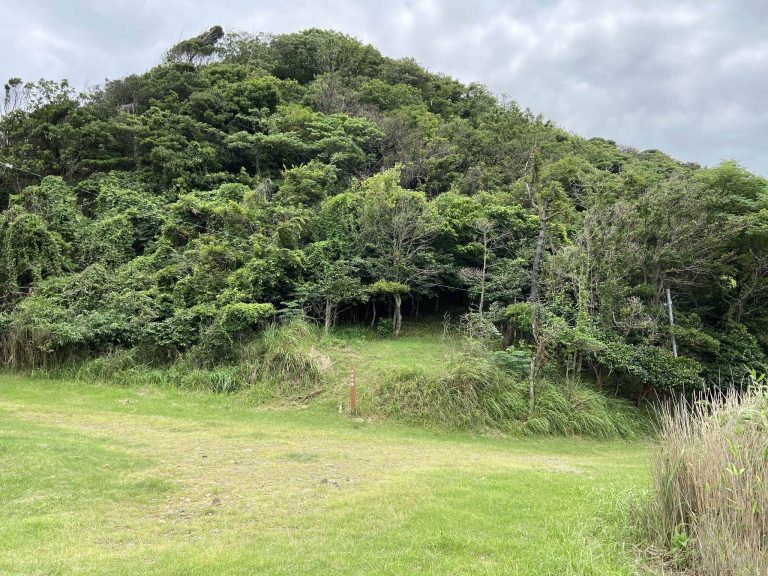
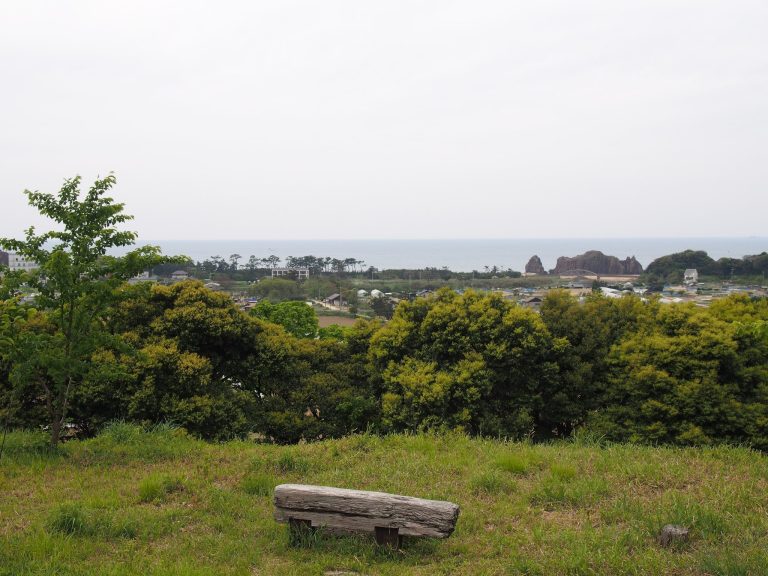
The mound occupies the summit of a hill that projects into Lake Hanareko in an island-like form, about 40 metres south of another burial mound. Its original shape is uncertain because it was later levelled. It is estimated to have measured 34 metres east to west and 43.4 metres north to south, and to have stood 6.35 metres high. Two burial structures lay parallel to one another near its centre.
Burial structures
Robbed stone-coffin burial
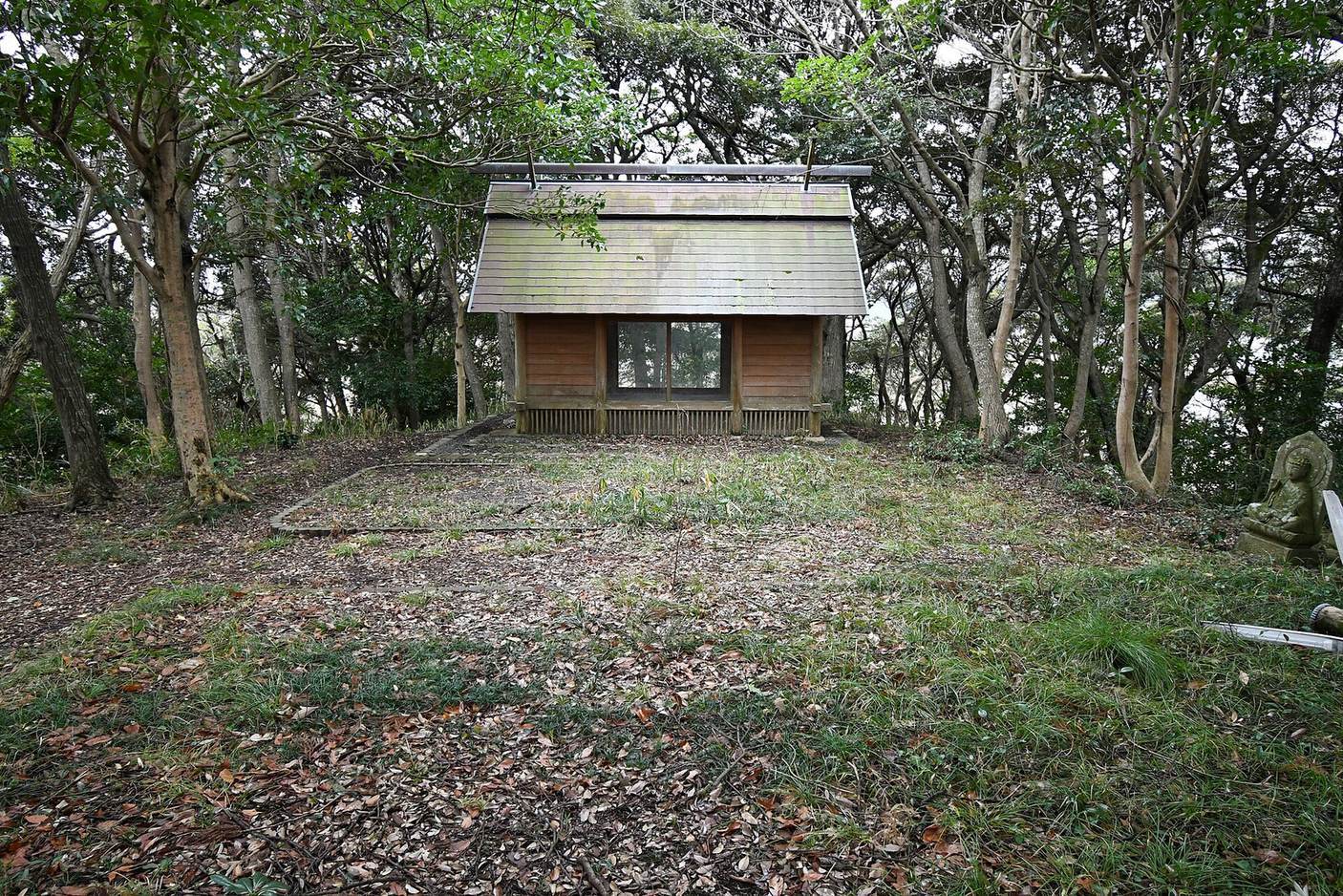
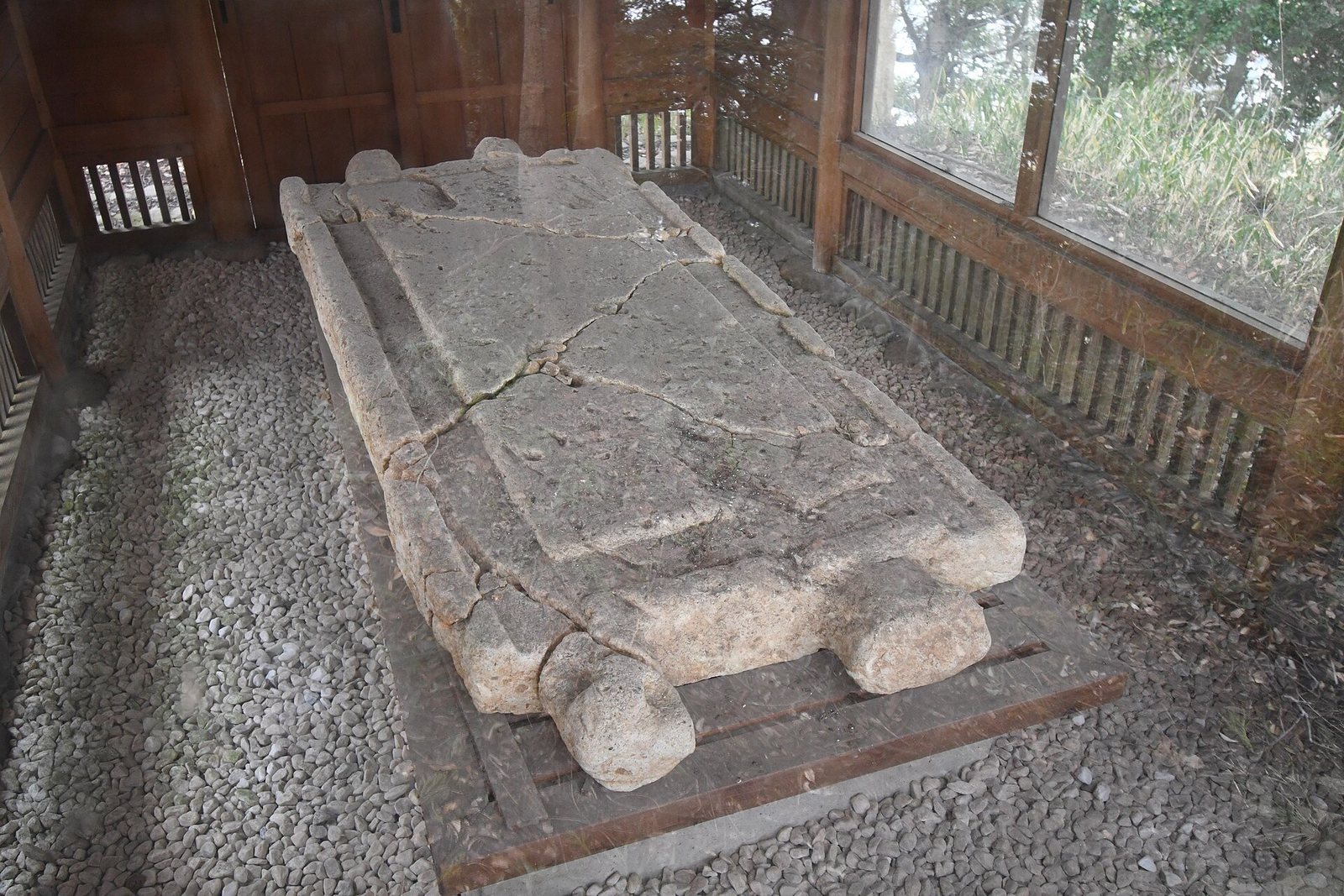
The first burial had a grave pit measuring 5.6 by 3.6 metres and 0.6 metres deep when uncovered. A smaller cut within it, 3.6 by 1.3 metres and 0.4 metres deep, held a chest-shaped stone coffin. Looting left only the coffin’s bottom slab, now housed in a shelter built on the mound.
Wooden-coffin burial
The second burial was undisturbed. Its two-tiered grave pit measured 7.44 by 3.48 metres at the exposed surface and contained an assembled box-shaped wooden coffin. The coffin was 4.88 metres long and 0.66 to 0.77 metres wide, with three compartments; the human remains lay in the middle one.
Grave goods and haniwa
Iron fragments from the robbed burial were reconstructed as a sword, an axe, a small knife, arrowheads, and body armor made from triangular iron plates fastened with rivets. Finds from the undisturbed burial included copper and stone bracelets, a mirror decorated with concentric circles, beads, two types of iron sword, a spear, and arrowheads. Standard cylindrical and morning-glory-shaped haniwa, clay funerary objects placed around burial mounds, were recovered at the mound’s northern and southern feet. Some beads are exhibited at Kyotango City Tango Ancient Village Museum, while examples of the iron swords are displayed at Kyoto Prefectural Tango Local Museum.