Temple of Mars, Corseul: A Roman-Gaulish Sanctuary in France

Site at a Glance
- Rating
- 4.5
- Popularity
- Low
- Country
- France
- Primary era
- Classical
- External website
- Open
- Eras represented
- Classical, Early Modern
- Civilizations
- Roman
- Site type
- Religious
- Remains
- Temple
On this page6 sections
History
The Temple of Mars, Corseul, in France, is a Roman sanctuary shaped by Gaulish religious traditions and probably built around the middle of the 1st century CE. It served as the civic or principal sanctuary of the Coriosolites, a Gaulish people whose territory became a Roman civic district, or civitas, after the Roman conquest. The sanctuary remained in use until the end of the 3rd century.
A principal sanctuary of the Coriosolites
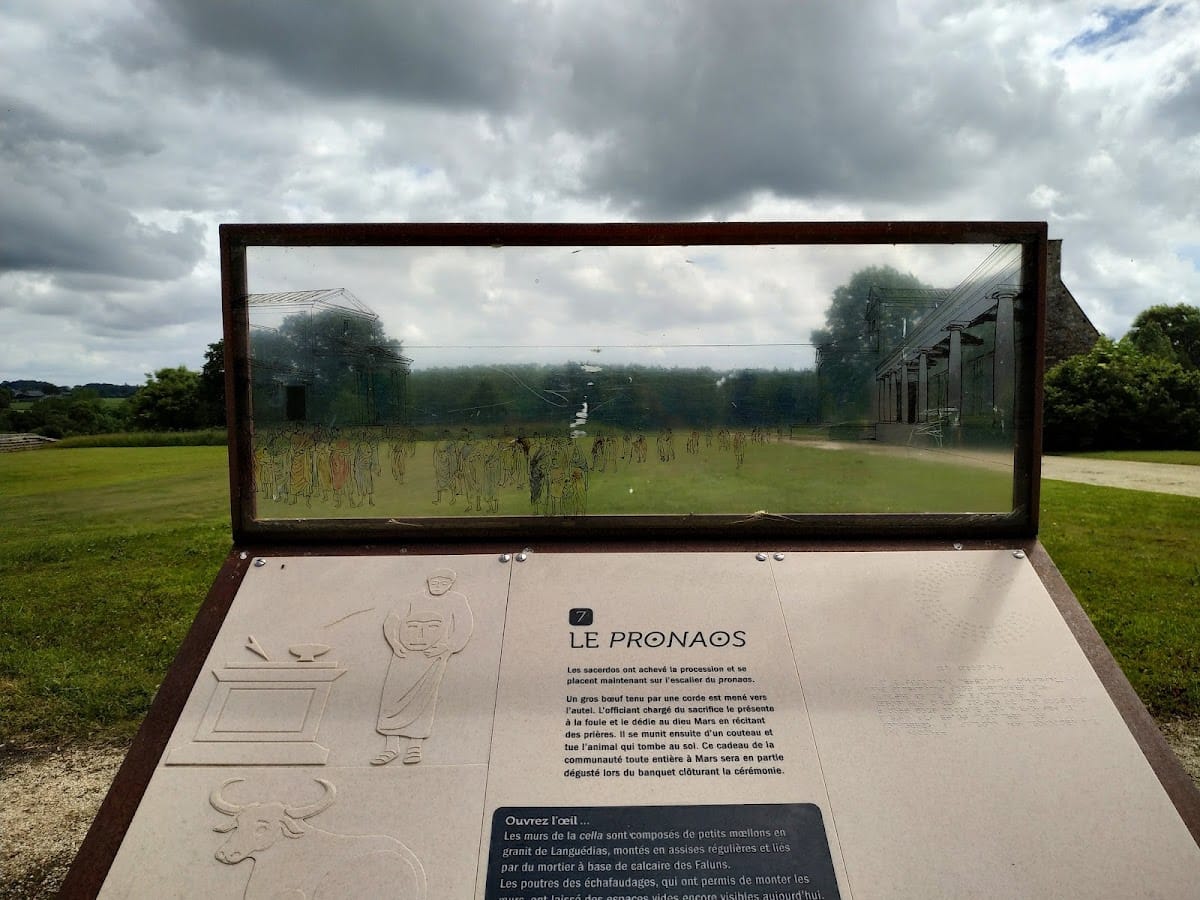
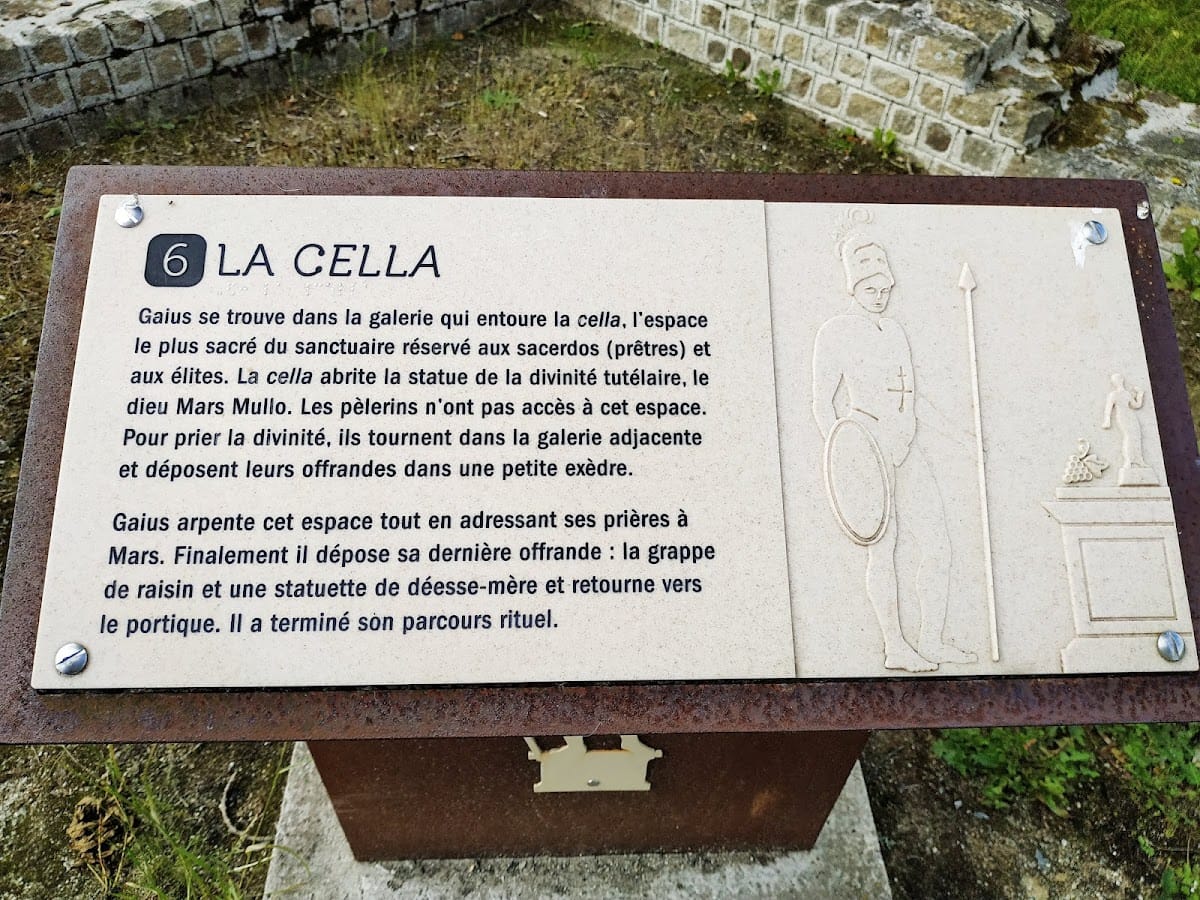
The site combined Roman and indigenous Gaulish practices in the form of a fanum, a Gallo-Roman temple with a central sacred chamber and surrounding gallery. The innermost chamber held a statue of the deity worshipped there, and pilgrims are described as processing around it during ceremonies. Although the sanctuary has traditionally been called the Temple of Mars, no decisive evidence proves that the Roman god Mars was the deity honored at the site.
Destruction and later investigation
A fire after 270 is associated with the sanctuary’s destruction. Possible circumstances include threats from barbarian pirates operating along the English Channel coast, the unrest known as the Bagaudae, or both. The site attracted attention again in the early modern period. Simon Garengeau, an engineer involved in the fortifications of Saint-Malo under Vauban’s projects, visited Corseul and presented a report on the remains to the Académie royale des inscriptions et médailles in 1709.
Excavations took place during the 19th century. A plan prepared by Émile Fornier in 1869 was later supported by aerial surveys and more recent archaeological surveys and soundings. The Temple of Mars entered the French list of protected historic monuments in 1840, while protection was extended to the wider Gallo-Roman site in 1997. A three-dimensional architectural reconstruction was produced by Yann Bernard and Gaétan Le Cloirec in 2016.
Remains
The sanctuary complex
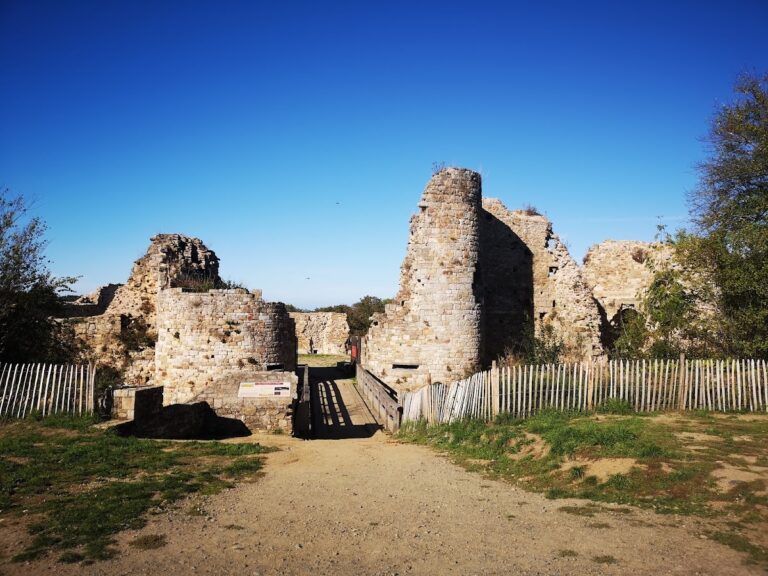
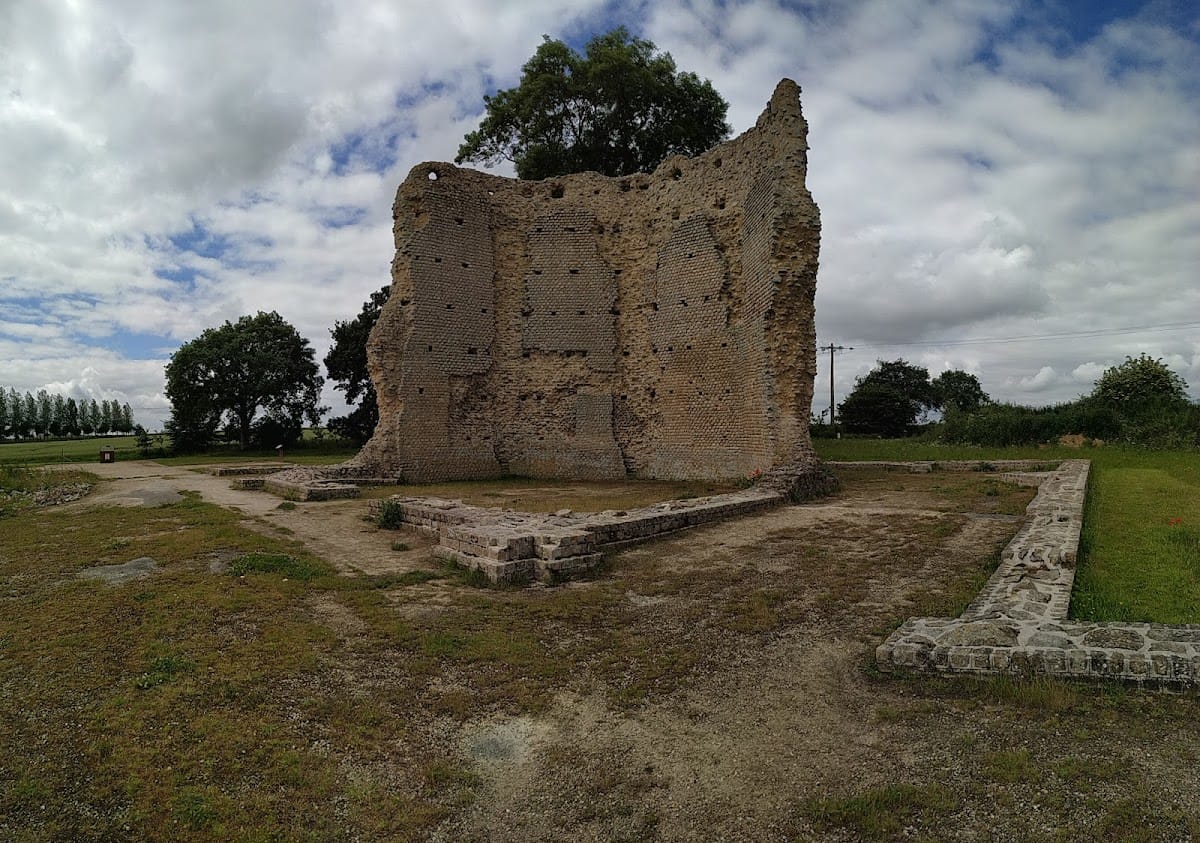
The remains at Haut-Bécherel comprise the temple and its surrounding courtyard, which occupied almost, or slightly more than, one hectare and measured about 90 by 80 metres. The courtyard was enclosed by a gallery on three sides. At its center stood an octagonal cella, the enclosed chamber where the cult statue or principal sacred object was housed. This most sacred building reached approximately 22.5 metres in height. Only three sections of the temple walls survive, with the standing wall fragments rising to about 10 metres, and the temple is partly destroyed and ruined.
The Haut-Bécherel farm
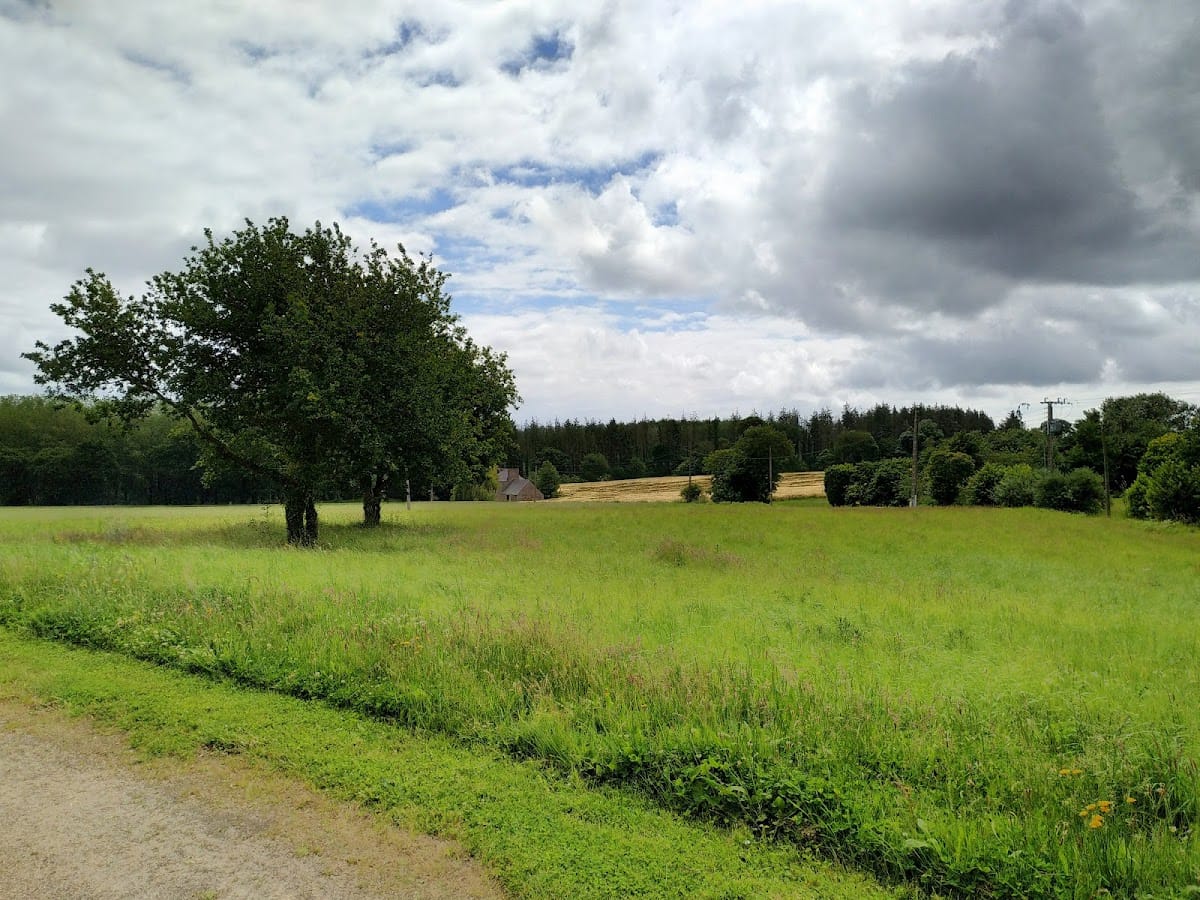
The 16th-century Haut-Bécherel farm now stands within the ancient sanctuary. Its north side is set against and rests on foundations belonging to the sanctuary’s southern gallery. The farm uses granite rubble, cut granite, and shale rubble, and includes a bread oven and a well. It was built over the earlier site and incorporates reused stone, while tapered masonry walls also survive. Until the second half of the 20th century, the complex contained five buildings; these were demolished in 1997.
The surviving farmhouse combines a dwelling, stable, and loft beneath one roof. Its west ground-floor opening was enlarged in the 19th century, and an eastern dormer was converted into a window. A hayloft dormer with a curved gable provided access to the loft. Traces of a demolished building and the remains of a chimney can be seen on the east gable.