Historic Sites in Brazil: Explore Rock Art, Forts and Historic Waterfronts
Brazil’s collection includes Indigenous rock carvings, colonial fortifications, mission ruins and buildings associated with government and maritime trade. Archaeological sites in Rio de Janeiro also preserve direct evidence of the Atlantic slave trade. The surviving places range from engraved natural rock to exposed paving, ruined masonry and restored buildings.
Primary Function: All
Type: All
Civilization: All
Popularity: All
Rating: All
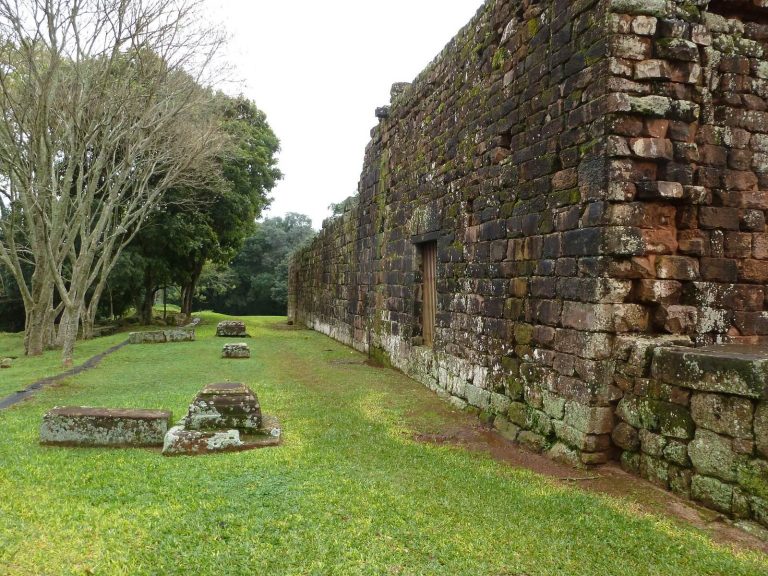
São Miguel das Missões preserves the remains of a Jesuit Guaraní settlement shaped by colonial conflict, mission life, and continuing Guaraní…
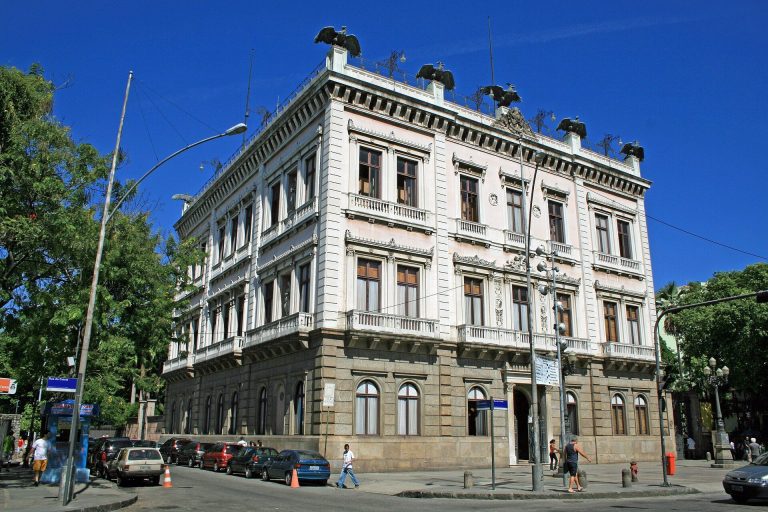
Catete Palace in Rio de Janeiro was built for the Baron of Nova Friburgo and became the workplace of Brazil’s presidents from 1897 to 1960. It now…
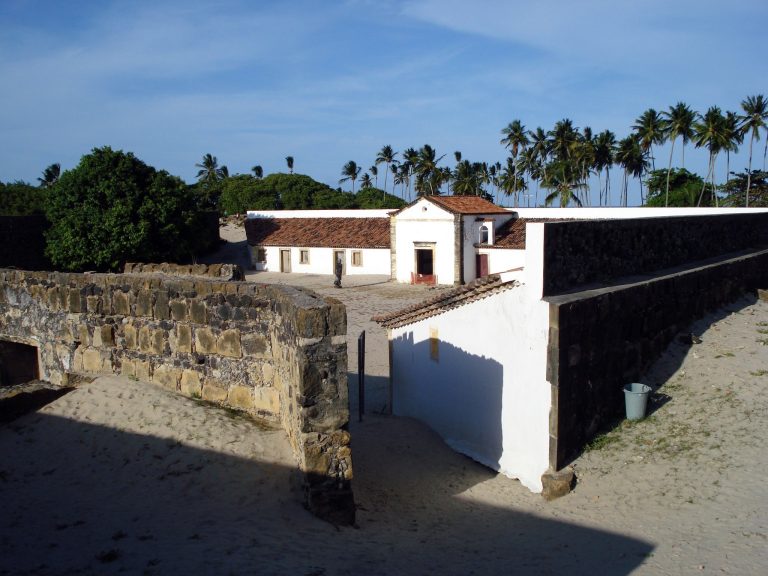
Fort Orange, later renamed the Fort of Santa Cruz de Itamaracá, guarded the southern entrance to Itamaracá’s harbor and preserves evidence of Dutch…
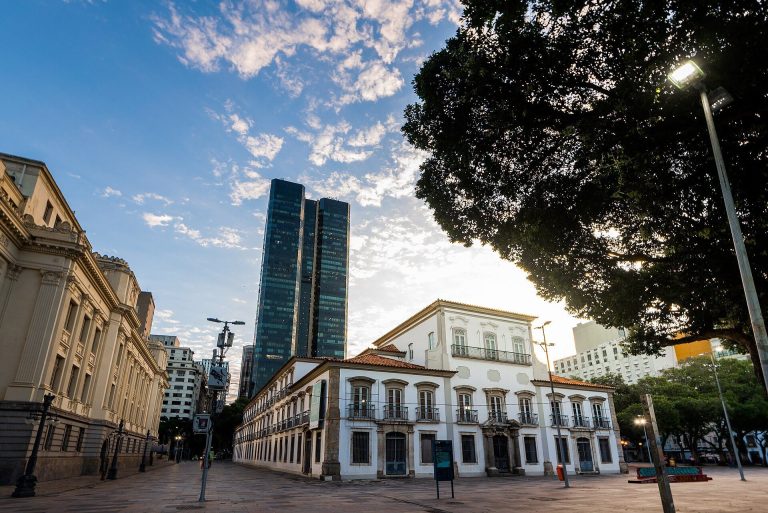
Paço Imperial in Rio de Janeiro developed from a governors’ residence into the administrative center of colonial Brazil and later an imperial palace.…
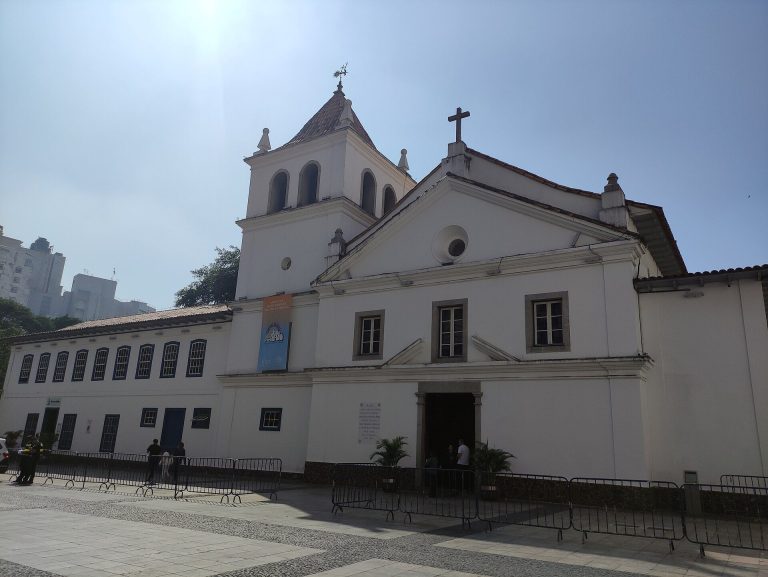
Pátio do Colégio marks the site where Jesuit missionaries established the mission, school, and seminary that founded São Paulo in 1554. Its…
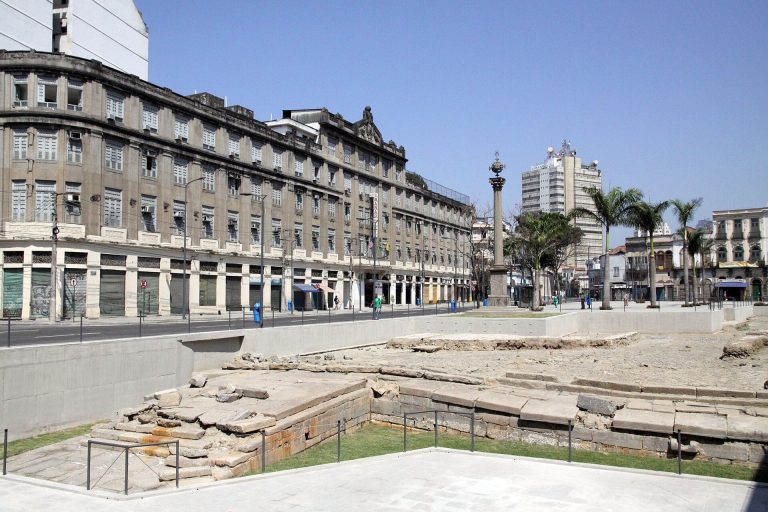
Valongo Wharf in Rio de Janeiro preserves the remains of a major landing place for enslaved Africans and records the forced formation of African…
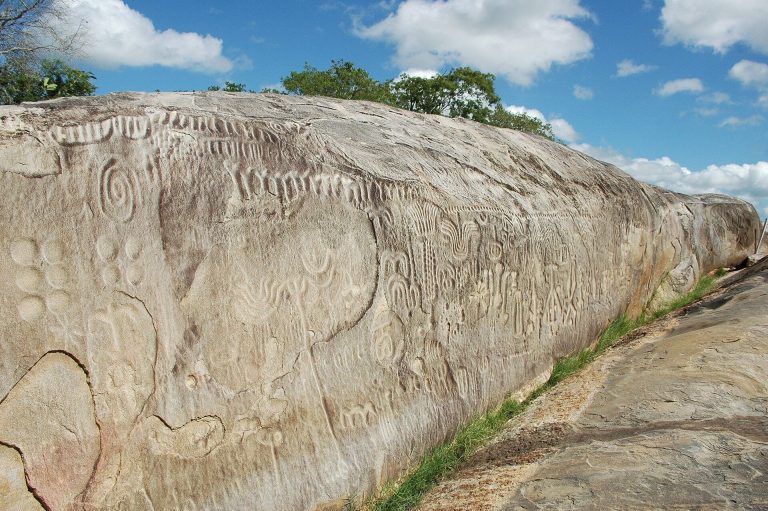
Ingá Stone is a protected rock-art complex in Paraíba, Brazil, known for extensive engravings whose authors, age, meanings, and possible astronomical…
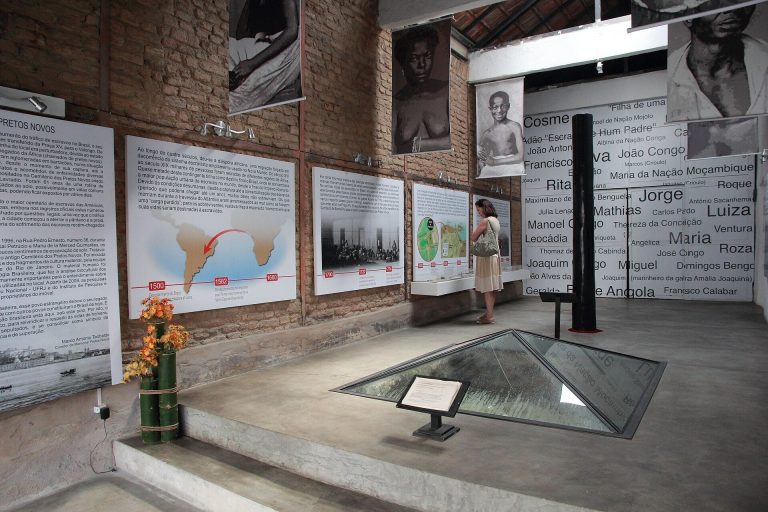
Cemitério dos Pretos Novos was Rio de Janeiro’s burial ground for enslaved Africans who died after arriving through the Valongo slave-trading…
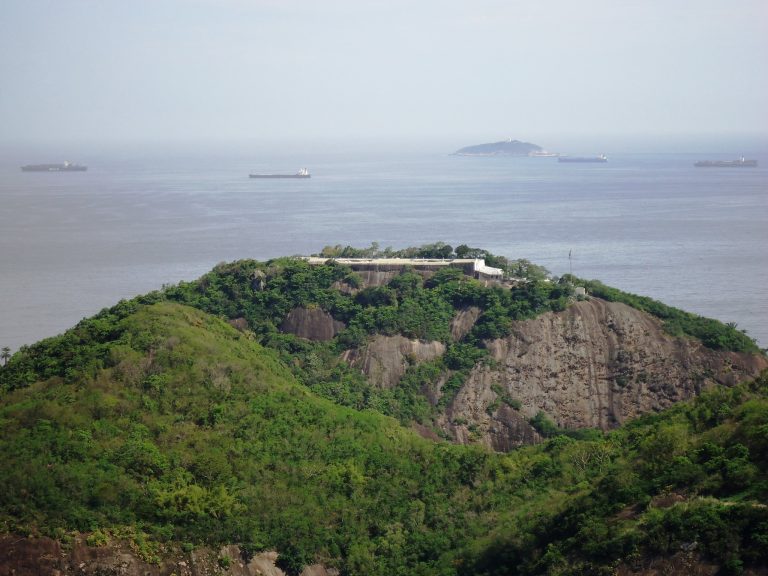
Forte Duque de Caxias guards the entrance to Guanabara Bay from Morro do Leme, preserving a history of Portuguese coastal defense, twentieth-century…
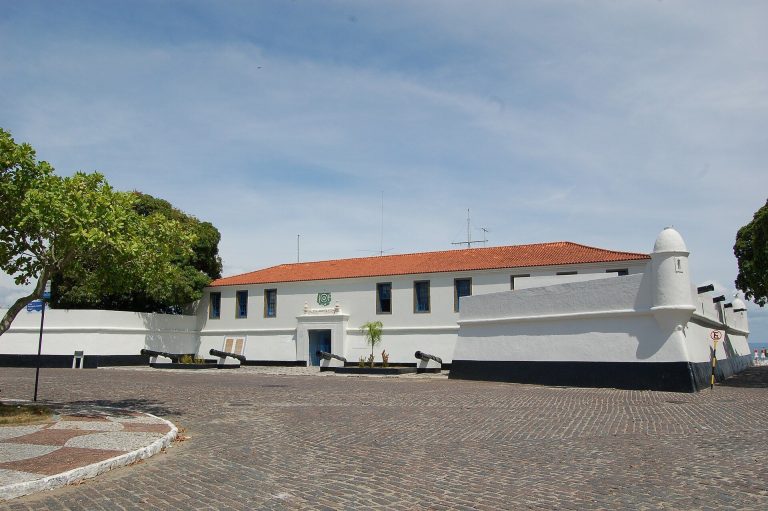
Forte de São Lourenço guarded the northern tip of Itaparica Island and the Bay of All Saints through Dutch and Portuguese periods before becoming a…
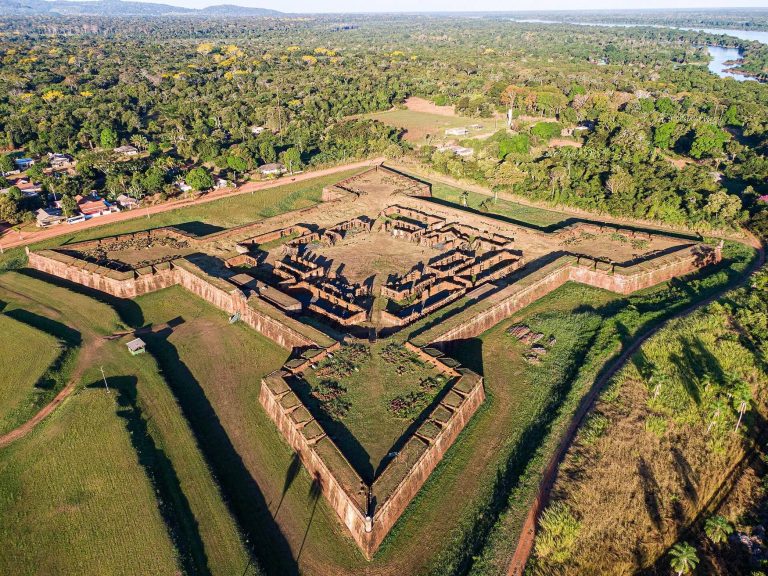
Fort Prince of Beira is an eighteenth-century Portuguese star fort on the Guaporé River, built to secure Portugal’s frontier with Spanish territories…
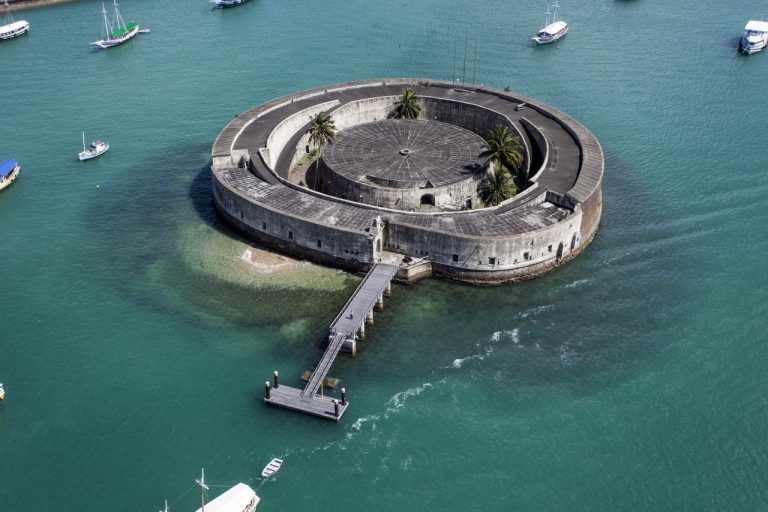
São Marcelo Fort protected Salvador’s harbor from a reef in the Bay of All Saints. Built between 1608 and 1623, it played roles in Dutch attacks,…
For details on how to use the maps, which sites are included, how popularity and ratings are determined, and how sites are classified, see the help page.
On this page4 sections
Indigenous rock art at the Ingá Stone
The Ingá Stone, in Paraíba, preserves engraved rock surfaces beside a river. Deep, worked grooves form numerous curving and geometric motifs across a principal panel and adjacent surfaces. Their survival provides evidence of Indigenous artistic activity before the modern study of the site.
The engravings’ precise date, makers and meanings remain uncertain. Proposed identifications of particular astronomical figures should be distinguished from what can be observed directly in the rock: the placement, shape and technique of the markings. The site article explains the surviving panels without presenting a speculative reading as a deciphered text.
Fort Orange: Dutch foundations and Portuguese rebuilding
Fort Orange, on Itamaracá Island, was founded by Dutch forces in the seventeenth century to control a harbour entrance. The original works used earth and timber. Subsequent Portuguese rebuilding created much of the masonry fortress visible today.
Its quadrangular enclosure and projecting corner bastions supported artillery defence. Barracks, stores and other service buildings occupied the interior. The fort’s name preserves its Dutch origin, but the standing stonework should not all be assigned to that first construction campaign.
Church and community buildings at São Nicolau
The São Nicolau archaeological site, in Rio Grande do Sul, contains remains of a Jesuit-Guaraní mission settlement. A church and central plaza formed the focus of a community built within the colonial mission system. Excavation has identified religious, administrative and service buildings around that core.
Surviving floors, sandstone wall fragments, column bases and foundations make parts of the plan visible. Remains of drainage and a cellar also provide evidence of practical arrangements within the settlement. The site’s history includes Guaraní inhabitants and builders as well as Jesuit institutions and colonial authorities.
Rio de Janeiro’s palace and waterfront archaeology
Paço Imperial began as an eighteenth-century government residence in Rio de Janeiro and later served the Portuguese royal court and Brazilian imperial government. Its courtyards, portals and upper rooms preserve a building adapted to changing political uses. Alterations to the façade and internal spaces belong to several phases of that history.
Elsewhere in the city’s port district, Valongo Wharf preserves the landing place built in 1811 for the disembarkation of enslaved Africans. Excavation exposed stone paving and other remains beneath later waterfront works. The layers include the nineteenth-century Empress Wharf, built over the earlier structure.
The nearby Cemitério dos Pretos Novos was used for people who died after being brought to Rio through the slave-trading system. Its archaeological remains survive beneath later buildings and are presented within a memorial setting. They record the human consequences of forced transport and enslavement, rather than only the commercial development of the port.
The map brings together these different types of evidence. Open the individual articles for the history of each place, the structures or deposits that survive, and the rebuilding or excavation that explains their present appearance.