Cemitério dos Pretos Novos: A Burial Ground and Memorial in Rio de Janeiro
Site at a Glance
- Rating
- 4.9
- Popularity
- Medium
- Country
- Brazil
- Primary era
- Early Modern
- External website
- Open
- Eras represented
- Early Modern, Modern
- Civilizations
- Portuguese
- Site type
- Burial
- Remains
- Necropolis
On this page6 sections
History
Creation and operation
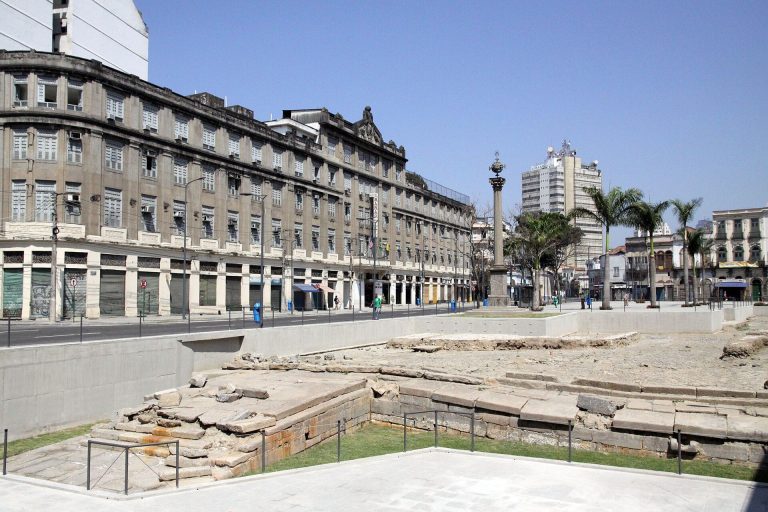
Cemitério dos Pretos Novos is an archaeological burial site and memorial in Gamboa, Rio de Janeiro, Brazil. It operated from 1769 to 1830 as the burial ground for enslaved Africans who died after arriving through the Valongo slave-trading complex. The cemetery was created during the eighteenth century after the port for disembarking enslaved people moved from the area of Praça XV to Valongo, then outside the city’s urban limits. Luís Melo Silva Mascarenhas, the Marquis of Lavradio and viceroy of Brazil, ordered its establishment.
The cemetery replaced an earlier burial ground at Largo de Santa Rita, in front of the Church of Santa Rita de Cássia. In Rio de Janeiro, the term Pretos Novos referred to enslaved Africans newly brought to the city through the Cais do Valongo, a landing place and market where enslaved people were sold. Many died during the Atlantic crossing or while confined in the severely unhealthy facilities connected with the market. Their bodies were deposited at the cemetery as a sanitary measure. Estimates place the number of burials between 20,000 and 30,000, and during the final six years the annual average exceeded 1,000.
Closure and later interpretation
The Valongo market closed in 1830, and the cemetery ceased operating at about the same time. Residents had complained about the activities and smell associated with the burial ground, while the authorities also sought to demonstrate compliance with the treaty that Brazil had signed with Britain in 1827 to end the slave trade. The trade continued from another location after the Valongo market closed.
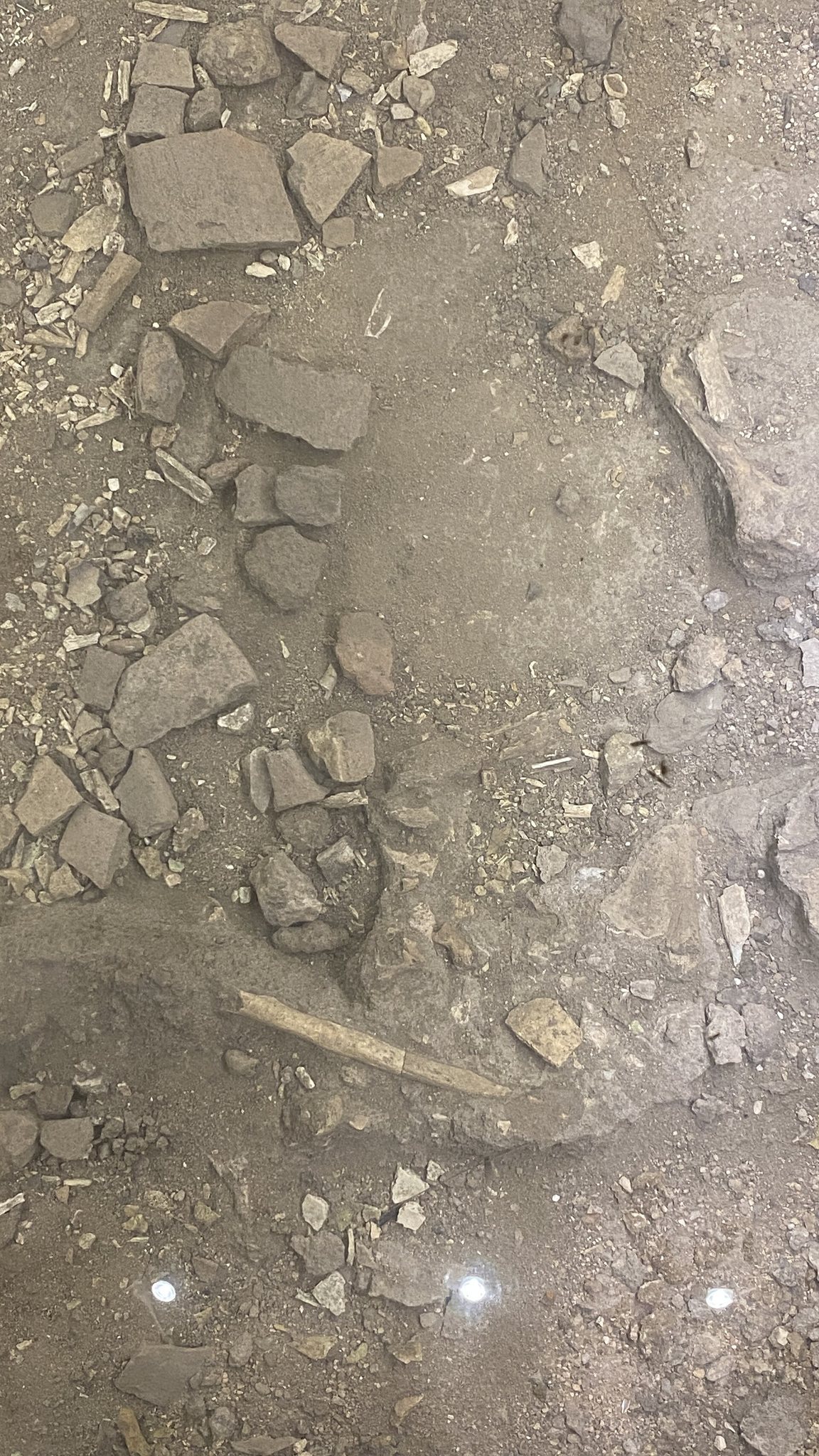
The archaeological site came to light on 8 January 1996, when renovation work at the property led to soil probing. Human bone fragments appeared mixed with ceramic, glass, iron, and other remains. The discovery was reported to the authorities, and professional teams confirmed the site’s historical and archaeological importance. A memorial was established that year. It is now a cultural and research center administered by the Instituto de Pesquisa e Memória Pretos Novos, a private foundation that preserves and publicizes the history of African culture in Rio de Janeiro through exhibitions, artistic activities, courses, workshops, and research.
Archaeological and scientific study has expanded knowledge of the people buried at the site. Research associated with the Escola Nacional de Saúde Pública Sergio Arouca of the Fundação Oswaldo Cruz and the Universidade de Brasília used dental examination and strontium-isotope analysis. The latter compares chemical signatures preserved in teeth with those of different geological regions, helping investigate where an individual spent part of their life. The results indicate that the African origins represented at the cemetery extended across a wider area of the Atlantic and eastern African coasts than had generally been assumed. Dental modifications, especially tooth filing, also helped distinguish pre-Columbian techniques from African practices and later practices among Afro-Brazilians.
In 2017, an excavation lasting about seven months recovered the first complete skeleton found at the site. The remains belonged to a woman who died at approximately 20 years of age in the early nineteenth century. She was given the name Josefina Bakhita.
Remains
Burial ground and archaeological deposits
The site occupies an eighteenth-century townhouse at numbers 32, 34, and 36 on Rua Pedro Ernesto, formerly known as Rua do Cemitério. The cultural center stands over the former burial ground, which historically occupied one of the barracks of the Valongo slave market. Rather than forming one enclosed cemetery with a single boundary, the burial area extended along the former cemetery street through the harbor district toward the area now called Saúde.
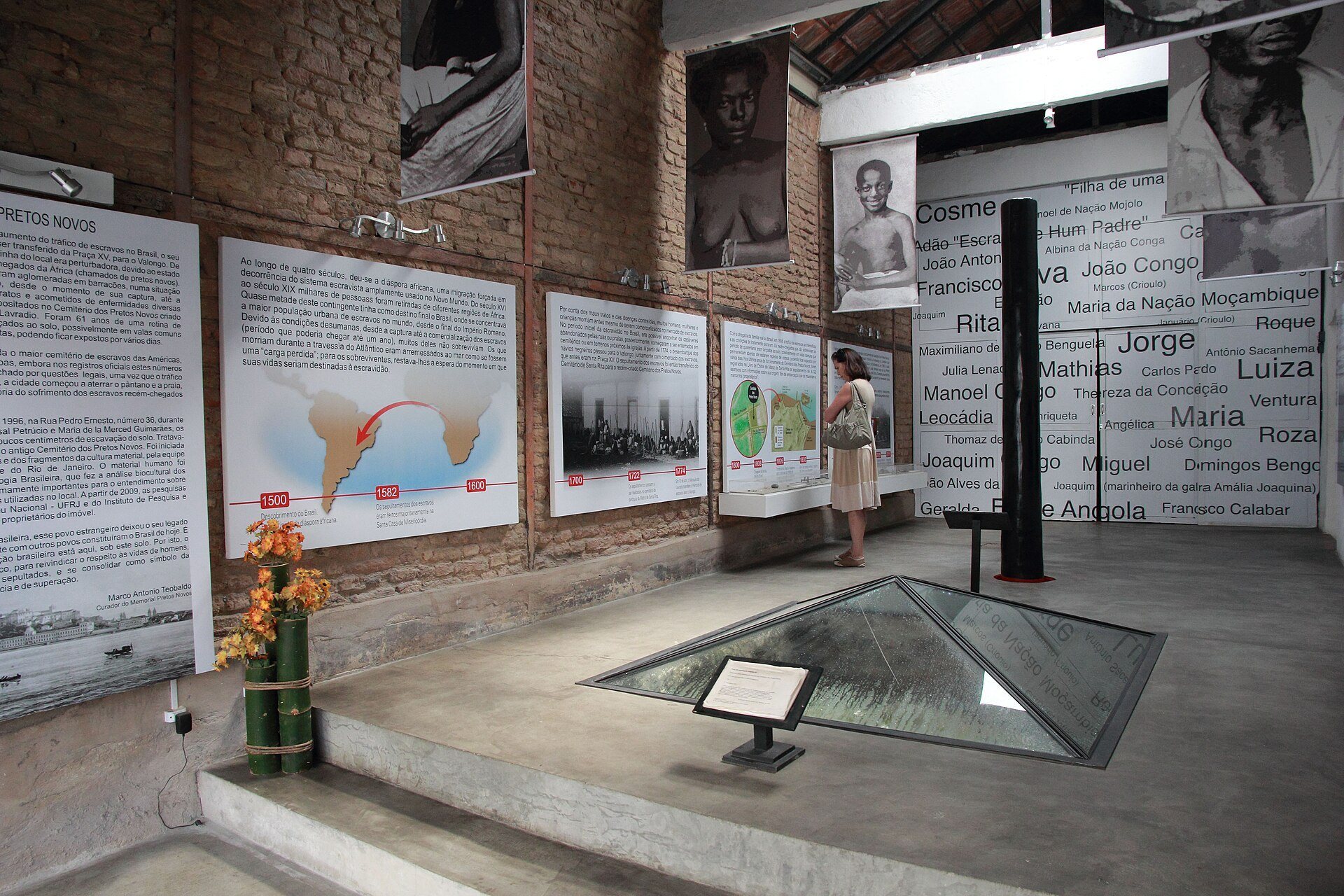
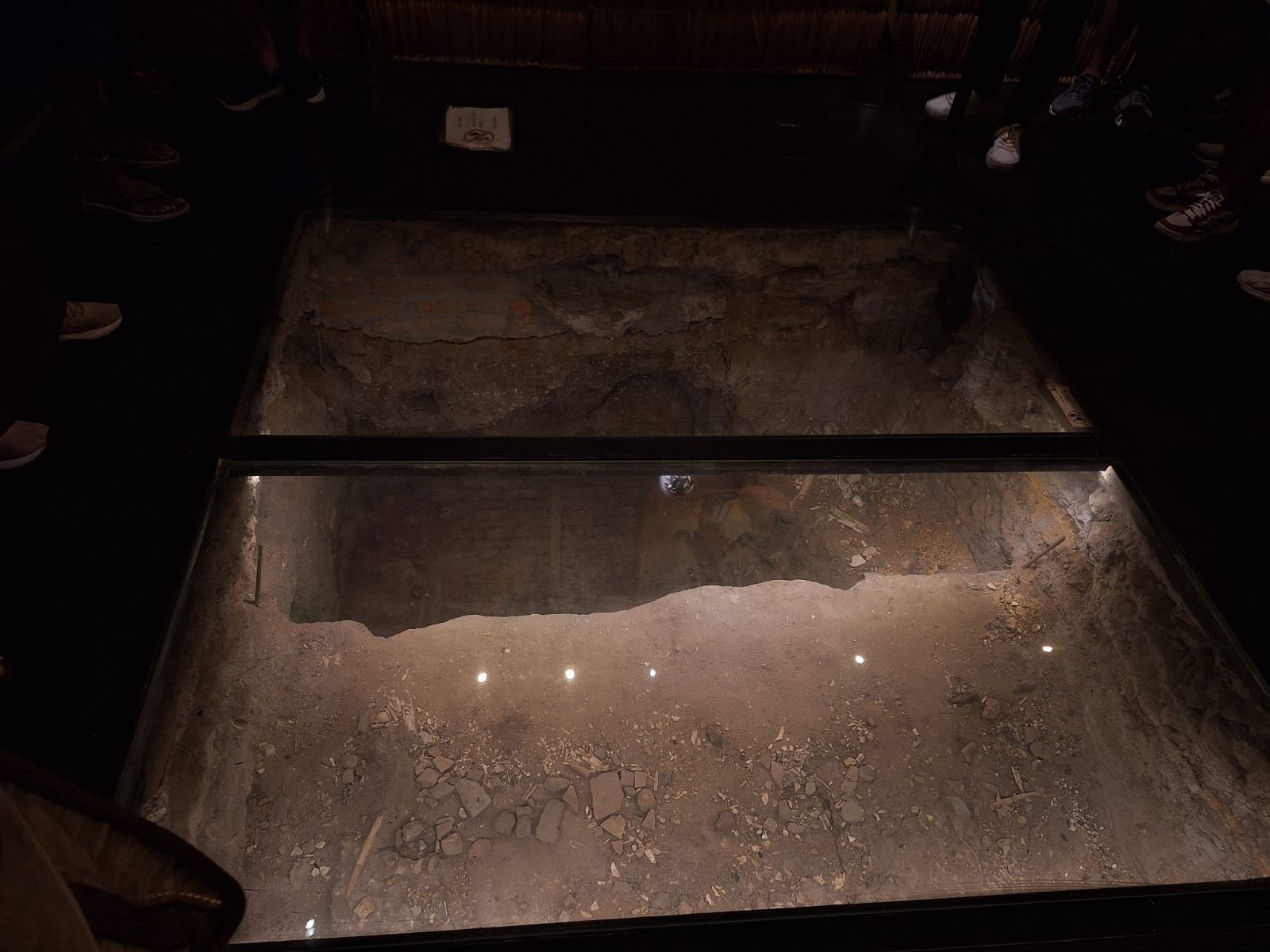
A sequence of viewing windows exposes archaeological deposits and buried human remains beneath the building. In 2012, glass pyramids were installed over two openings. One of the observation wells contains the 2-square-meter area where Josefina Bakhita’s complete skeleton was recovered. The site has yielded more than 5,000 archaeological fragments and more than 5,500 exhumed bones and bone fragments. The non-cremated remains allowed researchers to identify 28 individuals, most apparently male and between 18 and 25 years old.
Objects and memorial facilities
Objects recovered from the burial area include spear points, rings, necklaces, glass beads, clay pipes and other clay artifacts, porcelain, shells, and traces of fires. Their African, European, and Indigenous origins reflect the varied material setting associated with the cemetery and the Valongo complex. The memorial’s exhibition spaces present archaeological materials alongside human remains, dental arches, photographs, and explanatory panels.
The same complex contains the Pretos Novos Gallery, which presents temporary exhibitions of contemporary art with African themes, and the Pretos Novos Library. Opened in November 2012, the library held about 600 works on Afro-Brazilian and Indigenous culture, history, and art. Together, these facilities connect the exposed archaeological remains with ongoing cultural and research activities focused on the history of Africans and their descendants in Rio de Janeiro.