Naju hyanggyo: A Joseon Confucian School and Shrine
Site at a Glance
- Rating
- 4.1
- Popularity
- Low
- Country
- South Korea
- Primary era
- Medieval
- External website
- Open
- Eras represented
- Medieval
- Civilizations
- Joseon
- Site type
- Religious
- Remains
- Sanctuary
On this page12 sections
History
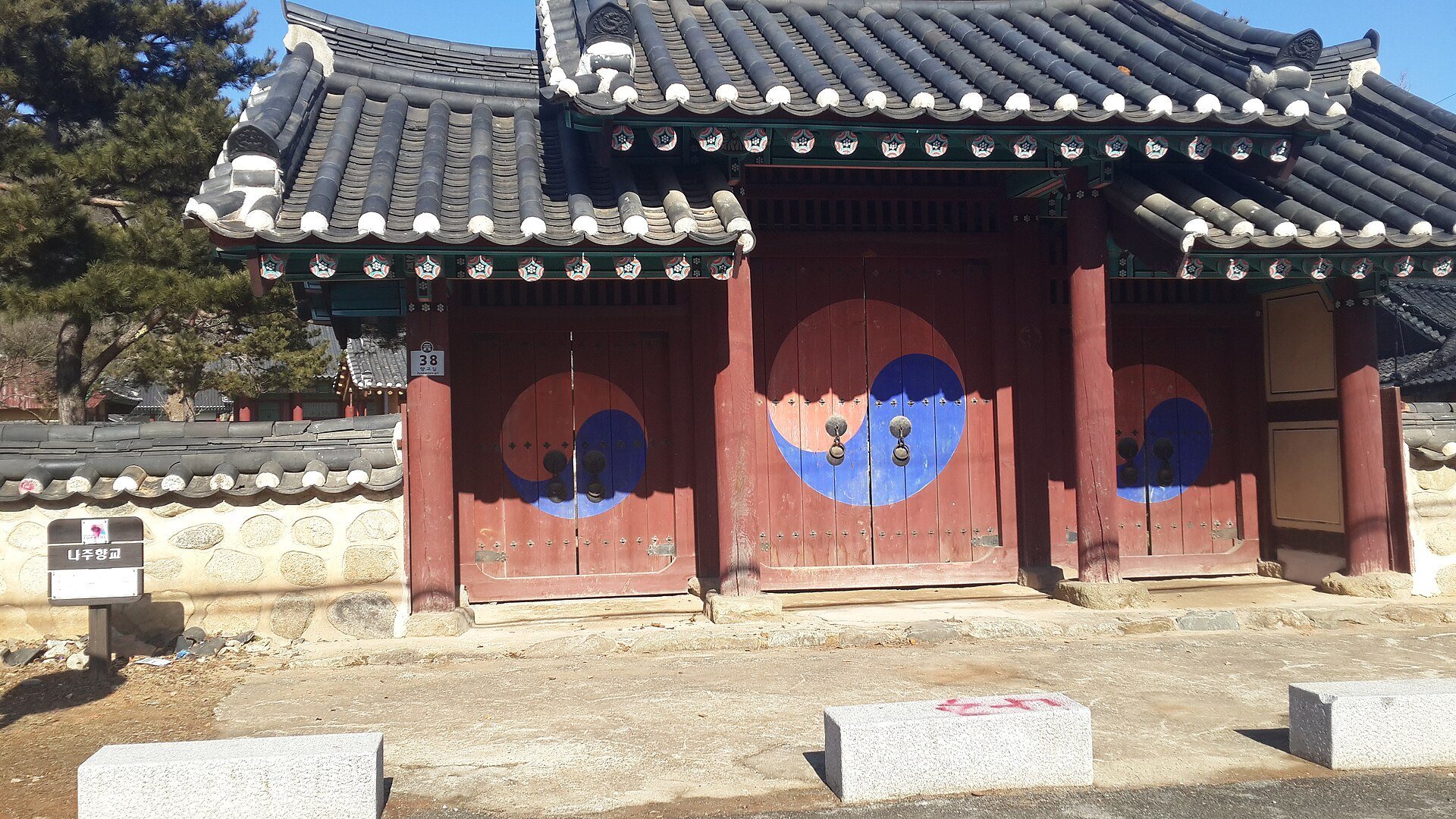
Naju hyanggyo is a Joseon Confucian school and shrine in Naju, South Korea, built by the Joseon state in 1398 during the early Joseon period. A hyanggyo combined instruction in Confucian learning with ritual worship of Confucius and other revered scholars. Naju’s long-standing status as a mok, a major local administrative center, made it one of Jeolla Province’s principal settlements from the Goryeo period through the Joseon period.
Foundation and Joseon Use
The institution served both educational and religious purposes. During the Joseon period, the state provided it with land, enslaved people, and books to support the education of students. Its scale and organization reflected Naju’s prosperity, which rested on the region’s long-developed agriculture and its established role in premodern administration.
Gyeseongsa, a shrine dedicated to the spirit tablet of Confucius’s father, was incorporated into the complex. Its presence produced an unusual arrangement in which the ritual area and educational area were positioned differently from the pattern more commonly used at hyanggyo institutions.
Change after 1894
The Gabo Reform, a major Korean reform program initiated in 1894, brought the institution’s educational role to an end. Naju hyanggyo continued chiefly as a place for commemorative rites held in spring and autumn. The surviving buildings and associated government-office area preserve evidence of Naju’s former administrative position and help clarify how a Joseon local center was organized.
Protection and Historical Interpretation
Naju Mok government office and the hyanggyo were designated together as Jeollanam-do Tangible Cultural Property No. 128 in 1985. That designation was withdrawn in 2007 when the complex became Historic Site No. 483, under the name Naju Mok Government Office and Hyanggyo. The protected heritage area covers 192 parcels totaling 64,247 square metres, with an additional protected zone of 20 parcels totaling 9,552 square metres.
Historical maps and written records, along with excavations including work at the guesthouse, have helped reconstruct the former government-office layout. Books preserved at the hyanggyo also provide valuable material for studying the history of the Naju region.
Remains
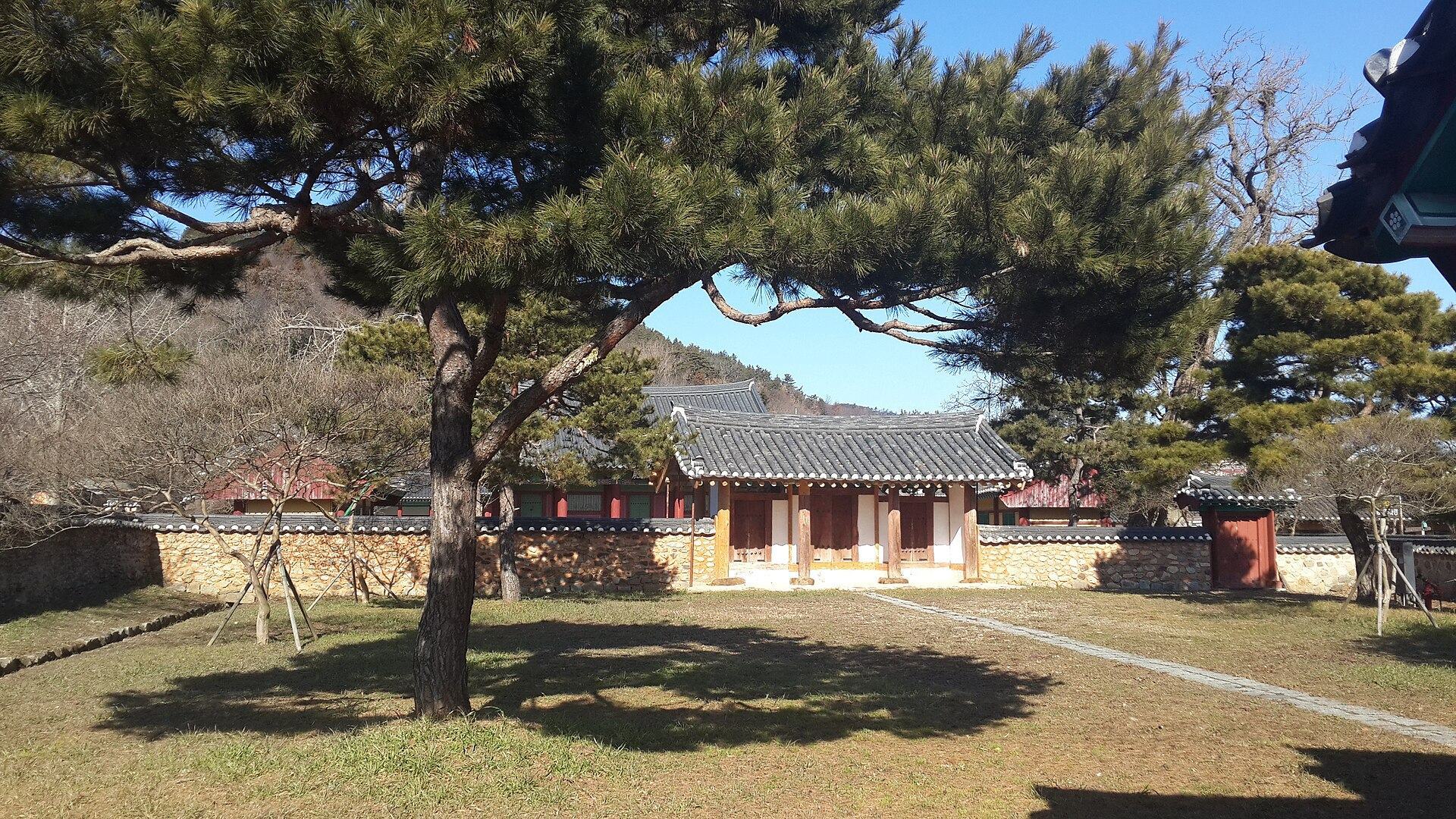
Naju hyanggyo occupies level ground and retains both the ritual and educational components of a Joseon hyanggyo. Its plan follows an arrangement in which the ritual buildings stand before the educational buildings, reversing the more usual pattern of an educational area centered on Myeongnyundang in front and a ritual area behind. This unusual layout results from the incorporation of Gyeseongsa. The associated Naju Mok government-office area preserves buildings that connect the school and shrine with the wider administrative center.
Confucian School and Shrine
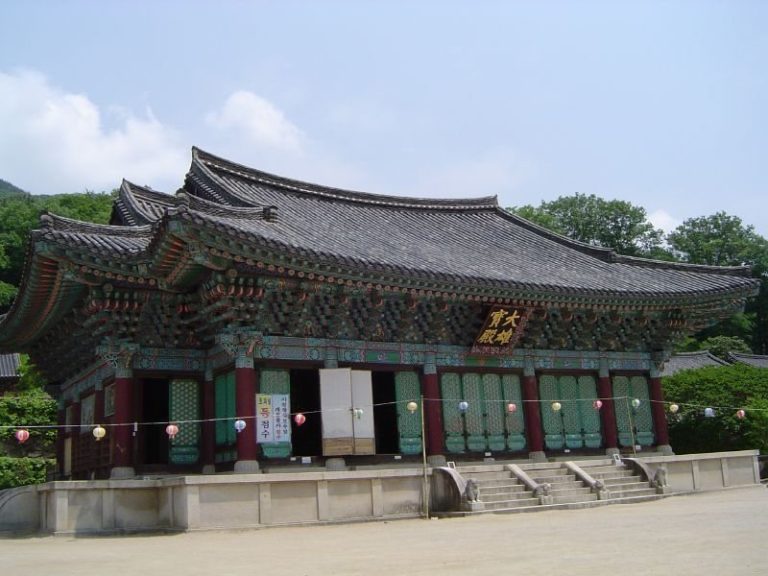
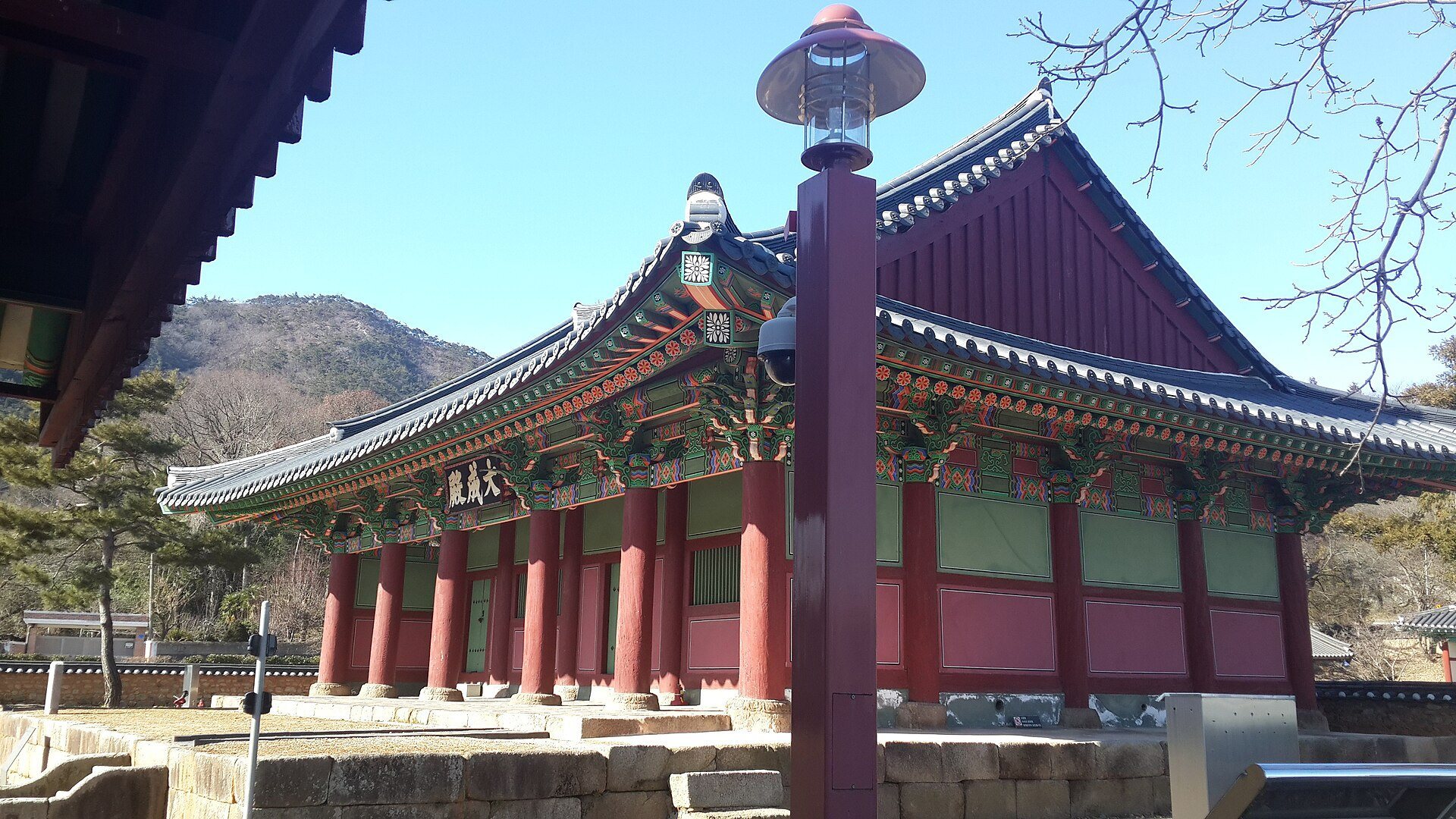
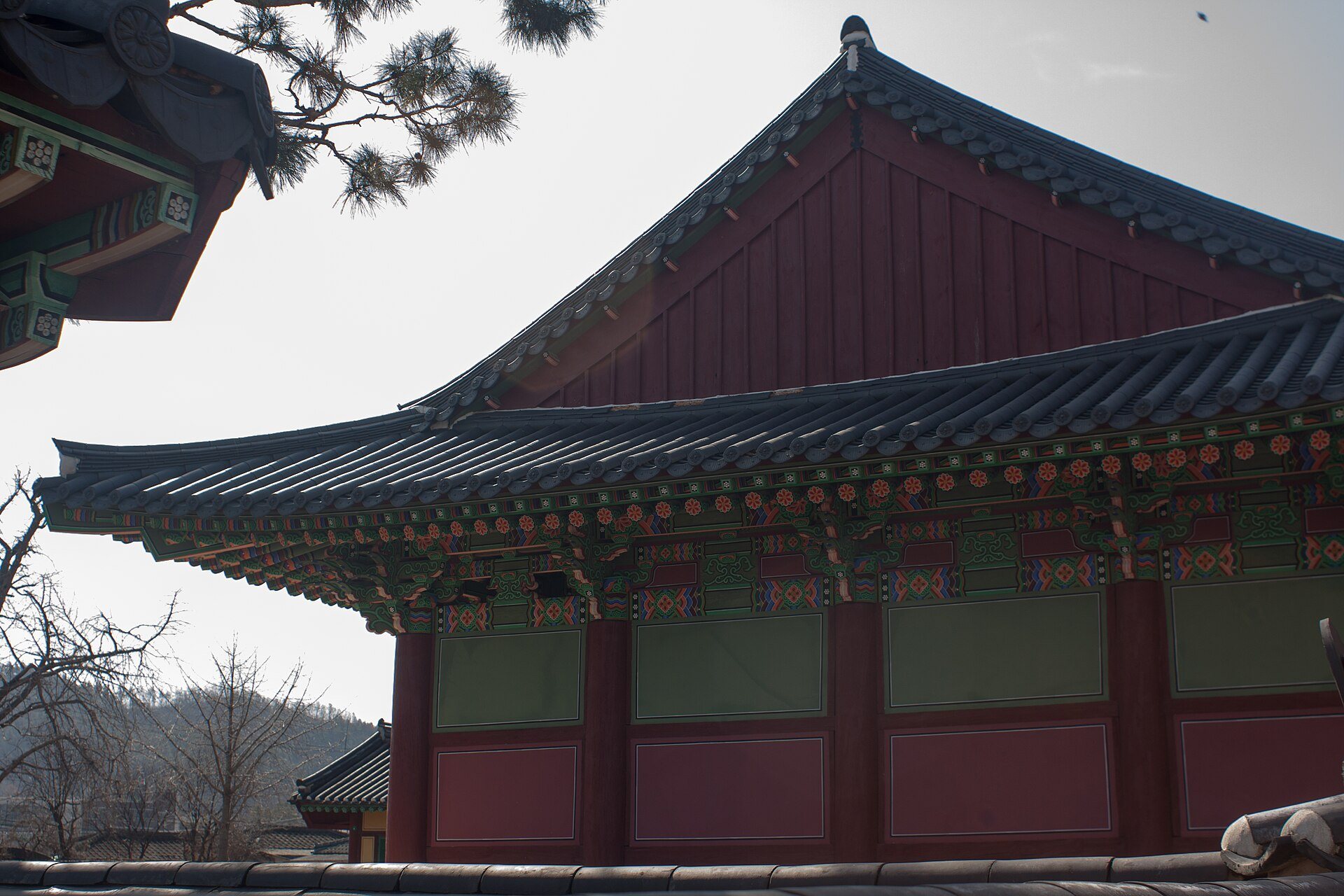
Daeseongjeon
Daeseongjeon is the principal ritual hall of the complex. Its architecture belongs to the middle Joseon period, and its exceptionally large scale, formal character, and architectural quality distinguish it among the surviving buildings. The hall is designated Treasure No. 394.
Myeongnyundang
Myeongnyundang is the main lecture and educational hall. Its position is reversed in relation to Daeseongjeon when compared with the conventional hyanggyo plan, preserving the distinctive spatial organization created by the presence of Gyeseongsa.
Gyeseongsa
Gyeseongsa is the shrine within the hyanggyo that houses the spirit tablet of Confucius’s father. Its inclusion in the compound accounts for the unusual relationship between the ritual and educational buildings and gives the surviving plan its distinctive form.
Government-Office Buildings
Jeongsuru
Jeongsuru survives as the main gate of the former Naju Mok government office. Its position within the associated government-office area contributes to the surviving evidence for the structure of Naju’s local administration.
Geumseonggwan
Geumseonggwan is the former government-office guesthouse, used to accommodate visiting envoys and officials. Excavations at the guesthouse, together with historical maps and records, have helped clarify the layout of the wider government-office complex.
The combined remains of the government office and hyanggyo form important physical evidence for the organization of a Joseon administrative and educational center. Naju hyanggyo is exceptionally large for a Joseon educational institution and has been described as second in scale only to Seonggyungwan, Korea’s highest state Confucian educational institution.