Ancient Atlit: A Phoenician Settlement and Harbour Site in Israel
Site at a Glance
- Rating
- 4.3
- Popularity
- Low
- Country
- Israel
- Primary era
- Iron Age
- Eras represented
- Iron Age, Medieval
- Civilizations
- Crusader, Phoenician
- Site type
- City
On this page13 sections
History
Ancient Atlit is an archaeological site at Atlit in Israel, occupied from the seventh millennium BC through the Crusader period by Neolithic communities, Phoenicians, Hellenistic inhabitants, and medieval settlers. Its history reflects the area’s changing maritime and regional connections, from a submerged prehistoric settlement to a Phoenician trading centre and later fortified Crusader settlement.
Prehistoric occupation
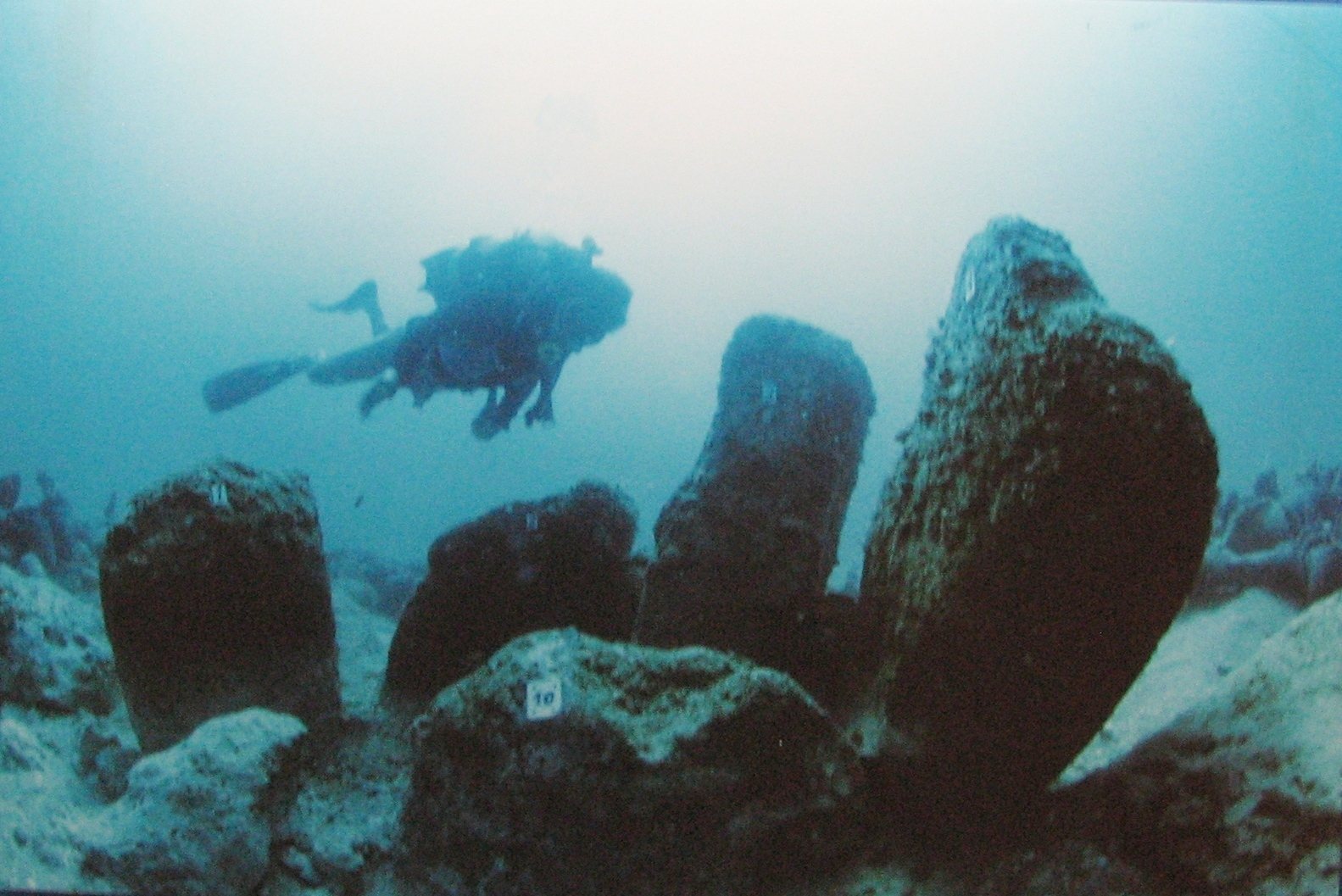
The earliest known occupation at Atlit was a Late Pre-Pottery Neolithic C settlement dating to the end of the seventh millennium BC. The settlement later subsided beneath the sea and was probably abandoned as a result, although the precise cause of the subsidence remains uncertain. Its submerged remains include evidence of buildings, wells, ritual structures, and human and animal activity.
Phoenician and Hellenistic settlement
During the Iron Age, when iron technology became widespread in the southern Levant, a Phoenician settlement was established at Atlit, probably around the eighth century BC. The Phoenicians were an ancient maritime and trading people of the eastern Mediterranean. The settlement was probably founded to conduct trade with the Kingdom of Israel, and archaeological evidence places its foundation no later than the sixth century BC, during Persian rule.
The settlement continued into the Hellenistic period, the era following the conquests of Alexander the Great, when Greek political and cultural influence spread across the eastern Mediterranean and western Asia. During this phase, the settlement shifted northward. Ancient Atlit was destroyed at the end of the Hellenistic period, and its inhabitants moved to the nearby city of Karta, identified with Tel Megadim.
Crusader and modern settlement
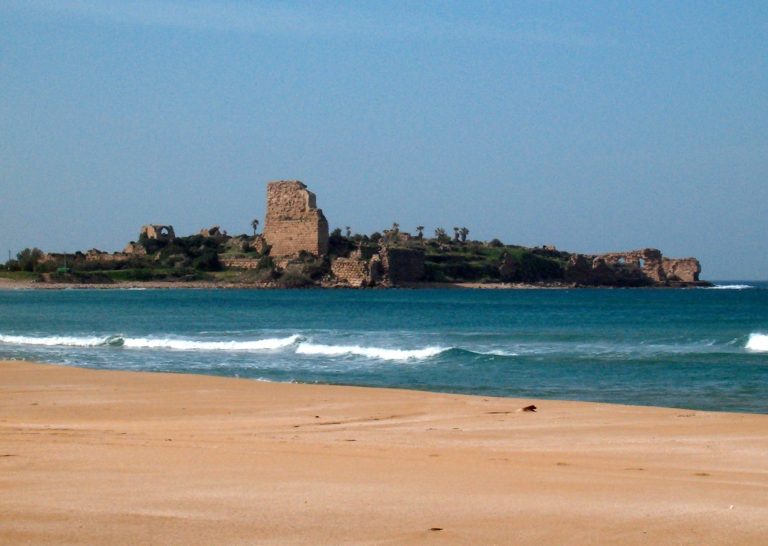
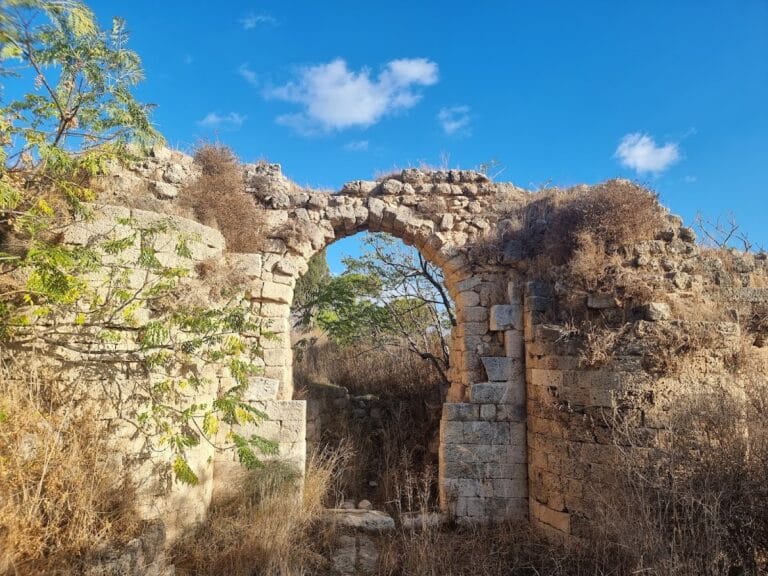
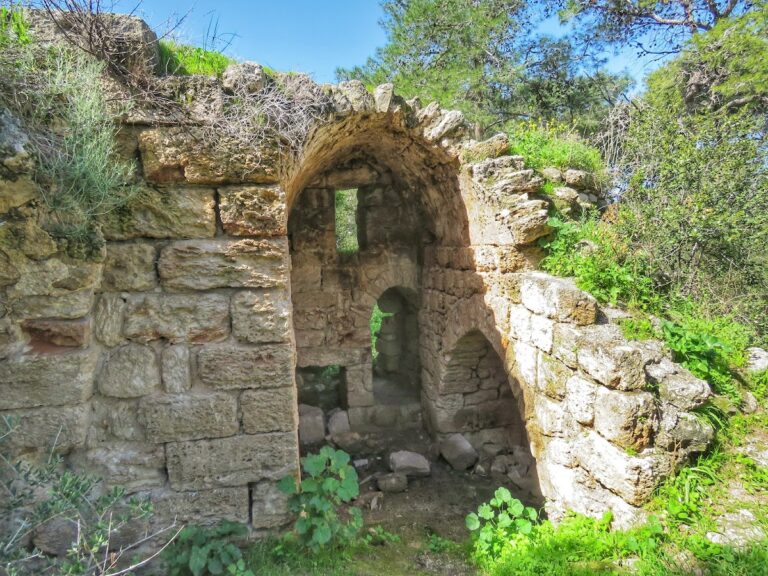
During the Crusader period, western European Christian forces and settlers established fortified settlements in the eastern Mediterranean. At Atlit they built two fortresses, Atlit Fortress on the peninsula and Detrua Fortress. An Arab settlement later occupied the ruins of Atlit Fortress.
The first modern Jewish settlement at Atlit began in 1901, when agricultural workers moved there from Zikhron Yaakov and Bat Shlomo. The land had been purchased in 1899. Excavations around Atlit Fortress between 1930 and 1935, directed by the British archaeologist S. N. Jones and funded by the Antiquities Department of the British Mandate government, exposed remains of a settlement occupied from the Middle Bronze Age through the end of the Hellenistic period.
Remains
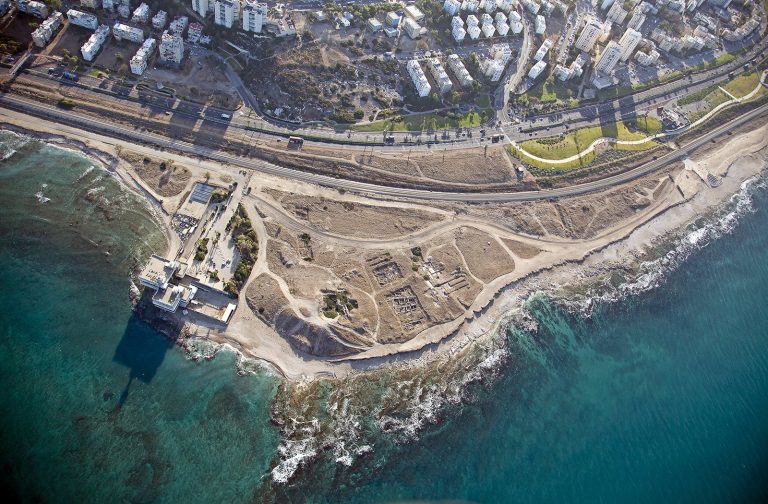
Ancient Atlit’s physical remains extend across the peninsula, its northern harbour, and the seabed offshore. They include a submerged Neolithic settlement, the buried remains of a Phoenician settlement and harbour, maritime objects, a Phoenician boundary inscription, and the two fortresses built during the Crusader period.
Submerged Neolithic settlement
The Neolithic settlement lies approximately 400 metres from the coast beneath the sea. Its remains include buildings, wells, ritual structures, organic remains of humans and animals, and stone artefacts. Together, these features preserve evidence of a settled community dating to the end of the seventh millennium BC and of the later submergence that affected the site.
Phoenician harbour and settlement
Harbour works
The Iron Age Phoenician settlement occupied the northern part of the peninsula, beneath the remains of the Crusader fortress. Its harbour extended approximately 800 metres north of the fortress. The harbour occupied a north-facing bay protected from northern winds and lay near small islands. Its arrangement followed features also found at the Phoenician harbours of Sidon, Tyre, and Acre.
The harbour included a breakwater approximately 130 metres long, several quays and ship berths built from ashlar masonry, and a berth or quay reaching approximately 100 metres in length. Ashlar masonry uses regularly cut and carefully fitted stone blocks. Remains of three towers were found near the harbour. Several stone anchors of Phoenician type were also recovered, while wooden fragments between the stones of the ancient quay were probably imported and date to the late ninth or early eighth century BC.
Boundary inscription
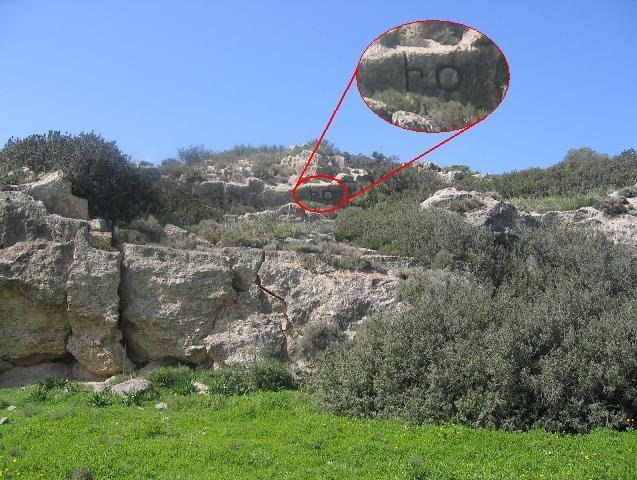
Several hundred metres east of the fortress, a two-letter Phoenician inscription was carved into the eastern side of a kurkar wall. It may represent the unfinished beginning of the word “Atlit” and has been interpreted as marking the eastern boundary of the Phoenician city.
Bronze naval ram
A decorated bronze naval ram was found in the northern bay of the ancient settlement, approximately 130 metres from the coast. Dating to the second century BC, it weighs 465 kilograms and was mounted on the prow of a Greek warship. A naval ram was a projecting weapon fixed to a ship’s bow for striking an enemy vessel.
Crusader fortresses
Atlit Fortress
Atlit Fortress occupies the peninsula and overlies the northern part of the earlier Phoenician settlement. It was built during the Crusader period and later incorporated the ruins of the fortress into an Arab settlement.
Detrua Fortress
Detrua Fortress was the second Crusader stronghold built at Atlit. Its construction formed part of the medieval fortified settlement established alongside Atlit Fortress.