Jamia Masjid Trehgam: A Historic Congregational Mosque in Jammu and Kashmir
Site at a Glance
- Rating
- 4.7
- Popularity
- Low
- Country
- India
- Primary era
- Unclassified
- Eras represented
- Unclassified
- Civilizations
- Unclassified
- Site type
- Religious
- Remains
- Mosque
On this page6 sections
History
Traditional Foundations
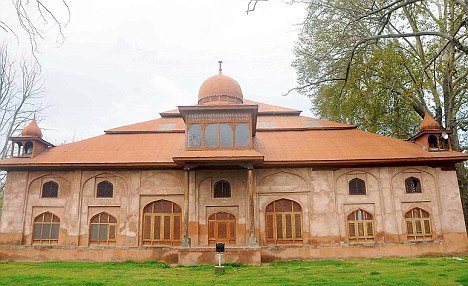
Jamia Masjid Trehgam is an Islamic congregational mosque in Trehgam village, Kupwara district, Jammu and Kashmir, India. A jamia masjid is intended for communal Friday prayer and the accompanying sermon. The mosque is traditionally attributed to Syed Ibrahim Bukhari and is believed to have been first established in the fifteenth century, although its precise construction date is not known.
Another local tradition attributes the mosque’s establishment to Syed Abdullah Bukhari, whose Sufi shrine stands beside it. These two attributions represent distinct traditions about the mosque’s origins rather than a securely established foundation history. The adjoining shrine is a Muslim devotional site associated with a Sufi spiritual figure and religious observance.
Reconstruction and Continuing Religious Use
The mosque was reconstructed during the twentieth century. It continues to serve as Trehgam’s Friday congregational mosque and remains active for daily prayers, Friday sermons, and other religious activities. Its role extends beyond worship, as it has long functioned as an important religious and community center for the local Muslim population.
The mosque stands within a shared compound containing a Hindu temple and the Sufi shrine. Local residents describe the temple as several centuries old, with some traditions assigning it an age of about 400 years. Oral traditions hold that successive generations preserved the common courtyard through social and political changes in order to maintain interfaith harmony. The coexistence of the three religious sites is regarded locally as an expression of shared heritage, peace, mutual respect, and communal harmony.
Remains
Shared Religious Compound
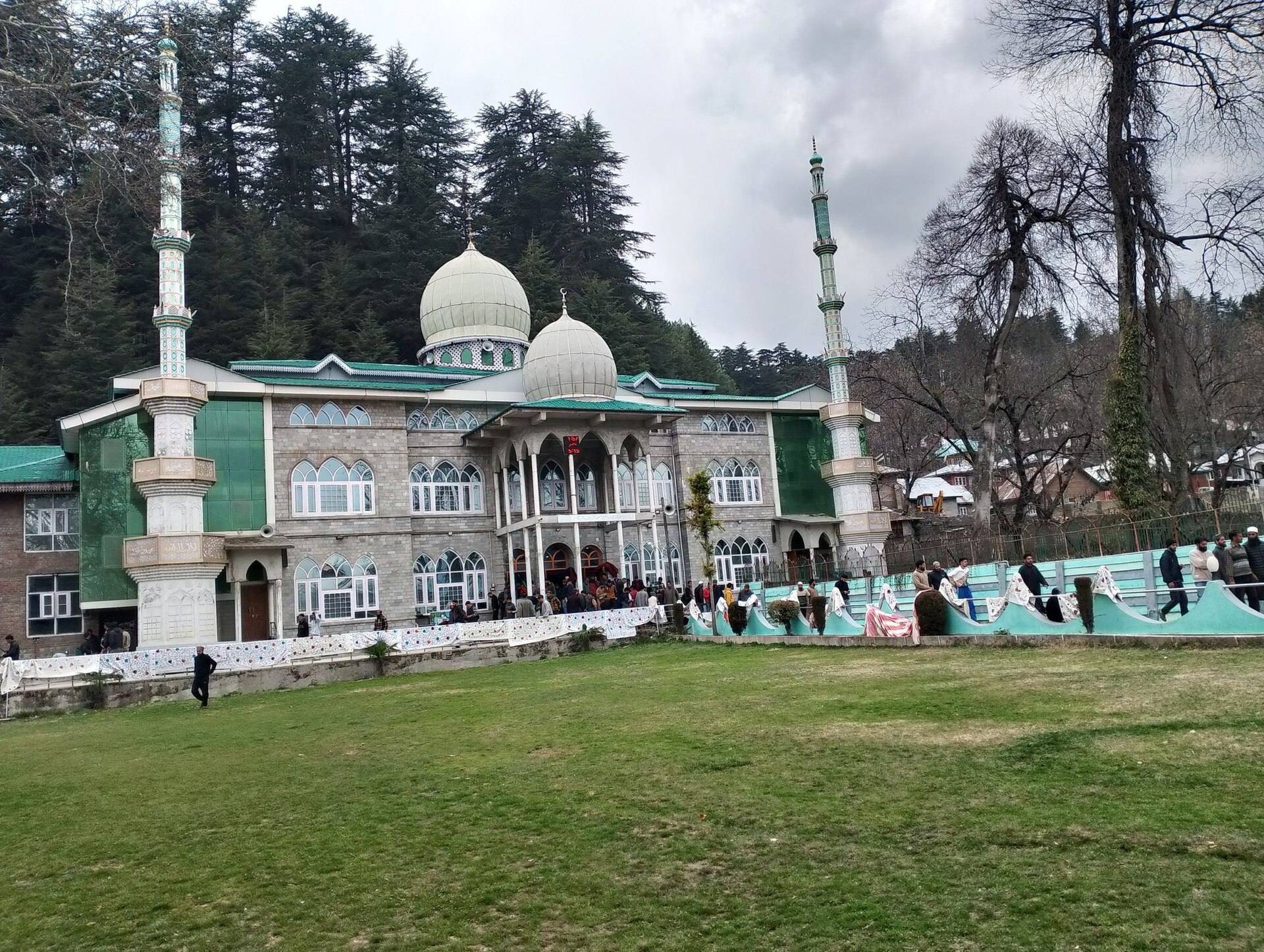
Jamia Masjid Trehgam occupies a common courtyard beside a Hindu temple and the shrine associated with Syed Abdullah Bukhari. The shared setting forms the principal physical context of the mosque and preserves the relationship between the three places of worship. The courtyard’s continued association with interfaith coexistence is central to the local understanding of the compound.
Mosque Structure
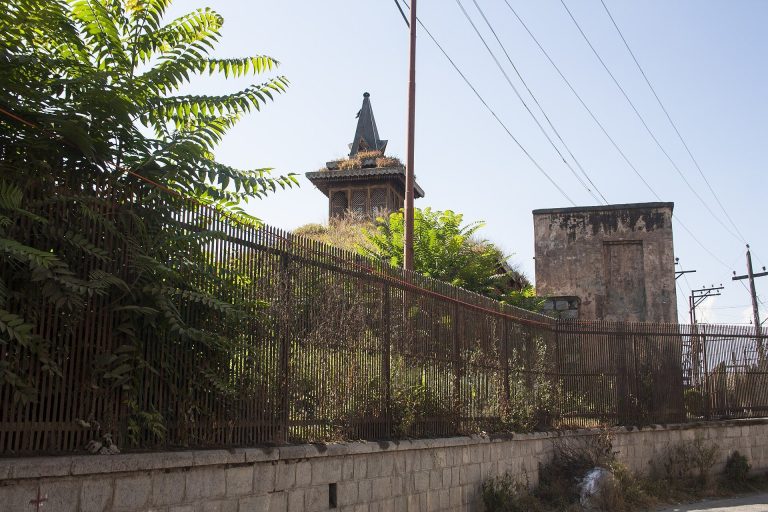
The mosque has two domes and two minarets. These elements define its visible form within the shared compound, while its present structure reflects the twentieth-century reconstruction. The building remains in active religious use for daily worship, Friday prayer, sermons, and other Islamic observances.