Byzantine Sites in Ukraine: Explore Crimean Churches, Coastal Forts and Ancient Cherson
Byzantine sites in Ukraine include the Christian buildings of ancient Cherson, a domed church in Kerch and fortifications along Crimea’s southern coast. The remains range from excavated basilica plans within a large ancient city to standing medieval masonry reused and altered by later builders.
These examples are concentrated in Crimea. They cover urban worship, coastal defence and churches whose architectural details connect them with the wider Byzantine world. Roman, Byzantine, Genoese and much later construction may occur within the same site, so the older structures need to be distinguished from subsequent additions.
Primary Function: All
Type: All
Popularity: All
Rating: All
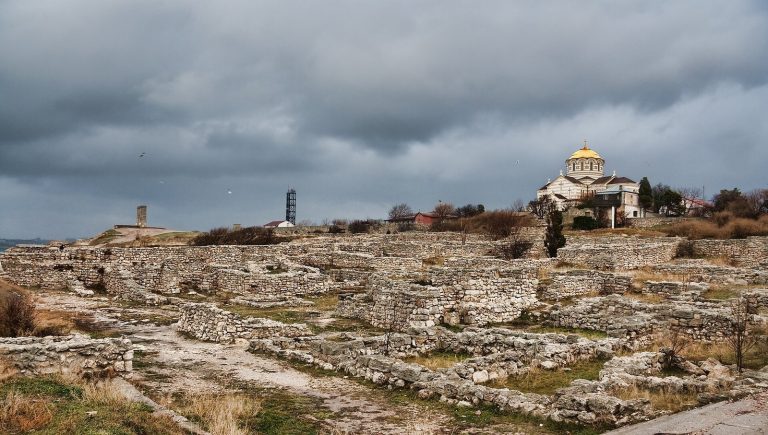
The National Preserve of Tauric Chersonesos preserves the ruins of an ancient Greek city in Sevastopol, along with its agricultural territory,…
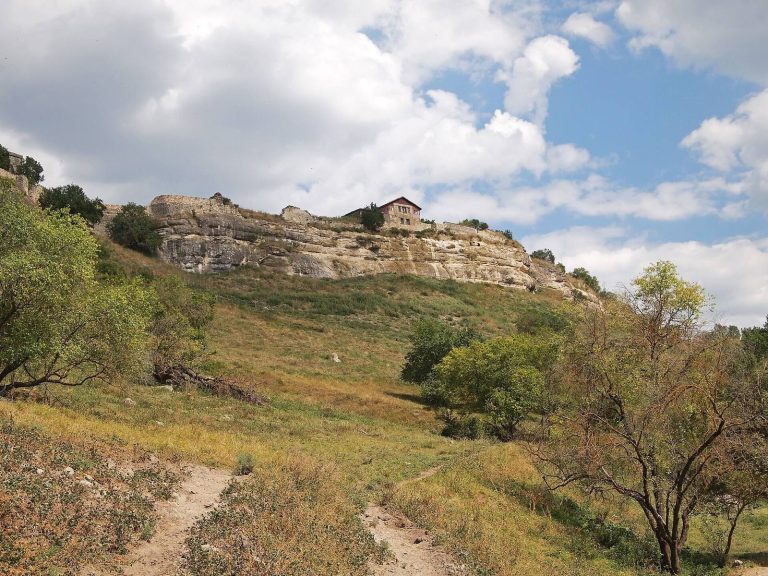
Chufut-Kale is a medieval fortified settlement in the Crimean Mountains that served as a capital of the early Crimean Khanate and became a major…
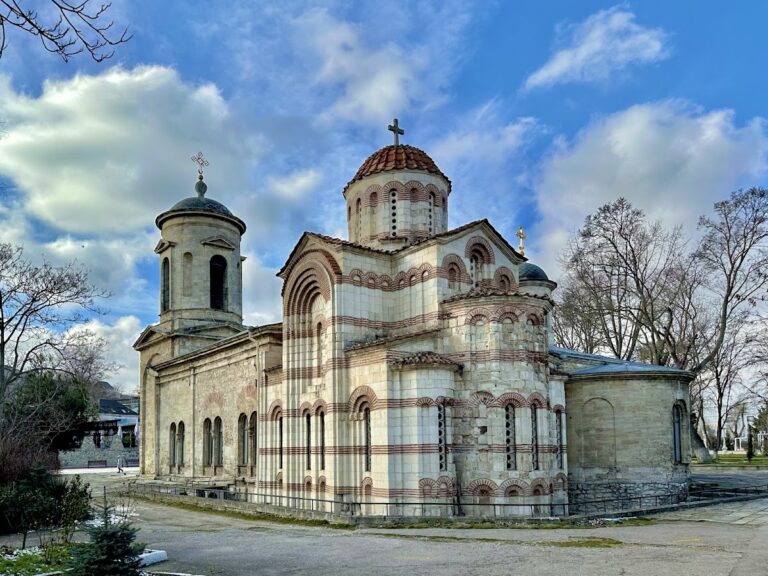
The Church of St John the Baptist in Kerch is an ancient Byzantine cross-domed church with a complex history of reconstruction, reuse, restoration,…
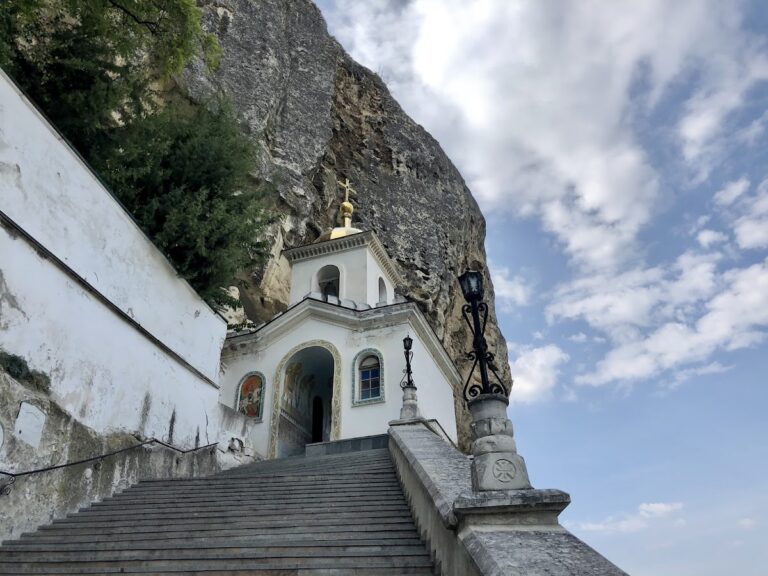
Bakhchisaray Cave Monastery is a cliff-cut Orthodox complex in Crimea whose disputed early origins, medieval religious role, nineteenth-century…
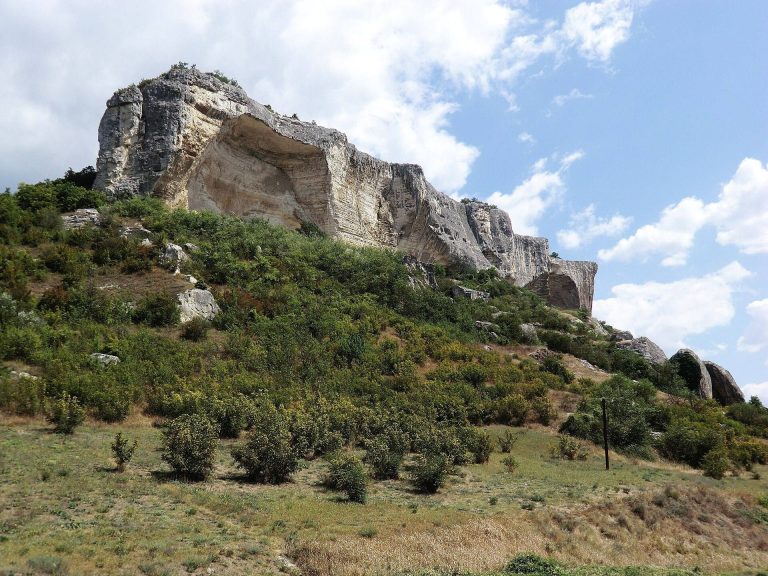
Kachi-Kalon is a medieval cave monastery in Crimea, with artificial caves dating from the sixth to eighth centuries and a particularly active period…
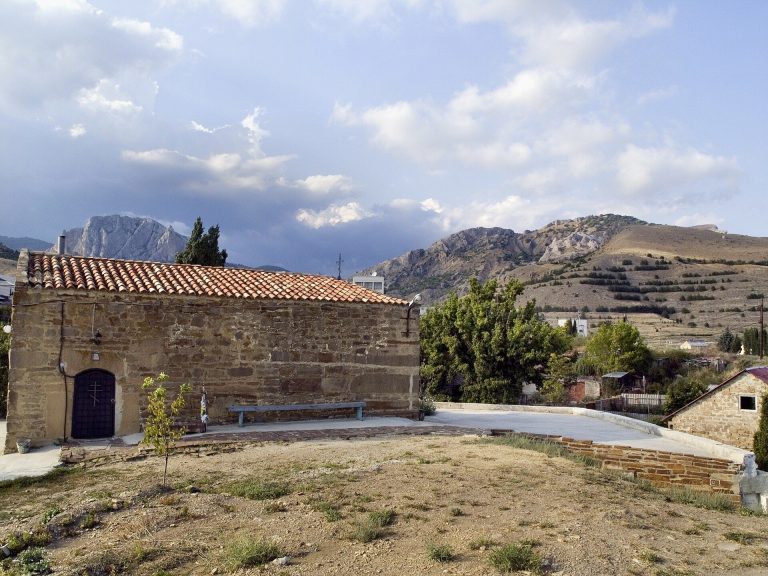
The Church of Elijah in Solnechnaya Dolyna is a Greek church built between the tenth and twelfth centuries, with Armenian architectural features, a…
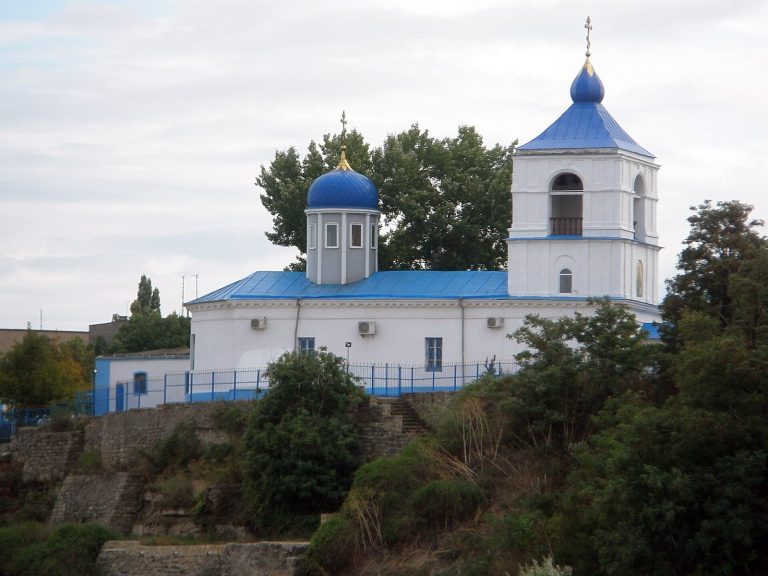
The Church of St. John the Baptist, also known as the Greek Church, is a medieval religious monument in Bilhorod-Dnistrovskyi, Ukraine, with links to…
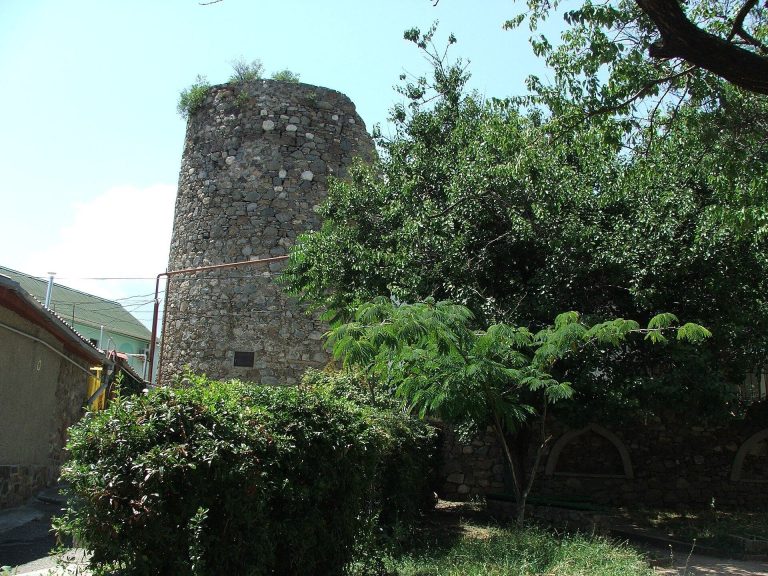
Aluston was a Byzantine coastal fortress founded under Justinian I, later expanded by the Genoese into a trading settlement and destroyed during the…
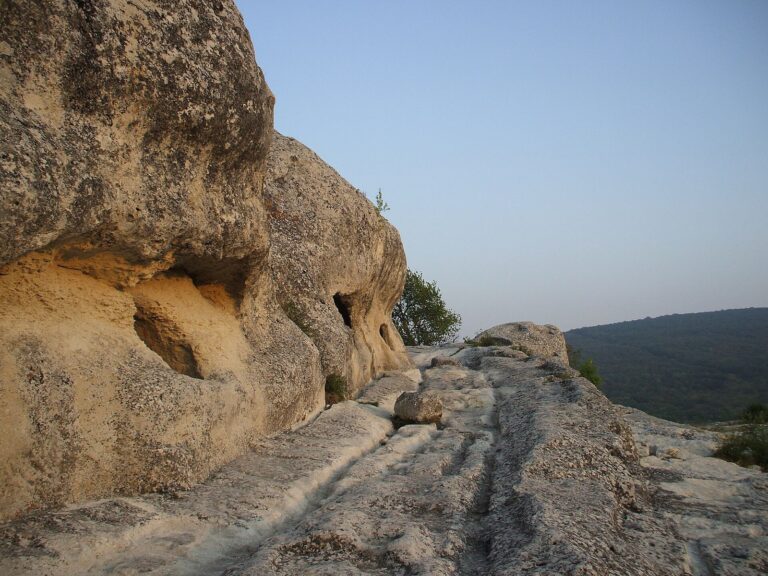
Eski-Kermen was a fortified medieval town in Crimea, Ukraine, founded in the Byzantine period and later known for its churches, cave-cut spaces, and…
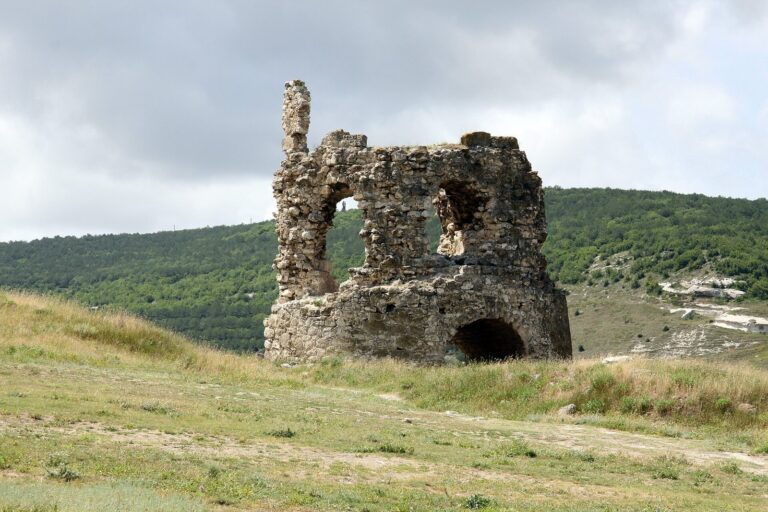
Kalamita Fortress guarded the approaches to Avlita, a port linking the Principality of Theodoro with regional and long-distance trade. Its successive…
For details on how to use the maps, which sites are included, how popularity and ratings are determined, and how sites are classified, see the help page.
On this page4 sections
Chersonesos: basilicas within the ancient city
Chersonesos, known as Cherson in Byzantine times, preserves the remains of Christian churches among the streets and buildings of an older Greek and Roman settlement. The church conventionally called the 1935 Basilica takes its name from the year of its excavation; its original dedication is unknown. Generally dated to the sixth century, it occupied a site with earlier building phases.
The excavated church belongs to a wider urban area containing residential blocks, water installations and successive fortifications. Christian basilicas changed the religious buildings within that inherited town plan. The large Cathedral of Saint Vladimir above the archaeological remains is a nineteenth-century building in a Byzantine-inspired style, separate from the medieval churches below.
The archaeological setting has also undergone recent alteration. In 2026, UNESCO placed Chersonesos on the List of World Heritage in Danger, citing new construction and extensive associated excavation affecting the site’s authenticity and integrity. Descriptions and photographs of the ruins should therefore be understood alongside that documented change.
Saint John the Baptist in Kerch: a domed stone-and-brick church
The older part of the Church of Saint John the Baptist in Kerch has a cross-domed plan with four supports beneath the central dome. Three apses project from its eastern end, while the central crossing rises above the lower surrounding spaces. Bands of thin brick alternate with pale stone in the walls.
Columns, capitals and other carved pieces were reused from earlier buildings. An inscription on one column has often been read as a date in the eighth century, but it commemorates a death and does not securely date the construction of the church. The chronology of the older building remains debated.
Later western extensions use different masonry and stand at a higher floor level. Restoration exposed parts of the ancient foundations and removed later wall coverings. The older domed core and its patterned masonry provide the main architectural interest, with small surviving areas of medieval fresco adding evidence of its former painted interior.
Aluston: a Byzantine foundation with later defensive towers
Aluston Fortress stands on a hill above the southern Crimean coast. Founded under Justinian in the sixth century, its early enclosure used thick walls of local stone set in lime mortar. The settlement expanded beyond this first compact fort over subsequent centuries.
Genoese builders later enlarged and rebuilt the defences. The surviving round tower known as Ashaga-Kule belongs to that later defensive system, with a broad cylindrical body and a former fighting platform at the top. Other stretches of wall preserve different phases of the fort’s development.
Excavation also identified a medieval church within the settlement, with an inscription recording a restoration in 1404. The fortress combines an early Byzantine foundation with later urban growth and rebuilding; its most prominent tower should not be assigned to Justinian simply because the fort began during his reign.
Explore the collection
Explore sites on the map or in the grid. Map icons reflect each site’s primary function, helping you identify different kinds of places at a glance. Narrow the results by primary function, site type or era, with additional filters for popularity and rating. Select a map marker to view the site’s details and open its article, or open the article from its grid entry.