Byzantine Sites in Croatia: Explore Adriatic Basilicas and Domed Churches
Byzantine sites in Croatia include the sixth-century episcopal complex at Poreč, Christian buildings adapted within Diocletian’s Palace at Split and the great circular church of Saint Donatus at Zadar. Mosaic decoration, reused Roman masonry and different arrangements of domed space provide the main architectural themes.
The Adriatic buildings reflect several settings: direct Byzantine rule, the conversion of older imperial structures and early medieval exchanges between eastern and western church architecture. Later medieval furnishings and additions form further layers within the surviving churches.
Primary Function: All
Type: All
Popularity: All
Rating: All
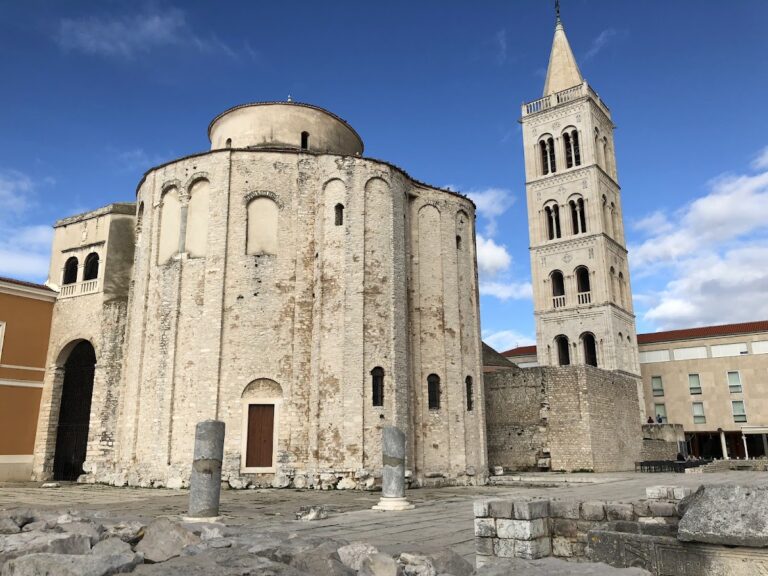
The Church of St. Donatus in Zadar, Croatia, is an early medieval centralized church whose later history includes reuse as a warehouse, an…
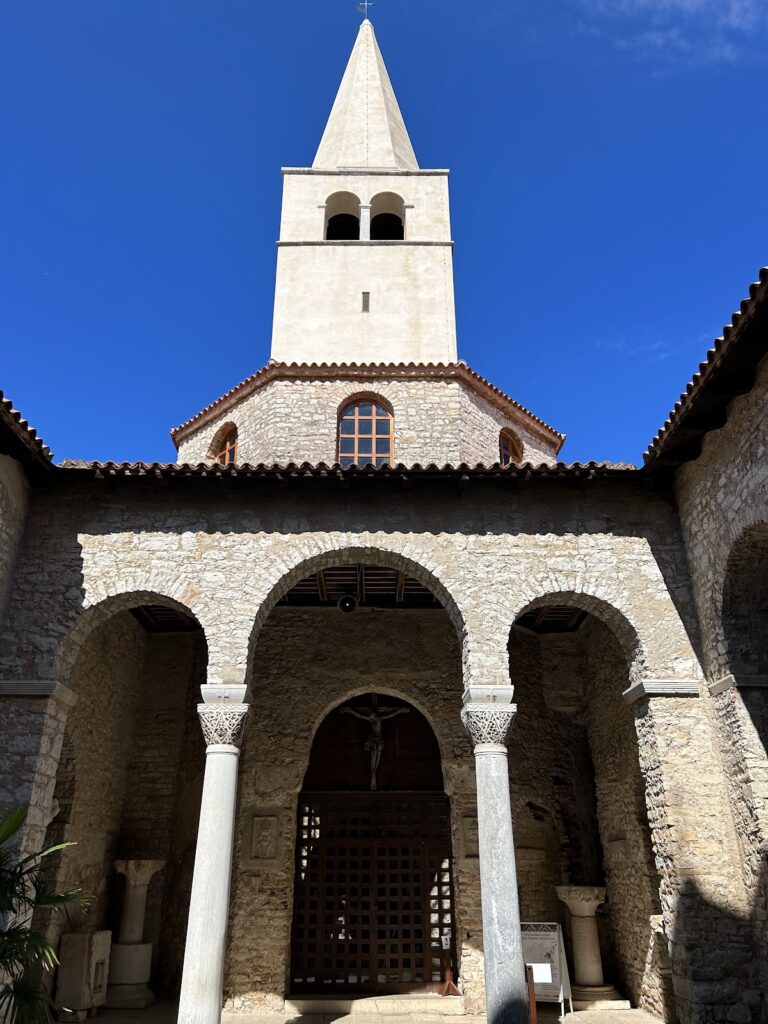
The Euphrasian Basilica in Poreč preserves a sixth-century cathedral, earlier Christian mosaics, Byzantine-style wall decoration, and an episcopal…
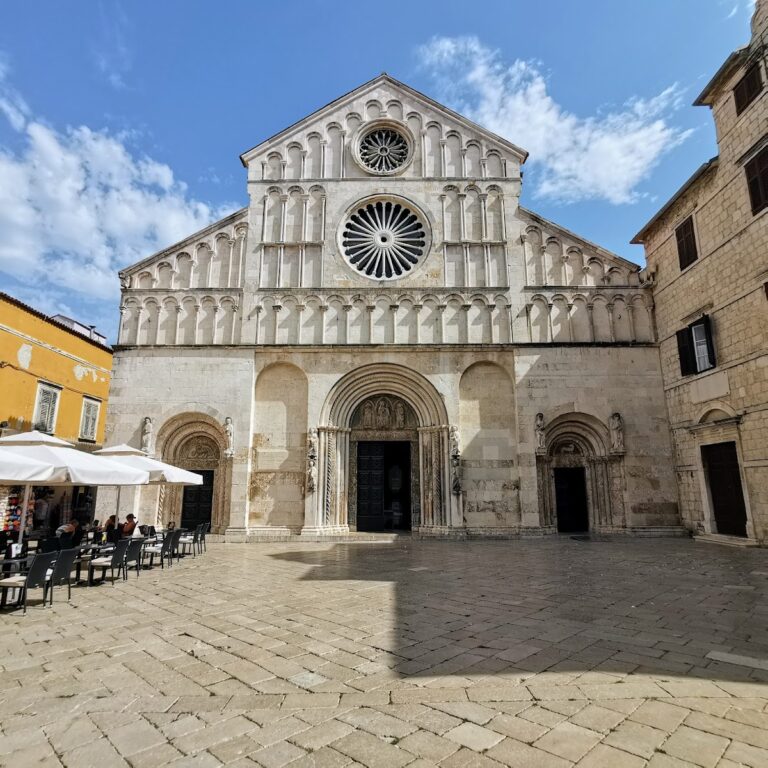
Zadar Cathedral, dedicated to Saint Anastasia, is the seat of the Archdiocese of Zadar and a major medieval church in Dalmatia. Its history extends…
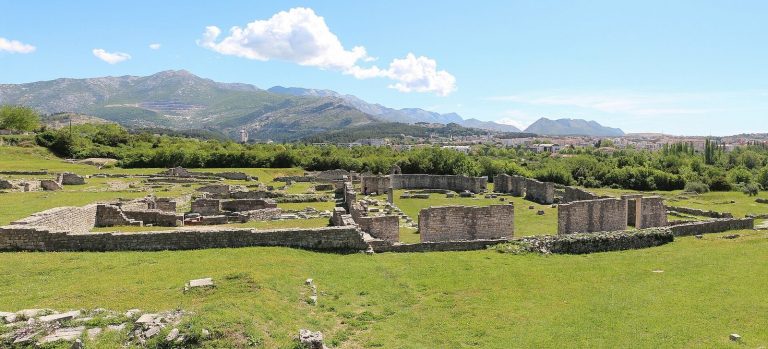
Salona near Solin was a major Roman city, an administrative capital, and an important Christian center whose urban, military, funerary, and…
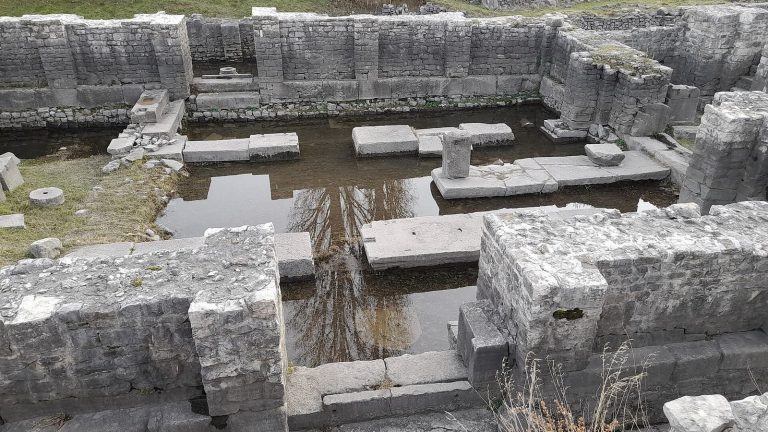
Hollow Church, formally the Church of Saints Peter and Moses, is an eleventh-century Croatian basilica in Solin. Built over an Early Christian…
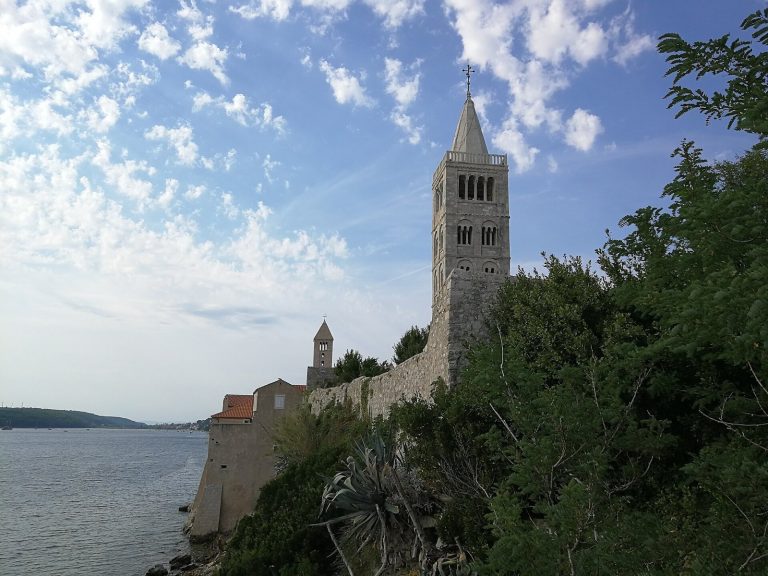
The Cathedral of the Assumption of the Blessed Virgin Mary in Rab preserves medieval architectural phases, an early Christian predecessor, Romanesque…
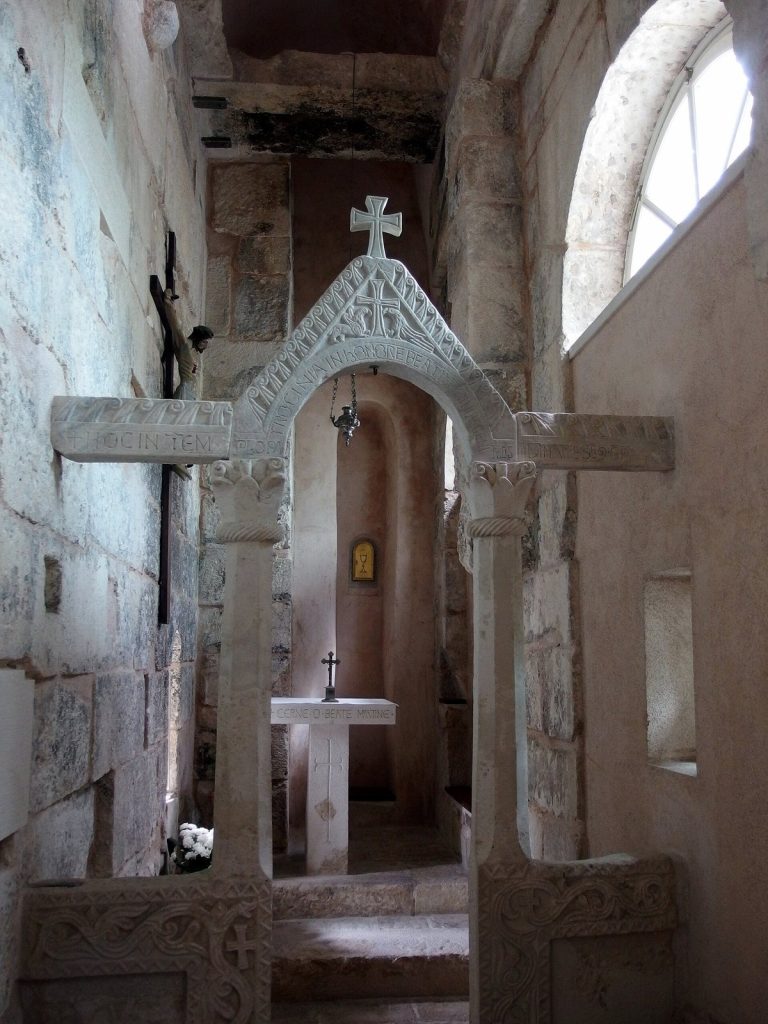
St Martin's Church in Split occupies a former Roman guardhouse above the Golden Gate of Diocletian's Palace. Converted during the sixth century and…
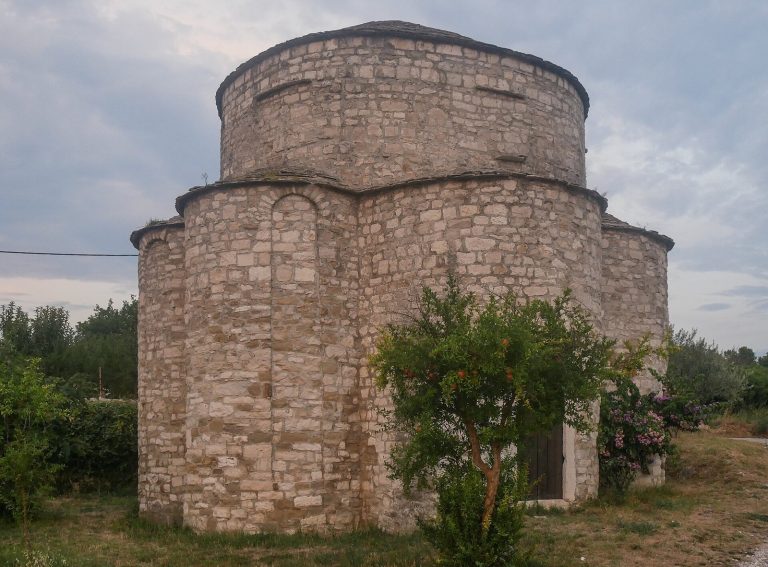
The Church of Holy Trinity in Split is a rare six-lobed pre-Romanesque church, probably built between the late eighth and ninth centuries. Its…
For details on how to use the maps, which sites are included, how popularity and ratings are determined, and how sites are classified, see the help page.
On this page5 sections
Poreč: a basilica within an episcopal complex
The Euphrasian Basilica forms part of a group of buildings organised for worship, baptism and episcopal administration. An arcaded atrium precedes the church, while the associated baptistery preserves an octagonal plan. The arrangement extends the site beyond the richly decorated sanctuary into the spaces used to enter and serve the church.
Inside the basilica, marble columns separate the nave from the aisles. Carved capitals and impost blocks carry the arches, and the sanctuary combines gold-ground mosaics with coloured stone and mother-of-pearl inlay. Bishop Euphrasius appears in the apse mosaic holding a model of the building, recording his role in its sixth-century rebuilding.
Earlier floor mosaics survive within the wider complex, including donor inscriptions and plant designs. The altar canopy belongs to the thirteenth century and reuses older columns. Those distinctions separate the early Byzantine fabric from the later furnishings accumulated within it.
Split: an imperial mausoleum converted into a cathedral
The Cathedral of Saint Domnius occupies the former mausoleum of Diocletian. Its exterior is octagonal, while the interior is circular and domed, with alternating niches and two levels of decorative columns. Conversion into a church in the seventh century retained much of that Roman structural shell.
The transformation changed the building’s religious use without replacing its central form. Its bell tower, carved wooden doors and elaborate altars were added in later medieval and early modern periods. The cathedral therefore preserves a particularly substantial example of Christian reuse, with the former imperial tomb still determining the shape of the interior.
Saint Martin: a church inside a palace wall
Saint Martin’s Church occupies a narrow former guard passage above the Golden Gate of Diocletian’s Palace. Its elongated room was constrained by the thickness and direction of the existing fortification. Former openings used to watch the approach to the gate remain part of the altered wall.
A carved stone screen separates the sanctuary from the small congregational space. Vine patterns and animal figures decorate it, while an inscription names the church’s dedication. The conversion has early Christian origins, but the surviving vault, altar and screen represent later early medieval phases. The compact church shows a different use of the palace’s surviving structure from the much larger cathedral.
Saint Donatus: a circular church with an upper gallery
At Saint Donatus in Zadar, a high central space is surrounded by an ambulatory and an upper circular gallery. Large piers and reused columns support the inner arcades, while three apses project from the eastern side. The repeated arrangement on two levels defines the interior more strongly than painted or sculpted decoration.
Roman column drums and other architectural fragments were reused in the foundations and fabric. The church was completed in the early medieval period, and its centralised design has connections with both Byzantine and Carolingian architectural traditions. It is a product of that Adriatic setting rather than a surviving sixth-century church constructed under Justinian.
Explore the collection
Explore sites on the map or in the grid. Map icons reflect each site’s primary function, helping you identify different kinds of places at a glance. Narrow the results by primary function, site type or era, with additional filters for popularity and rating. Select a map marker to view the site’s details and open its article, or open the article from its grid entry.