Bankot Fort: A Historic Coastal Fortress in Maharashtra
Site at a Glance
- Rating
- 4.4
- Popularity
- Medium
- Country
- India
- Primary era
- Unclassified
- Eras represented
- Unclassified
- Civilizations
- Unclassified
- Site type
- Military
- Remains
- Fort
On this page7 sections
History
Bankot Fort is a coastal fortress in India, on a hill near the sea in Maharashtra. Its earliest recorded name is Mandargiri or Mandagora, which appears in the writings of Ptolemy, a Greek geographer and writer of antiquity, in the second century AD. The Chinese Buddhist traveller Hieun Tsang is believed to have embarked at Bankot in AD 640.
Medieval and Sultanate Control
The fort occupied a prominent position beside the sea and guarded the trade route along the Savitri River to Mahad. This route was busy during the medieval period. Mohammed Adil Shah, ruler of the Bijapur Sultanate, controlled the fort until Portuguese forces captured it in 1548.
Maratha and British Rule
In 1700, the Maratha Koli admiral Kanhoji Angre captured the fort and renamed it Himmatgad. It later became associated with both Janjira State and the Maratha Empire. Janjira was linked to the Siddis, Afro-Indian military and ruling groups associated with fortified coastal territories.
The fort changed hands again during the conflict between Tulaji Angre, a Maratha naval commander, and the Peshwas, the chief ministers who became the principal political leaders of the Maratha state. Tulaji had raided territories belonging to Chhatrapati Shahu and his nobles, and he refused repeated warnings to stop. The Peshwas consequently allied with the British and went to war against him.
After the fall of Suvarnadurg, Bankot Fort surrendered to Commodore James of the British fleet in 1755. British forces renamed it Fort Victoria, but later decided that maintaining it was not economically viable and transferred it to the Peshwas. The Mamlatdar’s office, held by a local administrative official in the western Indian revenue and civil-administration system, moved from Bankot to Mandangad in 1837. The fort is now in ruins, while the Government of Maharashtra has undertaken renovation work described as ongoing.
Remains
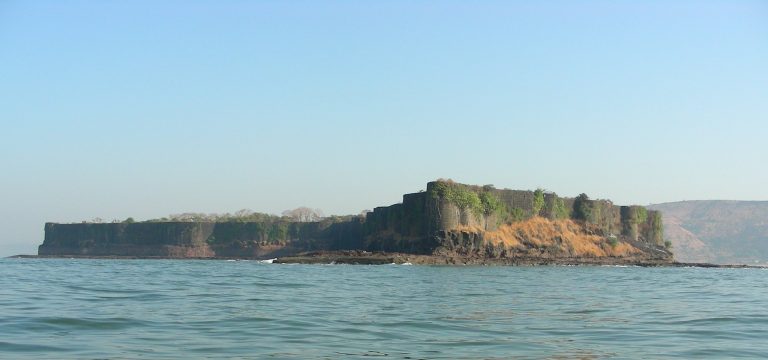
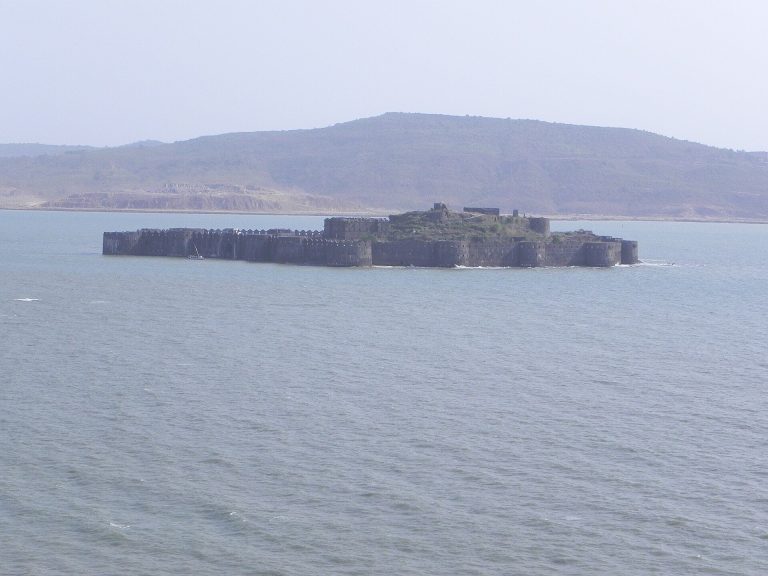
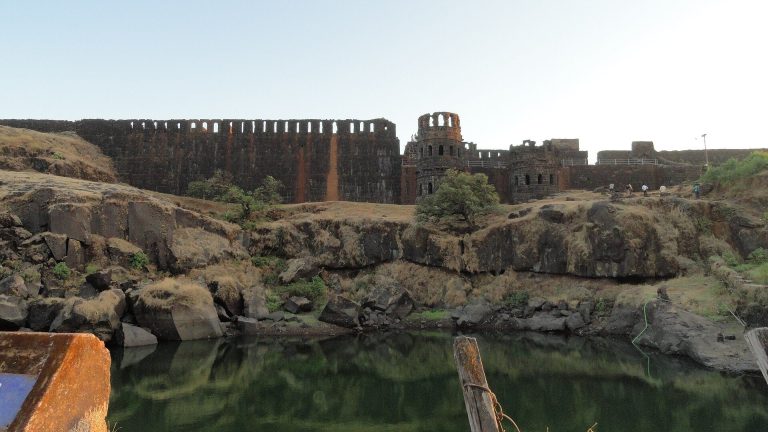
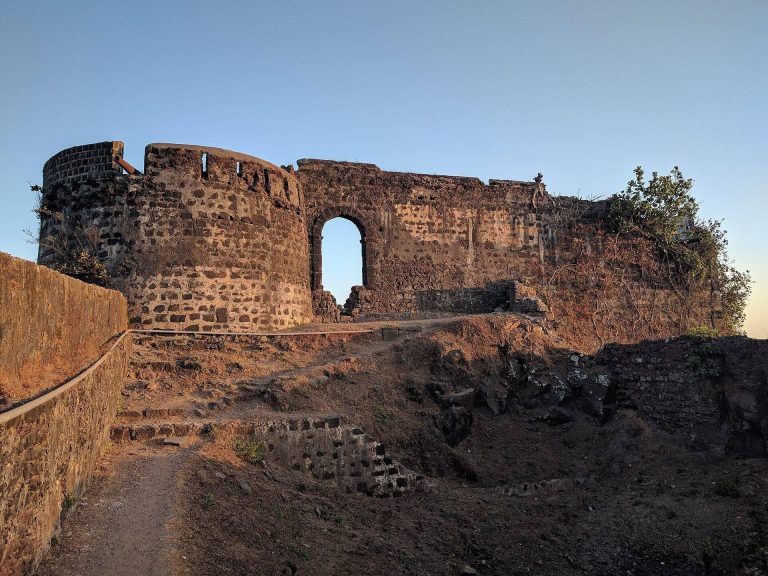
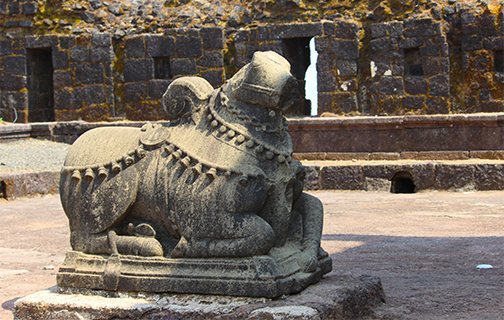
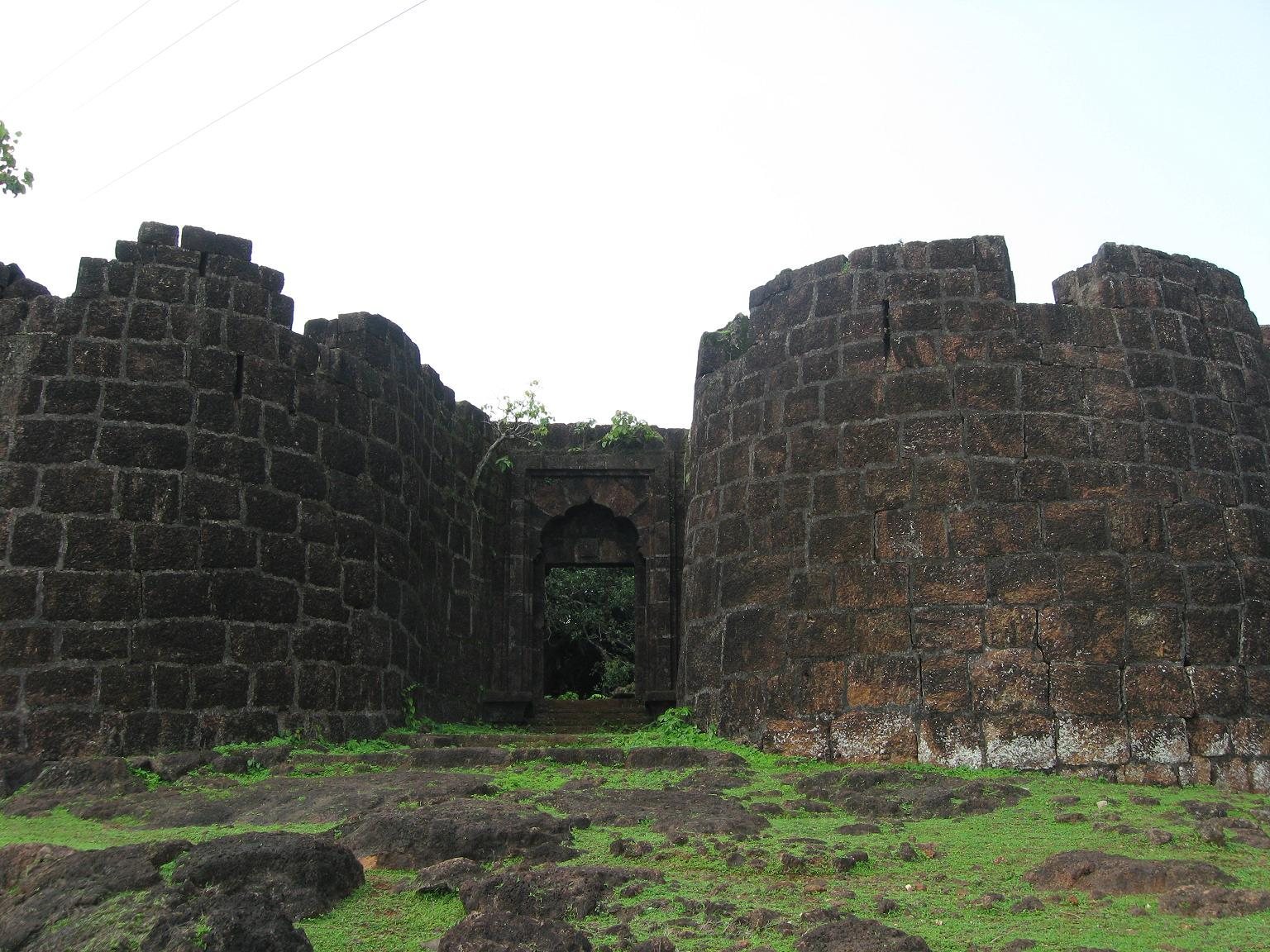
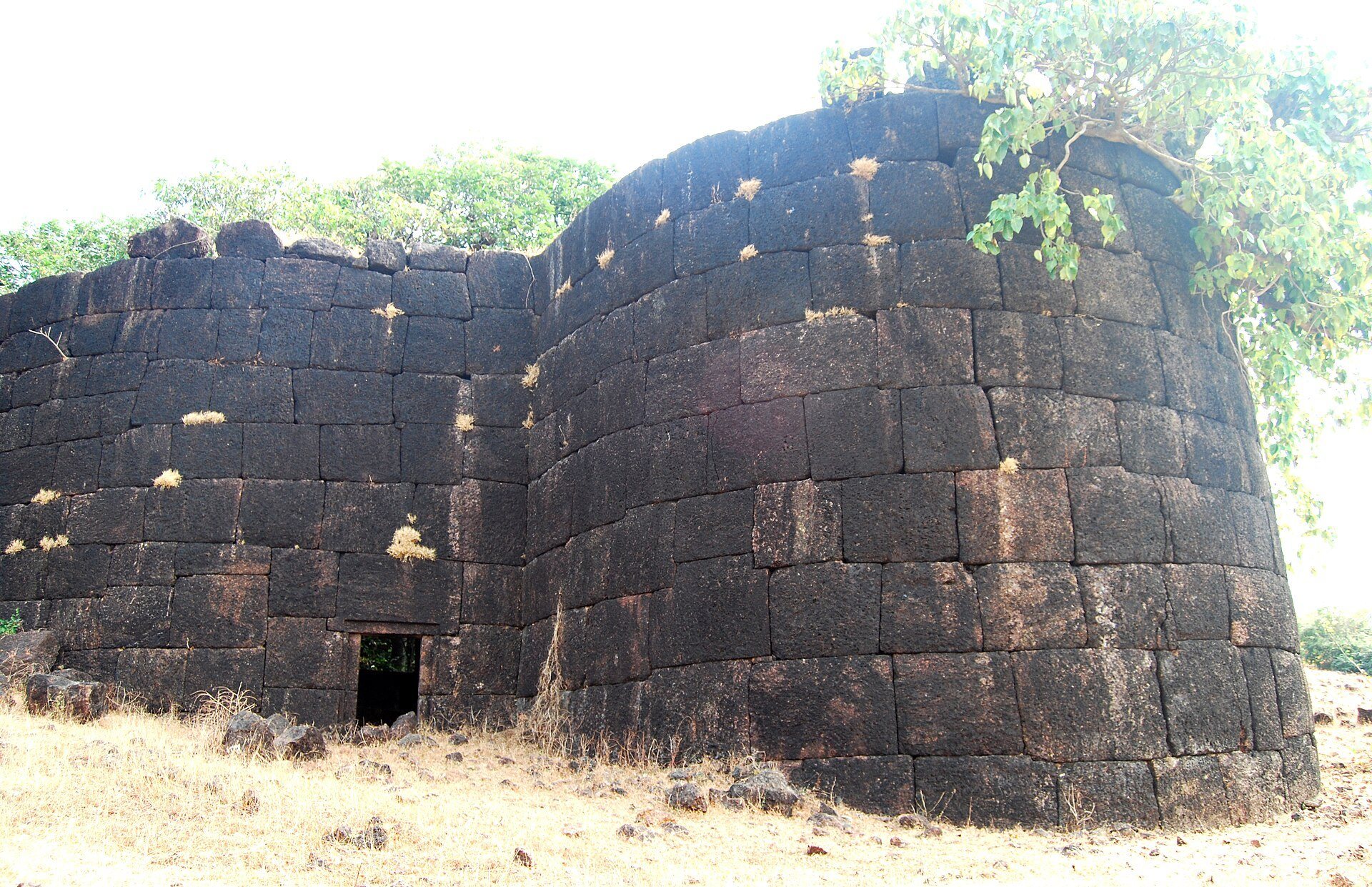
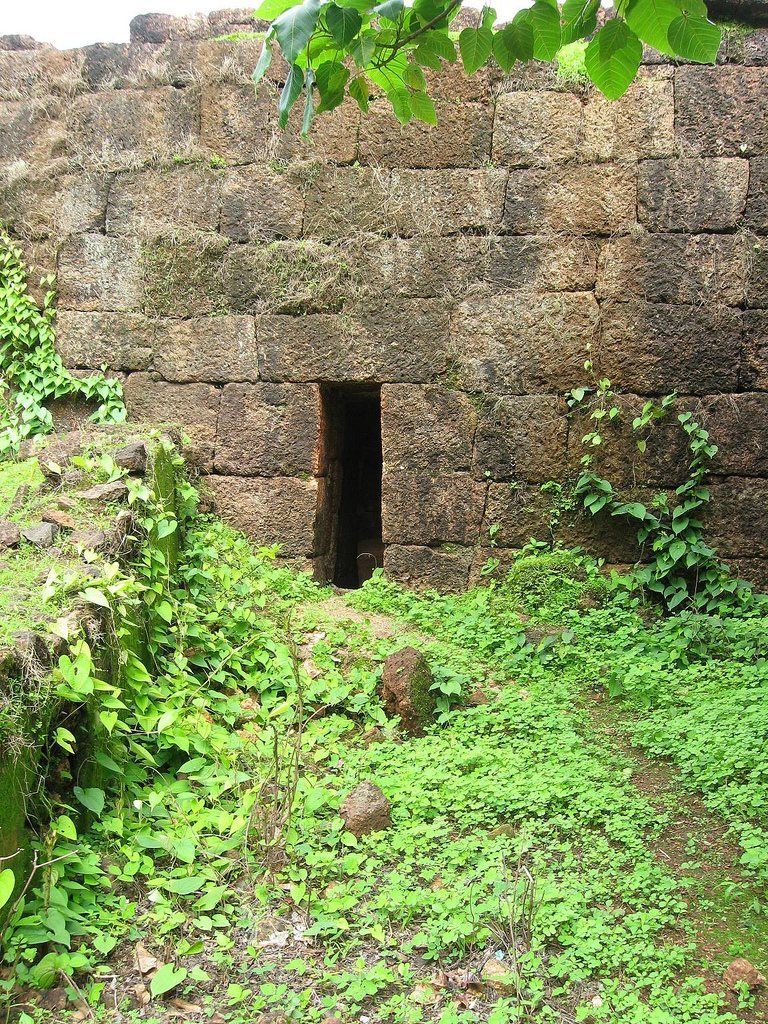
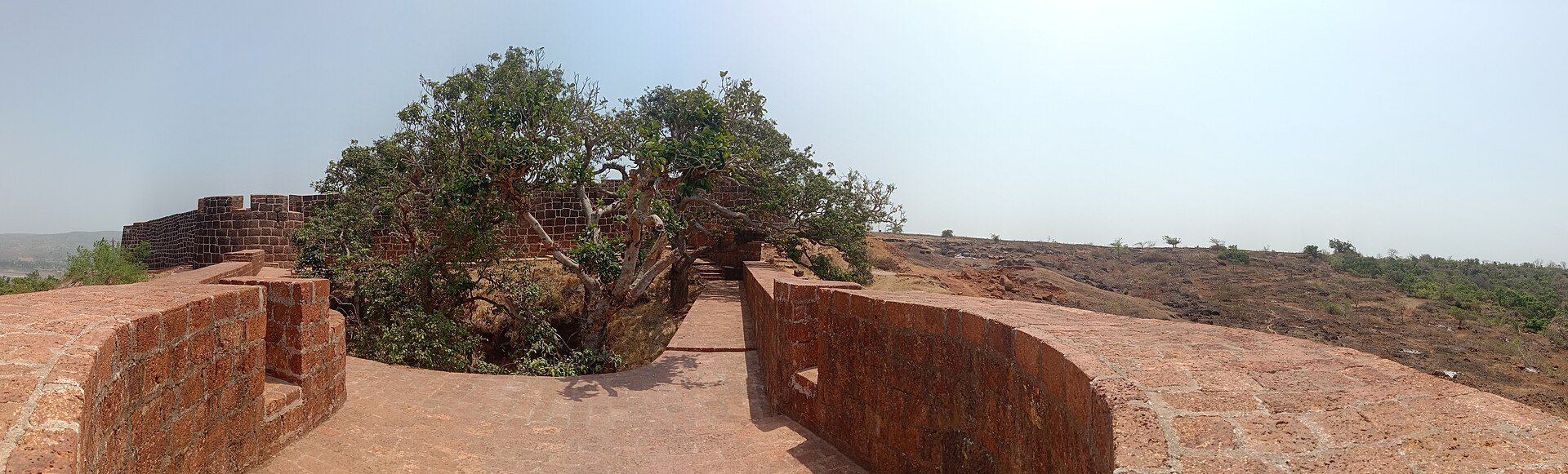
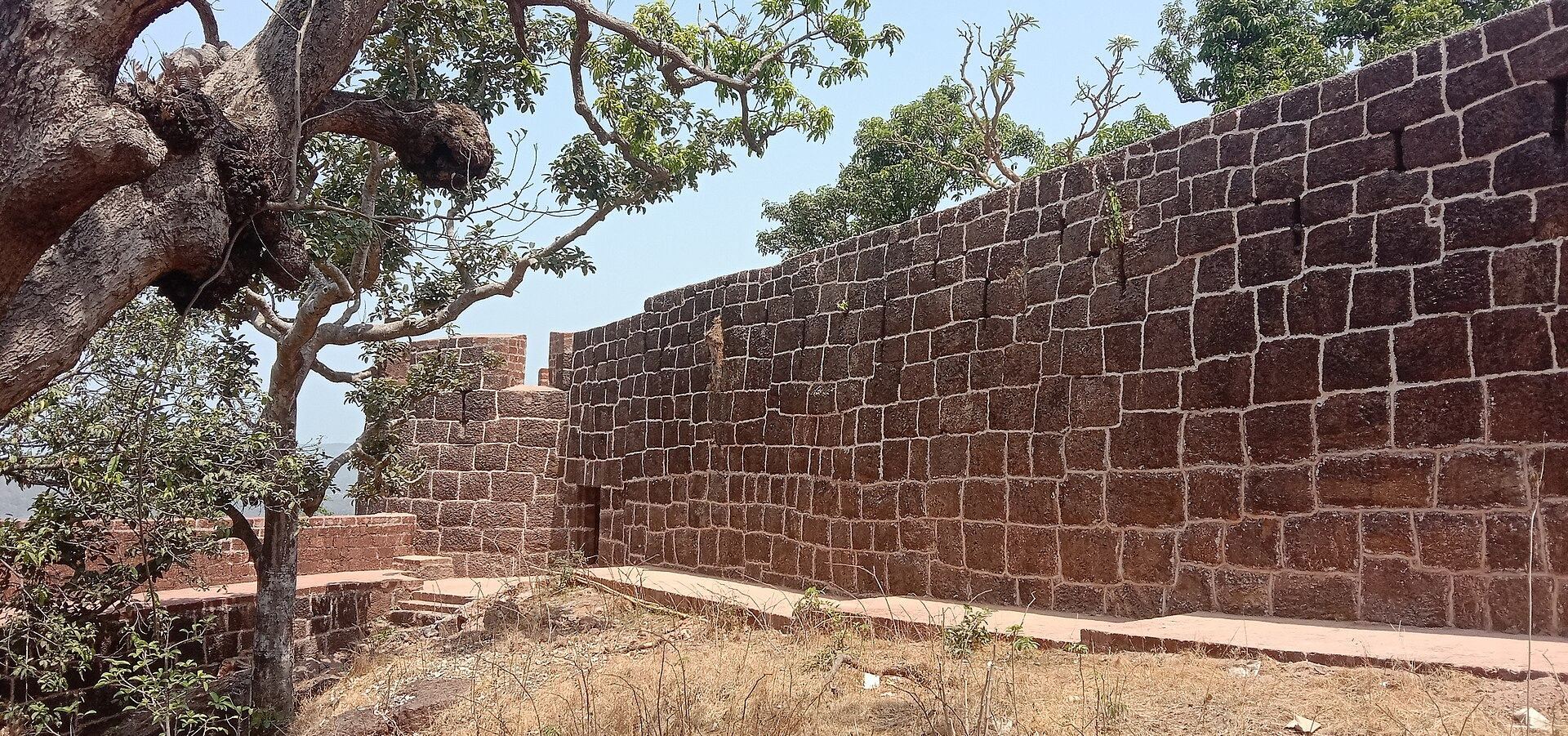
Bankot Fort is built from lateritic rock on a hill near the sea, at a stated height of about 300 feet. A moat cut into the laterite surrounds the fort. Its surviving layout includes two entrances, an upper approach leading to the Nagarkhana, and ramparts with a bastion and a concealed entrance.
Entrances and Defensive Works
Moat and Gates
The main entrance faces north toward Bankot Creek, while a western gate opens onto a plateau. The main entrance includes vestibules for the gatekeepers. The surrounding moat was excavated into the laterite, creating a defensive boundary around the fort.
Nagarkhana and Bastion
Steps beyond the main entrance lead to the Nagarkhana, a structure associated with ceremonial drums and other instruments at the entrance to a fortified complex. From this elevated point, the Savitri River can be viewed. The western doorway gives access to a bastion on the ramparts, near which a secret entrance is located. The Siddis built the bastion to strengthen Bankot Fort.