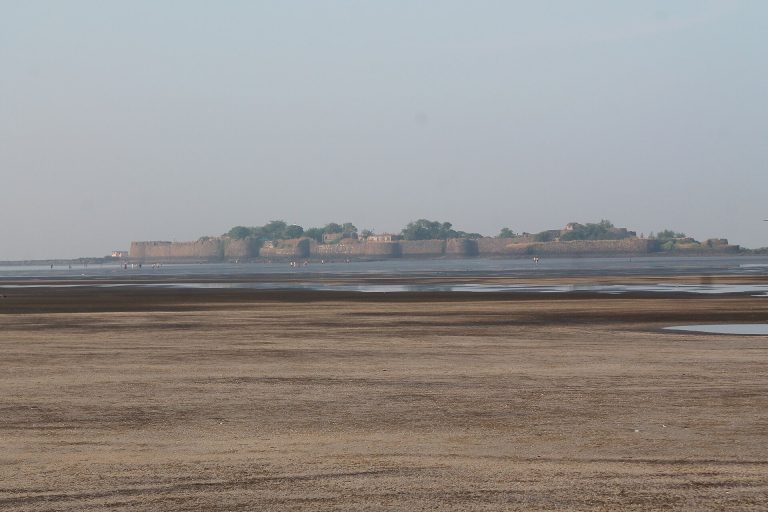
Padmadurg: A Maratha Sea Fort on India’s Arabian Coast
Site at a Glance
- Rating
- 4.7
- Popularity
- Low
- Country
- India
- Primary era
- Early Modern
- Eras represented
- Early Modern
- Civilizations
- Maratha
- Site type
- Military
- Remains
- Fort
On this page6 sections
History
Construction and Naval Role
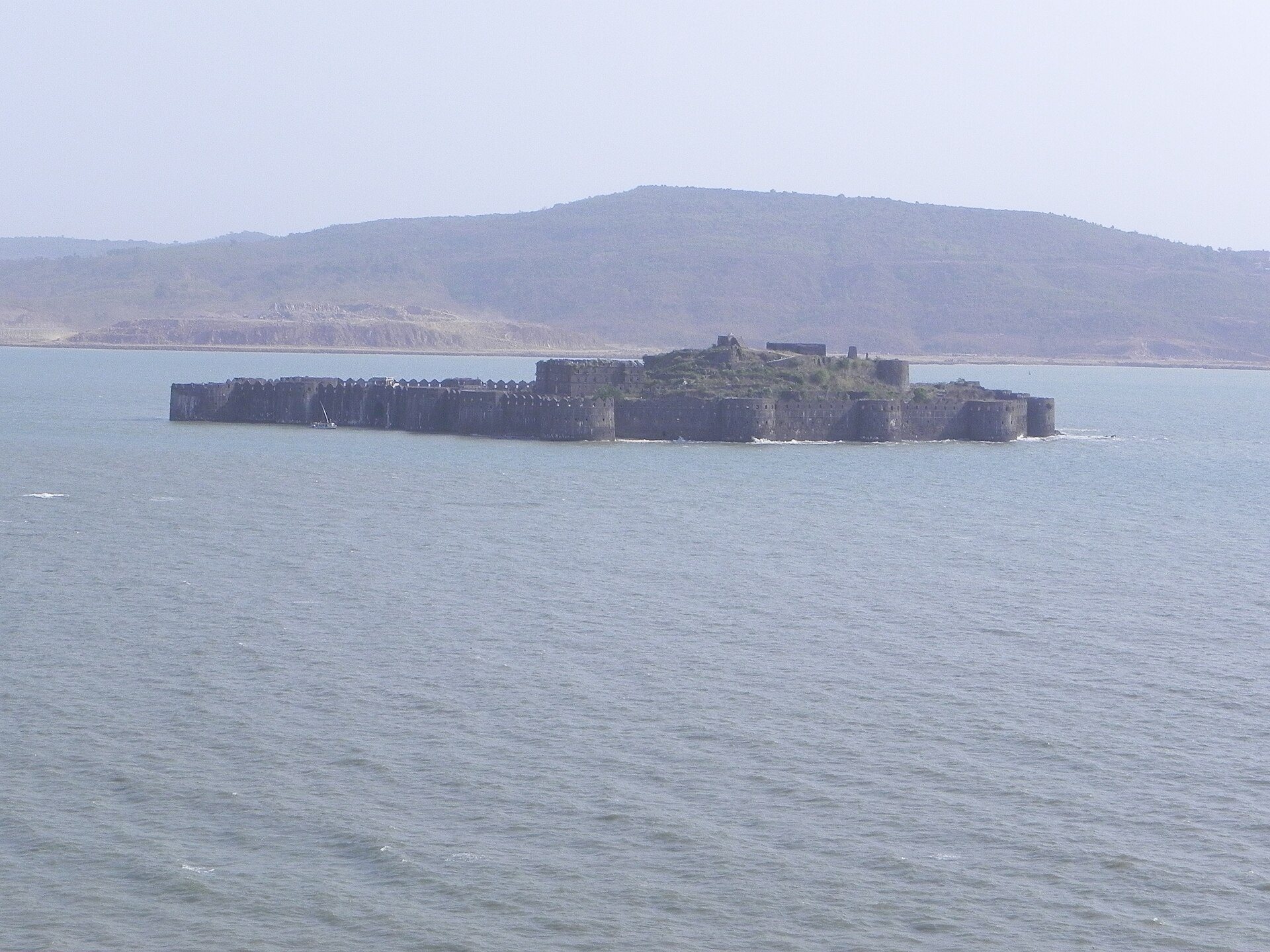
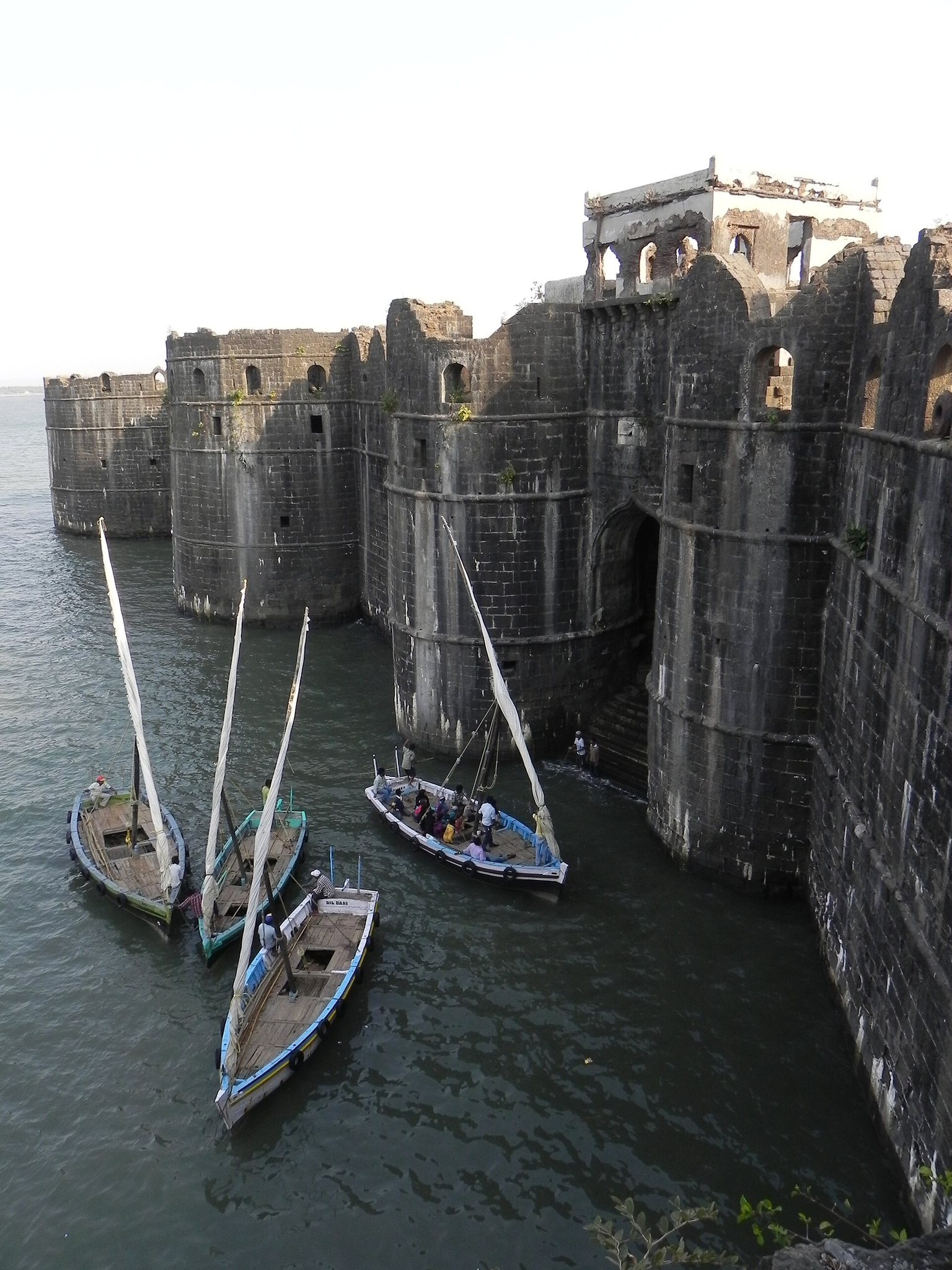
Padmadurg, also known as Kasa Fort, is a ruined sea fort in India built in 1676 by Chhatrapati Shivaji Maharaj, the founder of the Maratha state. It was one of five historical sea forts associated with his rule and formed part of a defensive system linked to Sindhudurg. Its position in the Arabian Sea allowed it to monitor naval activity and watch Murud-Janjira, a fortified stronghold controlled by the Siddis, a ruling and military group of African origin associated with the Janjira state.
The fort was also connected with the wider struggle for control of the coast. Murud-Janjira had been repeatedly targeted by the Portuguese and other invaders, making surveillance and naval defense important to the Maratha state. Padmadurg additionally served as Shivaji Maharaj’s principal shipbuilding yard during his reign, giving it a role in the construction and support of the Maratha navy.
Maratha Recapture and Conservation
In 1759, Padmadurg and Underi Fort were recaptured from the Siddis of Janjira by Maratha forces led by Raghuji Angre, a Maratha naval commander. This restored the forts to Maratha control during a period when fortified positions along the coast remained central to naval power.
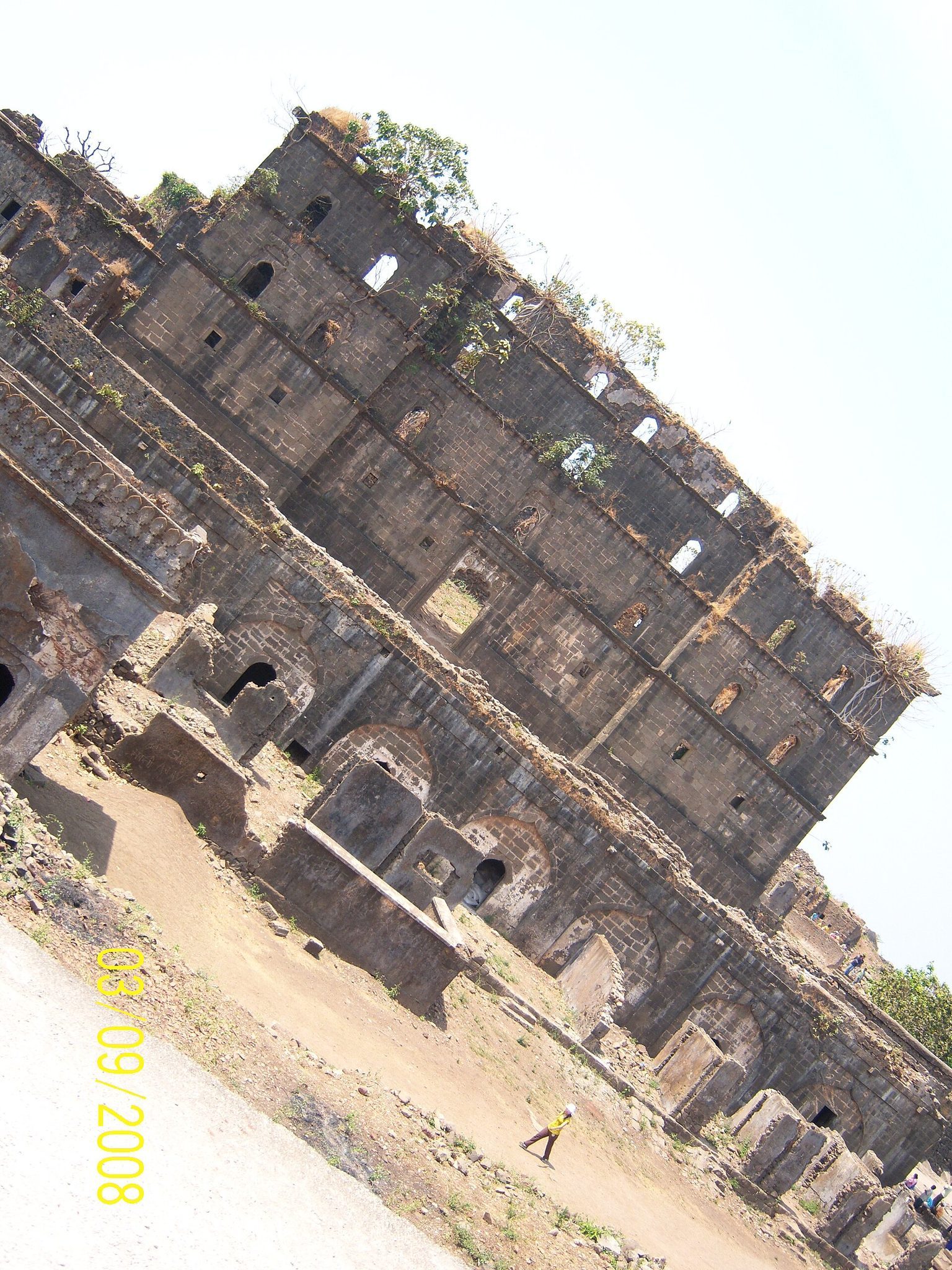
Padmadurg is now in ruins and is protected by the Archaeological Survey of India, India’s national institution for archaeological research, protection, and conservation. Cleanup work in 2012 produced approximately 250 historically significant cannonballs, while continuing conservation efforts focus on preserving the fort’s maritime heritage.
Remains
Fortifications and Defensive Zones
Padmadurg occupies a rock island with a depth of about 20 feet and covers approximately 9 acres. Its walls were built from sandstone bonded with lime mortar. Six rounded bastions form part of a defensive design organized into three zones: an outer retaining wall, a detached padkot, meaning an outer defensive wall or enclosure, and an inner citadel. Together, these elements were designed to withstand both waves and enemy attack.
Interior Structures and Archaeological Finds
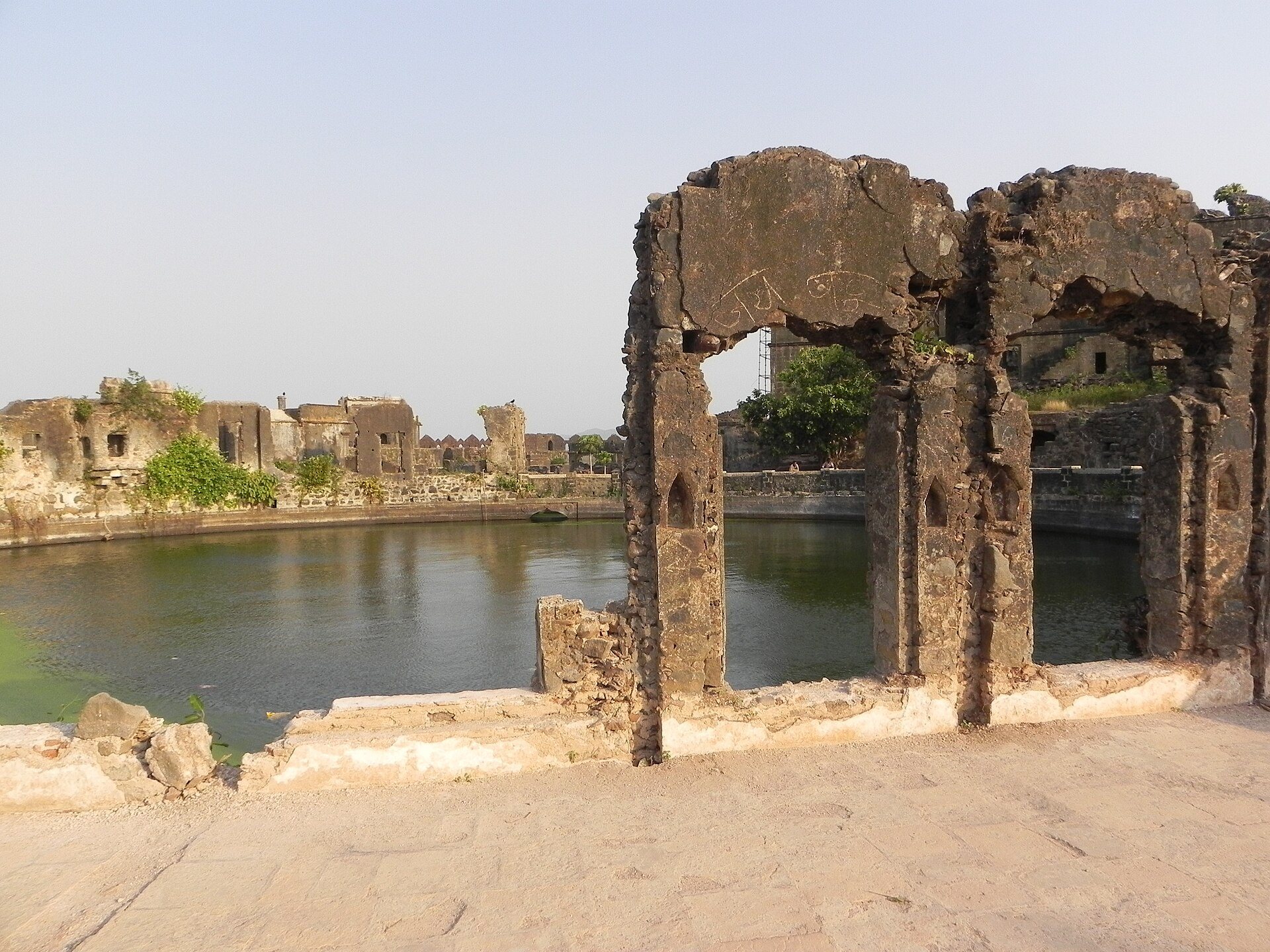
Within the fort are dry water tanks, ammunition-storage areas, bunker-like barracks, and numerous cannon positions. The ruins also include temple remains, among them the surviving traces of Kandeshwari Temple. Preliminary archaeological work recorded between 46 and 47 rusted cannons, and later cleanup recovered approximately 250 cannonballs. These remains preserve evidence of the fort’s defensive and maritime functions.