Franciscan Monastery in Łódź: A Conventual Franciscan Religious Complex
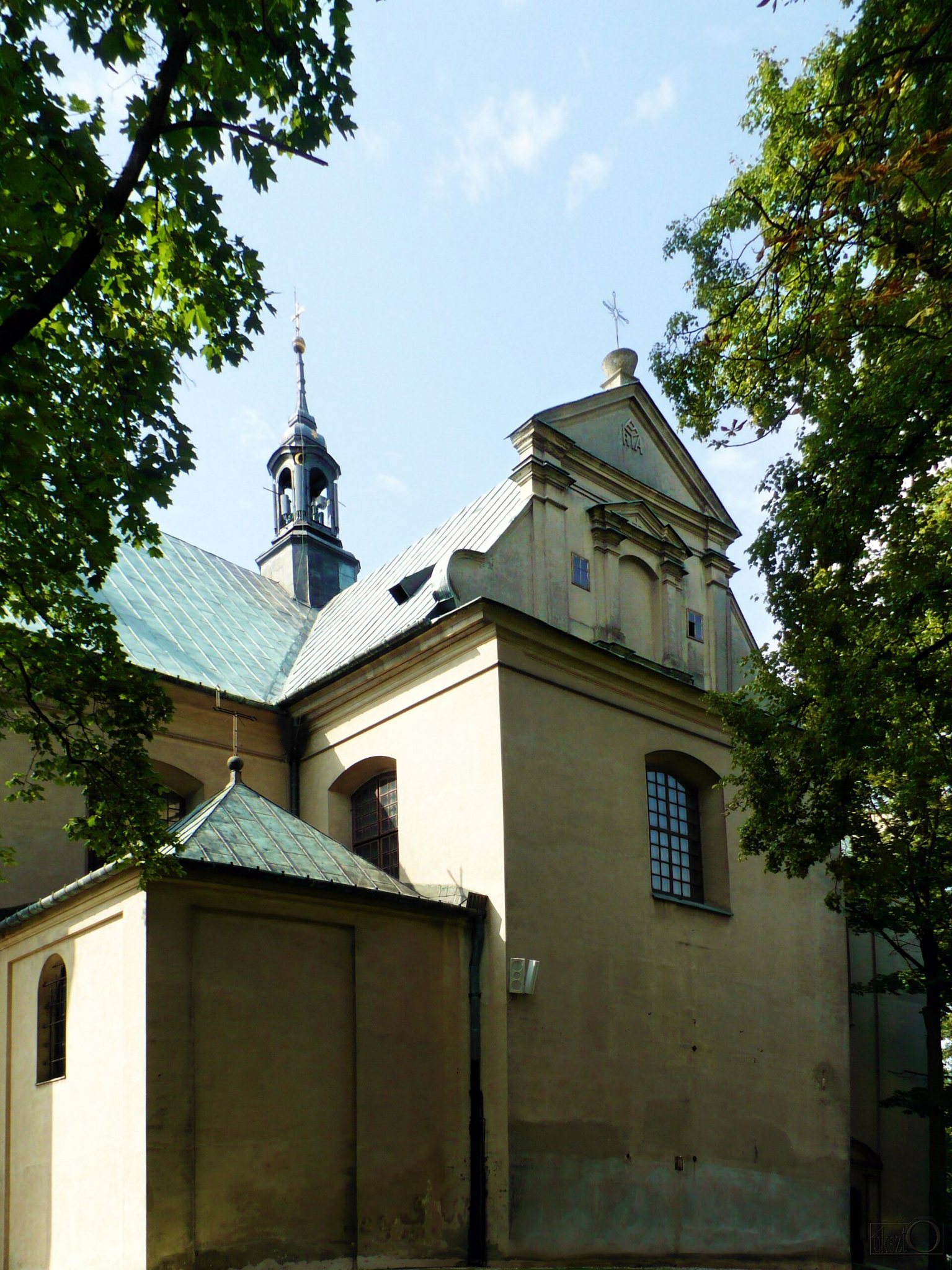
Site at a Glance
- Rating
- 4.7
- Popularity
- Low
- Country
- Poland
- Primary era
- Early Modern
- External website
- Open
- Eras represented
- Early Modern
- Civilizations
- Polish–Lithuanian Commonwealth
- Site type
- Religious
- Remains
- Monastery
On this page7 sections
History
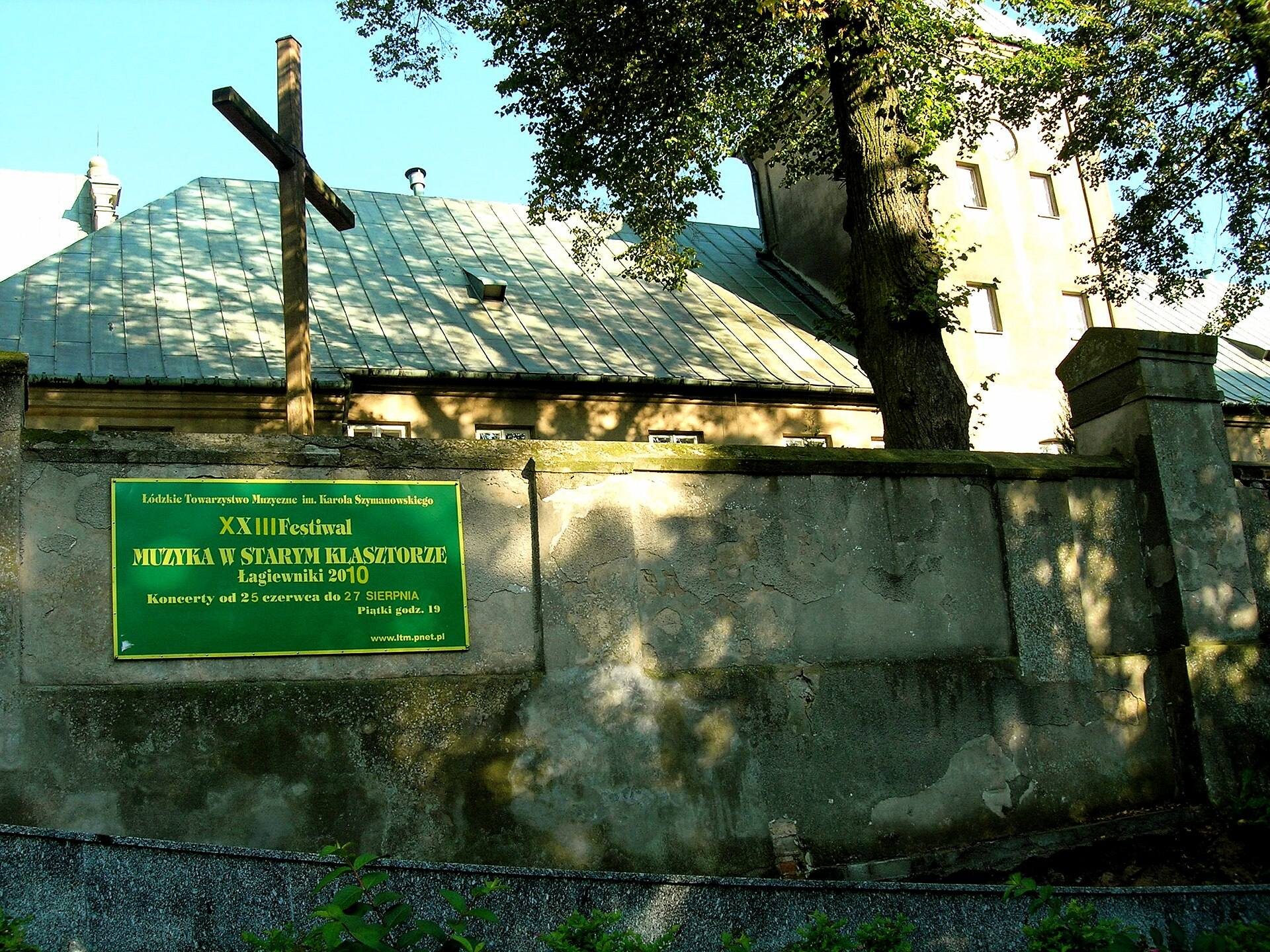
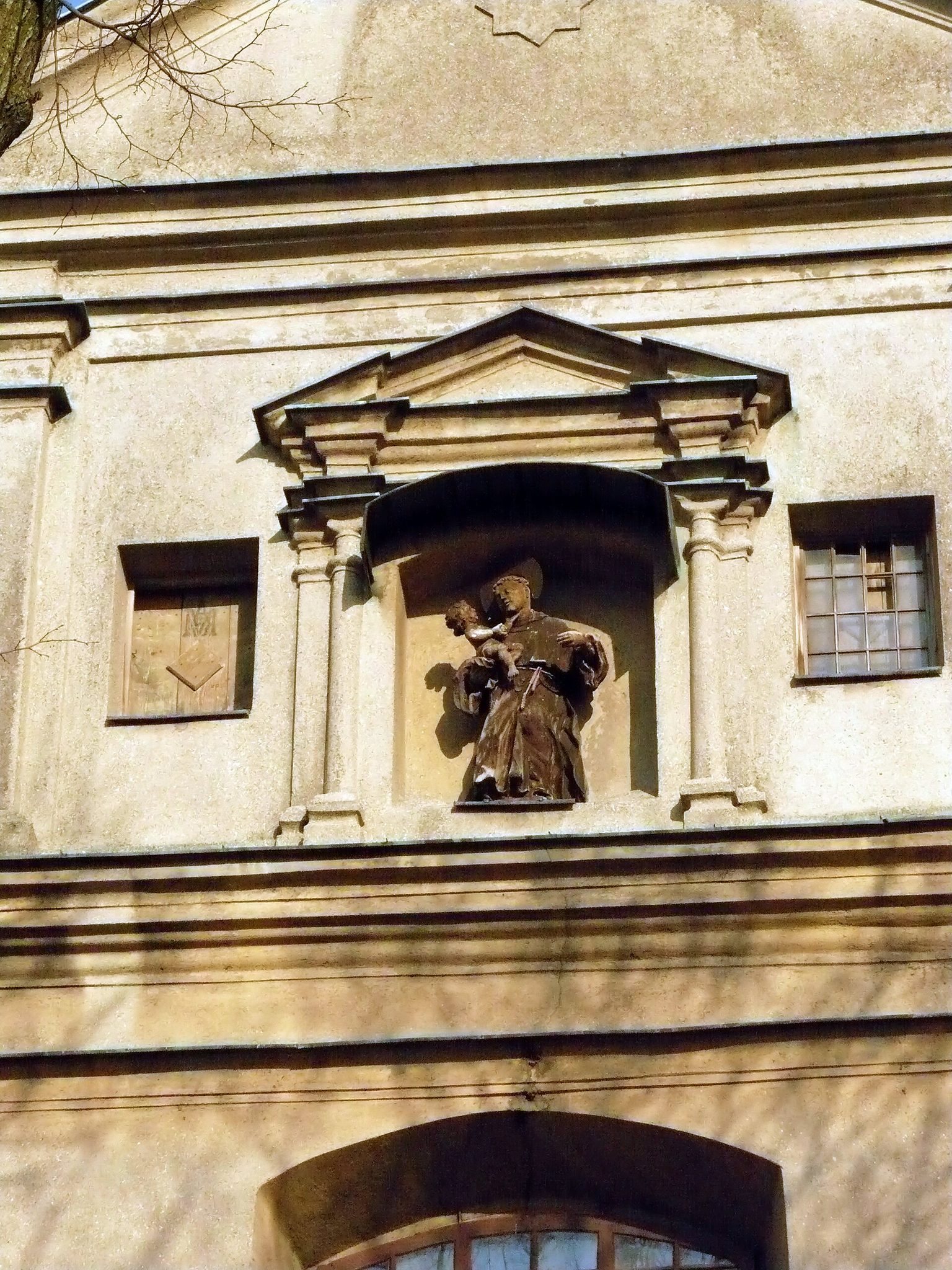
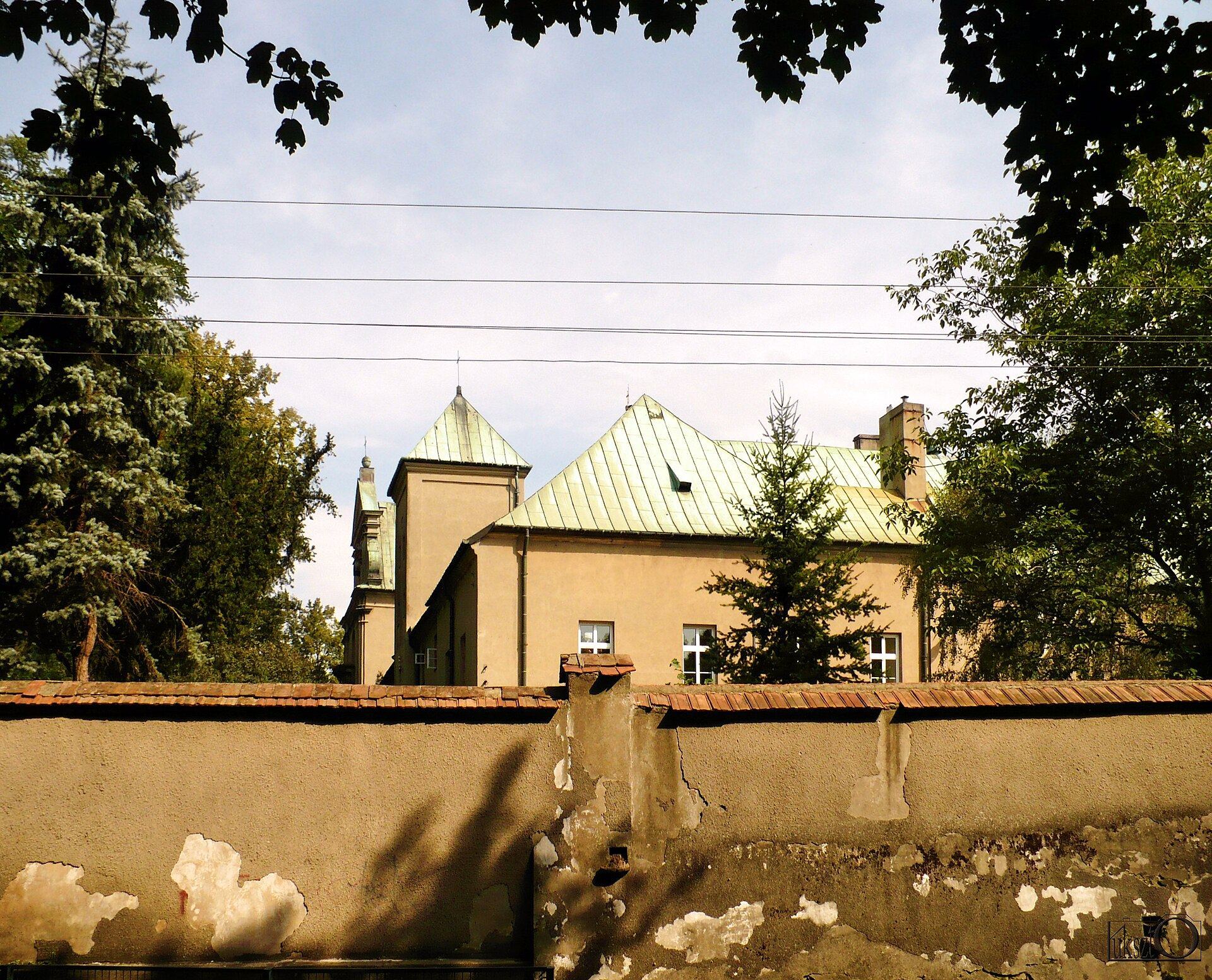
The Franciscan Monastery in Łódź, Poland, is a Roman Catholic men’s religious complex of the Conventual Franciscans, a branch of the Franciscan order, founded on 18 March 1681 in Łódź–Łagiewniki. It grew from a wooden church and monastery into a masonry complex dedicated to Saint Anthony of Padua, and is the earliest of the Order of Friars Minor Conventual’s four monasteries in Łódź.
Foundation and construction
The foundation followed longstanding efforts by the friars and the Żeleski family. On 29 August 1683, Bishop Piotr Paweł Mieszkowski, who served as secretary to King Jan III Sobieski, consecrated the newly built wooden Church of Saint Anthony of Padua and its adjoining wooden monastery. The friars belonged to the Province of the Immaculate Conception of the Order of Friars Minor Conventual in Warsaw.
In 1701, Father Adrian Pędzikowski began building the present masonry church, replacing the wooden structure. Numerous benefactors supported the work, as did the religious ministry of Father Rafał Chyliński, later recognized as Blessed Rafał Chyliński in the Catholic Church. Primate Teodor Potocki solemnly consecrated the completed church on 16 May 1726. The masonry monastery was finished in 1746, while nearby landed farms provided the friars with their material livelihood.
Dissolution and wartime damage
After the January Uprising, a Polish insurrection against the Russian Empire that began in 1863, the monastery was dissolved on 8 November 1864 and the friars faced tsarist repression. The building was later used for purposes including a school and a home for poor people. The Franciscans recovered it after 54 years.
During the German occupation of Poland in the Second World War, the complex housed German vehicle-repair workshops for cars and tanks. Nearby chapels dedicated to Saint Valentine, Our Lady of the Angels, and the Transfiguration of the Lord, together with the original house associated with Rafał Chyliński, were demolished. The first two chapels and the house were destroyed in 1941, while the Transfiguration chapel was demolished in 1943. Toward the end of the war, the church and monastery were profaned.
Postwar Franciscan presence
The Franciscans returned to Łagiewniki after the Second World War. A Franciscan higher seminary operated beside the monastery from 1978 and received its own building in 1989. The complex has been entered in the heritage register as A/13 since 20 January 1971.
Remains
Church and monastery
The surviving complex consists of the masonry Church of Saint Anthony of Padua and the adjoining Franciscan monastery. The church was begun in 1701 during the replacement of the original wooden buildings and was consecrated in 1726. The monastery was rebuilt in masonry and completed in 1746. Its physical history also includes the wartime destruction of the nearby chapels and the house associated with Rafał Chyliński.
Franciscan cemetery sections
At the Łagiewniki cemetery on Okólna Street, two collective sections of Franciscan tombs commemorate Franciscan fathers. The main section contains a sculpture of Blessed Rafał Chyliński, while the second has a sculpture of Saint Francis. Wojciech Gryniewicz created the sculptures, the tombs, and the burial sections, which were unveiled in 1997.