Krakra: A Medieval Fortress in Pernik, Bulgaria
Site at a Glance
- Rating
- 4.2
- Popularity
- Medium
- Country
- Bulgaria
- Primary era
- Medieval
- External website
- Open
- Eras represented
- Medieval
- Civilizations
- First Bulgarian Empire
- Site type
- Military
- Remains
- Castle
On this page6 sections
History
Krakra is a medieval fortress in Pernik, Bulgaria, created after AD 809 as the Bulgarian state expanded under Khan Krum. Built on the site of an earlier small Thracian settlement, it later became associated with Krakra of Pernik, a Bulgarian boyar and military commander who defended western Bulgarian territories against the Byzantine Empire.
Early Bulgarian foundations
The fortress was established after Khan Krum incorporated the territory around present-day Sofia into Bulgaria. Its position in the southwestern part of Pernik gave it strong strategic value during a period when control of the western Bulgarian lands was contested.
After the Byzantine capture of Preslav in AD 971, the Komitopuli brothers, David, Moses, Aaron, and Samuel, established themselves in western Bulgaria. Aaron governed the region around Krakra, commanded the defence of Serdika, and took part in the Battle of Trajan’s Gate, where the army of the Byzantine emperor Basil II was defeated.
The rule of Samuel and Krakra
In AD 977, Boris II and his brother Roman returned to Bulgaria after fleeing the Byzantine court. Boris was killed at the frontier because his clothing prevented him from being recognized. Roman was then crowned and ruled Bulgaria until his death in AD 997.
When Samuel became tsar in AD 997, Krakra of Pernik became commander of the fortress. Byzantine chronicles portray him as an independent military leader who controlled 35 other fortresses in the region. They also describe him as just, honest, opposed to bribery, and highly prepared for warfare. Under his command, Krakra successfully resisted repeated Byzantine campaigns against Bulgaria.
Byzantine control and later campaigns
After AD 1018, Krakra surrendered and the fortress entered a new phase under Byzantine control. Its position continued to matter during later uprisings and military movements. Peter Delyan’s campaign against Emperor Michael IV passed through the area in AD 1040, followed by the campaign of George Voiteh and Constantine Bodin against Emperor Michael VII in AD 1072.
The fortress is thought to have retained a defensive function until the period when crusading forces of the Third Crusade, a late-twelfth-century expedition that crossed the Balkans toward the eastern Mediterranean, passed through the region between 1189 and 1192. It was damaged during the campaign led by Stefan Nemanja in AD 1189, when Isaac II Angelos was Byzantine emperor. Afterward, the fortress was abandoned and ceased to be used.
New archaeological excavations have continued to examine the fortress and its long history, from the earlier Thracian settlement through the medieval conflicts that shaped its use.
Remains
Plateau and fortifications
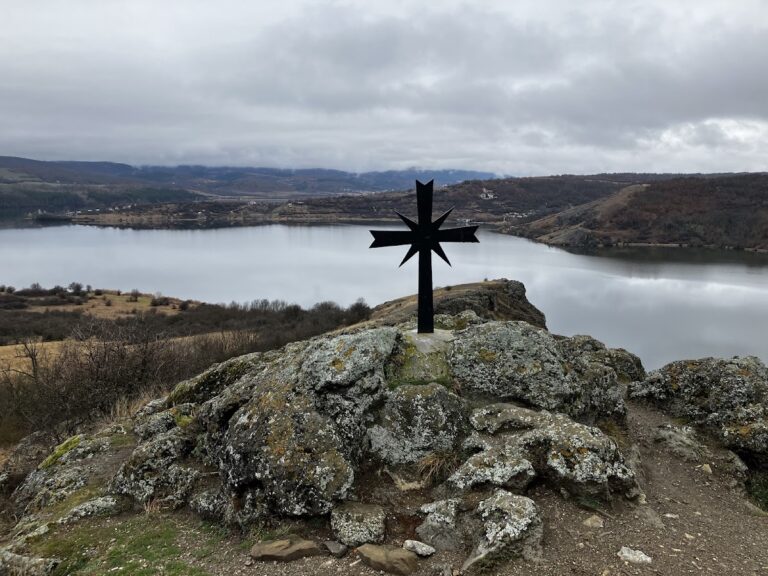
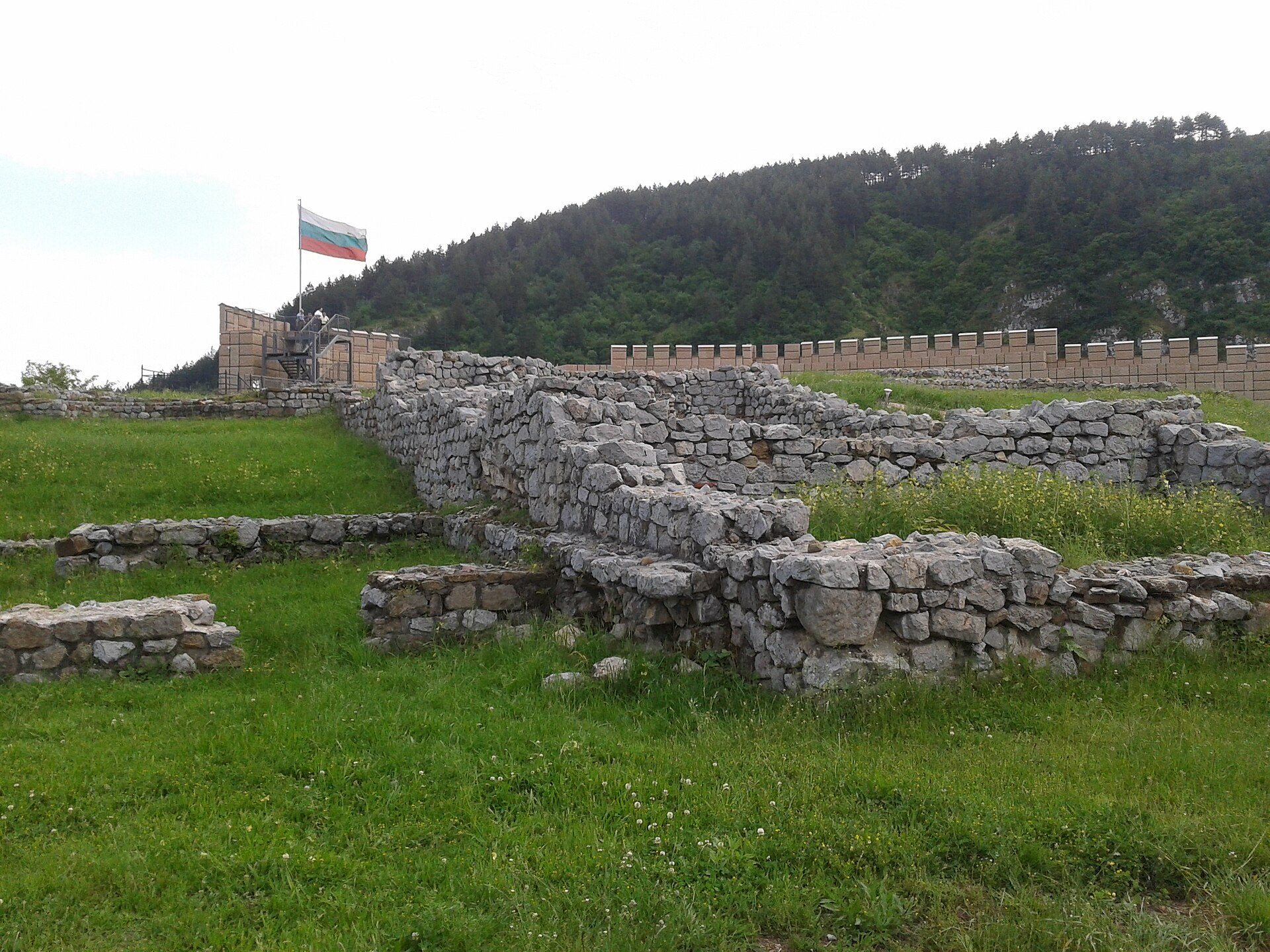
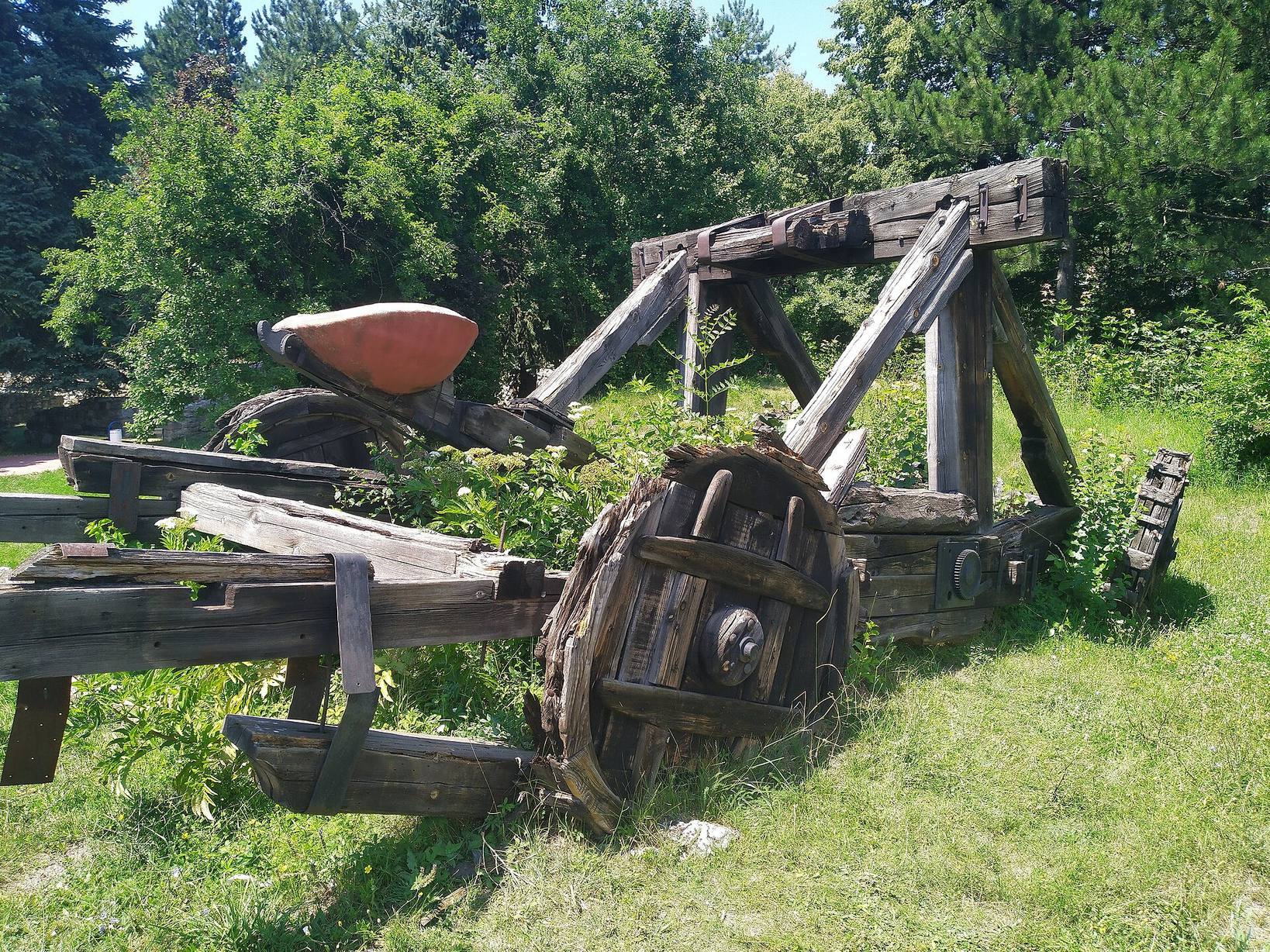
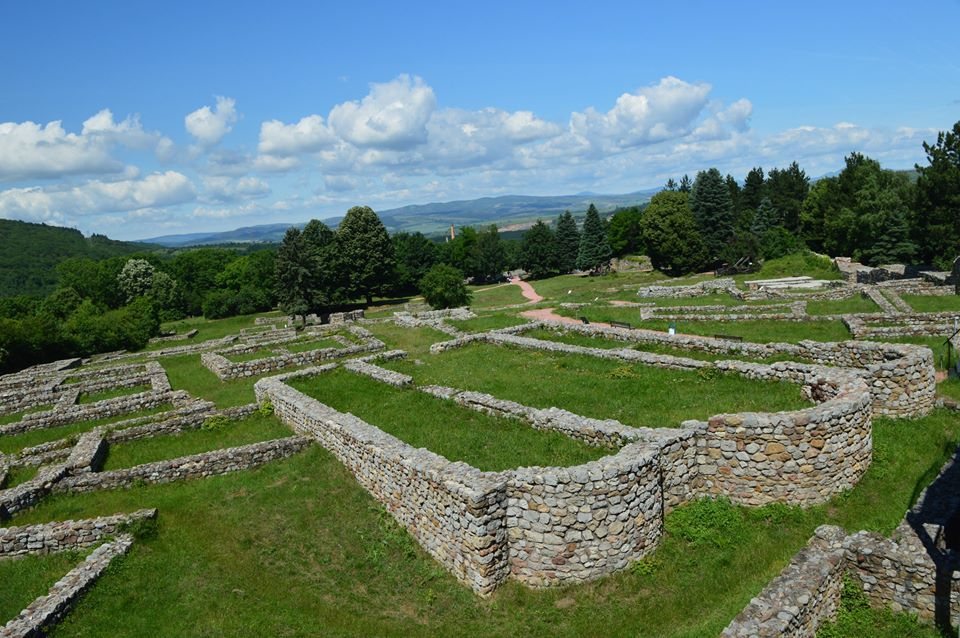
Krakra occupies a small rocky plateau in southwestern Pernik. The fortified area covered approximately 50 decares, or about 50,000 square metres, and its enclosing fortifications extended for nearly 800 metres. Sections of the fortress walls survive on the plateau, where preserved masonry stands alongside a more recent artistic reconstruction.