Southwick Priory: An Augustinian Religious House in Hampshire
Site at a Glance
- Rating
- 3.8
- Popularity
- Very Low
- Country
- United Kingdom
- Primary era
- Medieval
- External website
- Open
- Eras represented
- Medieval
- Civilizations
- Norman
- Site type
- Religious
- Remains
- Monastery
On this page9 sections
History
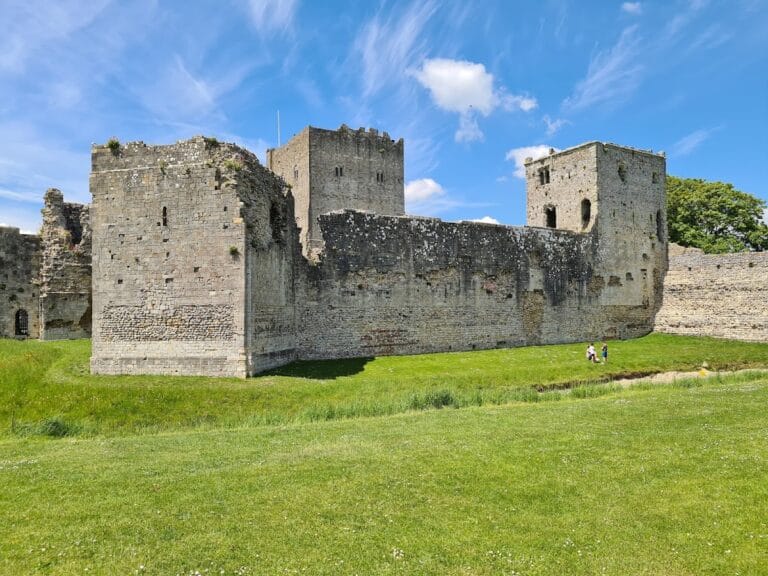
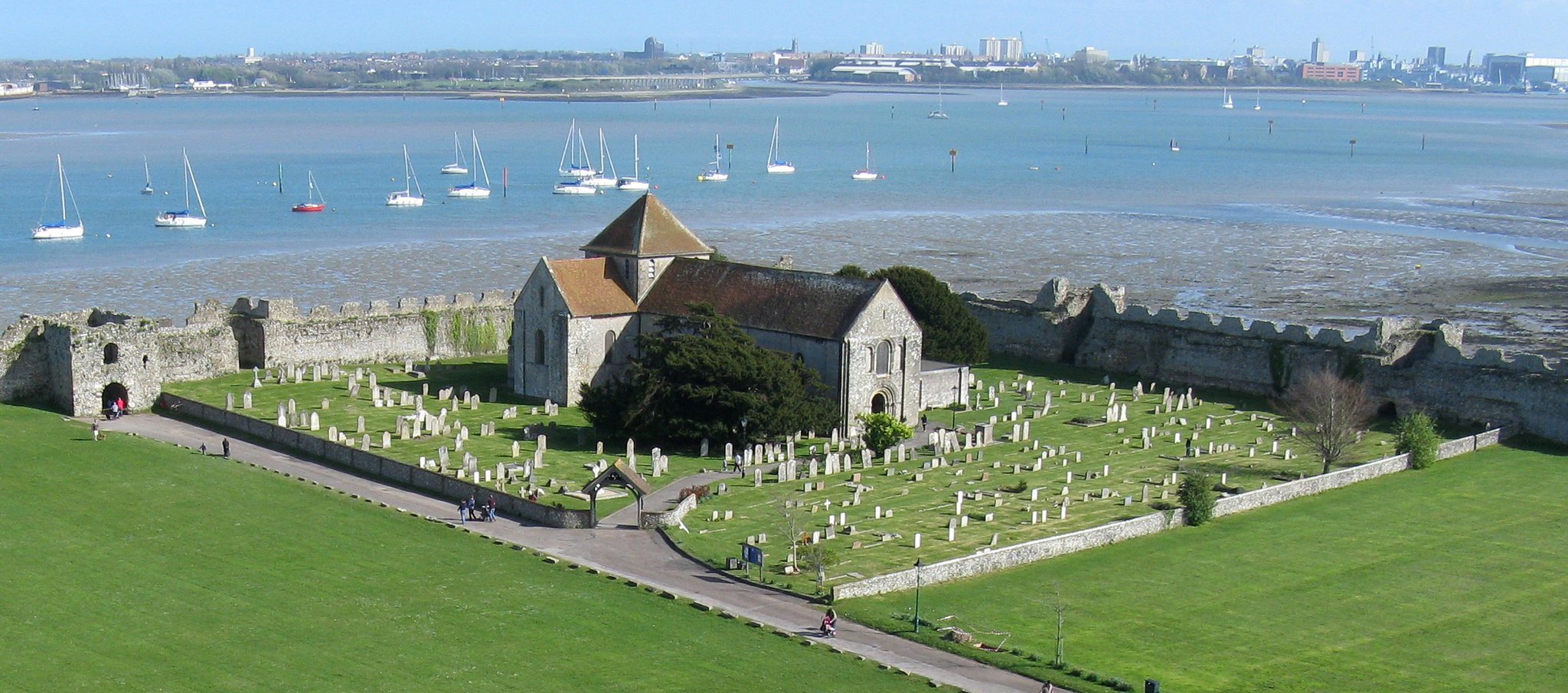
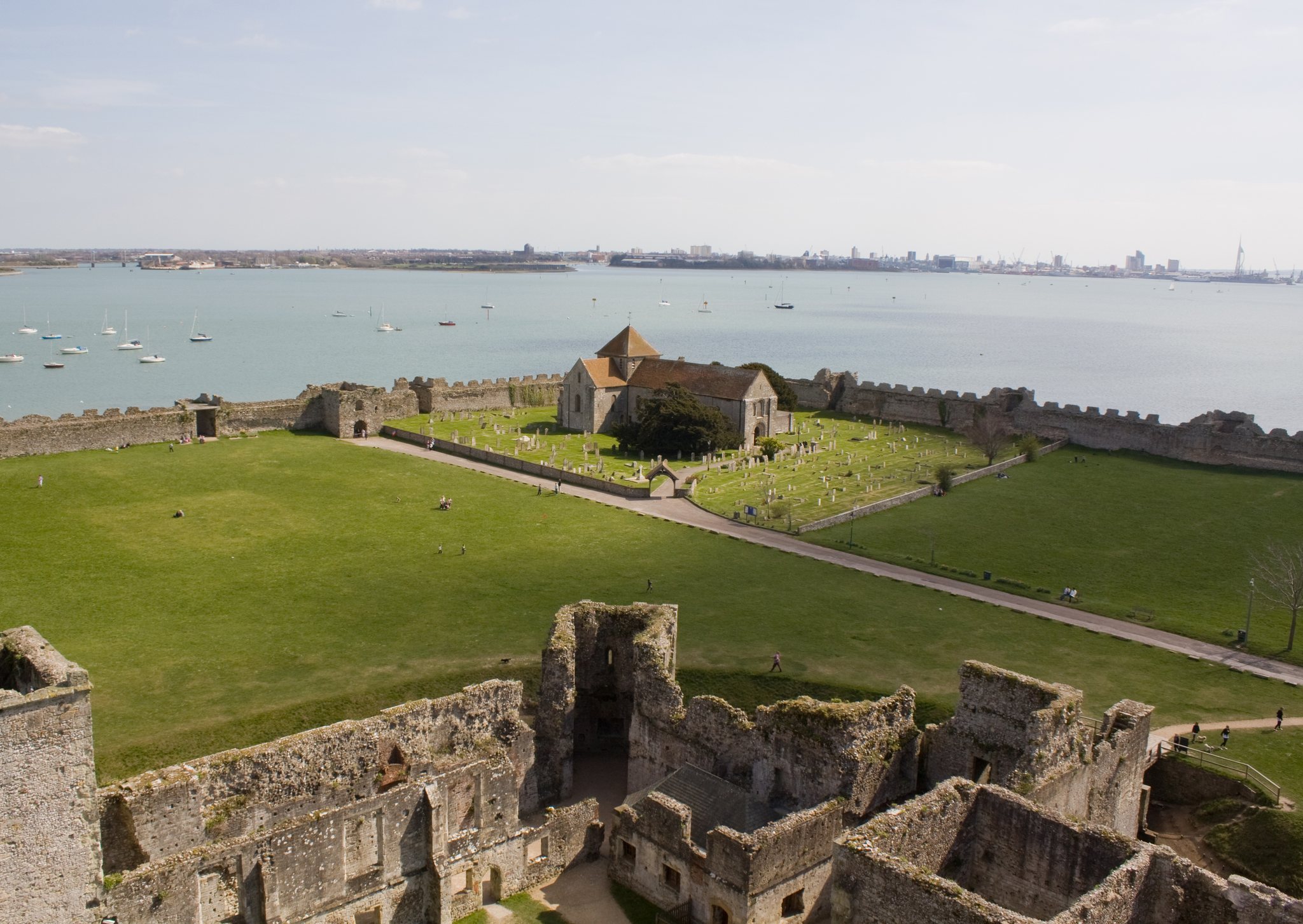
Southwick Priory, also known as Our Lady of Southwick, was an Augustinian priory in Southwick, United Kingdom, founded by Henry I in 1133. Augustinian canons were clergy who lived in religious communities according to the rule associated with Saint Augustine, while a priory was governed by a prior rather than an abbot. The house began at the church of St Mary within Portchester Castle on Portsmouth Harbour and moved to Southwick around 1145 to 1153, during the medieval period.
Foundation and Move to Southwick
The foundation charter gave the canons the church of Portchester, timber for fencing, construction, and fuel, common pasture in Hingsdon Wood, the large manor of Candover, and one hide of land in both Southwick and Applestead. By the early thirteenth century, charters called the institution Southwick Priory. Its new location lay about 2 miles, or 3.2 kilometres, north of Portchester.
Pilgrimage and Wealth
Towards the end of the Middle Ages, the priory became a renowned pilgrimage centre associated with Our Lady of Southwick. Henry VIII passed through Southwick in September 1510 and offered 6 shillings 8 pence there. Shortly before the house was suppressed, the pilgrimage was described as declining but still well known.
By the time of the Dissolution of the Monasteries, the process through which Henry VIII’s government suppressed England’s religious houses and transferred or confiscated their property during the 1530s, Southwick held Preston Candover and numerous Hampshire manors. These included Southwick with its rectory, Newland, Hannington, Sutton Scotney, Moundesmer, Oldfishborne, Farlington with a fishery, Denmead Molens, Clanveld, Aldbourn, Colmer, Stubbington, Hoe, West Boarhunt, Boarhunt, Harbert, and Bury. It also held Weralles in Dorchester with its rectory, the rectories of Nutley, Swindon, Portsea, Portsmouth, and Wanstede, and lands and rents in Priors Dean, Winchester, and Andover.
Suppression in the Sixteenth Century
The Valor Ecclesiasticus, Henry VIII’s comprehensive survey of the income and property of England’s religious institutions, assessed the priory’s net annual income at £257 4 shillings 4 pence in 1535. In a letter dated 20 January 1536, the canon James Gunwyn stated that the priory was bound by William Wykeham’s will to celebrate five masses each day, although none had been celebrated for more than forty years. He also raised concerns about irregularities in the valuation of the lands, neglected injunctions, an earlier visitation by Dr Layton, and the possible removal of plate, money, and jewels by the prior.
A letter of 16 March 1538 stated that the priory was to be suppressed and that the image of Our Lady of Southwick had been taken down. On 7 April, Prior William Norton and twelve canons signed the surrender of the house, with James Gunwyn signing beside the prior. Norton received a pension of £66 13 shillings 4 pence.
After the Dissolution
After the suppression, the priory passed to John White, a servant of Thomas Wriothesley, 1st Earl of Southampton. White demolished the church and converted the prior’s lodgings and other conventual buildings into a private house called Southwick Park. The house became the seat of one branch of the Norton family. Mary of Guise stayed there in October 1551, and Elizabeth I stayed there on 30 August 1591 before riding to Portchester Castle the next day.
In 1606, White settled the manor on his daughter and co-heir Honor when she married Sir Daniel Norton. They obtained possession after White’s death in 1607. Several manors formerly belonging to Southwick Priory and Breamore Priory were included in Anne of Cleves’s dower lands in 1540.
The house formed from the priory buildings burned down in 1750 and was salvaged for scrap masonry. Southwick House has occupied the site since 1838. Since 2005 it has housed the Defence School of Policing and Guarding, and since 2007 it has also served as the regimental headquarters of the Royal Military Police. The contiguous Southwick Estate remains intact and is formally known as the Southwick Estate.
Remains
Portchester Church
The priory’s original church was St Mary at Portchester, a substantially Norman building within the Roman walls of Portchester Castle. The church survives and has returned to parochial use. Physical traces of the former priory include drain openings and marks indicating where the cloister abutted the south wall of the nave.
Southwick Site
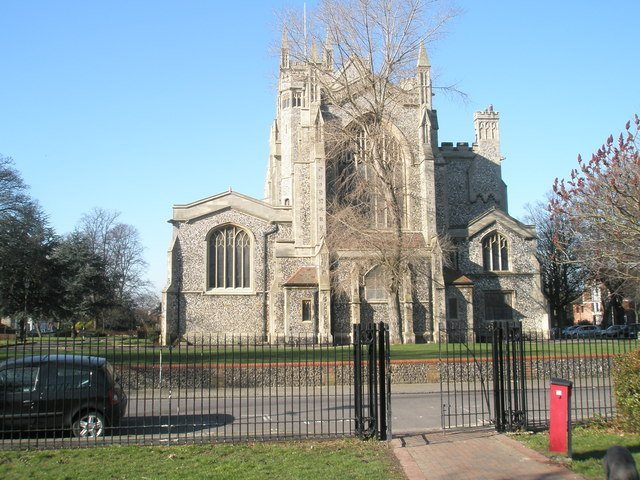
At Southwick, one section of the priory wall and earthworks survive. Some remnants of the priory church may have been transferred and reset in the parish church of St James at Southwick.
Later Buildings
The post-Dissolution house incorporated the prior’s lodgings and other conventual buildings and used materials taken from the priory. After the house was destroyed by fire in 1750, Southwick House was built on the site in 1838.