Church of St Lawrence: A Medieval Parish Church in Meriden
Site at a Glance
- Rating
- 5
- Popularity
- Very Low
- Country
- United Kingdom
- Primary era
- Medieval
- External website
- Open
- Eras represented
- Medieval
- Civilizations
- English, Norman
- Site type
- Religious
- Remains
- Church
On this page8 sections
History
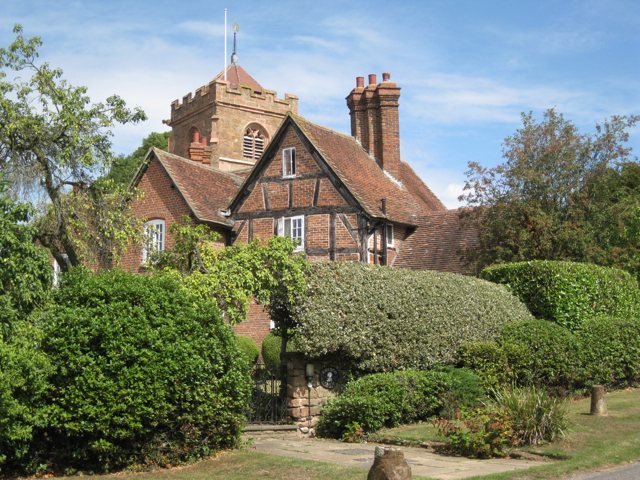
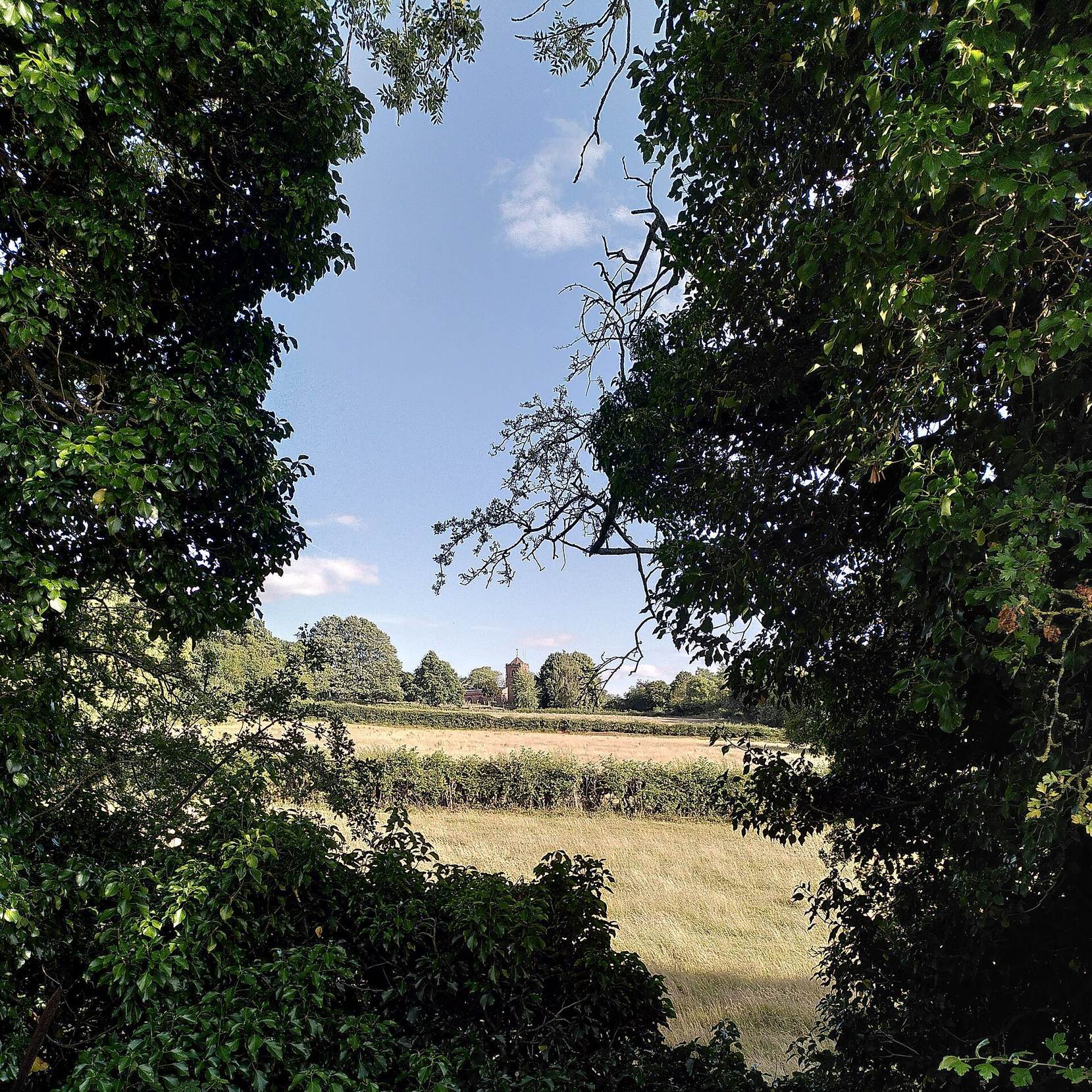
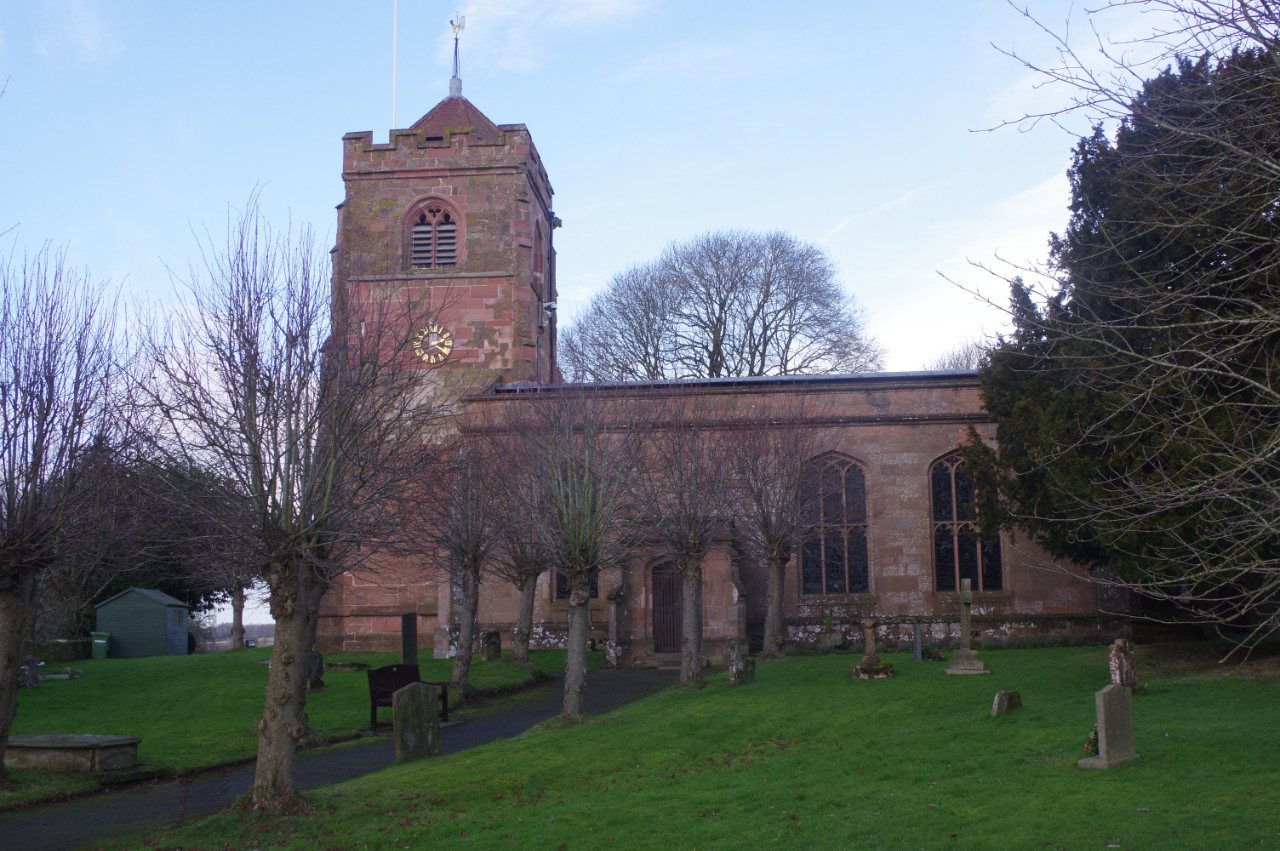
The Church of St Lawrence is a medieval parish church in Meriden, United Kingdom. Its core was built around 1150 in the late Norman period by Ivo de Alspath, probably as an act of expiation after the civil war between Stephen and Matilda, rival claimants in the twelfth-century conflict known as the Anarchy. The church stands at the centre of the historic hilltop settlement of Alspath, which later developed into Meriden, and its parish belongs to the Diocese of Coventry, an ecclesiastical district governed by a bishop.
Origins and medieval development
The church occupies the site of a simple Saxon church dedicated to St Edmund, an Anglo-Saxon Christian saint and king traditionally associated with East Anglia. Lady Godiva, the wife of Leofric, Earl of Mercia, is said to have founded that earlier building on her own land before the Norman Conquest.
Ivo de Alspath, the Norman holder of the knight’s fee of Alspath, began the present church around 1150. The choice may have been connected with violence carried out by raiding parties of his overlord, the Earl of Chester, who attacked St Mary’s Priory in Coventry and the Benedictine Priory at Monk’s Kirby. The Benedictines were a Western Christian monastic order following the Rule of Saint Benedict.
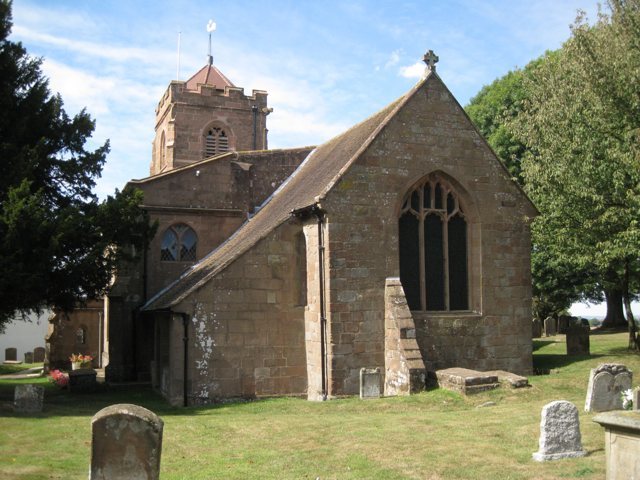
Construction proceeded in stages. The nave and about two-thirds of the chancel were complete by the late twelfth century, while the chancel was lengthened in the thirteenth century. The south aisle and tower followed in the late fourteenth century, and the north aisle was added during the fifteenth century.
Rebuilding and restoration
Around 1831, both aisles were demolished and rebuilt with galleries to provide more seating for the congregation. The galleries were removed in a further restoration in 1883. Another restoration in 1924 uncovered the fifteenth-century wooden ceilings of the nave and chancel after plaster was removed from them. Extensive work on the medieval roof and tower took place around 2006 to 2010.
Dedication and local memory
The dedication appears in both the forms St Laurence and St Lawrence. It may refer either to Lawrence of Rome, a third-century Christian deacon traditionally regarded as a martyr, or to Laurence of Canterbury, an early medieval archbishop. The tradition favouring Laurence of Canterbury is uncertain. The observance of 10 August from 1318 onward, together with the village fair held until 1959, points toward Lawrence of Rome.
The church also preserves memories of people connected with Meriden. George Eliot repeatedly visited her sister in the village until 1854, and her sister was buried in the churchyard. A stained-glass window commemorates Captain Edward Banks, the village’s first First World War death. Banks was killed by friendly fire at the Battle of St Julien in 1915. His wife, Letitia Banks, who was heiress of Meriden Hall, donated the land for the village war memorial.
Remains
Medieval structure and later fabric
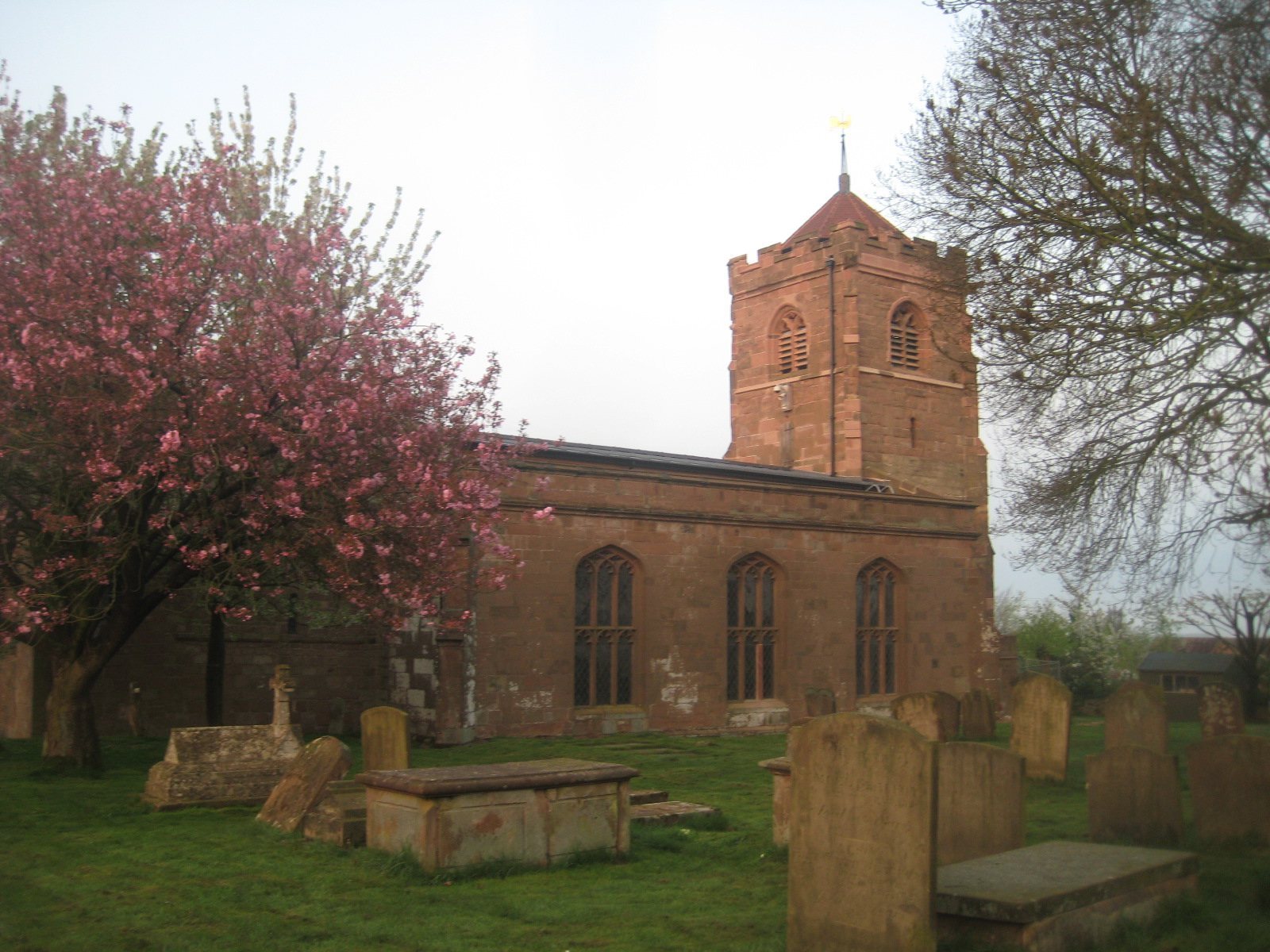
The surviving building is constructed of stone and comprises a nave, chancel, south aisle, north aisle, and tower. The nave and the earlier part of the chancel belong to the late Norman phase, while the building as a whole preserves additions and alterations from the thirteenth, fourteenth, and fifteenth centuries.
The rebuilt aisles of the nineteenth century can be distinguished from the medieval structure. Their external stonework has an industrial character, while their interiors retain stonework from the fourteenth or fifteenth century. A small number of gravestones were reused in the outer masonry.
Ceilings and memorials
The nave and chancel retain fifteenth-century wooden ceilings, revealed when the plaster covering them was removed during the 1924 restoration. The church also contains alabaster effigies of John Wyard and Sir Thomas Bottiler. Earlier nineteenth-century views show the figures placed in the centre of the nave. They are now arranged with Wyard on the right, near the site of his former chantry, and Bottiler on the left.
Wyard’s effigy is associated with his chantry, a chapel or endowed altar established for prayers and masses for a particular person or family. He was a late-fourteenth-century man-at-arms in the retinue of the Beauchamp Earl of Warwick. Bottiler’s effigy represents Sir Thomas Bottiler, who died at the Battle of Northampton in 1460.
Interior opening and churchyard
A squint, an opening that gives a view from one part of a church into another, allowed penitents in a side chapel to see the raising of the Host at the main altar. The Host is the consecrated bread used in the Christian Eucharist.
The churchyard is crossed by the Heart of England Way, a long-distance path linking the Staffordshire heathlands, the Cotswolds, and the Forest of Arden.