Chvaly Castle: A Baroque Cultural Complex in Prague, Czechia
Site at a Glance
- Rating
- 4.6
- Popularity
- Medium
- Country
- Czechia
- Primary era
- Early Modern
- External website
- Open
- Eras represented
- Medieval, Early Modern
- Civilizations
- Holy Roman Empire, Kingdom of Bohemia
- Site type
- Domestic
- Remains
- Castle
On this page12 sections
History
Chvaly Castle is a Baroque castle complex in Prague, Czechia, that developed from a medieval fortress and manorial residence. The village of Chvaly was first mentioned around 1088 under the name Hualah and was recorded again in 1130 as property of the Vyšehrad Chapter, a religious institution based at Vyšehrad that held estates in the Prague region.
Medieval fortress and changing ownership
A Gothic fortress at Chvaly is first documented in 1428. During the second half of the fourteenth century, the estate passed among several Prague burghers. In 1420, the people of Prague confiscated Chvaly and gave it to St. Michael’s Church in Opatovice in the New Town. Between 1436 and 1462, the estate belonged to Habart of Hartenberg.
Seventeenth-century Jesuit ownership
In 1614, Eustachius Betengel of Neuenperk purchased the estate, fortress, and village, then soon sold them to George Vtelensky of Vtelno. Vtelensky took part in the Bohemian Estates’ Revolt, the 1618 uprising against Habsburg rule that formed part of the wider Thirty Years’ War. In 1622, he was condemned to forfeit half his property, and Chvaly was sold to Jan Daniel Kapr of Kaprstein, an imperial councillor and vice-judge of the Court of Appeals.
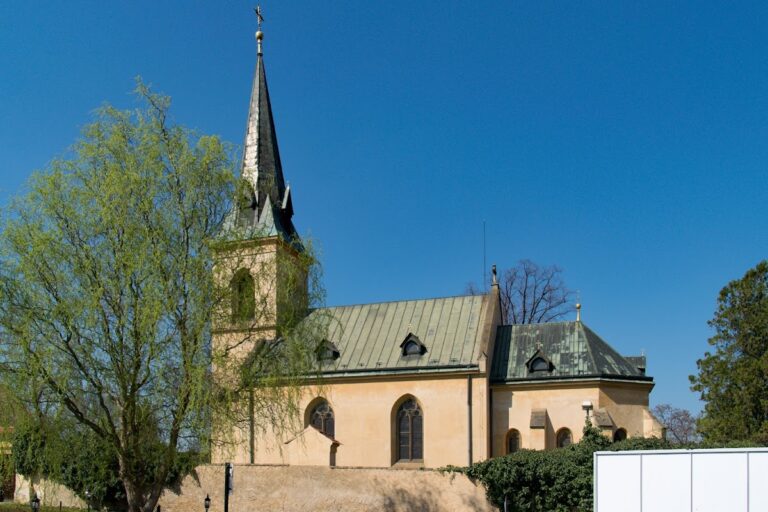
The Society of Jesus, commonly known as the Jesuits, acquired Chvaly in 1652. In 1660, the order built St. Anne’s Chapel beside the fortress. The chapel was later rebuilt as the Church of St. Ludmila, which remains part of the complex.
Baroque transformation and modern ownership
A fire destroyed the fortress in 1734. The Jesuits commissioned its repair and transformation into a chateau, while traces of the earlier Renaissance rebuilding were retained. After the Jesuit order was dissolved in 1773, Chvaly passed to the Land Study Endowment Fund, which held the property until 1848. Alterations during the mid-nineteenth century included the demolition of the south wing.
The complex became state property in 1918. From 1950 until the late 1980s, the chateau was used by the Czechoslovak State Farms, and in 1988 it came under the State Farm of the capital city of Prague. Severe deterioration preceded its transfer to the City of Prague in 1993 and then to the Horní Počernice municipal district. The district undertook reconstruction with assistance from European funds, completing the repairs in 2008.
Chvaly Castle is entered in the Central List of Monuments as a protected cultural monument. The municipal district owns the complex, which functions as a gallery and cultural venue.
Remains
Castle complex
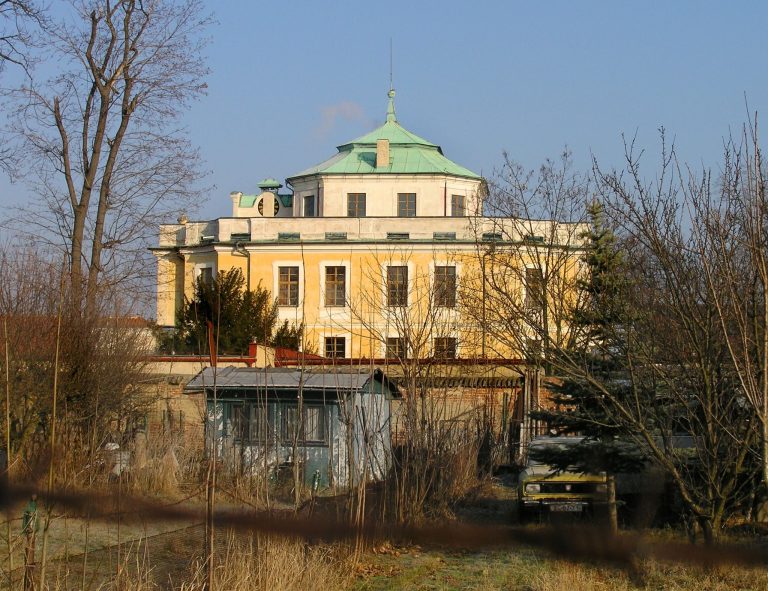
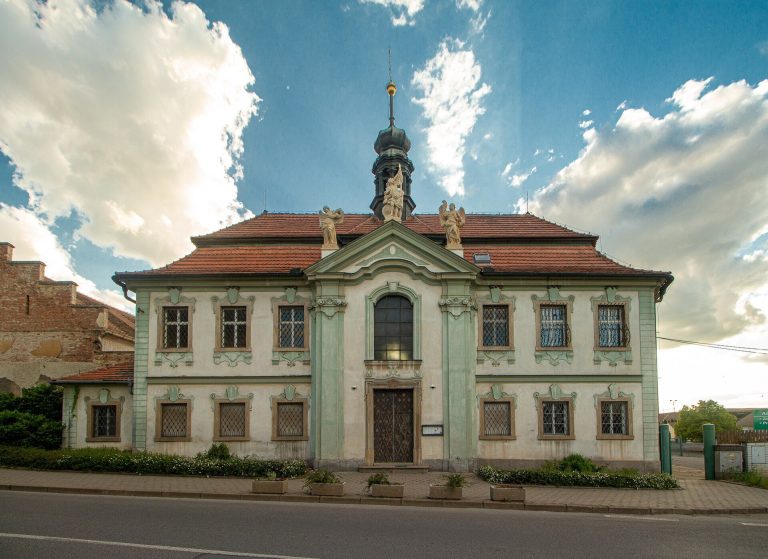
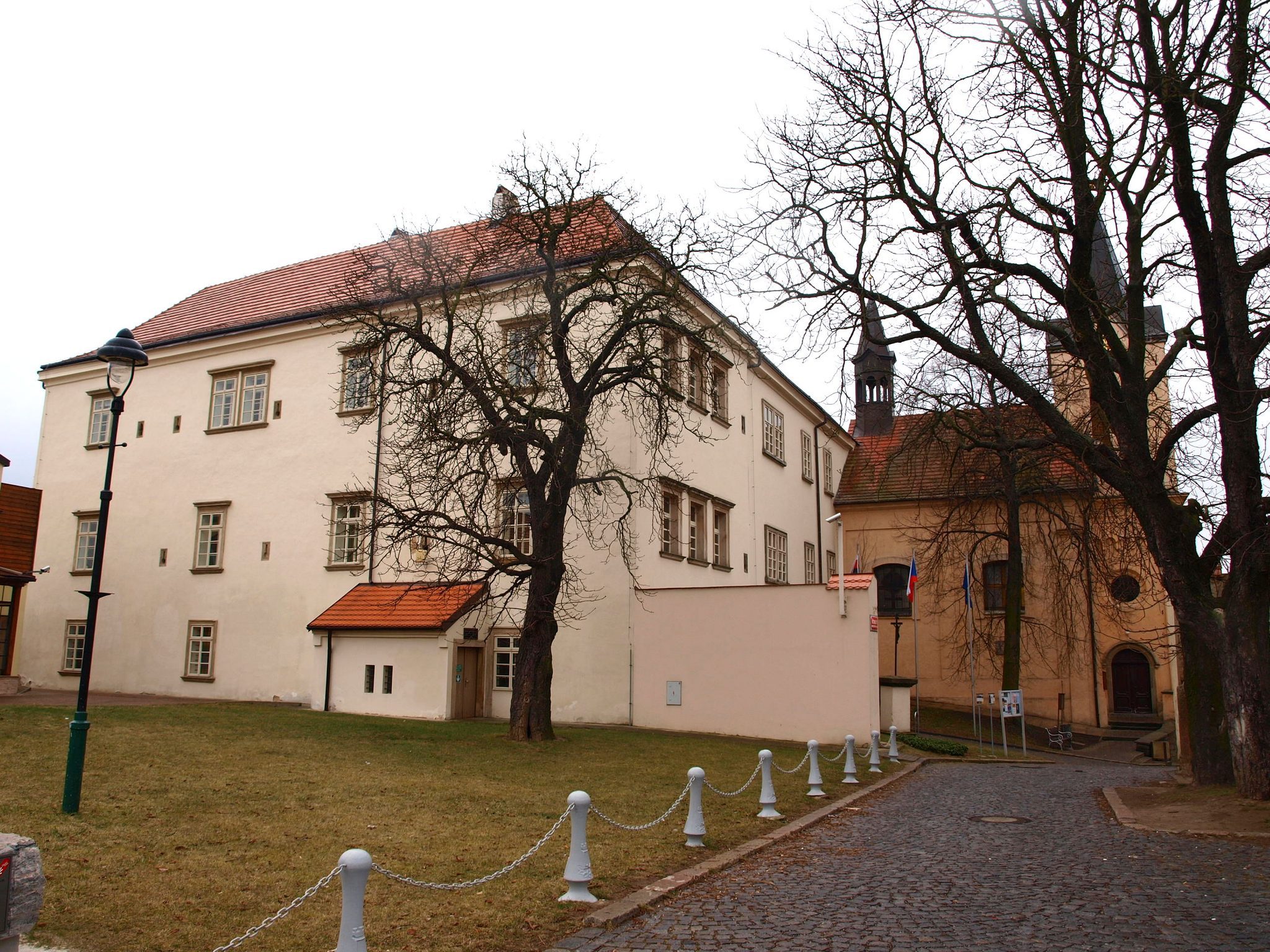
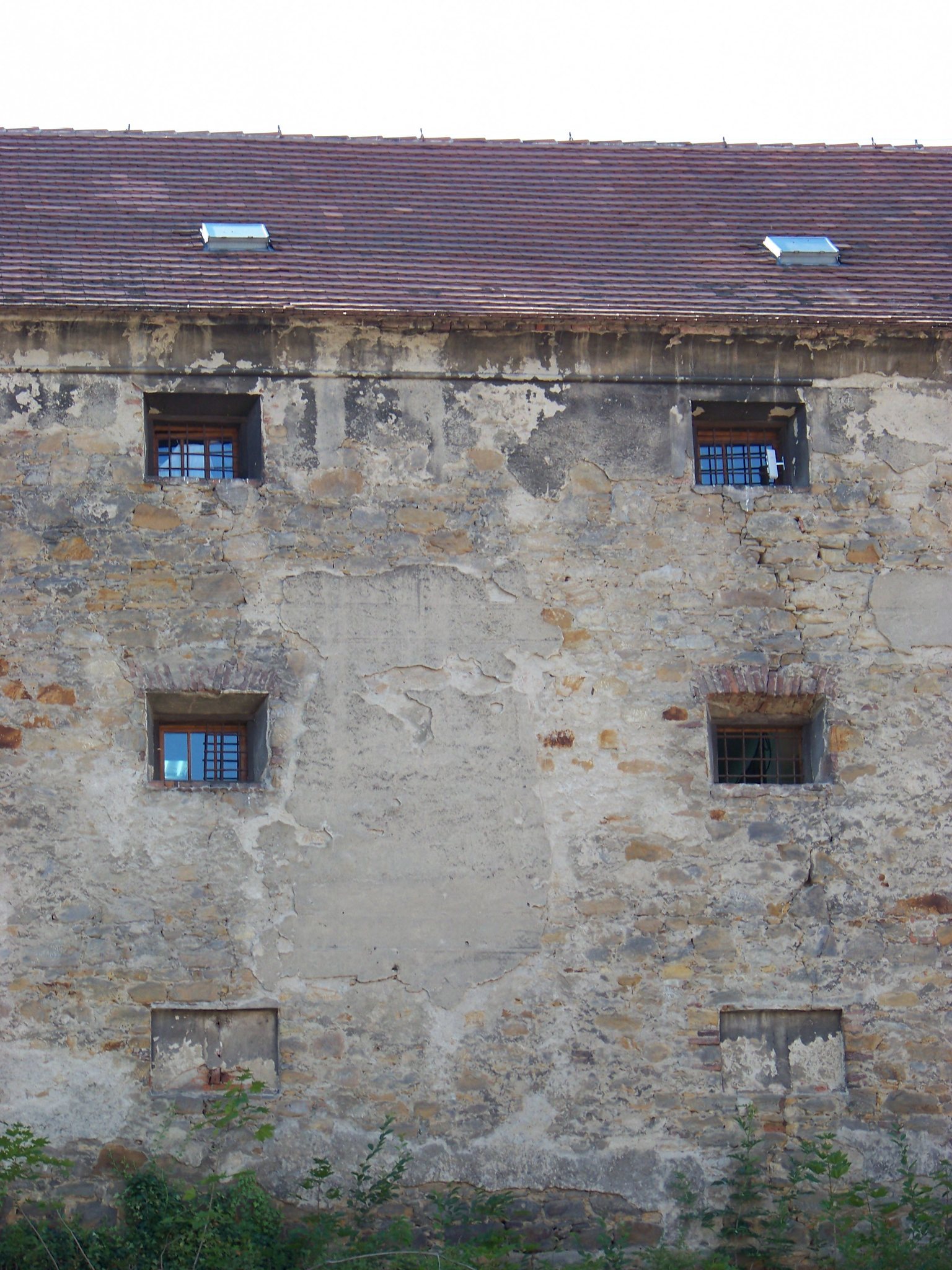
Chvaly Castle is a Baroque building complex that retains the form of a former fortress and manorial residence. Its fabric also preserves traces of the Renaissance rebuilding that preceded the eighteenth-century transformation. The south wing was removed during the alterations of the mid-nineteenth century.
Chvaly Castle
The castle represents the rebuilding of the earlier fortress after the 1734 fire. Its present character combines the Baroque architectural treatment with surviving elements from the Renaissance phase. The repaired complex now contains exhibition and cultural spaces.
Church of St. Ludmila
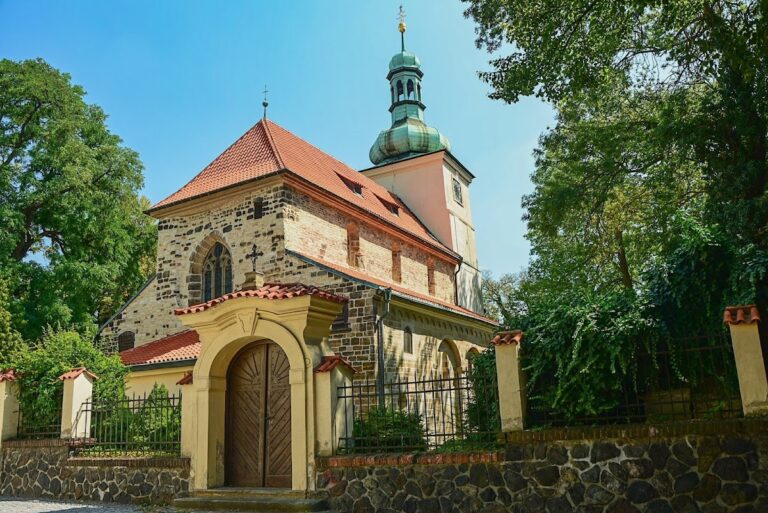
The adjoining Church of St. Ludmila developed from St. Anne’s Chapel, built beside the fortress in 1660 by the Jesuits. The chapel was later rebuilt under its present dedication, linking the religious building directly to the history of the castle complex.
Interiors and exhibition spaces
Baroque furnishings
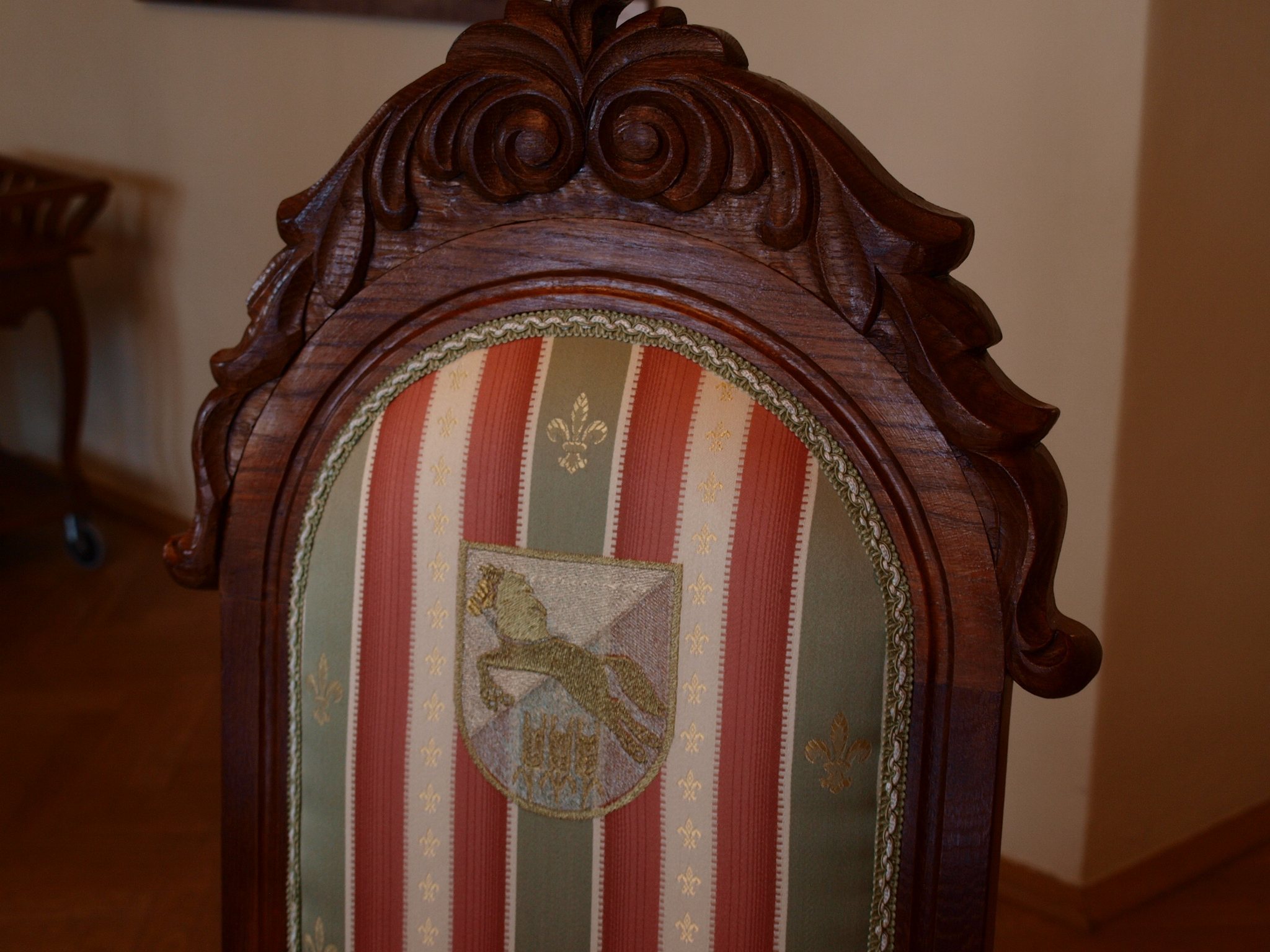
The interiors contain replicas of Baroque furniture intended for ordinary use. These furnishings reflect the period character of the chateau’s rooms without representing original objects from the building’s earlier phases.
Ludmila Jiřincová collection
The first floor houses a permanent exhibition of graphic works, paintings, illustrations, and personal objects from the estate of Ludmila Jiřincová, a Czech academic painter and illustrator.
Temporary cultural spaces
Other parts of the complex accommodate temporary art exhibitions and family-oriented cultural events, extending the use of the former fortress and chateau into a modern cultural setting.