Furuichi Kofun Cluster: An Ancient Japanese Burial-Mound Complex
Site at a Glance
- Rating
- 3.3
- Popularity
- Very Low
- Country
- Japan
- Primary era
- Medieval
- External website
- Open
- Eras represented
- Classical, Medieval
- Civilizations
- Yamato
- Site type
- Burial
- Remains
- Necropolis
On this page13 sections
History
The Furuichi Kofun Cluster is a group of ancient Japanese burial mounds in Habikino and Fujiidera, Osaka Prefecture, Japan. Built broadly from the late fourth or fifth century through the sixth century during the Kofun period, an era known for large earthen burial mounds, the cluster developed most intensively into the mid-sixth century. It contains 123 recorded mounds, of which 87 survive, and reflects the authority, labor organization, and funerary traditions of powerful local lineages, including the Haji clan, a hereditary group associated with burial practices and mound construction.
Formation and development
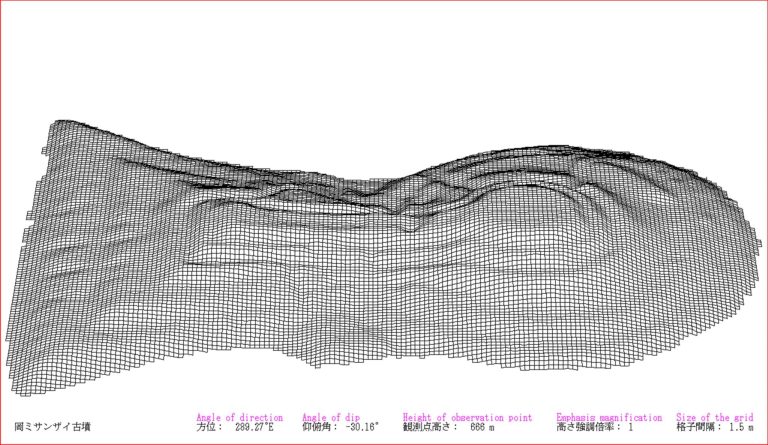
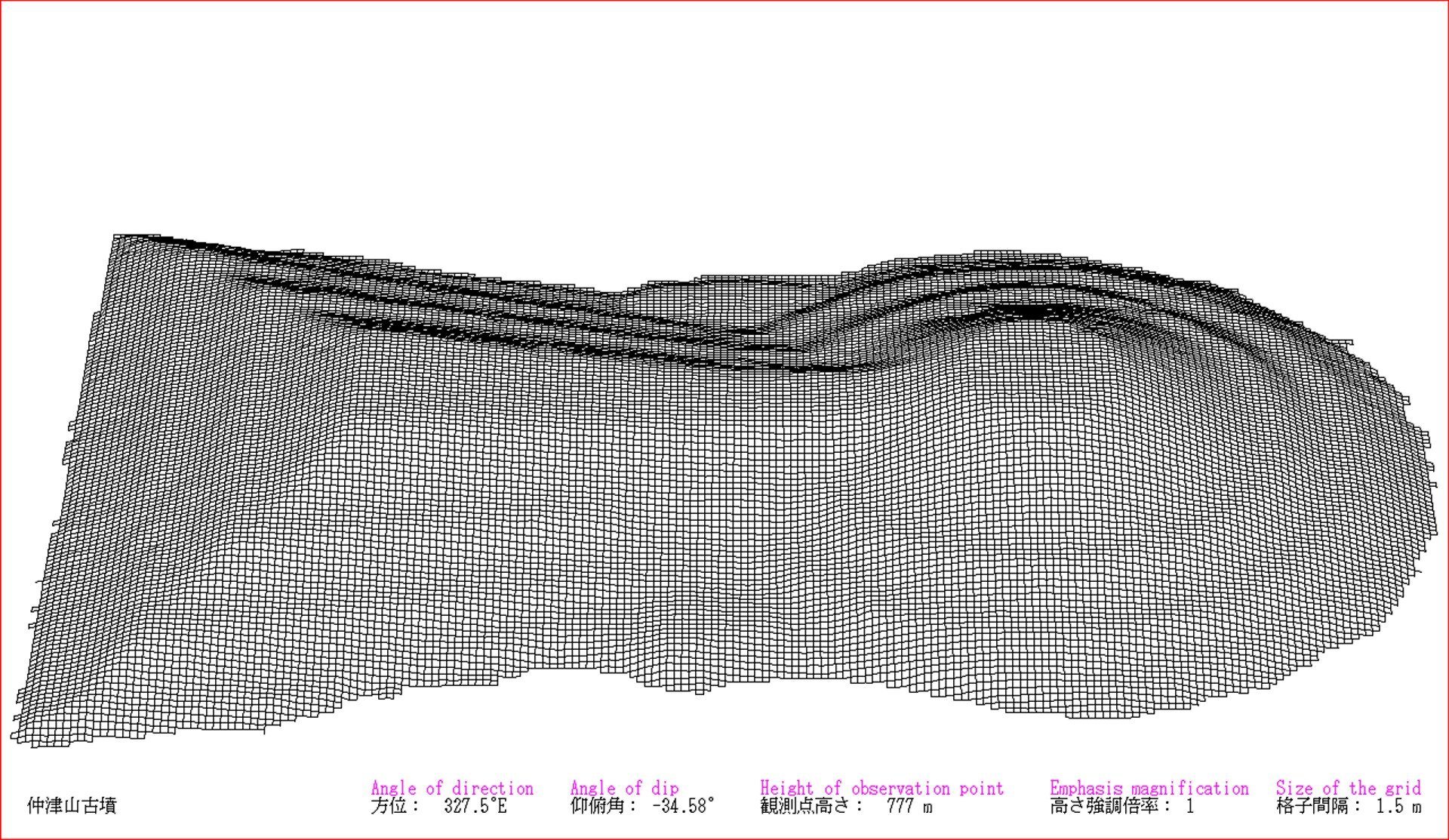
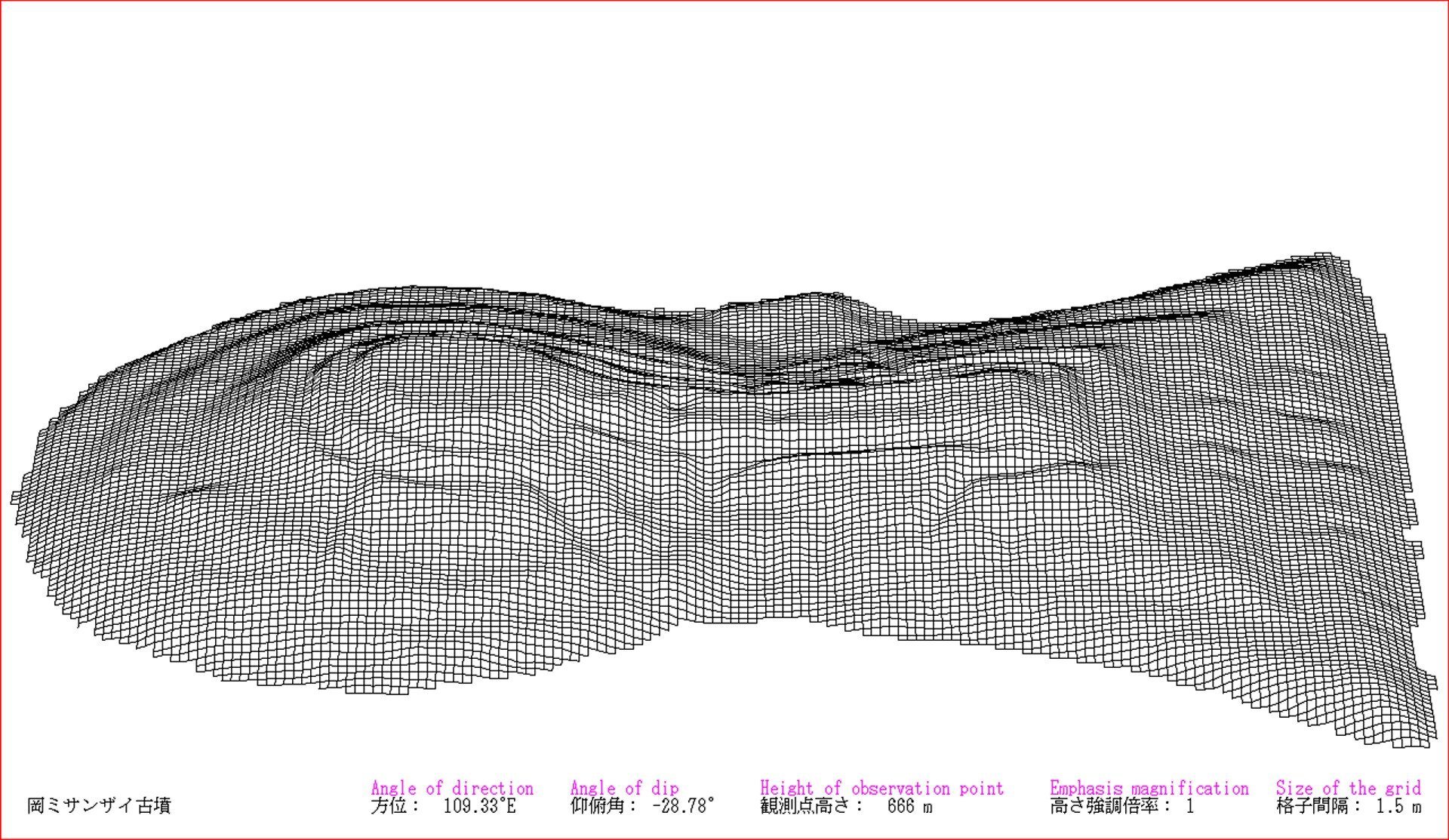
The earliest major mounds in the cluster included Nakatsuyama Kofun and Kondagobyōyama Kofun. They were followed in relative sequence by Tsudōshiroyama, Ichinoyama, Hakayama, Kawachi-Ōtsukayama, Maenoyama, Bokeyama, Shirahageyama, and Takayashiroyama. The older northern group centered on Kondagobyōyama, Nakatsuyama, Ichinoyama, and Okamisanzai, while a later southern group developed around Maenoyama. The southern mounds are characterized by west-facing layouts and especially developed front sections.
After the construction of Ichinoyama Kofun, the building of very large mounds began to decline. Some substantial examples, including Okamisanzai Kofun, were still constructed, but both their frequency and scale decreased. Once the Furuichi Cluster had passed its peak, the main center of mound construction in the Kawachi region shifted toward Shinagadani, also known as Kawachi-Asuka, near present-day Taishi.
Traditional identities and protection
The mounds are traditionally associated with emperors, empresses, and members of the imperial family. Kondagobyōyama is identified as the tomb of Emperor Ōjin, Nakatsuyama as that of Empress Nakatsuhime, Ichinoyama as that of Emperor Ingyō, Okamisanzai as that of Emperor Chūai, and Takayashiroyama as that of Emperor Ankan. Maenoyama is traditionally known as Shiratori Tomb. These identifications belong to long-standing traditions, while the actual occupants have not been established archaeologically.
Twenty-seven mounds, including many of the largest, are administered by the Imperial Household Agency, the Japanese institution responsible for designated imperial tombs and the imperial household. Excavation of mounds under its control is prohibited. Heritage protection developed through a series of designations. Twelve mounds received individual protection between 1956 and 1986, and in 2001 they were consolidated with additional sites as the Furuichi Kofun Cluster. Further additions in 2014, 2015, 2016, and 2021 brought the National Historic Site designation to 22 mounds or associated mound-bank features.
The Furuichi Kofun Cluster was placed on Japan’s tentative World Heritage List with the Mozu Kofun Cluster in 2008 and proposed again in 2010. On 6 July 2019, 26 mounds from Furuichi became part of the UNESCO World Heritage Site “Mozu-Furuichi Kofun Group: Mounded Tombs of Ancient Japan,” inscribed under criteria (iii) and (iv). The wider cultural importance of the cluster lies in its burial forms, haniwa, and grave goods, as well as the evidence they provide for political authority, social hierarchy, large-scale labor, technical ability, and contact across East Asia.
Archaeological discoveries
Aerial photography in 1968 revealed the Furuichi Large Ditch. It may correspond to the large ditch described in the Nihon Shoki for the fourteenth year of Emperor Nintoku. The ditch was created during the formation of the cluster and was modified several times, with some stretches buried by the eighth century.
In 1978, excavation at Mitsuzuka Kofun produced a shura, a large wooden sled used to move heavy materials. The find provides evidence for specialized equipment used in the construction of the mounds. Excavations undertaken by Habikino municipal education authorities from 2008 also revealed Shiro-Fudōzaka Kofun near Takayashiroyama. This previously unknown keyhole-shaped mound probably dates to the middle of the sixth century. It may have been connected with consorts of Emperor Ankan, but residential development destroyed it before that interpretation could be confirmed.
Remains
Layout and mound groups
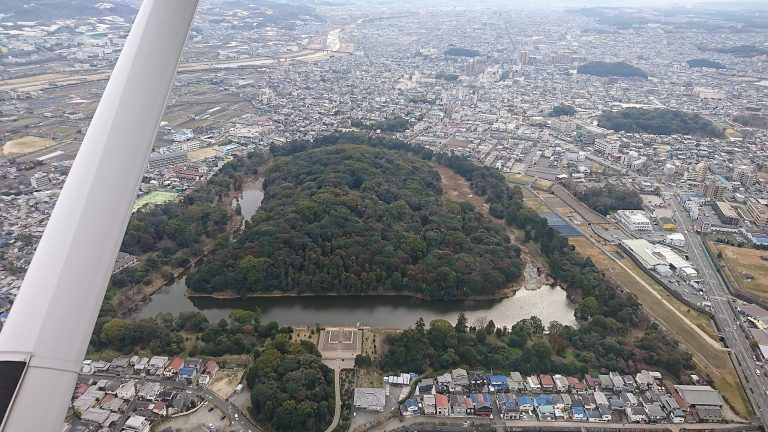
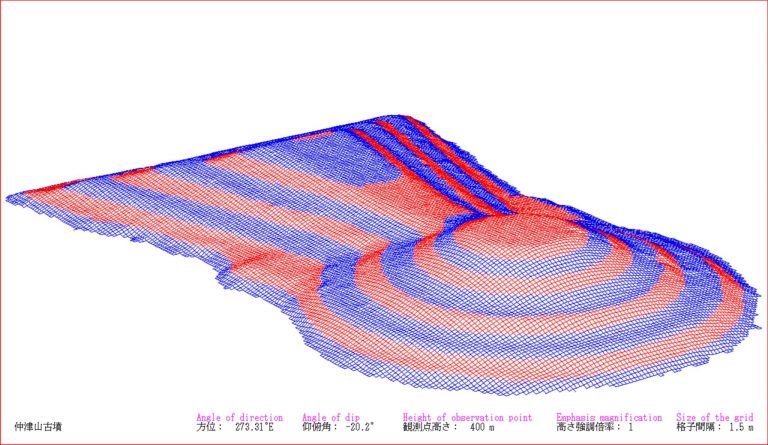
The cluster extends for approximately 2.5 kilometers by 4 kilometers across plateaus and hills at elevations of at least about 24 meters above sea level. Its burial mounds include keyhole-shaped, circular, square, and other forms. A keyhole-shaped mound combines a rounded rear section with a projecting rectangular front section, a characteristic form of the Kofun period. The mounds range from more than 400 meters in length to approximately 20 meters, with large dominant examples accompanied by smaller tumuli of different shapes.
Northern group
The northern group includes Kondagobyōyama, Nakatsuyama, Ichinoyama, and Okamisanzai. These are among the principal large mounds in the cluster. Six keyhole-shaped mounds at Furuichi exceed 200 meters in length, and Kondagobyōyama, Nakatsuyama, Ichinoyama, Tsudōshiroyama, and Okamisanzai are among the major examples.
Southern group
Maenoyama forms the center of the later southern group. Other principal mounds include Karusato-Ōtsuka, Bokeyama, Shirahageyama, Hakayama, Tsudōshiroyama, and Takayashiroyama. The arrangement of large central or dominant mounds with smaller and differently shaped tumuli is interpreted as a material expression of social hierarchy.
Ditches, moats, and construction evidence
Furuichi Large Ditch
The Furuichi Large Ditch runs between the tumuli of the keyhole-shaped mounds. It is approximately 20 to 30 meters wide. Some sections survive, others are buried, and parts have been incorporated into ponds. Physical changes within the ditch show that it was modified repeatedly. The mounds are also surrounded or accompanied by moats and varied peripheral earthworks, whose practical and symbolic functions remain subjects of interpretation.
Mitsuzuka construction equipment
The wooden shura excavated at Mitsuzuka Kofun was a sled-like device for transporting heavy materials. Its recovery connects the surviving mound landscape with the specialized equipment required for major construction projects.
Shiro-Fudōzaka Kofun
Shiro-Fudōzaka was a keyhole-shaped mound near Takayashiroyama, probably built in the middle of the sixth century. Its stone chamber was destroyed during residential development. The mound’s possible connection with members of Emperor Ankan’s household could not be confirmed before that destruction.
Condition of the physical remains
Water erosion has damaged some mound slopes. Other moats have been affected by dumped industrial waste and algal blooms, creating continuing conservation problems for the surviving landscape. Despite these pressures, the remaining mounds, banks, ditches, and moats preserve the spatial organization of a large Kofun-period burial complex.