Abbaye de Buzay: A Cistercian Abbey in France
Site at a Glance
- Rating
- 3.8
- Popularity
- Very Low
- Country
- France
- Primary era
- Early Modern
- Eras represented
- Medieval, Early Modern
- Civilizations
- Duchy of Brittany, French
- Site type
- Religious
- Remains
- Monastery
On this page9 sections
History
Abbaye de Buzay is a former Cistercian monastery in France, founded in 1135 on Buzay Island in the Pays de Retz. The Cistercian Order was a reform movement within Western monasticism that emphasized communal discipline, manual work, agricultural development, and an austere way of life. Dedicated to Our Lady and established as a daughter house of Clairvaux Abbey, Buzay was founded by Bernard of Clairvaux at the request of Ermengarde of Anjou, widow of Alan IV, Duke of Brittany, and mother of Conan III, Duke of Brittany.
Foundation and early difficulties
Ermengarde persuaded Conan III to donate his marshy lands for the new monastery. In 1136, a community of about twelve monks settled there under Nivard, Bernard of Clairvaux’s younger brother, who served as prior. The foundation initially struggled because its conventual buildings had not been built and the monks were living in poor and unhealthy conditions.
Bernard of Clairvaux encountered these problems during a visit in 1142 and asked the monks to return to Clairvaux. Conan III then acknowledged that he had not supplied the promised support and renewed his commitment to the foundation. The monks remained at Buzay, and a second foundation charter was issued in 1144.
Economic growth and daughter houses
The monks improved the surrounding marshes and fertile meadows, creating a productive agricultural base. Buzay also grew wealthy through salt trading in the Bay of Bourgneuf, tolls on commercial traffic along the Loire, donations, land purchases, and revenue from farms and other properties. By the second half of the twelfth century, it was the wealthiest abbey in the Duchy of Brittany and one of the ten richest abbeys in the Kingdom of France. Its economic influence extended across the Pays de Retz and nearby areas.
Buzay developed a network of Cistercian daughter houses. Monks were sent to the Île du Pilier on 1 July 1172, but the island’s isolation and exposure to wind led the community to move to Noirmoutier in 1205, where it founded Our Lady the White Abbey. Villeneuve Abbey was founded around 1200 to 1201 at the request of Constance, Duchess of Brittany, on Buzay land near Touffou and Bignon. Prières Abbey was established in the mid-thirteenth century at the joint request of the Cistercian Order and John I, Duke of Brittany. Vieuville was also listed as a daughter house of Buzay.
In 1177, Robert II, Bishop of Nantes, approved the establishment of both male and female monastic communities at Buzay. Three years later, Geoffrey Plantagenet, Count of Nantes, granted the abbey a perpetual annual alms payment of 20 Angevin livres, drawn from the mills of the surrounding parish. The abbey’s agricultural and hydraulic work continued through its granges, or monastic farms. The principal estates were Buzon and Villeneuve, with Villeneuve later becoming an independent abbey. Buzay also owned salt pans on the former island of Bouin.
Land management and later medieval disruption
The monks helped drain the marshes around Villeneuve with advice from engineers from the Poitevin marshes. They also took part in developing the canal between Messan and the Loire. Between 1438 and 1473, the abbey’s procurator Jean Gauguet acquired and consolidated land for Buzay while strengthening his own farm at La Petite Angle.
The Hundred Years’ War, a prolonged conflict between the English and French crowns and their allies, and the War of the Breton Succession, a fourteenth-century dynastic struggle over Brittany, damaged Buzay’s commercial exchanges. The abbey was forced to surrender parcels of land to local lords and suffered destruction in 1373.
Commendatory administration and reconstruction
From 1474, Buzay was placed in commendam. Under this system, a commendatory abbot received the income and administrative benefits of an abbey without necessarily serving as its resident spiritual head. The system replaced the locally elected regular abbots at Buzay, and Odet de la Rivière became the first commendatory abbot.
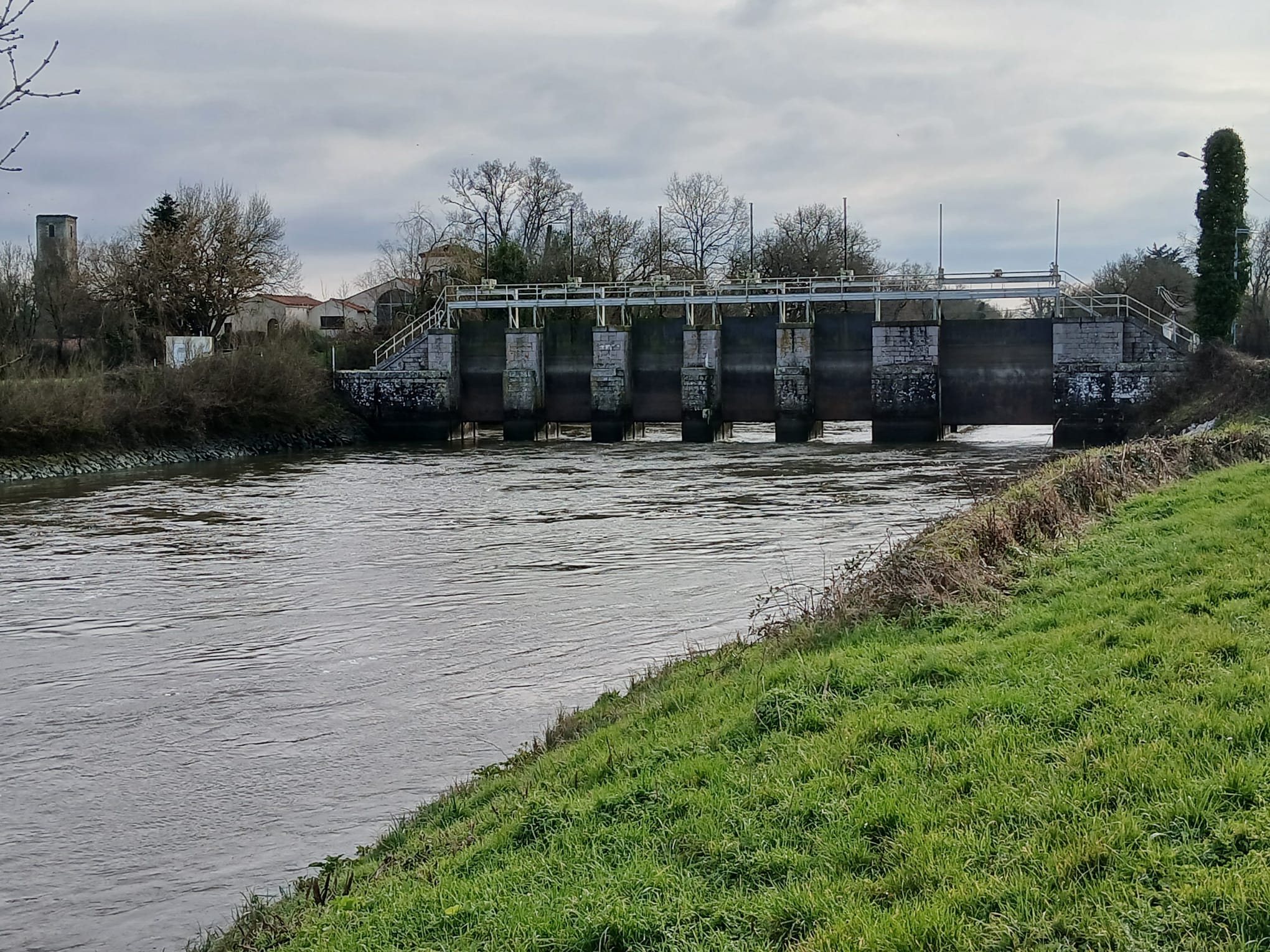
Marsh reclamation continued under the commendatory administration. In 1689, François Lefebvre de Caumartin, the commendatory abbot, and the contractor Maquart drained marshes and created additional land for cultivation. Caumartin also approved the creation of the Buzay Canal Company under a royal ordinance of 14 February 1713. The Buzay Canal, approximately four kilometres long, was excavated between 1720 and 1775 between the Messan district and the Loire, crossing abbey property.
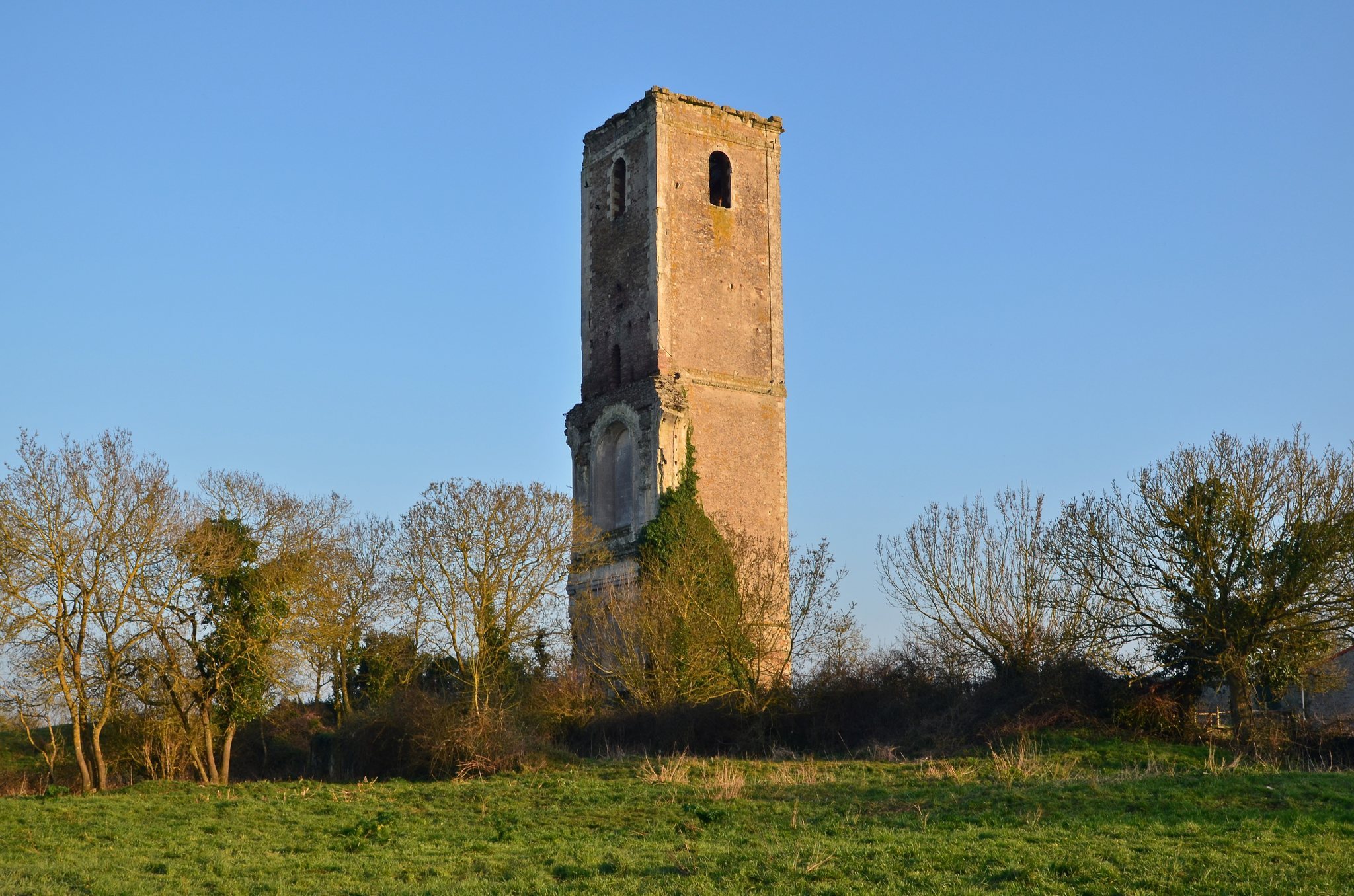
The abbey church and cloister were restored or rebuilt in 1755, when the surviving tower was erected. During the French Revolution, the abbey became national property and was dissolved around 1790 to 1791. In the War of the Vendée, an armed conflict between Republican forces and mainly royalist and counter-revolutionary movements in western France, Republican troops occupied the site as their headquarters. Royalist forces burned the abbey in 1795. Its properties were sold progressively until 1805, while its furnishings were dispersed among other places of worship.
Remains
Surviving monastic site
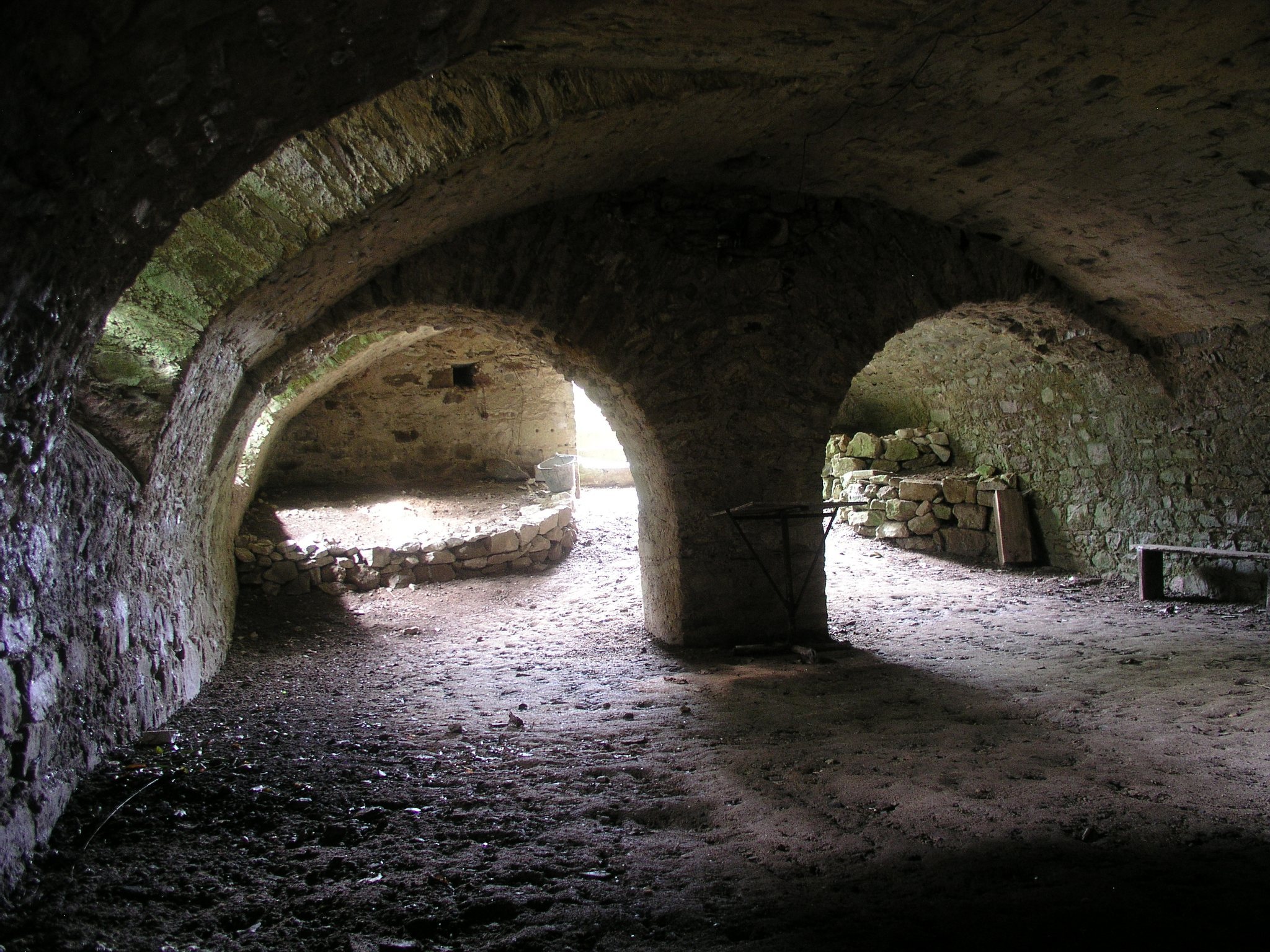
The former abbey site lies at Rouans in Loire-Atlantique, on the south bank of the Loire. The surviving remains occupy a ruined monastic enclosure that is now an agricultural property. Vaulted cellars and fragments of masonry remain within the enclosure, preserving parts of the former complex after the destruction of the late eighteenth century.
Abbey church tower
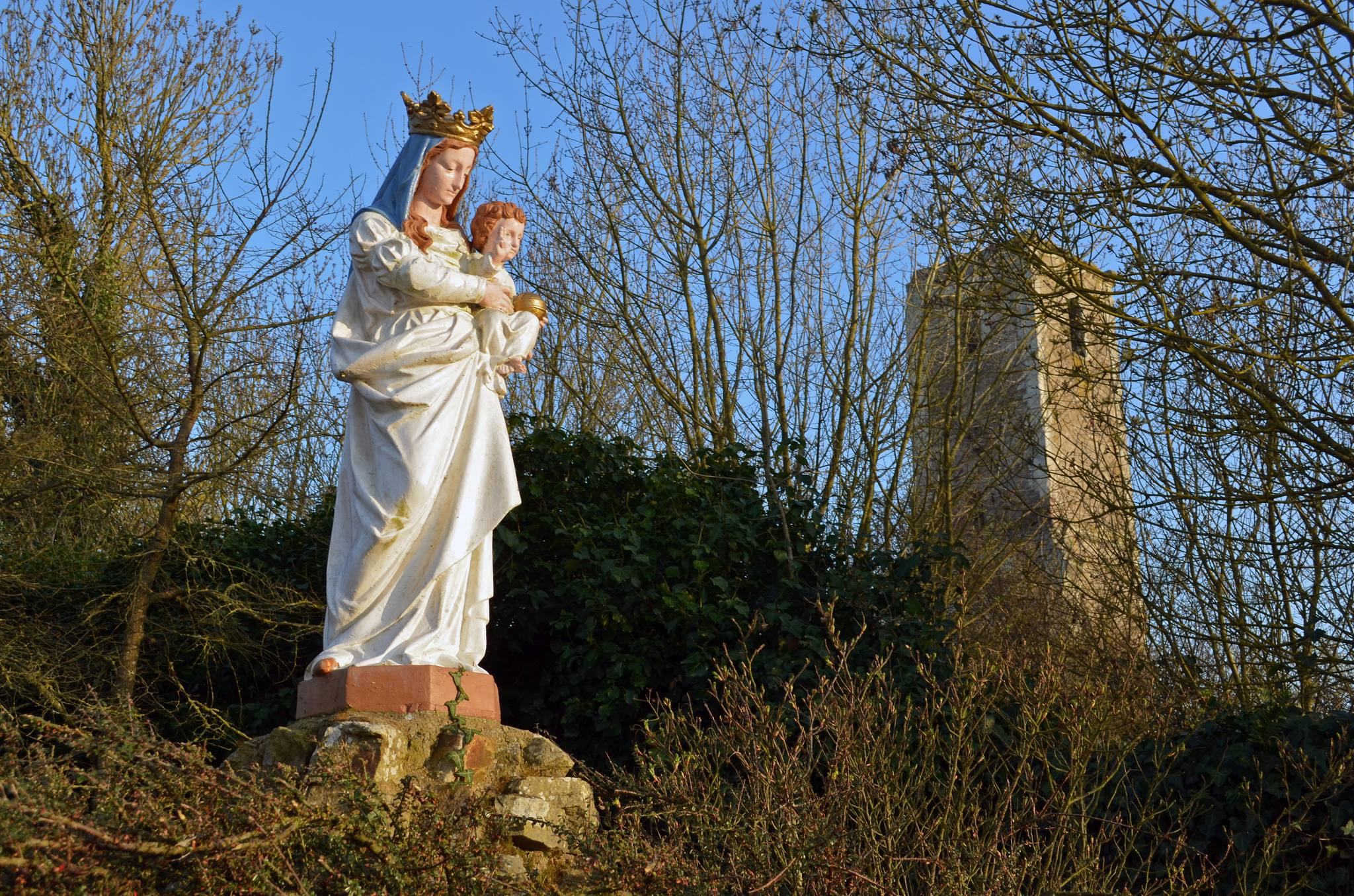
The square tower was erected in 1755 as part of the rebuilding of the abbey church. Approximately 33 metres high, it served as the church’s bell tower and is the last major standing remnant of the monastic complex. Its survival provides the clearest visible element of the church rebuilt shortly before the abbey’s dissolution.
Dispersed furnishings and objects
The abbey’s bells were transferred to Chartres Cathedral. Its Italian marble altar, made in the Louis XV style, was moved to Saint-Louis Church in Paimboeuf, while the pulpit went to Saint Peter’s Church in Bouguenais and the choir stalls to Saint-Symphorien Church in Coueron.
Other objects associated with Buzay were preserved elsewhere. A chalice from the abbey is held at Sainte-Anne Church in Vue. The oldest crucifix in the Pays de Retz, dating from the fourteenth century, was transferred to Sainte-Anne Chapel at Tharon-Plage.