Světlá nad Sázavou Castle: From Fortress to Cultural Complex
Site at a Glance
- Rating
- 4.5
- Popularity
- Medium
- Country
- Czechia
- Primary era
- Modern
- External website
- Open
- Eras represented
- Medieval, Early Modern, Modern
- Civilizations
- Austria-Hungary, Austrian Empire, Habsburg, Holy Roman Empire, Kingdom of Bohemia
- Site type
- Domestic
- Remains
- Castle
On this page11 sections
History
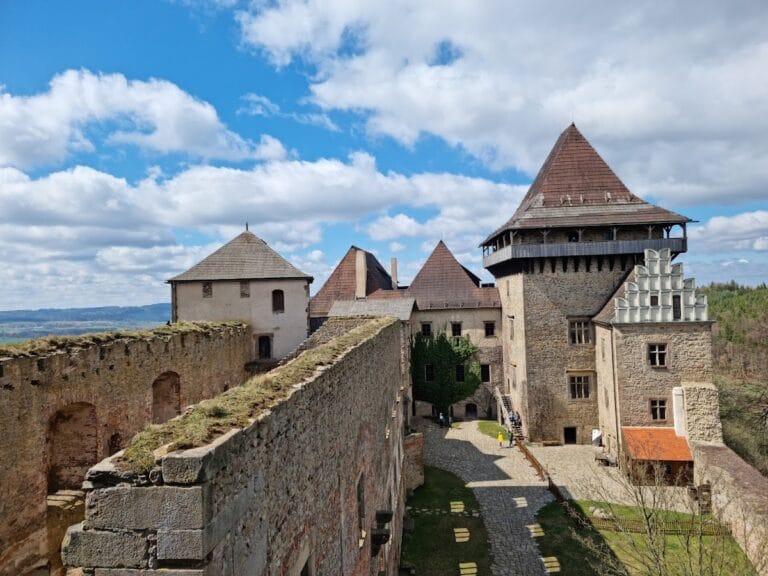
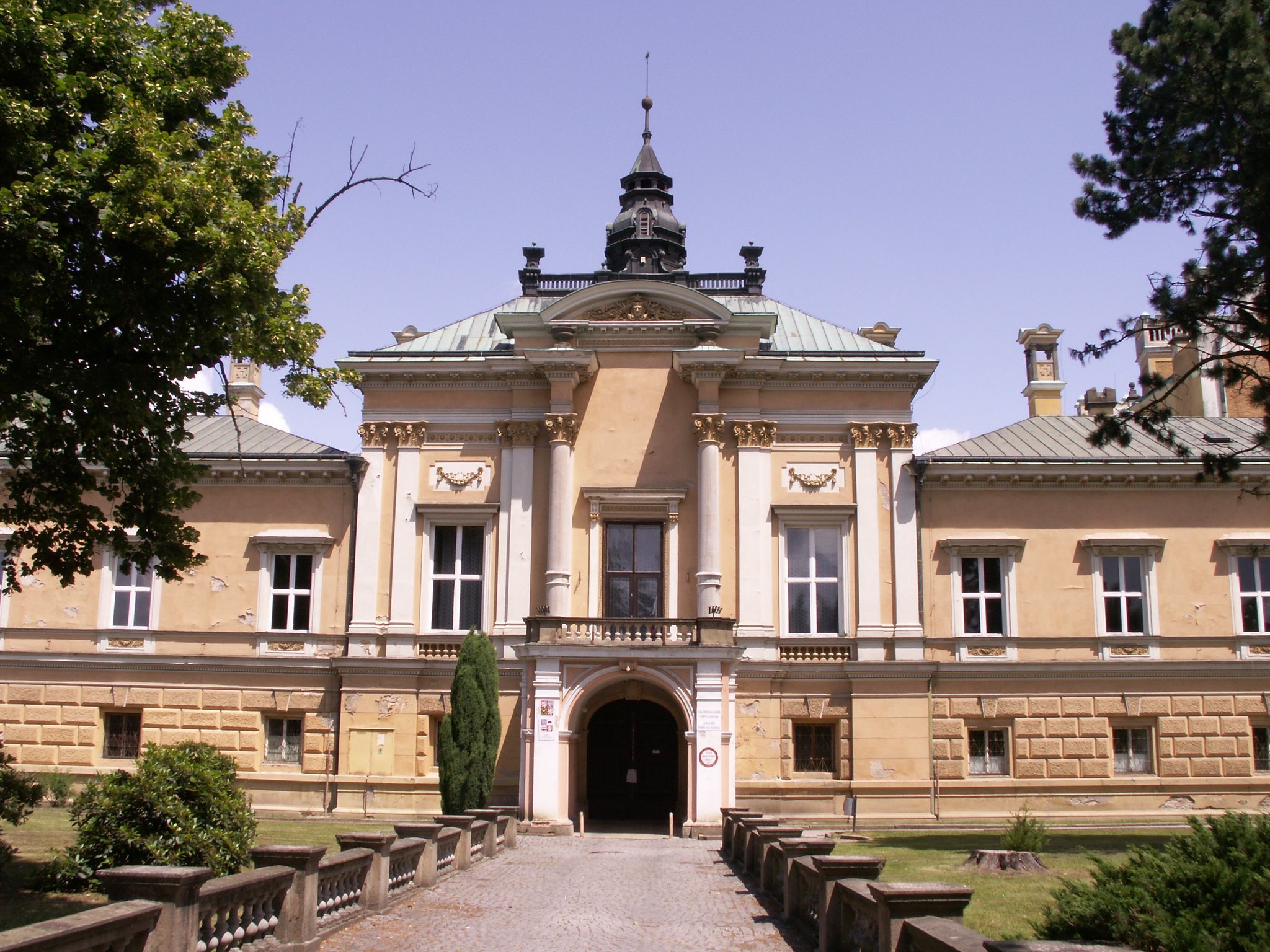
Světlá nad Sázavou Castle is a historic castle in Czechia that began as a fortress built in 1393 by Štěpán of Sternberg. It later became a hunting lodge and was repeatedly altered in Baroque, Empire-style, and Neo-Renaissance forms, acquiring its present general appearance during rebuilding from 1868 to 1873.
Medieval fortress and noble ownership
Around 1385, Albert of Sternberg received Světlá from the Vilémov Monastery as a pledge. His son Štěpán had a fortress built there in 1393. When the medieval religious institution ceased to exist in 1421, its lands and properties passed to the Bohemian king. Mikuláš Trčka of Lípa acquired Světlá from the king in 1429.
From hunting lodge to Baroque castle
Burian Trčka of Lípa converted the fortress into a hunting lodge in 1567. Further changes took place under Jan Bartoloměj Vernier between 1668 and 1672 and, especially, under Count František Antonín Černín of Chudenice around 1737. Filip Krakovský of Kolovrat purchased the castle from Černín in 1748.
During the Napoleonic Wars, a series of conflicts involving Napoleon Bonaparte and European coalitions, the castle served as a military hospital for wounded or ill soldiers. Those who died were buried in a pasture near the settlement of Dolní Březinka.
Empire-style and Neo-Renaissance rebuilding
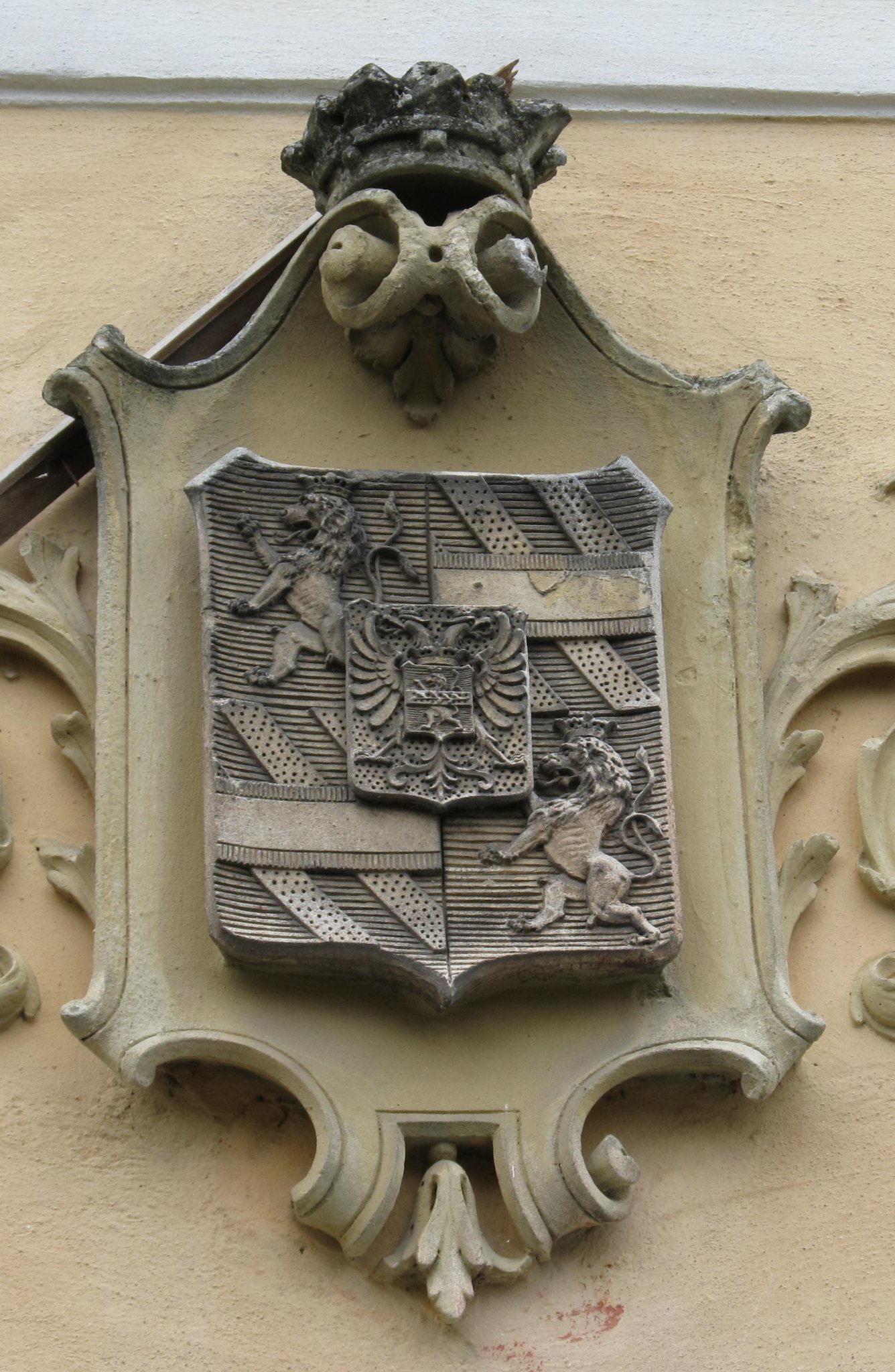
After 1817, František Josef Zichy of Vazsonykeö commissioned a western Empire-style wing that enclosed the courtyard. The period also brought stucco heraldic decoration to the Knights’ Hall. Empire-style architecture drew on the late eighteenth- and early nineteenth-century Neoclassical tradition.
František Josef of Salm-Reifferscheidt gave the castle its present general appearance through a Neo-Renaissance rebuilding carried out from 1868 to 1873. The work was directed by the Viennese architect Svatoš and involved the Viennese sculptor Josef Gasser. Neo-Renaissance architecture revived forms associated with the Renaissance.
Twentieth-century use and modern ownership
The German army used the castle during the Second World War. After its confiscation in 1945, the Czechoslovak army took it over. From the 1950s, the building housed an agricultural school, whose use of the castle ended in 2011.
Part of the castle now houses the Museum of the Světlá Region. In 2012 and 2013, the town considered several ownership and redevelopment arrangements, including the conversion of part of the building into a retirement home, but chose to sell the castle to the Degerme family. The transaction was approved in July 2013, and the castle opened to the public in 2014. It was offered for sale in 2021, and Jiří Marian, a hotelier and winemaker, acquired it from the Degerme family in 2022. The castle has been protected as a cultural monument since 1963.
Remains
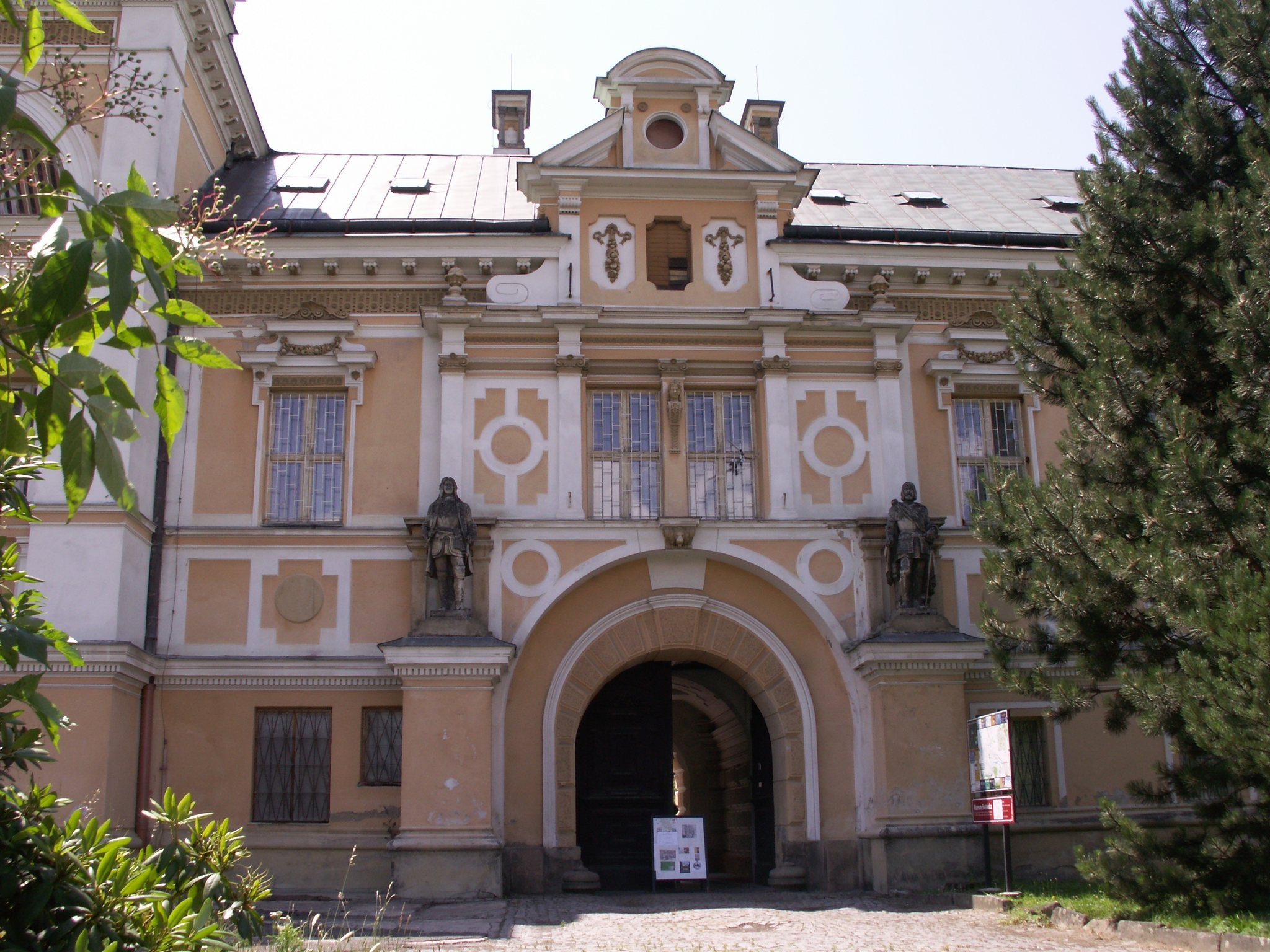
Světlá nad Sázavou Castle stands on the left bank of the Sázava River, a few metres from the centre of Světlá nad Sázavou. The complex preserves the successive development of a 1393 fortress, a sixteenth-century hunting lodge, and a later castle shaped by Baroque, Empire-style, and Neo-Renaissance alterations.
Castle buildings and interiors
Western wing and courtyard
The western Empire-style wing, added after 1817, closes the courtyard and remains part of the castle’s architectural composition. The Knights’ Hall contains stucco heraldic decoration. The Neo-Renaissance rebuilding of 1868 to 1873 established the general character of the buildings seen today.
Museum collections
The castle contains the Museum of the Světlá Region and an exhibition of historical European glass from the collections of the Museum of Decorative Arts in Prague. Other displays present historical clocks, paintings, and sculptures from the collections of that museum and the Vysočina Museum in Třebíč.
Landscape park
English landscape park and ponds
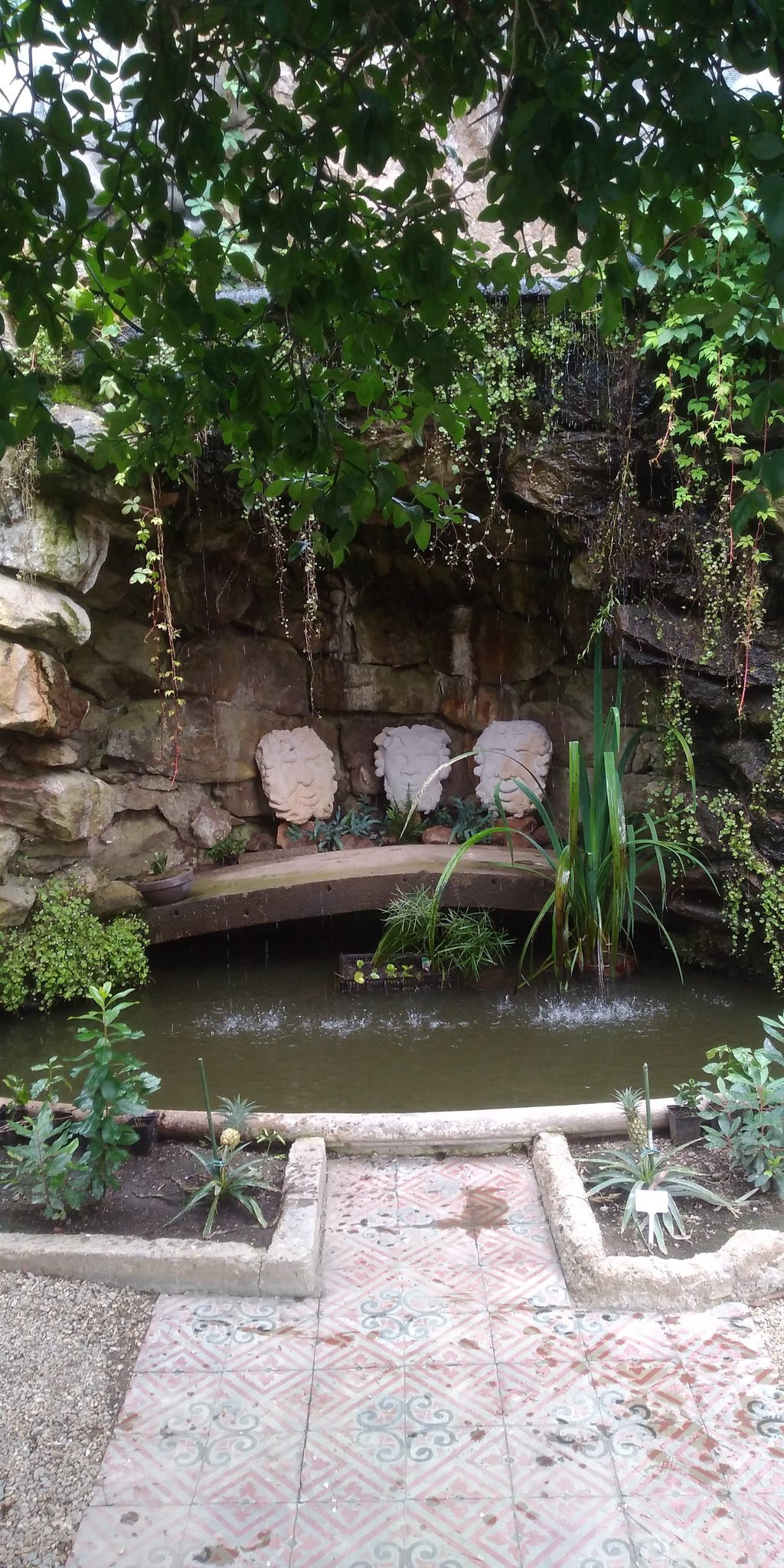
The castle complex includes an 18-hectare English landscape park with a cascade of ponds. The park forms part of the wider physical setting of the castle and its surviving architectural complex.