Ranigat: A Buddhist Monastic Complex in Pakistan
Site at a Glance
- Rating
- 4.5
- Popularity
- Low
- Country
- Pakistan
- Primary era
- Classical
- External website
- Open
- Eras represented
- Classical, Medieval
- Civilizations
- Gandharan
- Site type
- Religious
- Remains
- Monastery
On this page7 sections
History
Ranigat is a Buddhist archaeological site in Pakistan, associated with the Gandhara civilization, an ancient cultural region of South Asia known for Buddhist art and religious monuments. Construction of the complex is placed in the second century CE, while the wider remains date from the first to the sixth centuries CE. The site was abandoned in the sixth century.
A Buddhist centre in Gandhara
For centuries, Ranigat served as a centre of Buddhist art and culture. Its buildings formed a substantial religious settlement associated with a monastic community, and local folklore continues to connect the ruins with songs and stories.
Archaeology and protection
Archaeological work at Ranigat has been associated with Alexander Cunningham and Henry Walter Bellew. A joint UNESCO-Japanese team has excavated the site since the 1980s. Ranigat is protected under Pakistan’s Antiquities Act of 1975 and was added to the UNESCO World Heritage Tentative List on January 30, 2004, as the Archaeological Site of Ranigat. The listing uses cultural criteria ii and iv, which address cultural exchange and an important type of site or landscape. Vandalism has affected the ruins, which are now monitored and enclosed by a barbed-wire fence.
Remains
The monastic settlement
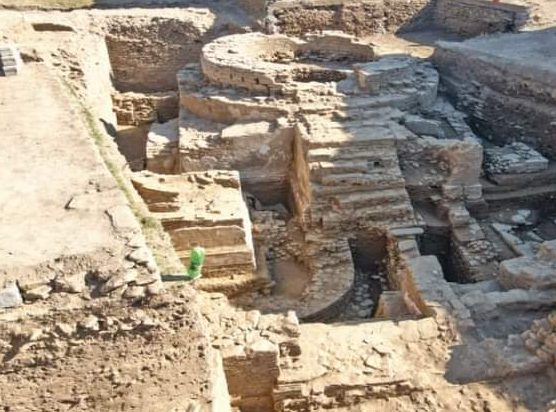
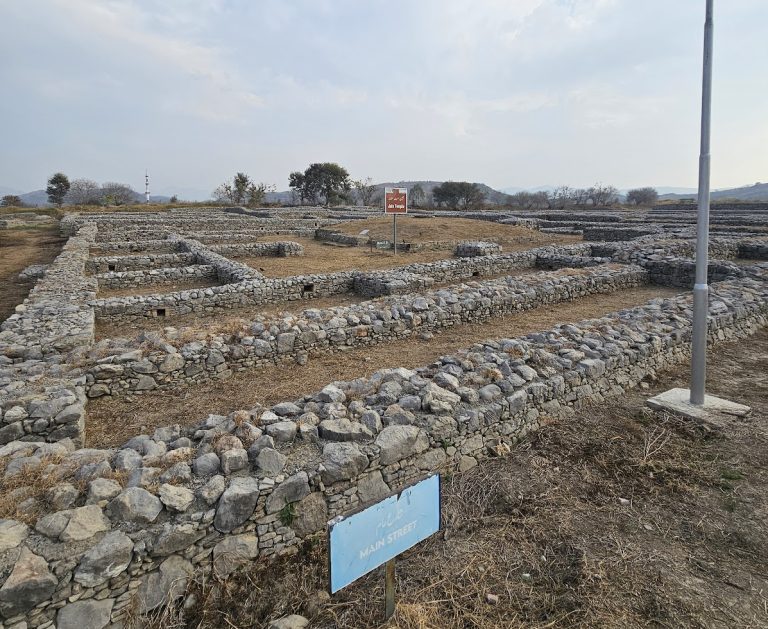
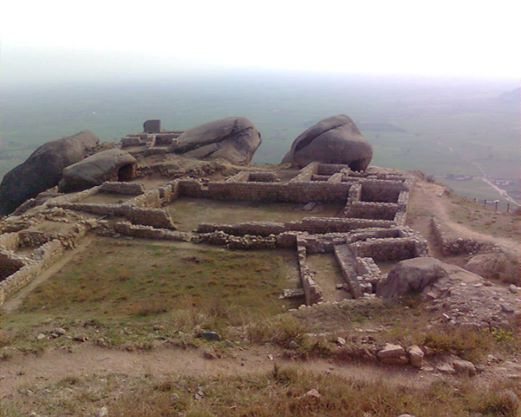
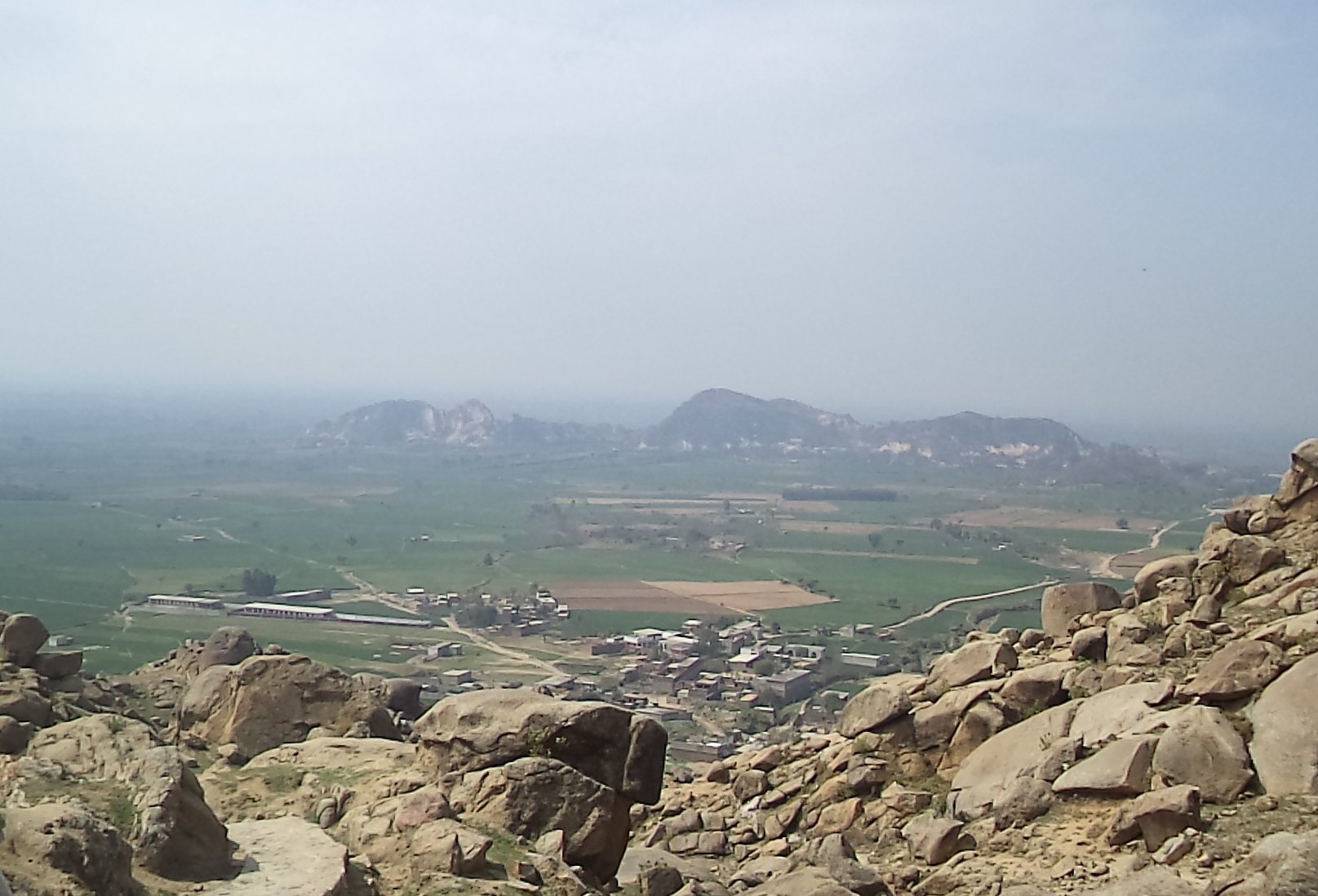
The ruins cover approximately 4 square kilometres on a ridge or mountaintop overlooking the Valley of Peshawar. They are described as the remains of the region’s largest Buddhist monastic complex. The settlement was planned as a city or town and made extensive use of stone quarried from the surrounding mountains.
Religious and civic structures
The complex includes stupas, Buddhist monuments generally associated with relics, commemoration, or veneration, together with monasteries, shrines, drainage networks, and other buildings. These elements form the surviving remains of a large and organised settlement serving religious and associated communal functions.
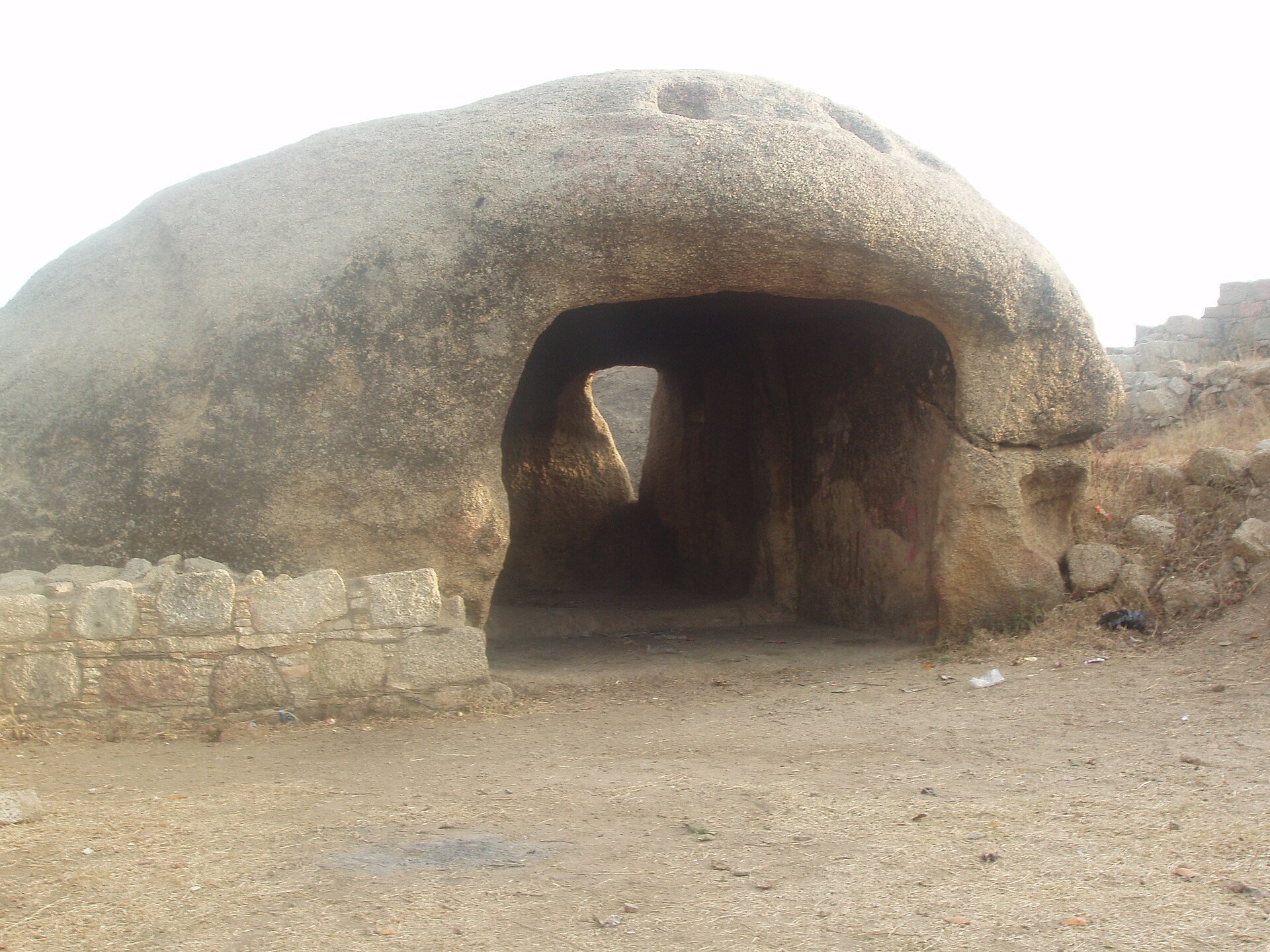
The summit rock
A large rock stands on the summit some distance from the principal ruins. Approximately 40 metres high and 25 metres wide, it resembles a small minaret and can be seen from far away. Its ancient function remains uncertain, although it was probably used for worship. The rock lies on the hill dividing Swabi and Buner districts.