Březno (Hill Fort): A Prehistoric Stronghold in Czechia
Site at a Glance
- Rating
- 4.5
- Popularity
- Low
- Country
- Czechia
- Primary era
- Bronze Age
- External website
- Open
- Eras represented
- Bronze Age, Iron Age
- Civilizations
- Hallstatt culture
- Site type
- Military
- Remains
- Wall
On this page8 sections
History
Březno (hill fort) is a prehistoric fortified settlement in Czechia, on a promontory near modern Březno and Postoloprty in the Louny District. Occupation began in the Eneolithic, or Copper Age, and the site was later fortified by communities associated with the Únětice culture, an Early Bronze Age culture of Central Europe. Further changes took place during the later Knovíz culture and the Hallstatt period, an archaeological tradition associated chiefly with the Early Iron Age.
Eneolithic and Bronze Age occupation
Archaeological finds place the earliest occupation at Březno in the Eneolithic. These remains include phases linked with the Funnel Beaker and Globular Amphora cultures, prehistoric societies associated with the Neolithic and Copper Age periods of Central and northern Europe. During the Únětice culture, the promontory was fortified with a rampart, an earthen or composite defensive bank. A ditch behind the rampart was later filled during the Knovíz culture, showing that the defensive arrangement changed as the settlement continued to develop.
A settlement called Březno lay nearby and was occupied at the same time as the hill fort during some periods. Activity outside the presumed southern defenses also included three Únětice culture inhumation graves lined with stone, adding evidence of burial practices connected with the settlement.
Hallstatt rebuilding and modern investigation
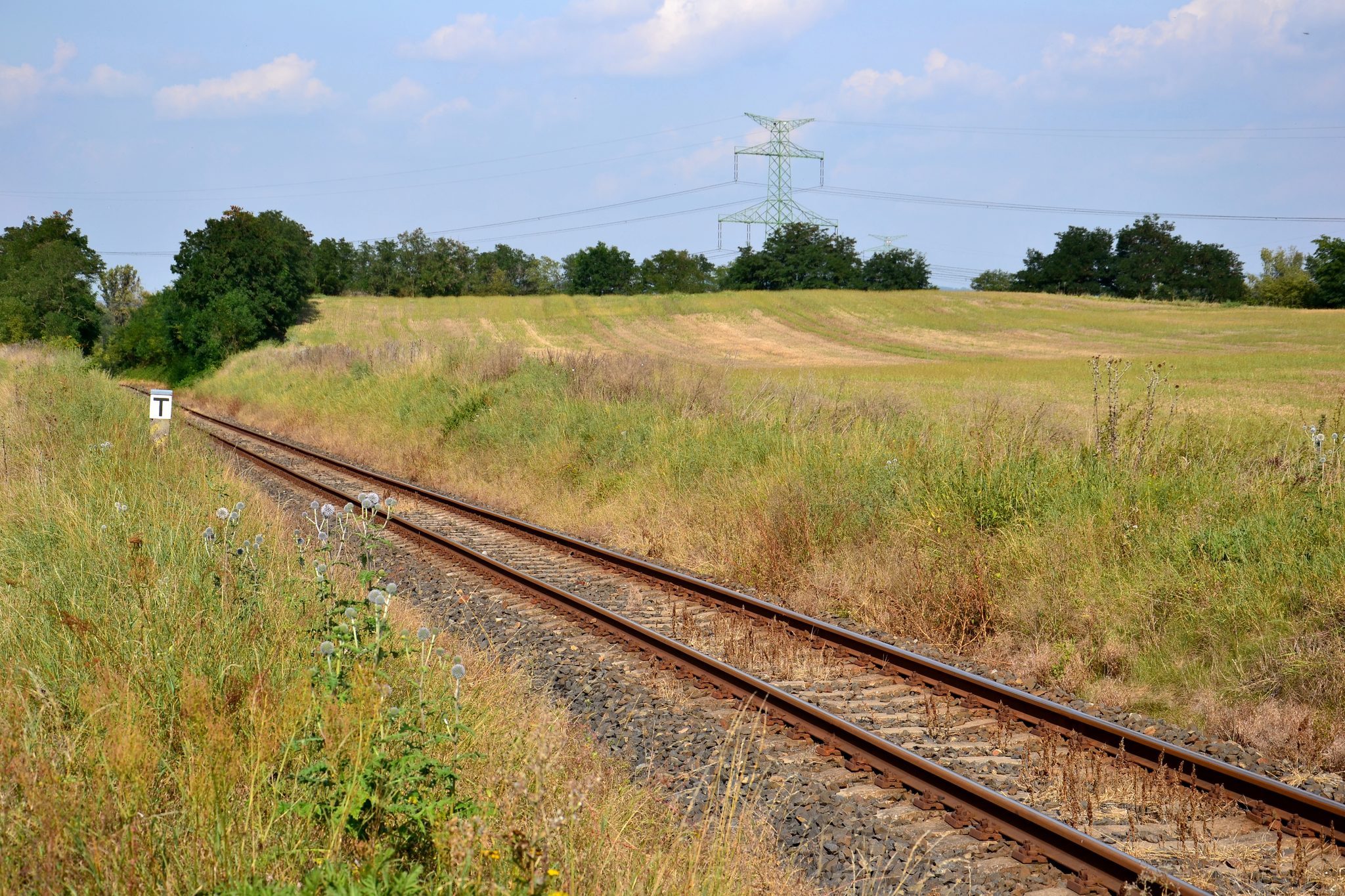
New fortifications were built during the Hallstatt period. On the eastern side, an earlier Únětice rampart was incorporated into a broader defensive wall with an internal chamber construction and an outer stone wall. The site was later damaged by construction of the railway between Postoloprty and Louny, and road construction in 1987 and 1988 caused further disturbance. Rescue archaeological investigations carried out during the road works revealed additional evidence about the defenses and settlement. Březno has been protected as a Czech cultural monument since 1964.
Remains
The hill fort occupied an approximately 1.5-hectare promontory that probably rose about 20 metres above the surrounding alluvial terrain of the Ohře River. Its surviving defenses form a fragmentary archaeological layout, with evidence of ramparts and ditches around the accessible southern, eastern, and northern sides.
Southern and eastern defenses
Southern rampart and ditch
A transverse rampart protected the accessible southern side of the promontory. Most of the earthwork was destroyed by ploughing, while a surviving fragment on the southeastern side belongs to the Únětice culture. Behind it lay a Bronze Age ditch, originally about 9 metres wide and 3.4 metres deep. The ditch had already been filled by the time of the Knovíz culture.
Eastern wall
Another section of the fortifications was identified on the eastern side. During the Únětice culture, the defenses there consisted of a rampart. In the Hallstatt period, this earlier structure was incorporated into a wall about 8 metres wide, built with an internal chamber construction and an outer stone wall.
Northern boundary and settlement area
The inner side of another ditch was identified at the northern end of the promontory. Beyond the presumed southern fortification, the settled area included three Únětice culture inhumation graves lined with stone. Together with the defensive earthworks, these remains show that the archaeological area extended beyond the fortified enclosure itself.